Days out
Lochwinnoch Lochwinnoch
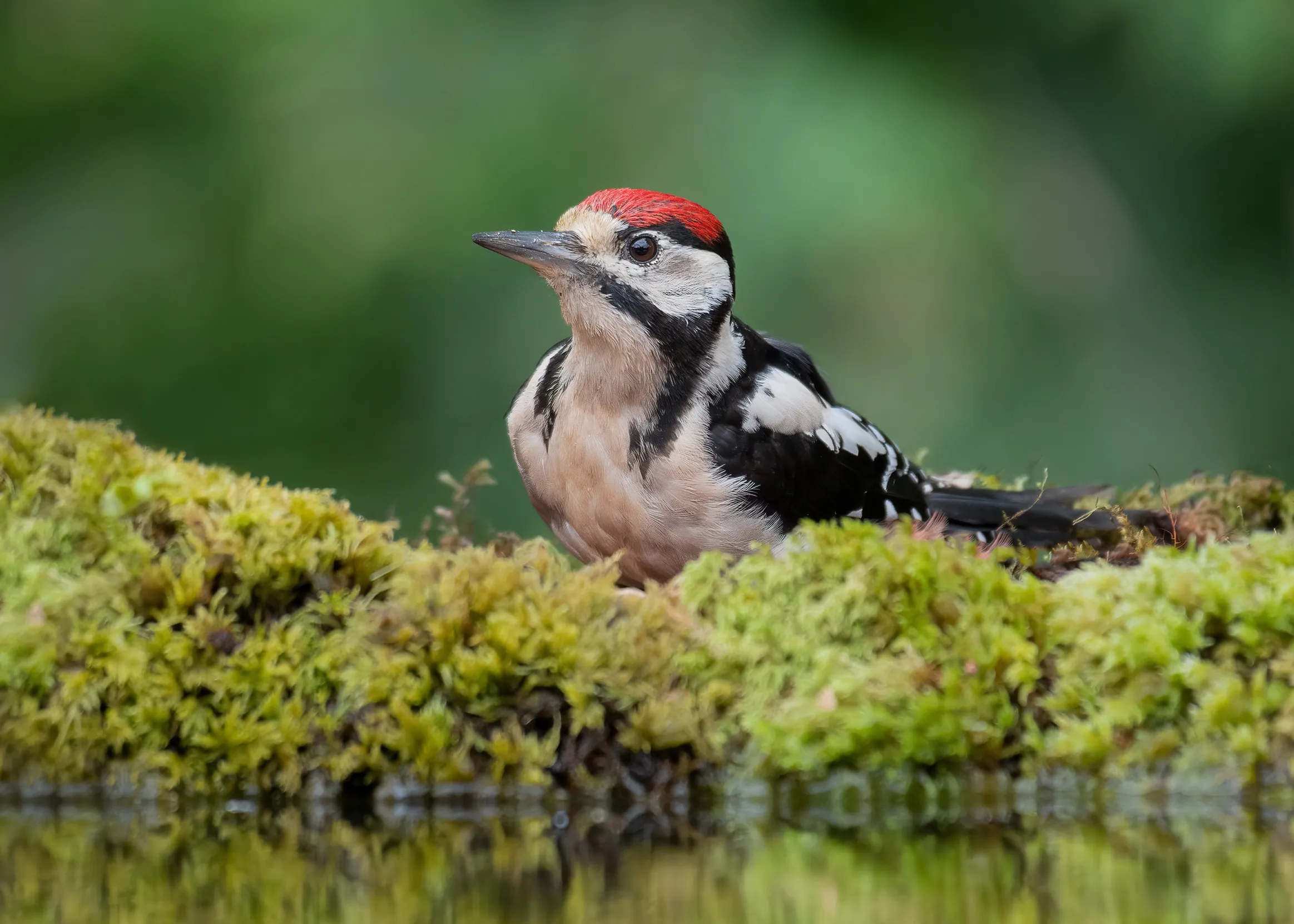
Just 30 minutes from Glasgow, bring the whole family for a wild day out in nature. Explore our trails, take on our Spring Super Spotter Scavenger Hunt, then enjoy a picnic or buy refreshments from our shop.


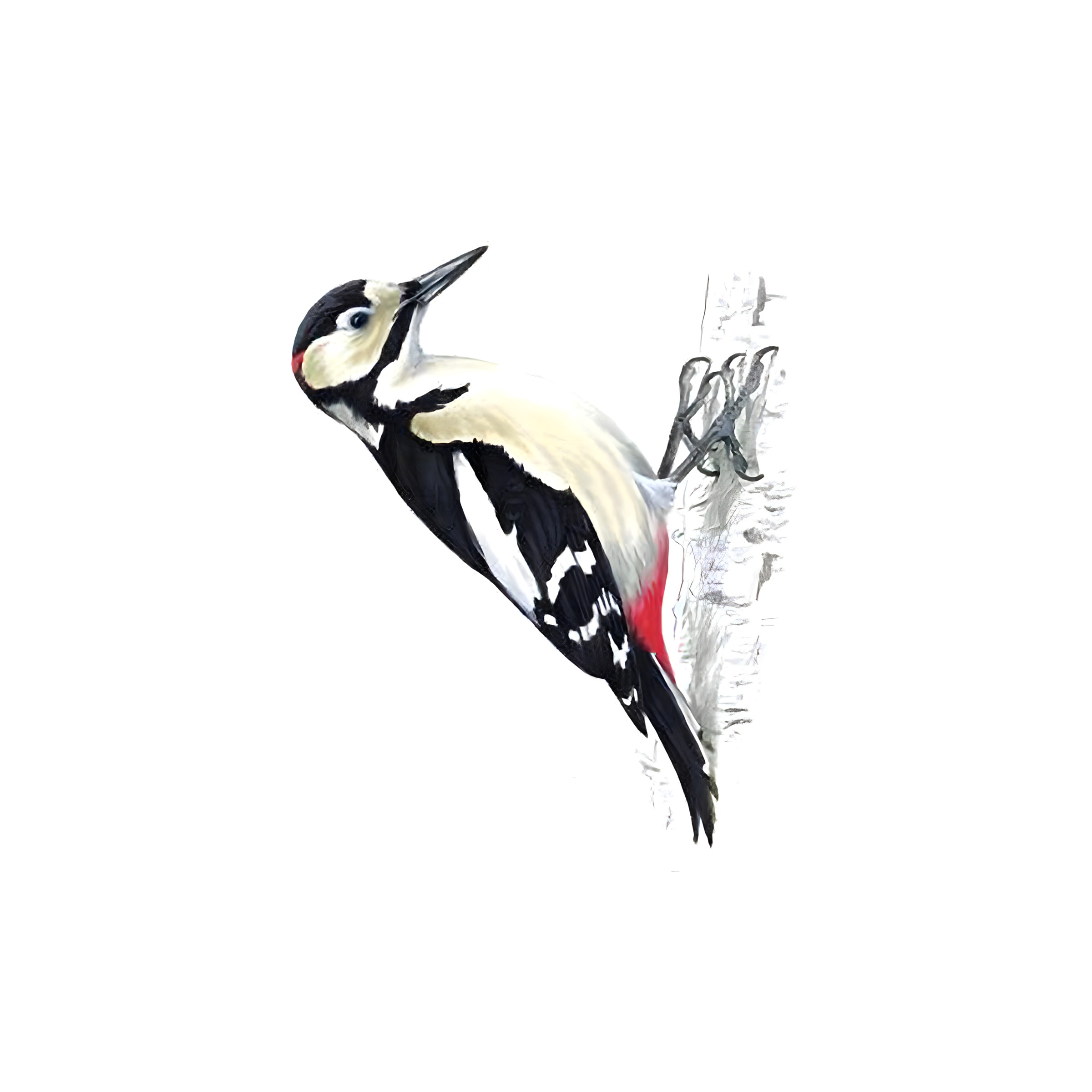
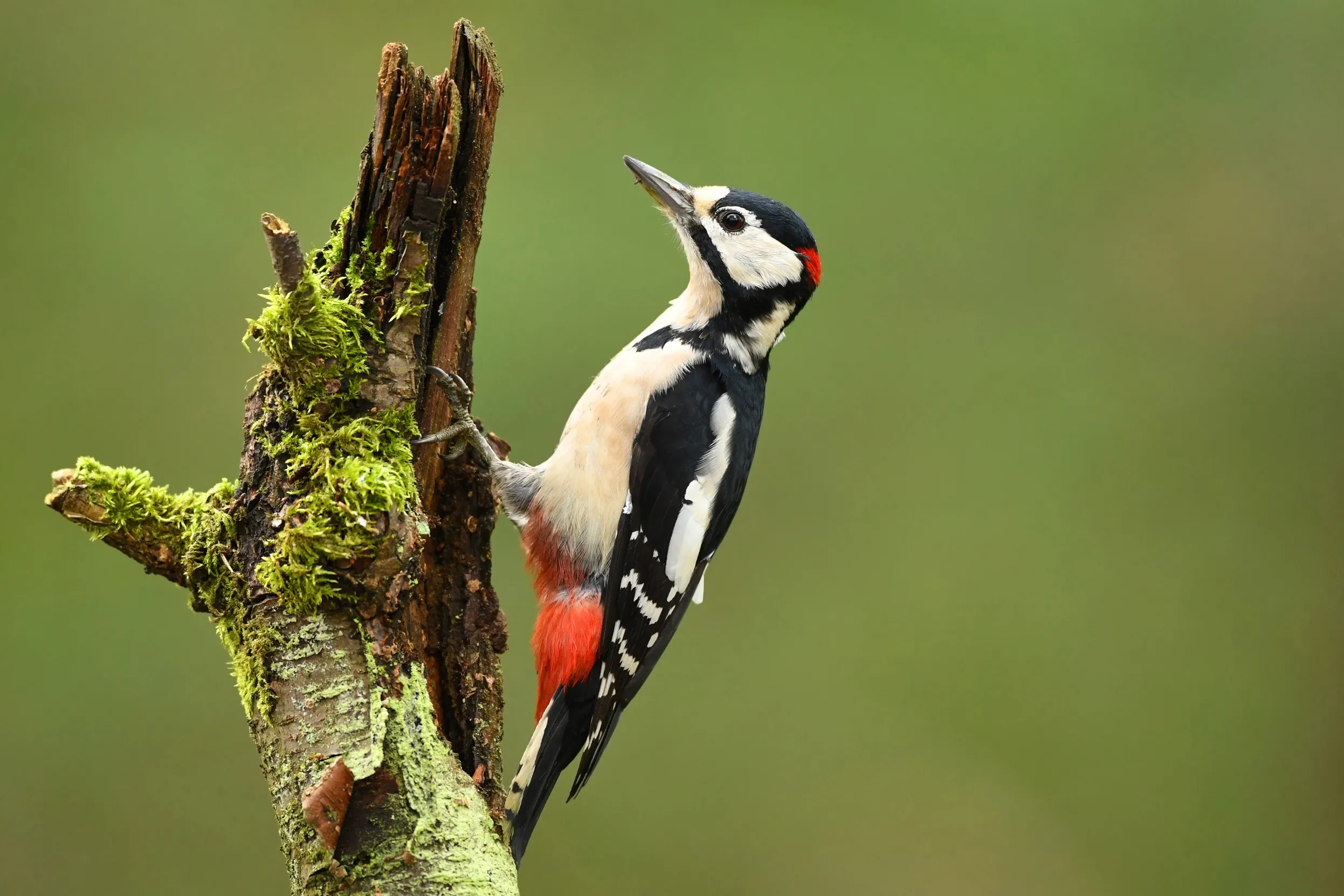
With well over 100,000 pairs in the UK and a range expanding northwards in Scotland and now in Northern Ireland, the Great Spotted Woodpecker is on the green list of the Birds of Conservation Concern. General management of our woodland nature reserves ensures it has plenty of places to thrive.
Great Spotted Woodpeckers are found in larger woods, gardens and parks across most of the UK. They’ve spread north in recent years and now can be found across England, Wales, Scotland and parts of Northern Ireland. In winter, watch tree trunks and thicker branches carefully, or keep an eye on peanut and suet feeders where they’re often bold, regular visitors.
In many areas Great Spotted Woodpeckers are now a regular sight, and their loud calls and drumming give them away. In places with less mature trees, they can be harder to spot, but a visit to a woodland reserve or a garden with good feeders should give you a fair chance of seeing one.

Listen for a rapid burst of drumming that lasts for about a second and can be heard some distance away. Their sharp ‘tchick’ call is another good clue, especially in woodland or when they fly into a garden.

Head outside and discover fascinating birds each month. Read on for top ID tips, what to listen for, and where to see them.