Days out
Campfield Marsh
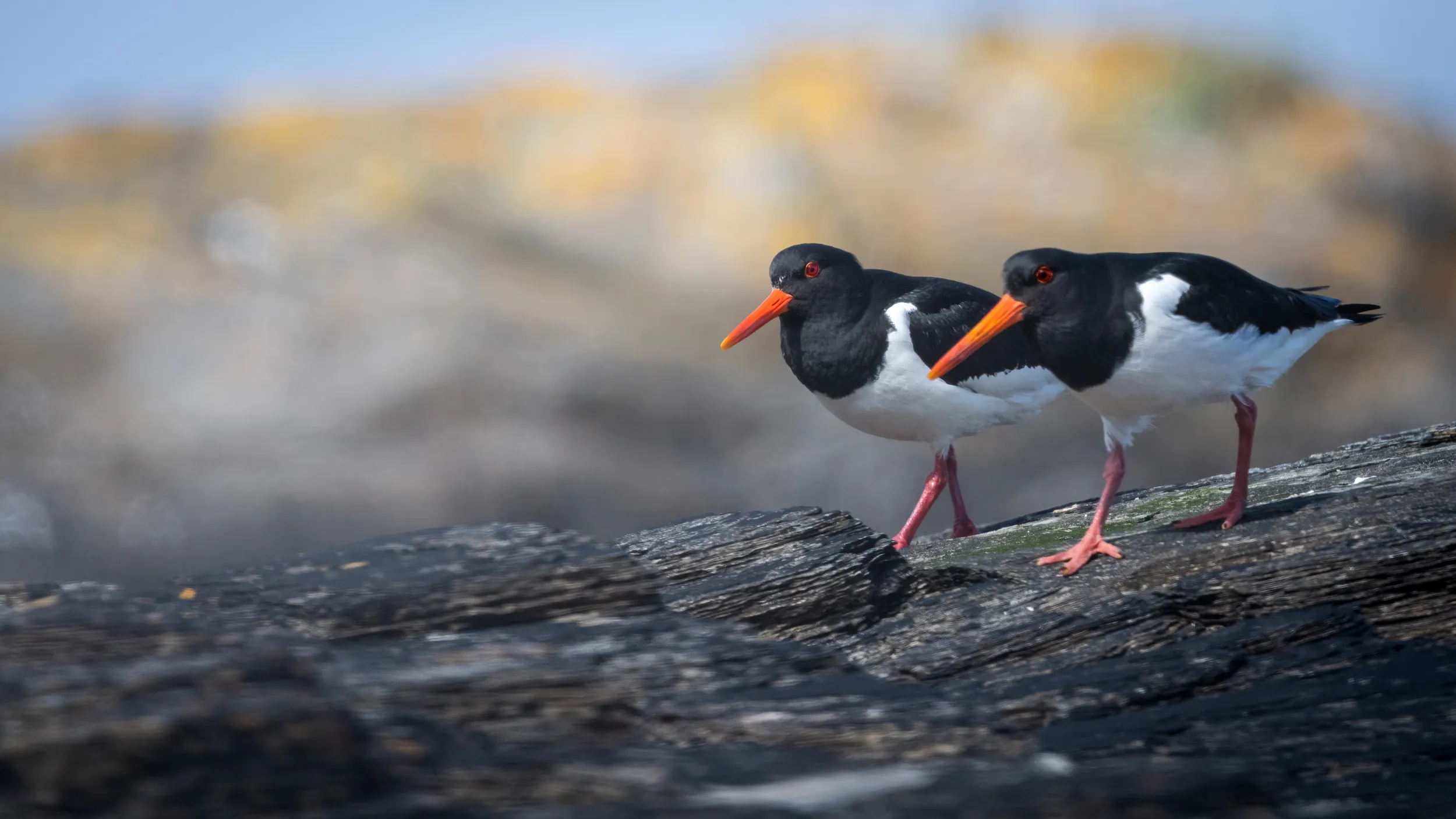
North Plain, Bowness-on-SolwayOpenSee opening timesHead to the shores of the Solway Firth to discover a patchwork of wetland habitats where Wigeons, Teals, Oystercatchers and Curlews thrive.


About
Campfield Marsh is found on the shores of one of the UK’s largest estuaries – the Solway Firth. A rich patchwork of habitats – saltmarsh, peatbogs, farmland and wet grassland – make up this wonderful wetland reserve and provide homes for an array of wildlife. That means wildfowl like ducks and geese in the winter and breeding waders, but also includes dragonflies and peat bog plants in spring and summer.
Scan the saltmarsh at high tide to watch the gatherings of Oystercatchers, Lapwings, Curlews and Dunlin between autumn and spring. Visit in winter to watch thousands of Teal, Wigeon, Pintail and Shoveler feeding on the flooded fields. In summer, head to the peat bog to see dragonflies and damselflies darting over the heather, while lizards scurry across the boardwalk in front of you.
From autumn through winter, the tidal sands are busy with thousands of wading birds. Come spring, migrant warblers set up territories and the gorse bursts into bloom.
We manage the reserve to create the ideal conditions for all the creatures who live here. We care for our peat bog by keeping the water high and allowing peat to accumulate. Grazing helps make our wet grassland ideal for waders and we’re busy extending it by creating ditches and drains on new areas of land.
We’re also converting swathes of semi-improved grassland into arable farmland to support Tree Sparrows, Reed Buntings, Linnets and Skylarks who snack on the seedheads of spent crops.
At a glance
We have 25 spaces.
We have 4 Blue Badge spaces.
Blue Badge spaces can be found at the North Plain visitor centre.
We also have Blue Badge spaces next to the hide for visitors unable to travel the 800 m (0.5 mile) from main car park.
No height restrictions. No lighting. No overnight parking or camping.
Our single, ground level toilet room with hand washing and baby changing facilities is open daily.
Access is via a flat flagged floor in thevisitor centre, immediately adjacent to entrance.
The toilet has rails and emergency alarm cord.
Our baby changing facilities are in the ground level toilet room and are open daily.
A half-mile (800 m) flat surfaced track leads from the car park to the hide.
A half-mile (800 m) flat surfaced track leads from the car park to the hide.
Blue Badge spaces next to our hide for visitors unable to travel the 800 m (0.5 mile) from main car park.
Our single, ground level toilet room with hand washing and baby changing facilities is open daily.
BBQs are a fire risk, endangering other people and the precious wildlife and habitats here. They are not permitted on the reserve at any time.
Dogs welcome at all times, but must remain on public rights of way and under close control. The reserve is managed as a safe home for breeding birds, so please keep dogs on a lead at all times.
This nature reserve is an important place for wildlife.
Assistance dogs are welcome in all parts of the reserve.
See what’s here
Contact Campfield Marsh
campfield.marsh@rspb.org.uk Campfield Marsh, Wigton, Cumbria, CA7 5AG 01697 351330