Days out
Blacktoft Sands
OusefleetClosed | Opens 9:00 amSee opening timesRedbeed rules at Blacktoft and with it comes a wonderful array of waders, wildfowl and birds of prey that swoop overhead.
About
Hiding on the south bank of the River Ouse where the waterway widens into the Humber Estuary, you’ll find Blacktoft Sands. This East Yorkshire nature reserve is a watery wonderland where the reedbed rules. The vast swaying expanse is the largest tidal reedbed in England and home to Marsh Harriers, Bitterns and Bearded Tits.
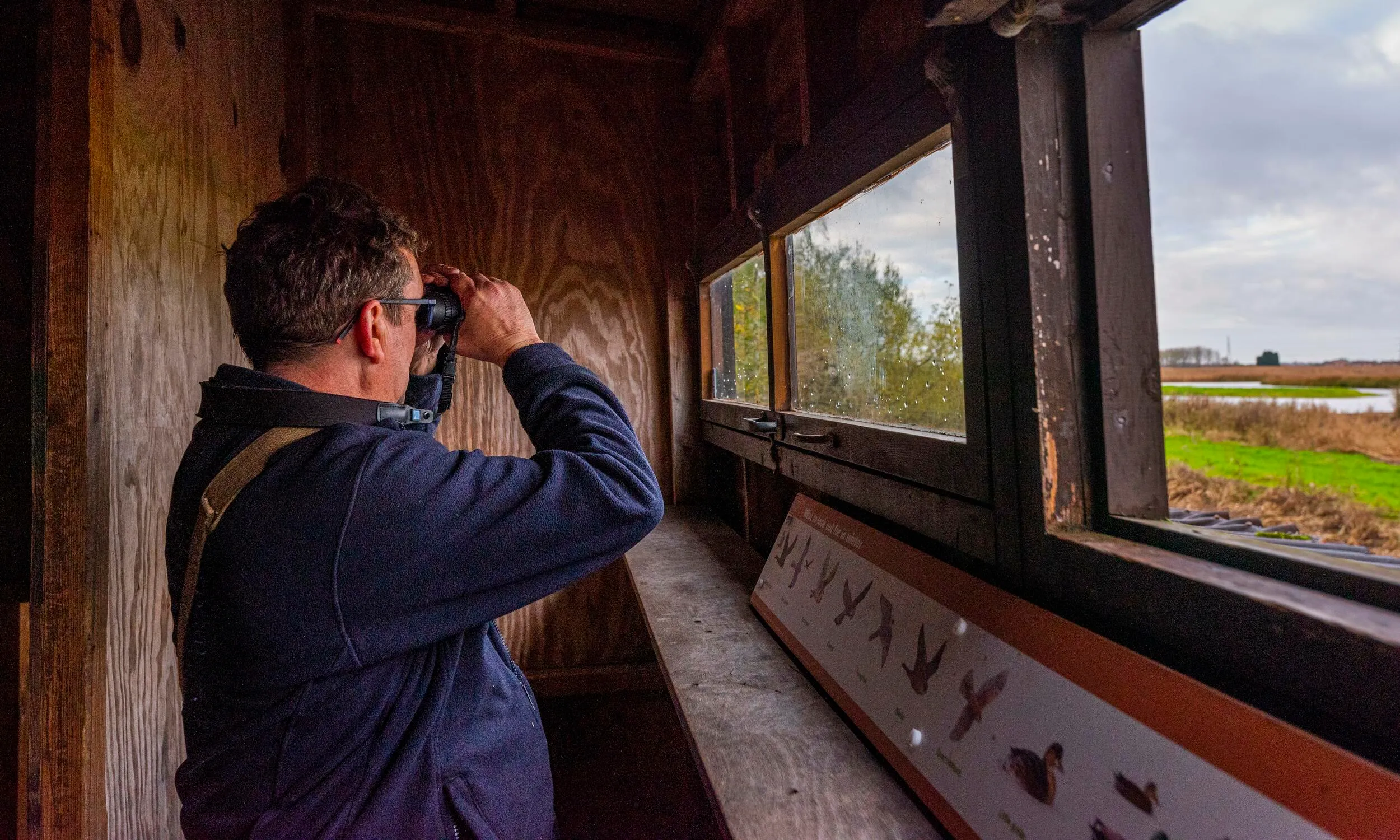
Wildfowl and waders feed and nest in the six shallow lagoons and on the grazing marshland, while hidden mudflats provide safe roosting for Golden Plover and Lapwings. Over in the scrubland between our hides, warblers and a thriving colony of Tree Sparrows dart around.
We look after the habitats at Blacktoft nature reserve to help our wildlife thrive. Our reedbeds, the second largest in the UK, are grazed by ponies and we cut areas back to create a mosaic of reeds at different heights and ages. We also create and maintain pools hidden in the reeds. Inside the reedbeds are several lagoons. These are managed to maintain the ideal conditions for breeding and wintering waterfowl, including up to 40 pairs of Avocets. Migrating birds also stop by in spring and autumn.
Cattle and sheep as well as the ponies roam the 32 acres of grazing marsh. This keeps it in good condition for waterfowl and waders, including large numbers of wintering Lapwings and Golden Plovers.
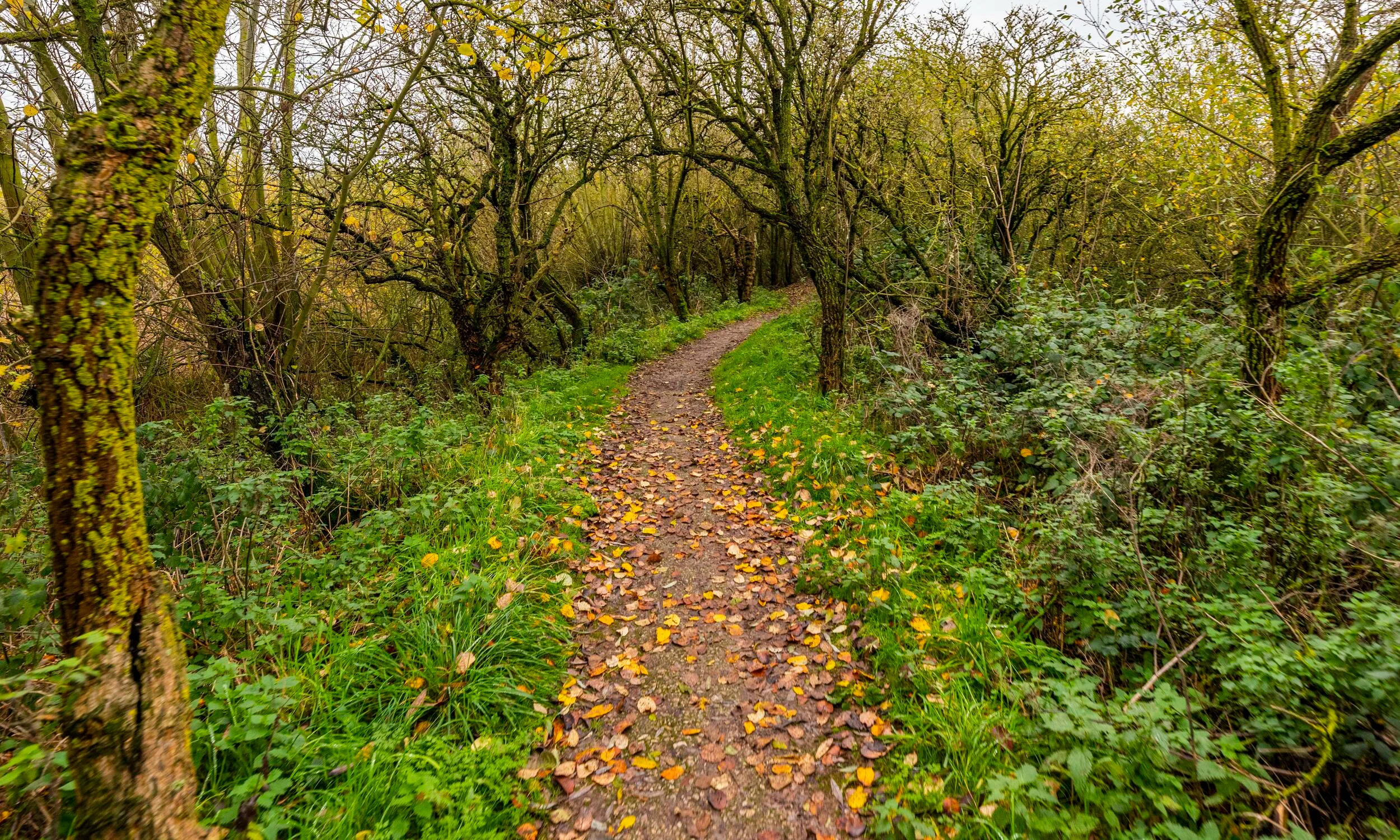
Willow scrub is cut on rotation to keep it just right for birds like Song Thrushes and Tree Sparrows. Cetti’s Warblers have just returned to the reserve, making the most of the area between the scrub and the reedbed.
At a glance
Open daily, 9am-dusk.
Closed and locked outside these hours.
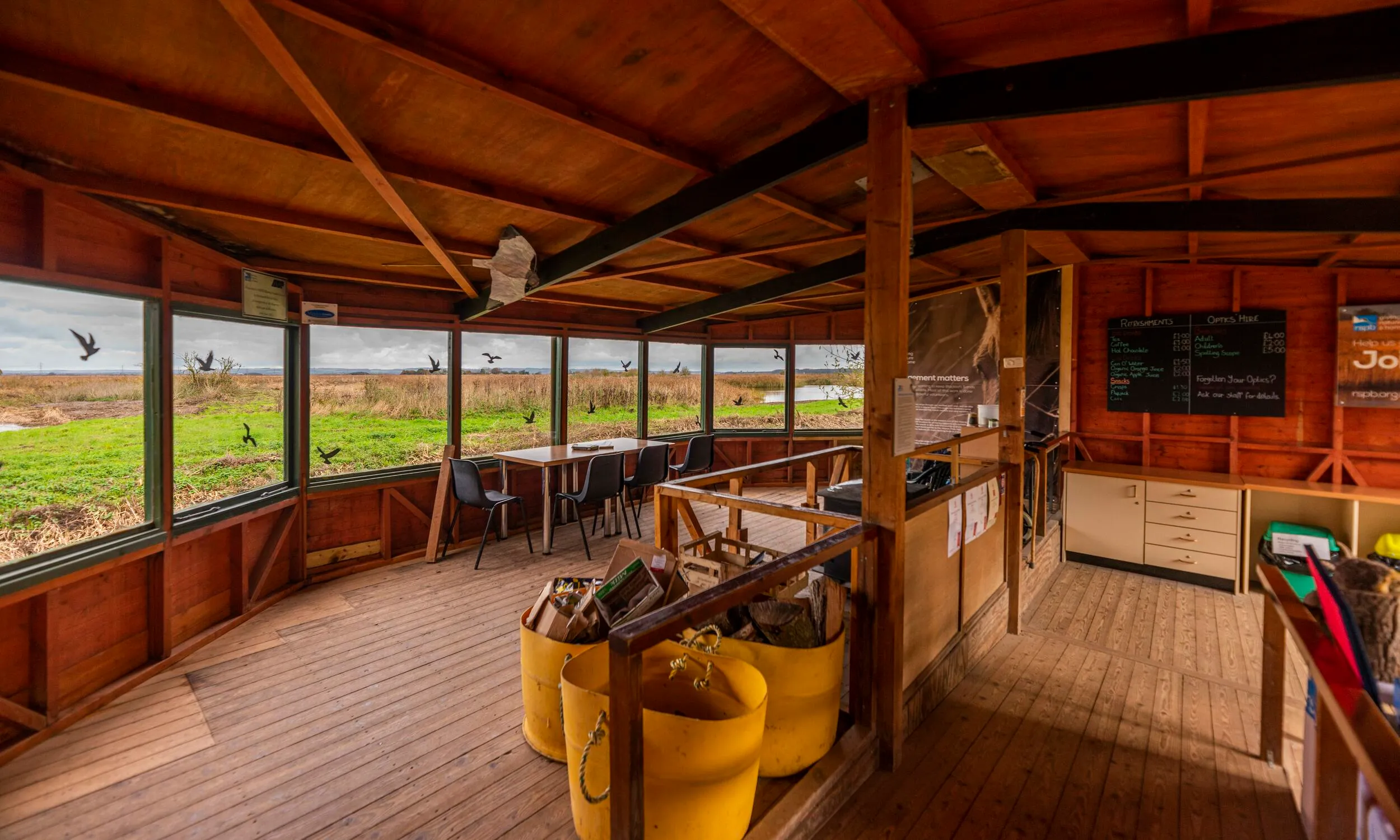
Our accessible spaces are 100m from the reception hut.
Please be respectful of other visitor access, our team and our neighbours by not parking on the road, verges or in gateways, as it causes an obstruction for other road users, contractors and emergency services.
Our accessible toilet is open daily, 9am-dusk.
A unisex accessible toilet is provided in the main toilet block in the car park near the accessible car-parking bays.
Easy to open door.
No electricity, no lighting.
Tile flooring.
Baby Changing
Baby Changing
Pushchair Accessible
Pushchair Accessible
Push-style wheelchair free to hire.
Check accessibility for events and activities.
Our toilets are open daily, 9am-dusk.
They are located next to the car park.
Sorry, dogs are not permitted on the reserve, except assistance dogs, due to the sensitive wildlife and habitats here.
We know that the countryside is a dog walking paradise. It’s important to remember the special surroundings here are wonderful havens for rare wildlife. Even if dogs are very well behaved, wildlife can easily become startled by a dog they perceive as a predator.
Disturbing wildlife does more than simply causing it to move away; it uses up their energy, decreasing their chance of survival regardless of season.
Thank you for protecting the special wildlife by not exercising your dog here.
Dogs die in hot cars, please do not leave your dog in the car when visiting us.
Assistance dogs are welcome in all parts of the reserve.
BBQs are a fire risk, endangering other people and the precious wildlife and habitats here. They are not permitted on the nature reserve at any time.
See what’s here
Contact Blacktoft Sands
blacktoft.sands@rspb.org.uk Blacktoft Sands, Goole, East Riding of Yorkshire, DN14 8HR 01405 704665