
News
Positive step forward for peatlands as ban on burning extended
A huge thank you to our supporters as UK Government extends ban on burning in England’s uplands.
Learn all about the uplands: find out what makes them so special, why they're under threat and how restoring them can help tackle the nature and climate crisis.

Remote, windswept and wonderfully scenic, the uplands are some of the UK’s most iconic landscapes – but they aren’t as wild as they might seem. Find out why these special places are under pressure and how habitat restoration will benefit nature, people and the planet.
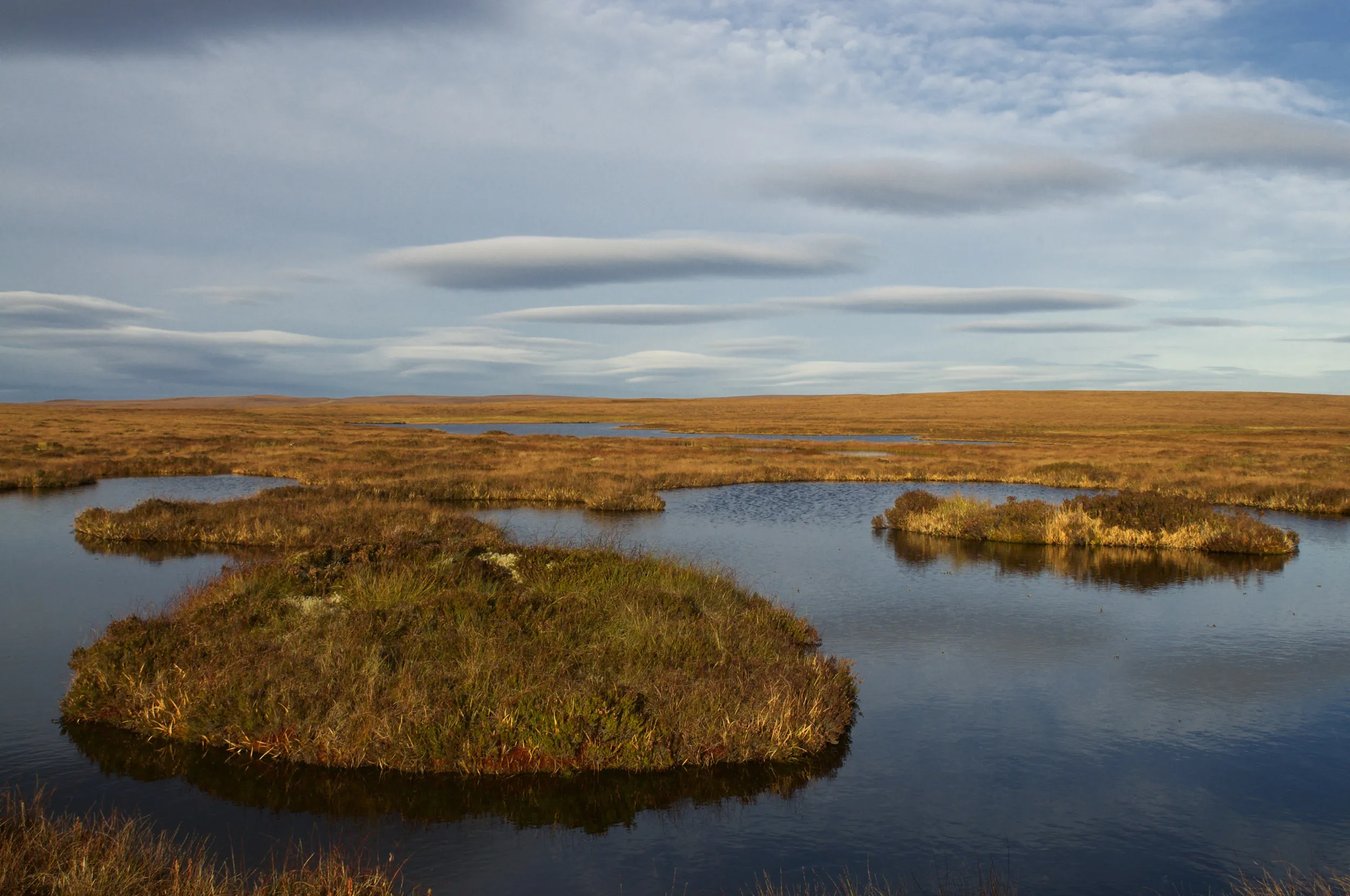
The hills, dales, moors and mountains of the UK’s uplands are some of our most spectacular landscapes. They’re found across the UK and are made up of a range of different habitats, including peatlands, heathlands, woodlands and wetlands, which are home to an array of special wildlife, from tiny insect-eating sundews to magnificent Golden Eagles.
As well as being important places for wildlife, the uplands are vital for people too – helping to reduce flooding, store climate-warming carbon and provide clean drinking water. In fact, 43% of the UK population relies on drinking water sourced from peatlands, and the UK’s peatlands can store more carbon than all of the forests combined!
Each year, millions of people choose to visit the uplands, especially those areas protected as National Parks and National Landscapes, benefiting from the physical and mental health benefits that time spent in nature can bring. These rugged and windswept landscapes have even inspired some of our best-loved works of art and literature, including Emily Brontë’s famous novel Wuthering Heights.
…the pleasantest manner of spending a hot July day was lying from morning till evening on a bank of heath in the middle of the moors, with the bees humming dreamily about among the bloom, and the larks singing high up overhead…"
- From Wuthering Heights by Emily Brontë

From craggy mountain peaks to ancient forests and flower-filled meadows, the UK’s upland landscapes are made up of a patchwork of different habitats. Find out more about these special places – and the species that call them home – in our handy guide.
It’s clear that the uplands are incredibly important for nature, people and the planet, but all is not well in these special places. Historic woodland clearance, wetland drainage, overgrazing and industrial-scale management for shooting have all taken their toll on the uplands, and the warming climate is piling on yet more pressure.
For these landscapes to meet their true potential, things need to change.

The RSPB’s work in the uplands is as diverse as the habitats we want to protect. Right across the UK we’re working alongside farmers, moorland communities and other partners to manage the land in a nature-friendly way, save threatened species and deliver a sustainable future for the uplands and all their inhabitants.
For example, we’ve joined forces with water companies to re-wet blanket bog at Lake Vyrnwy in Wales, the Garron Plateau in Northern Ireland and Dove Stone in England, and we’re part of a huge partnership project to restore historic woodlands in Scotland’s Cairngorms. Elsewhere in Scotland, we’ve removed inappropriately planted trees at Forsinard Flows to restore huge areas of blanket bog – work which has contributed to the Flow Country recently being awarded World Heritage Site status, joining the likes of the Great Barrier Reef and Grand Canyon.
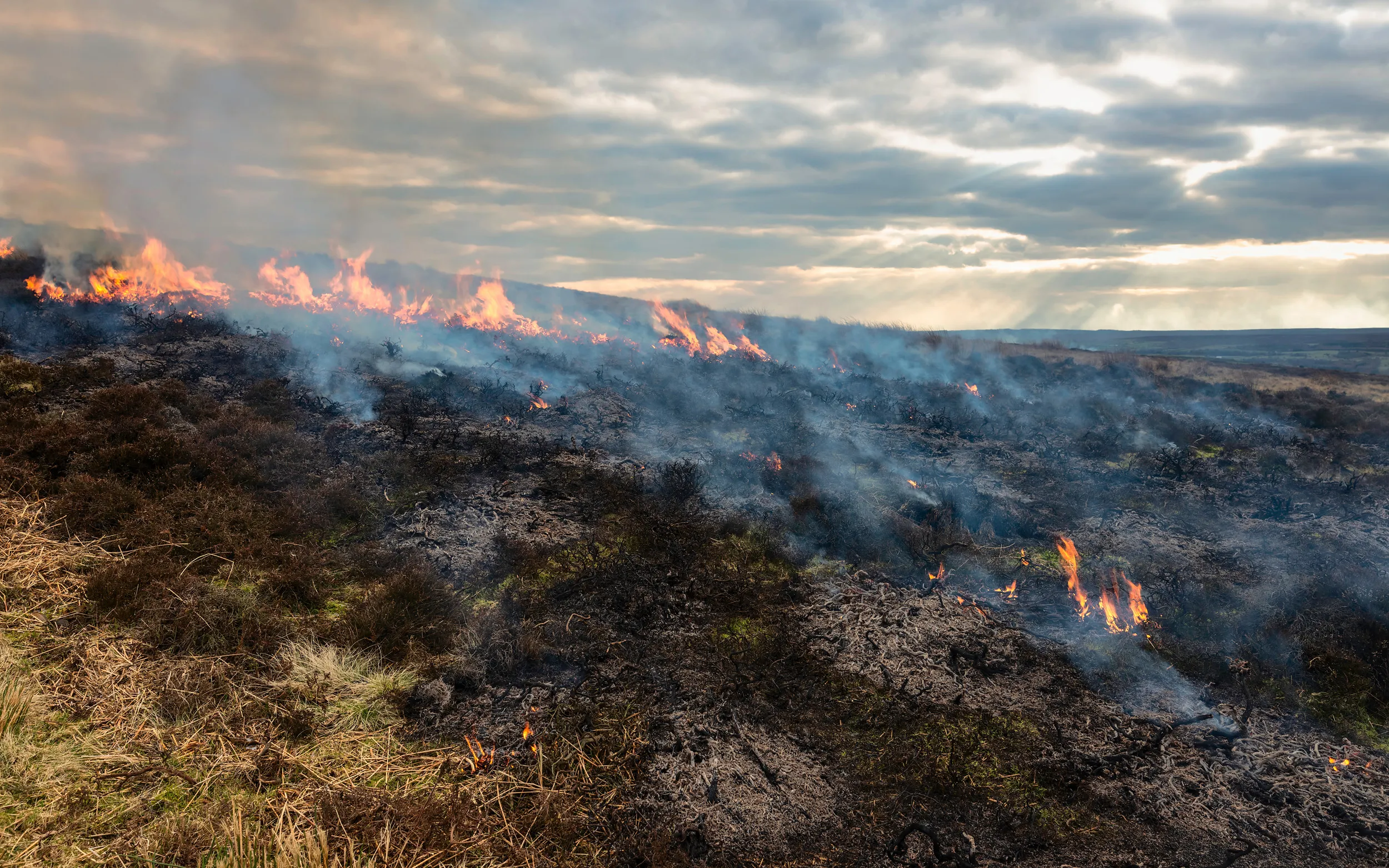
We’ve also spent decades campaigning for legislation to promote environmentally sustainable land management practices – and these efforts have paid off in Scotland, with the passing of the Wildlife Management and Muirburn (Scotland) Act in 2024. This new law introduces new regulations to licence grouse shooting and the associated burning of heather and grass (muirburn), with provision to withdraw or withhold licences where the law is shown to have been breached. While this was a big win for nature, there’s still much more to do, and we will be pushing for similar legislation to be introduced in England.
With your continued support, we can restore these landscapes to their former glory and ensure that they are delivering benefits for people, nature and the climate.




.jpg)


.4881454724427868892.jpg)