
Wing Tips
Brilliant birds, month by month: what to see and where to go.
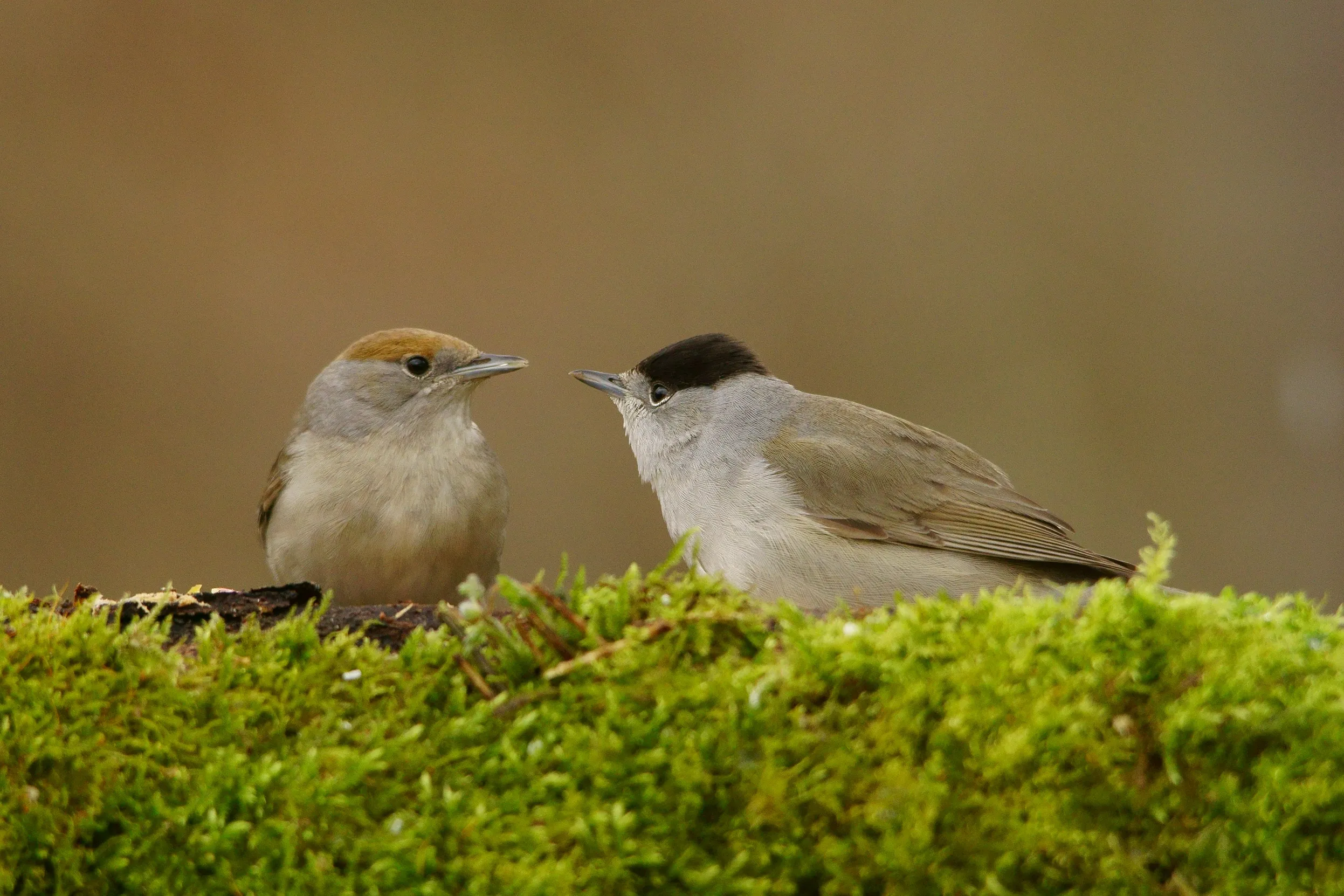


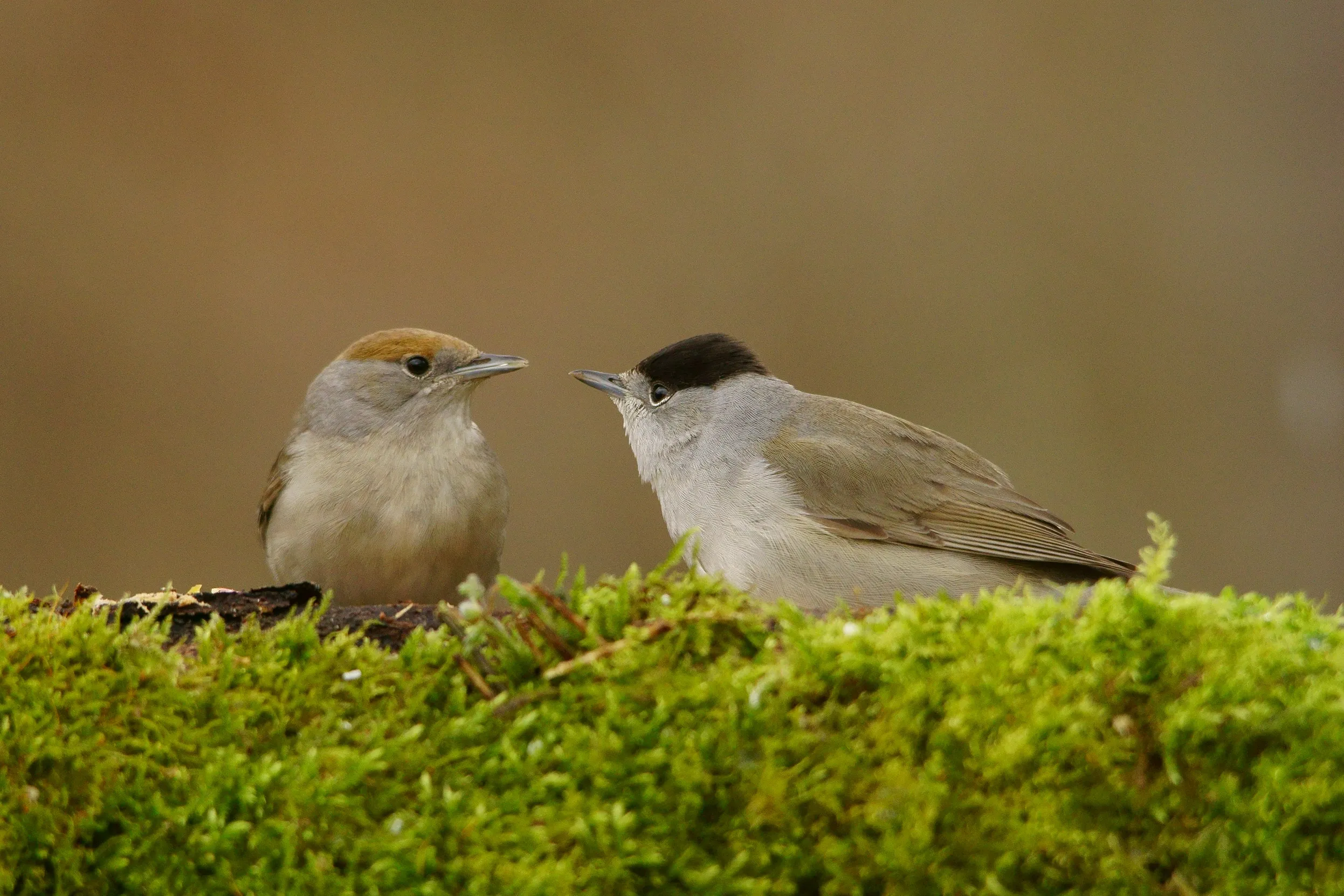
Blackcaps are currently Green-listed, with far more around than back in the 1970s.
Blackcaps are best looked for in woodland, parks and gardens with plenty of trees and shrubs. In winter will readily come into gardens.

They’re greyish birds, and only the males have a black head, but that unremarkable appearance hides a big secret. The best thing about Blackcaps is their wonderful warbling song, which even gives the Nightingale a run for its money.
They used to be a traditional summer migrant, arriving in our shores from this month onwards. But things are changing! You can increasingly see them here in winter, too. The ones that breed here over the summer tend to head back to the Mediterranean to spend the winter. And the Blackcaps that winter here are generally from a central European population, especially from Germany. That group comes here to feast on autumn berries and fruits. But don’t cross them – they’ve got a bit of a reputation for getting in a bit of a strop when it comes to food, and will happily shoo other birds away from feeders!
A scratchy song that has earnt this warbler the nickname of the ‘northern nightingale’. It’s a fluty tune, almost like a Blackbird – but the Blackcap races its way through to the end as opposed to the Blackbird’s ambling approach. Starting off quite quiet, the Blackcap begins to belt out as the tune reaches its crescendo.
We’re now seeing Blackcaps in our gardens all year round. You’ll often hear Blackcap’s song exploding from dense undergrowth long before you catch sight of the perpetrator. Keep an ear out as your approach areas of brambles and nettles.
Brilliant birds, month by month: what to see and where to go.