The latest from the RSPB
-
![Montagu's harrier perched on a rock in a field]()
Look out for mighty visitors: migratory raptors
Look up! The big birds are back in town. Discover the migratory birds of prey that fly to the UK each spring to nest and raise their chicks. From far-flung falcons to ocean-crossing ospreys we have our fair share of roving raptors to keep an eye out for. Have you seen any this year?
-
![People' Plan for Nature project title graphic, showing golden sinlight falling on lush greenery surrounding a lake, with cut out images of]()
Our response to The People's Plan For Nature
The people have spoken. Now, it's time for businesses, communities, farmers, governments, organisations and charities to take action. Nature can’t wait any longer. So this is how the RSPB, the National Trust and the WWF-UK plan to act.
-
![Sandeels swimming in a cluster]()
How a little fish could benefit us all
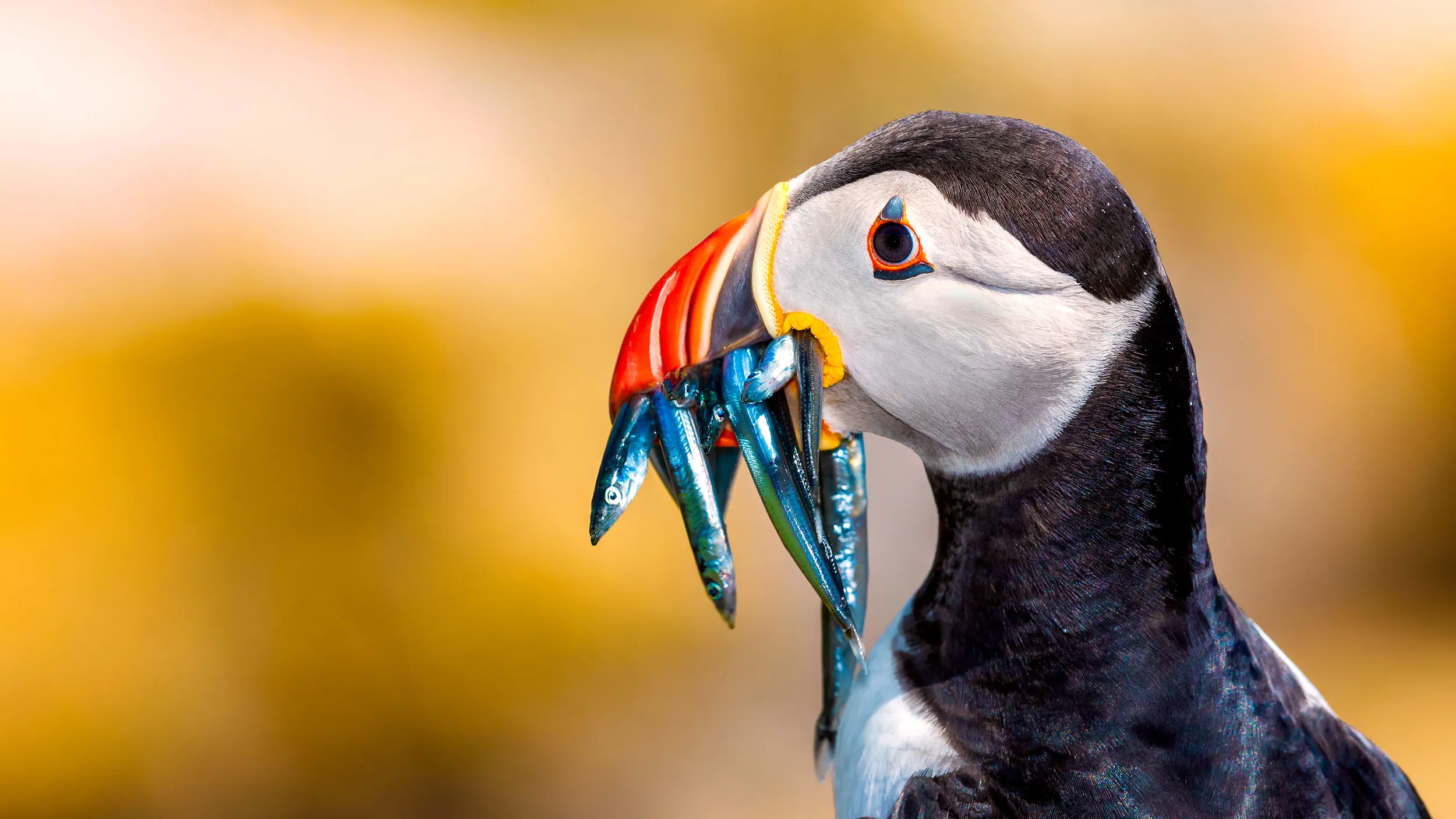
For decades, we’ve campaigned for a ban on industrial trawling for sandeels in UK seas and now, we’re one step closer to securing it. But what would a ban actually mean? And why will it be a vital lifeline for UK seabirds and other marine life? Come with us and discover the wonderful world of sandeels.
More from the RSPB
-
![Person in full PPE collects Avian flu victims on the beach]()
Read the latest on avian flu
Right now, avian flu is killing vulnerable and rare wild birds across the UK and worldwide. The disease has spread from Scotland, around England's coasts, reaching Cornwall and the Isles of Scilly, as well as Wales and Northern Ireland - keep up with the latest here.
-
![Parent swallow feeds two swallow fledglings, which stand on a gate]()
Swift, swallow or martin?
Swifts, swallows, house martins and sand martins are all summer migrants, flying in from Africa to raise their young and feast on insects snatched from the sky. Use our handy ID guide below and you’ll soon know your swifts from your swallows.
-
![Asian hornet in extreme close up]()
Asian hornets - what you need to know
The Asian hornet is a significant predator of bees. Along with other nature conservation organisations, we're concerned about the impact this non-native species could have on our essential pollinaters in the UK. Find out how to identify them and report a sighting.
Feeling inspired?
-
![Red tractor giving people a trailer ride at Hope Farm Open Sunday]()
Become a farmer for a day
Open farm Sunday is on the 11th June at RSPB Hope Farm, meaning you can explore our nature-friendly farm for free. Enjoy tractor rides, sheep in the stables, and lots of farmland wildlife. Or try a bee walk, butterfly expedition and so much more. We’ll see you there!
-
![A young girl insect hunting alongside an RSPB volunteer]()
Do you want to make a bigger impact?
Over 12,000 people already volunteer for the RSPB, why not join them? There are many ways you can get involved with our work, find an opportunity that suits you.
-
![A wooden sign saying 'wildflower lawn' sits among flowers and long grass]()
No Mow May is back!
Let your lawn grow long and create a mini jungle for bees, butterflies, beetles and more. The grasses will set seed, wildflowers can bloom and provide nectar, and the longer stems will create a sheltered microclimate. You’ll be amazed at what can pop up out of nowhere.