
Farming matters
Scottish farming policy must work better for farmers, nature and climate
The Farming Matters report reveals the current funding system is not fit for purpose.

A new report, Farming Matters published by RSPB Scotland, sets out a clear case for reforming Scotland’s agricultural policy and funding framework. The report illustrates that while farmers and crofters are central to solving some of the country’s biggest challenges, the current system is not giving them the tools or support they need to succeed.
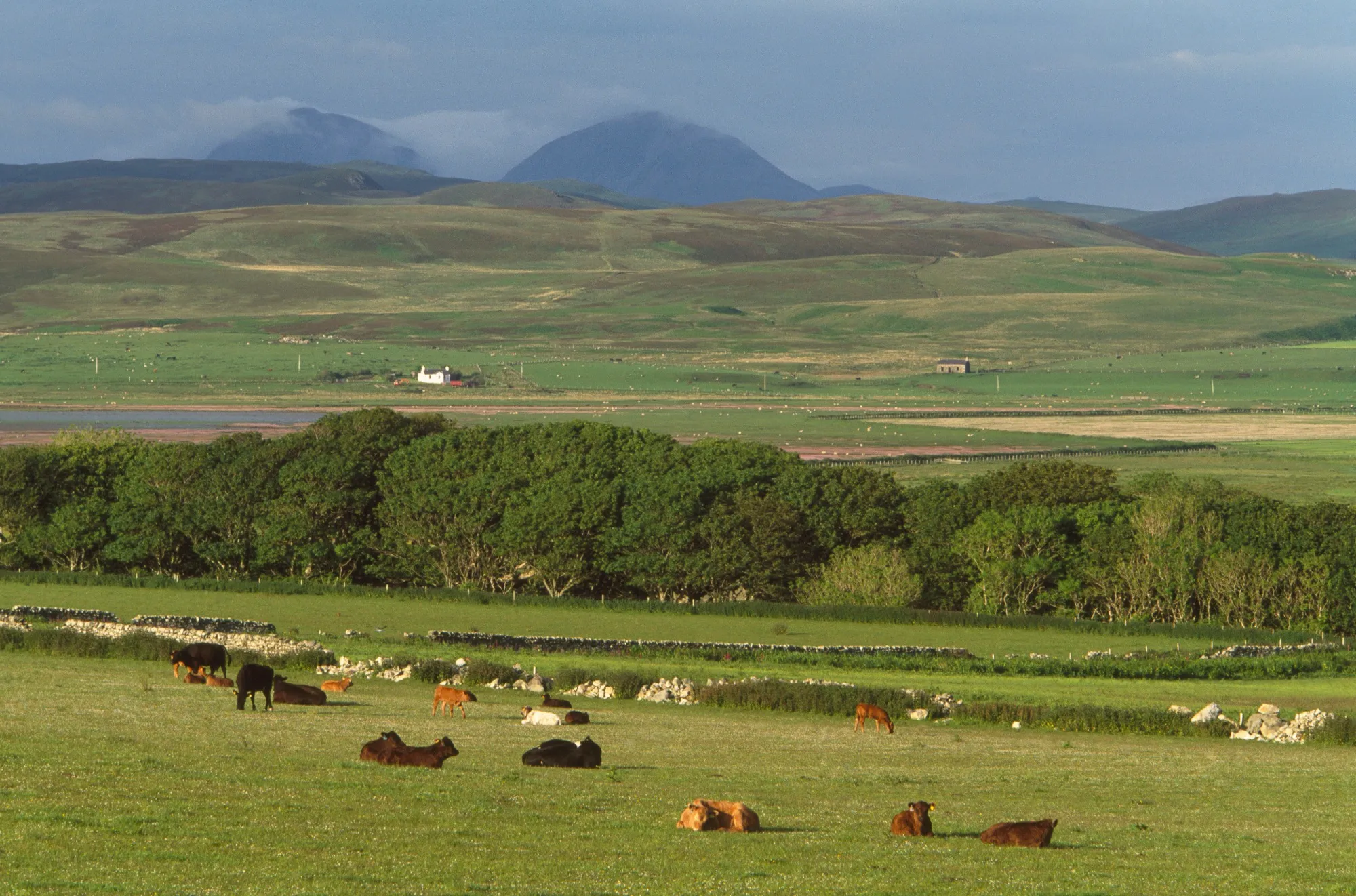
Farming and crofting sit at the heart of Scotland’s economy, rural communities and environment. Covering around 70% of the country’s land, agriculture plays a critical role in producing food, supporting livelihoods, and shaping Scotland’s landscapes and wildlife.
The sector is also on the frontline of the climate and nature emergencies. Farmers and crofters are increasingly being asked to balance food production with reducing emissions, restoring nature and building resilience to climate change.
The Farming Matters report highlights that these demands are both necessary and achievable – but only with the right support from the Scottish Government.
The Scottish Government currently invests around £677 million of public money each year in farming and crofting. However, the majority of this funding is not delivering the outcomes Scotland needs.
Approximately 80% of the budget is still spent on direct payments – largely based on how much land is farmed – rather than on actions that deliver for nature, climate or long-term resilience.
At the same time, schemes that are proven to deliver for nature and climate – such as the Agri-Environment Climate Scheme and advisory services – remain significantly underfunded, receiving only a 3.8% share of the overall budget.
.jpg)
Importantly, our report does not call for less investment in farming. Instead, it argues for a smarter, more effective use of public money that supports farmers and crofters as partners in delivering national priorities.
Government support should seek to maximise all positive outcomes: The current approach prioritises stability for the industry over the delivery of positive outcomes for public good, like nature and climate.
The farming budget needs to increase – Farming and crofting can make a significant contribution to delivering government priorities. A reformed support framework will justify increased expenditure, as it will be better able to demonstrate good value for money.
Multi-year frameworks are useful - Providing long-term clarity and a managed transition to help farmers plan ahead with confidence.

Together, these changes would create a more flexible, fair and effective system – one that empowers farmers to deliver for both their businesses and the wider public interest.
.jpg)
The report emphasises that farmers and crofters are not the problem. Many are already taking action to support nature and reduce emissions, often in difficult economic conditions.
Instead, it argues that the policy framework itself is holding back progress.
With climate change intensifying and biodiversity continuing to decline, the report warns that incremental tweaks to the current system will not be enough.
RSPB Scotland is calling for a more open and constructive conversation about the future of farming support – one that brings together farmers, policymakers, environmental organisations and the public.
The decisions taken in the coming years will shape Scotland’s landscapes, food systems and rural communities for decades to come. A reformed approach to farm support – focused on partnership, outcomes and long-term resilience – can help ensure that Scotland delivers for farmers, for nature and for the climate.
Scottish farming policy must work better for farmers, nature and climate