Nature Recovery in England
Here we provide a short summary for the National Estate for Nature, outlining the RSPB’s approach and ambitions to restore nature.
RSPB England Director Michael Copleston looks at what it takes to reverse declines and drive nature’s recovery.


On the one hand, the situation we face is dire. One in six species face extinction in Great Britain. We’ve lost many millions of birds from our skies over my lifetime. You can be hard pushed to hear a Cuckoo or a Turtle Dove, and even once common species like House Martins have declined so much that they are now Red listed on the UK Birds of Conservation Concern.
Yet on the other hand, I can’t let go of the ever-hopeful stories of seeing Red Kites return, Bitterns booming across England’s wetlands in far greater numbers than imaginable a few decades ago. And to really make your heart sing, consider how targeted conservation work has turned Lundy Island into one of England’s largest seabird colonies, even boosting Puffin numbers from just 13 in 2000 to 1,335 by 2023.
One thing I can say with absolute confidence, is that without the work of environmental NGOs such as the RSPB, the Wildlife Trusts and the National Trust, we would be in an even worse state. We’ve halted declines, boosted species numbers, and our collective nature reserves remain vital havens for wildlife, particularly for very rare and threatened species.

As such, the National Estate for Nature group provides a real opportunity for harnessing the ambitions and experience of those NGOs already working in partnership and at scale to restore nature and drive the environmental improvements that will benefit us all, from clean water to healthy soils.
Launched in 2025, the National Estate for Nature group brings together England's most significant landholders from across the public, private and third sectors. The group’s aim is to drive nature’s recovery and meet national targets for nature, including restoring 30% of England’s land, freshwater and seas so that they are effectively protected and managed for the benefit of wildlife by 2030 – often called 30 by 30.
During my time at the RSPB, I’ve often witnessed the power of partnerships, with this approach behind some of our biggest achievements. Our work at RSPB Langford Lowfields, for example, is an award-winning restoration project with Tarmac in the Trent Valley. Or consider the huge innovation at RSPB Wallasea Island, where we worked with Crossrail on the UK’s largest coastal wetland creation project and a premier coastal adaptation within the European Rewilding network.
So, it’s great for the RSPB to be part of the National Estate for Nature group. Collectively, the group manages 10% of England’s land, and with all members sharing a positive commitment to leading the way towards 30 by 30 and our other national environmental targets, the impact for nature could be game-changing.
The more land across England supporting nature friendly farming or delivering targeted species recovery projects, the better our ability to tackle nature’s decline and the better chance we have of building a resilient, protected network for nature.

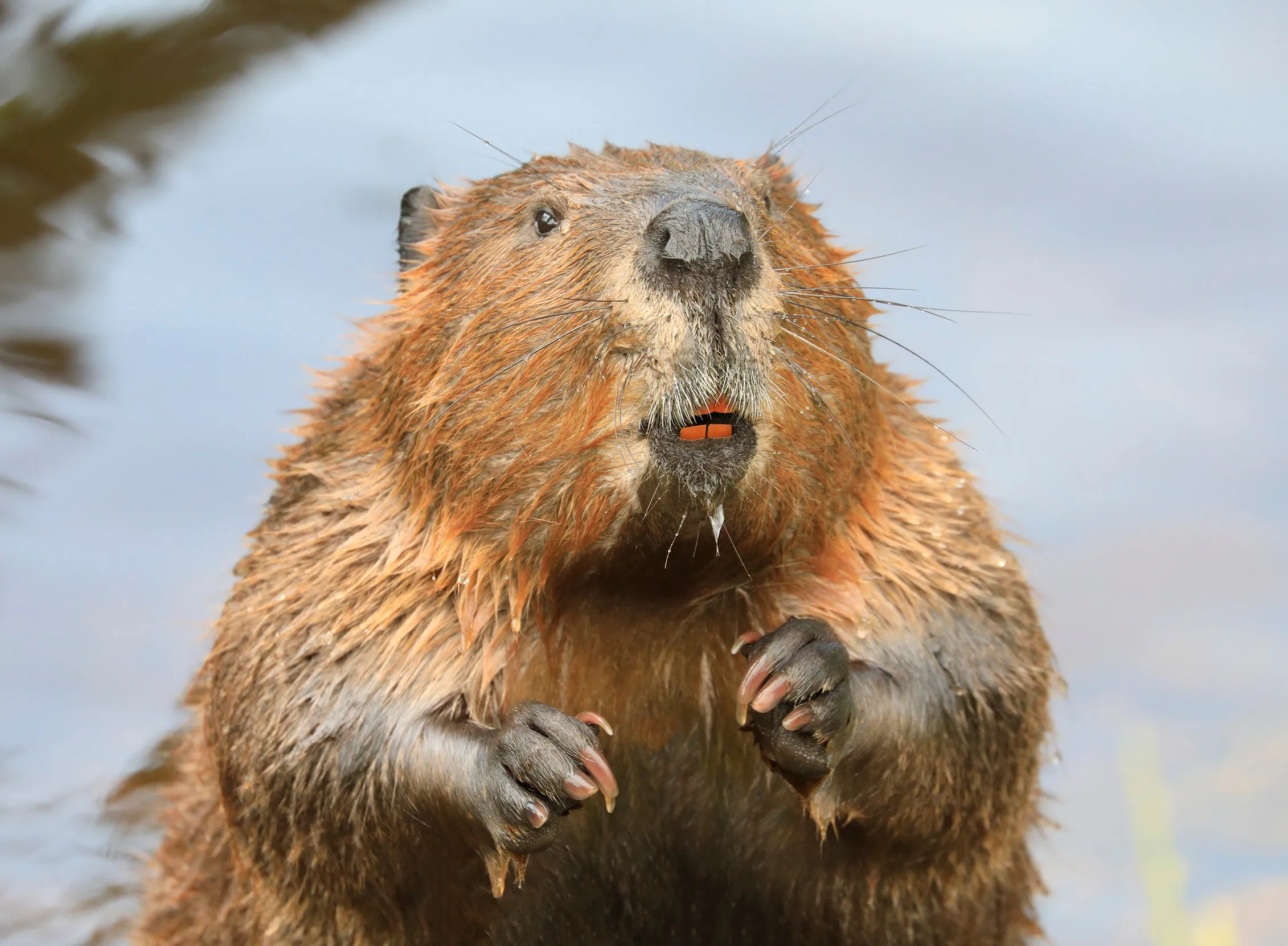
Within the group, there is a variety of players all with their own philosophies. The fantastic rise of private estates leading incredible nature recovery, such as at Holkham Estate or the Clinton Devon Estate shows how farming and nature can go hand in hand. At Holkham, Spoonbills flourish, while at Clinton Devon Beavers have made a welcome return.
Likewise, the expansion of Lawton principles (which call for more, bigger, better, and more connected areas for nature) and natural processes on parts of the Forestry England estate, and examples of species recovery projects on Church Commission land are all to be celebrated as the art of the possible.
All these examples are from National Estate for Nature representatives, and through close working with DEFRA, the National Estate for Nature group is helping to give civil servants and government ministers a clearer picture of what’s needed to achieve measurable outcomes for nature.
I’ll not back away from the scale of the challenge. Achieving 30 by 30, and supporting nature across the wider 70% too, will take a major shift in the way not just thousands but millions of hectares of land in England are managed and protected. But the principles of what to do and where you can do it are already there.
A decade ago, we lacked a Land Use Framework and the concept of natural capital was only getting out of the starting blocks. Today we have Landscape Recovery Schemes to unlock ‘at scale’ funding to go with the political will for restoring nature.
At the RSPB a team of us has pulled together why we think this matters and how we at the RSPB can make our biggest contributions, and indeed we’ve shared that with the National Estate for Nature.
We think the 30% target for land to be effectively protected and well managed for nature in the long term is absolutely the right ambition, supported and connected by nature-friendly measures across the wider 70%, and underpinned by sound evidence of what is required for resilience in the environment we rely on. And we believe it’s essential to have a road map in place to achieve it.
Here we provide a short summary for the National Estate for Nature, outlining the RSPB’s approach and ambitions to restore nature.
The RSPB is set up to deliver large-scale nature restoration projects and land management with a legacy for habitats and species resilience, protected over the long-term. This means we understand that, while 30 by 30 is about identifying and protecting our most important places for nature and providing the conditions for it to thrive, people have much to benefit too.
By investing in nature, we're investing in well-designed nature-based solutions to society's problems. These can reduce flood risk, improve water quality and benefit community mental and physical health and wellbeing, all while creating jobs, providing opportunities for volunteering and green tourism, stimulating local and regional economic benefits, and delivering statutory responsibilities for designated habitats and landscapes.
Alongside these benefits, these protected areas provide critical biodiversity outcomes and support climate regulation, adaptation and resilience.
With all this at stake, achieving 30 by 30 really should be a win for all.
However, to achieve all this will take time, money, effort, partnerships, innovation and courage. Each member of the National Estate for Nature Group needs to hold themselves and each other to account, and the Office for Environmental Protection also has a role to play. We should celebrate the successes, as well as learn from any setbacks.
There is also a role for us all in making sure our politicians act for nature. Wherever possible, ask your elected representative what they know about the National Estate for Nature and how they can support 30 by 30 commitments in their constituencies.

I’ll leave you with a few points of hope that show the power of big picture thinking and well-designed effort.
A decade ago, some conservationists suggested the Turtle Dove was virtually doomed, sailing into an inevitable extinction. But here we are today, with Turtle Doves facing a much more positive future. Thanks to innovative work with our Birdlife partners, hunting pressures along the birds’ migratory routes are reduced, while here in the UK, hundreds of individual farmers and landowners are supporting science-led feed plots and habitat management. Already there are some positive signs of recovery in response to these two critical actions.
I’d love to hear Turtle Doves again where I live and walk locally, and for sure I’d love my children to see them as part of their countryside in decades to come.
National Estate for Nature offer a huge opportunity to make a lasting difference for birds and other wildlife in England. Here at the RSPB, we’ll make our very best contributions to working with and amongst others, and we hope the National Estate for Nature can go from strength to strength.
In my opinion, nature would welcome that too.

I lead a brilliant team working for nature across policy, fundraising and engagement, together with ‘delivery on the ground’ through our incredible nature reserves such as Ham Wall, Sherwood Forest and Bempton Cliffs. I love seeing recovery of nature that blends people power with science, and believe we are at our very best when building powerful partnerships at scale.