.jpg)
Visit RSPB Balranald
Found on the beautiful Scottish island of North Uist, this Hebridean wildlife haven is a fantastic place to learn about traditional crofting agriculture.
On North Uist in the Outer Hebrides, RSPB Balranald nature reserve, a remarkable wildlife haven, is marking its 60th anniversary.
5 min read
RSPB Balranald, on North Uist in the Outer Hebrides, marks its 60th anniversary this year. Made up of four crofting townships, Balranald was one of the first reserves to be designated by the RSPB in Scotland in 1966. With some help from a local doctor, the RSPB and the local crofters came together to work the land to benefit locals and nature. This was to be a very different reserve to any of the others in Scotland because the RSPB would work with crofters rather than own the reserve.
That collaborative approach continues to define Balranald today. Crofters manage the land to benefit both people and wildlife, particularly the iconic Corncrake. Practices such as planting arable crops, winter cattle grazing, using seaweed as fertiliser and rotating fields are all key, and field cutting is delayed until after 1 August to give ground-nesting birds time to raise their young.
Balranald’s rich mosaic of habitats - such as machair, dunes, lochs, crofting land and shoreline - provides food, good breeding areas and shelter for a wide range of species. The Corncrake remains a priority, with 30 singing males recorded in 2025 - a significant rise from just 12 pairs in 1982.
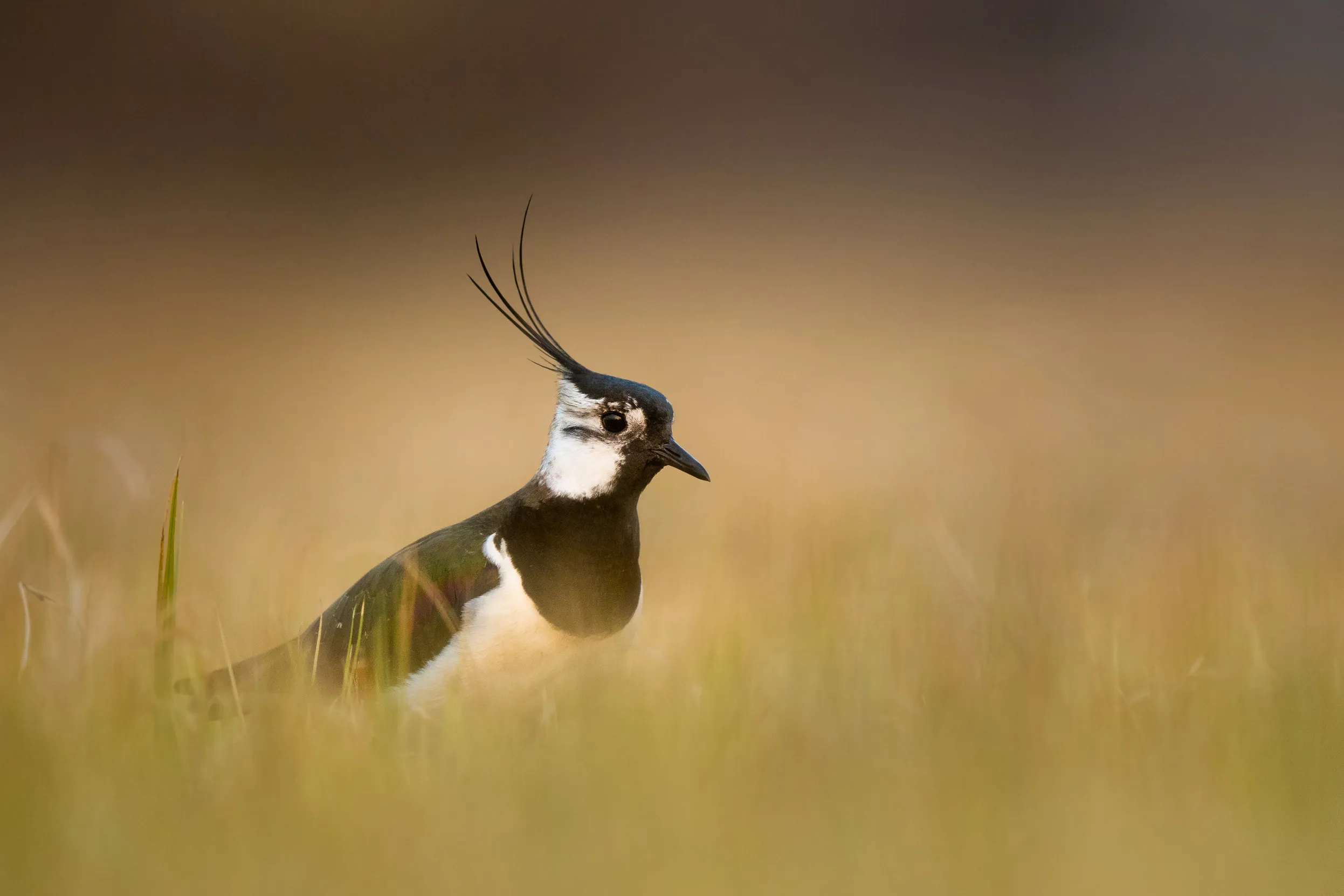
The reserve is also extremely important for its density of waders, especially those that breed on the reserve. Oystercatchers are thriving despite wider UK declines, and Balranald continues to support good numbers of Dunlin, Redshank, Ringed Plover and Lapwing. Lapwings have become a favourite to see at Balranald due to their numbers decreasing in other areas of the UK.
In recent years, a new species has started appearing at Balranald. The Short-necked Oil Beetle was first recorded here in 2022, and by 2025 surveys counted up to 86 individuals. Found in wildflower-rich machair and sand dune habitat, this striking species depends on solitary bees, like the Northern Colletes mining bee, to complete its life cycle. Sensitive to changes in land management, it is also a good indicator of the reserve’s health.
At the same time, Pyramidal Orchids have become more widespread across the reserve, supporting growing numbers of Northern Colletes mining bees. This in turn benefits the oil beetle, highlighting the intricate connections that underpin Balranald’s thriving ecosystem.
To help visitors enjoy the reserve responsibly, the Bi Glic / Be Wise campaign encourages people to explore while protecting sensitive wildlife. With signage, leaflets, an animation and a soon-to-launch soundwalk, visitors can discover Balranald’s wildlife while minimising disturbance.
As part of the soundwalk project, pupils from Sgoil Uibhist a Tuath have been learning about the reserve, its birds and Gaelic traditions, bringing together nature, language and community.

60 years on, Balranald continues to show how people and nature can thrive together. The partnership with crofters continues to sustain a landscape where wildlife can thrive, while supporting a way of life rooted in the machair.
With ongoing care, community involvement and a shared commitment to conservation, Balranald is well placed to support its special species for generations to come.
Found on the beautiful Scottish island of North Uist, this Hebridean wildlife haven is a fantastic place to learn about traditional crofting agriculture.


