Life on Coquet Island: Meet the Reserve Manager protecting the UK's rarest seabirds
We hear from Sarah Dalrymple, the island’s first female Reserve Manager.

On this page
- Can you tell us about your background and how it prepared you for this role?
- Why did you want to take on the role of reserve manager?
- How many staff are working on the island and what are their roles?
- What are your ambitions for Coquet Island?
- What are the biggest challenges you anticipate for the island?
- What's a typical day living on the island?
- What species are you most excited about protecting?
- What role do volunteers play, and how can people get involved?
- And finally – what's your favourite bird species on the island?
- Find out more
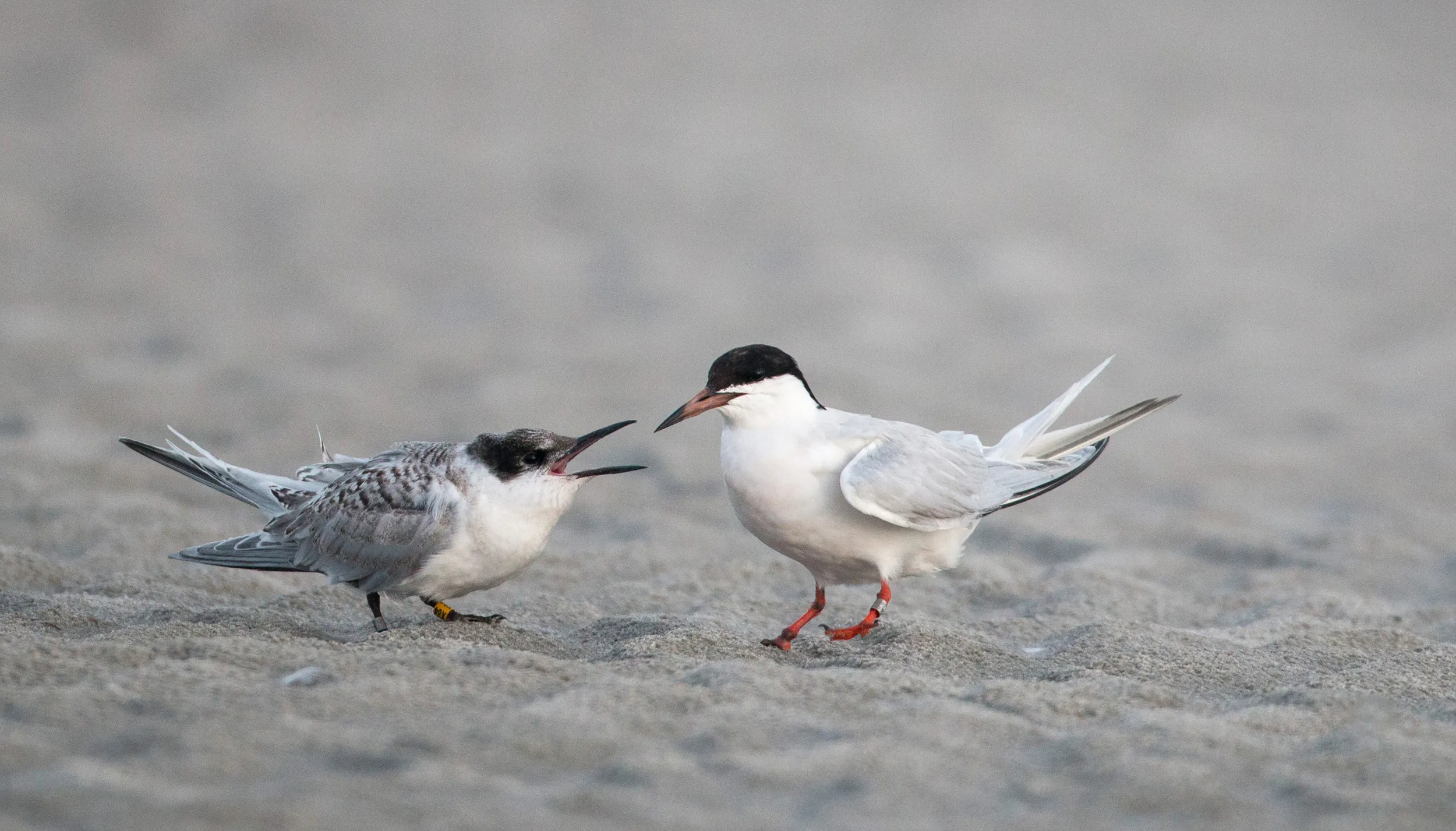
Just a mile off the Northumberland coast, Coquet Island is one of the most important seabird sanctuaries in the UK. Home to around 40,000 breeding seabirds, it's the only place in the country where Roseate Terns nest - and because of that, it's a dedicated wildlife sanctuary, closed to the public and watched over year-round by a small, dedicated team of wardens.
Sarah Dalrymple is the island's new RSPB reserve manager, six months into the role, we caught up with her to find out what life is really like on one of the UK's most extraordinary nature reserves.

Can you tell us about your background and how it prepared you for this role?
I've volunteered in conservation since I was a teenager, and my first job after leaving university was as a Little Tern Ranger at Beadnell Bay. In the years following, I've worked in ecology and conservation jobs all across the UK and abroad, but with a focus on the coasts and seabirds around the British Isles.
Why did you want to take on the role of reserve manager?
I can't imagine not living and working by the sea. Northumberland, especially its stunning coast, is a very special place and I always wanted to come back to live and work here. Coquet Island is an incredible place and I consider myself very lucky to be able to work here.
How many staff are working on the island and what are their roles?
My role involves managing a team of one warden and two seasonal assistant wardens. During the very busy bird seasons the four of us work on the island, monitoring and protecting the site, while for the rest of the year myself, the warden and our volunteers work hard at maintenance and preparing for the next season.

What are your ambitions for Coquet Island?
Coquet is unique in that it's the only nesting site in the UK for Roseate Terns, but it's also home to a dizzying number of nesting birds - around 45,000 if you counted every individual. The high level of protection and intensive wardening make it one of the top seabird islands in Europe, so my ambition is simply to continue building on the many decades of conservation work that's been carried out here over the last fifty years.
What are the biggest challenges you anticipate for the island?
The weather! Access to the island and what work we can do is very weather-dependent and it can change rapidly. We have to be flexible and adaptable to work around it.
What's a typical day living on the island?
I love island life, and Coquet is no exception. These days we have a very good solar power system providing mains electricity and hot and cold running water, so the accommodation is nowhere near as basic and remote as it once was. For me, the history of the buildings is inspiring, our staff bedrooms are in cottages built for the lighthouse keepers and their families in the 1800s, while the foundations of the buildings lie on a monastery that was active over a thousand years ago.
I'm not based on the island full time as I manage the staff who are, but I'm very lucky to be able to head out a few nights a week in the summer so the wardens can take some well-earned days off.

What species are you most excited about protecting?
The whole island and everything on it! All the species we find here are interconnected, both here and further afield. Famously, our Arctic Terns migrate to the South Pole in the winter, while Eider Ducks that nest here are reliant on finding enough food locally to bring up their ducklings. I find it difficult to think of one thing in isolation without considering everything around it.
What role do volunteers play, and how can people get involved?
We have a team of around 30 active volunteers in the local area who help us carry out an immense amount of work during the off-season, both packing the site down at the end of the season, maintaining it over the winter and setting up again before the birds arrive. We're also helping out with the Northumberland Coast National Landscape and the Berwickshire & Northumberland Marine Nature Partnership to monitor Eider Ducks along the Northumbrian coast, and they're recruiting for volunteers.

And finally – what's your favourite bird species on the island?
As a Northumbrian, it would have to be Cuddy's Duck – the Eider duck. A beautiful bird with the best call, very reminiscent of Frankie Howerd, if you're old enough to remember him!
Find out more
- To find out more about our work protecting seabirds at Coquet Island, including live camera feeds during breeding season, visit our Coquet Island page.
- You can also support our seabirds by donating to our seabird appeal, or help us continue this vital work by becoming an RSPB member.