
Our work in food and farming
Find out about nature-friendly farming, how we’re working with farmers, and how you can get involved.
Nature-friendly farming is vital for meeting nature and climate goals. Here’s why we’re at a pivotal moment.
5 min read
2025 was a tough year for nature-friendly farming with access to government funded schemes limited. The UK Government’s announcement at last month’s National Farmers' Union conference provided more clarity on what England’s entry-level green farming scheme, the Sustainable Farming Incentive (SFI), will look like this year. The SFI is vital because it helps farmers adopt simple, nature-friendly practices on their land. We were pleased to see that key actions for species such as Turtle Doves and Cirl Buntings will be included.
But SFI is only part of the picture. To deliver for nature at scale, the Government also needs to focus on scaling up the Countryside Stewardship Higher Tier scheme, which supports the most important habitats and the rarest species. Without a clear, fully funded plan, and better targeting of public funding to where it is needed most, progress for nature and climate could still stall.
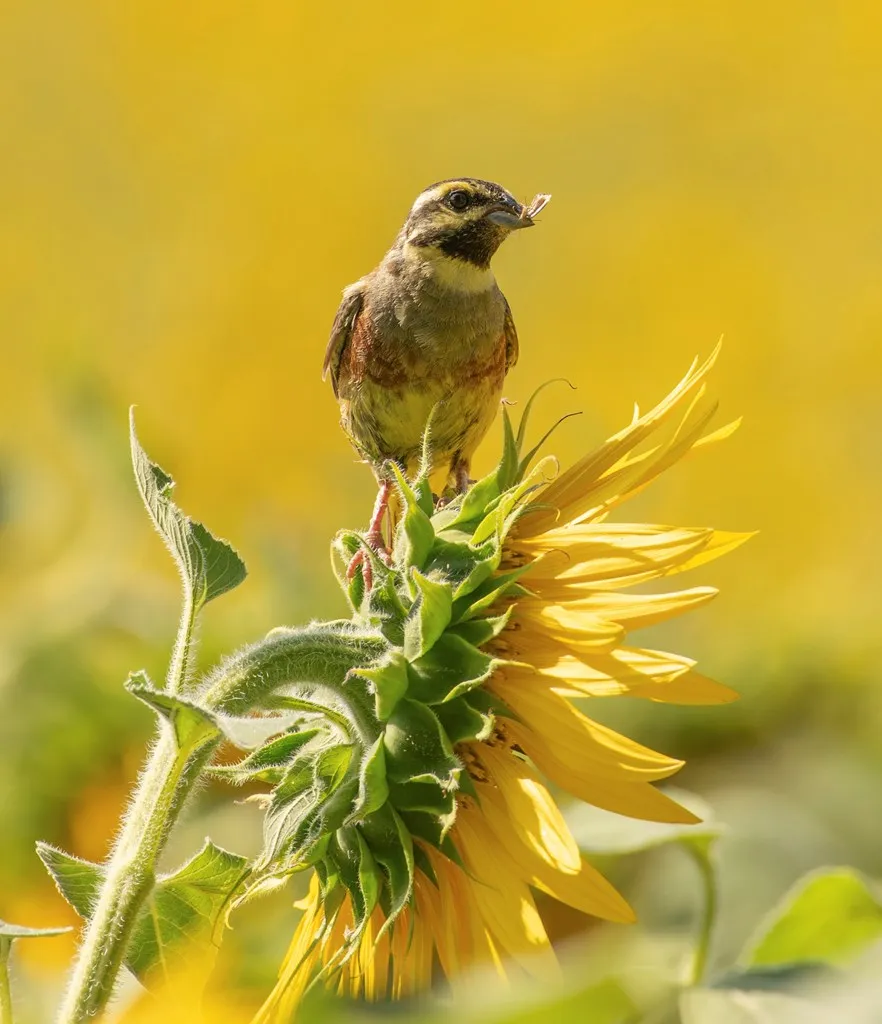
Nature-friendly farming is vital for meeting the UK’s nature and climate commitments. It helps restore habitats, supports species like Cirl Buntings, Turtle Doves and Yellowhammers, improves water quality and soil health, and supports farmers to produce food in ways that are more resilient for the future.
This is a critical year to scale up nature-friendly farming. The UK Government must now improve its nature-friendly farming schemes by:
There is agrowing risk of land falling out of nature-friendly farming just when it needs to scale up.
Across England, higher tier style agreements covering almost 1.5 million hectares of farmland are due to expire over the next couple of years; an area larger than all of England’s National Parks combined. These agreements support farmers to carry out specific actions for nature, such as restoring habitats or managing land for wildlife. When agreements end, that support ends too.
Without a clear plan to move this land into new, ambitious schemes, much of it could fall out of nature-friendly farming at the very moment we should be expanding it.
This matters for species like Turtle Doves, now one of the UK’s fastest-declining birds, and Cirl Buntings. Their recovery has depended on farmers managing land in ways that support wildlife. Nature can’t afford a stop-start system.

For nature-friendly farming to succeed, farmers need the right support. This includes well-designed schemes, high-quality advice and clear routes into more ambitious scheme.
While we welcome the UK Government’s recent improvements to the entry-level Sustainable Farming Incentive (SFI), much greater investment is needed in the Countryside Stewardship Higher Tier scheme, which supports the most ambitious nature-friendly farming.
At the moment, there are still major barriers to scaling up nature-friendly farming. Countryside Stewardship Higher Tier, the scheme that supports the most important habitats and rare wildlife, is struggling to reach its potential because limited capacity and advice mean not enough farmers can currently access the scheme, despite consistently high demand.
Without scaling up this scheme and allowing more farmers to participate, progress could stall, damage nature, reducing value for public investment and undermining farmer confidence.
Environmental Land Management (ELM) schemes, including the SFI and Countryside Stewardship, fund nature-friendly farming in England and are the UK Government’s main tool for investing public money in nature. Getting them right is essential for wildlife, climate stability and food resilience. The immediate priority must be making sure farmers can continue their nature-friendly work as existing agreements come to an end over the next couple of years.
But simply maintaining the current system will not be enough.
Farmers cannot deliver benefits for nature, climate and clean water, without public investment. With the right improvements, however, ELM could become a strong system that supports farmers while helping nature recover across our countryside for decades to come.
To meet our legally binding nature and climate commitments, and protect the future of food and farming, funding and delivery must match the scale of the challenge. The forthcoming 25-year Farming Roadmap must set out a clear plan to expand nature-friendly farming by 2030. This should include properly funding Higher Tier schemes and targeted support that can restore habitats and bring wildlife back.
The decisions made now will shape the future of nature across our countryside. From the purring of Turtle Doves in summer hedgerows to Cirl Buntings singing over winter stubbles, nature-friendly farming works but only if it is backed by sustained investment and a clear plan.

Find out about nature-friendly farming, how we’re working with farmers, and how you can get involved.


