
News
Make a Grandstand for Nature
Take a first look at our exciting plans for a new Wildlife Viewing Gallery at RSPB Bempton Cliffs.
8th Oct 2026
Read how, thanks to developers, rare species are benefiting from new RSPB habitat banks across the country.
5 min read
More than 20 hectares of former farmland at Worth Marshes are set for a remarkable transformation into wildlife-rich habitat, thanks to the requirement of developers to fund a scheme that channels development funding directly into nature recovery.
The Environment Act 2021 established the framework for Biodiversity Net Gain (BNG), with the intention that most developments would deliver at least a 10% increase in biodiversity. However, a series of exemptions introduced since then, including an exemption for developments on sites of 0.2 hectares or less that came into force in August 2026, have significantly reduced the number of developments covered by the requirement.
Despite these limitations, BNG can and does still deliver real benefits for nature. Developers can purchase biodiversity units from habitat banks such as Worth Marshes, where habitats are created or enhanced and then managed and monitored for a minimum of 30 years.
Part of the habitat bank at Worth Marshes will become diverse wildflower fields, providing forage for bee species including Common Carder, Buff-tailed and Red-tailed bumblebees, alongside butterflies and other invertebrates. A further five hectares – the equivalent of around seven football pitches - of scrub grassland will support red-listed birds such as Turtle Doves and Grasshopper Warblers, as well as reptiles and small mammals including harvest mice and bank voles. Shallow wet features and retained winter water will create 4 hectares of new wet grassland for breeding and overwintering wildfowl and waders.


.jpg)
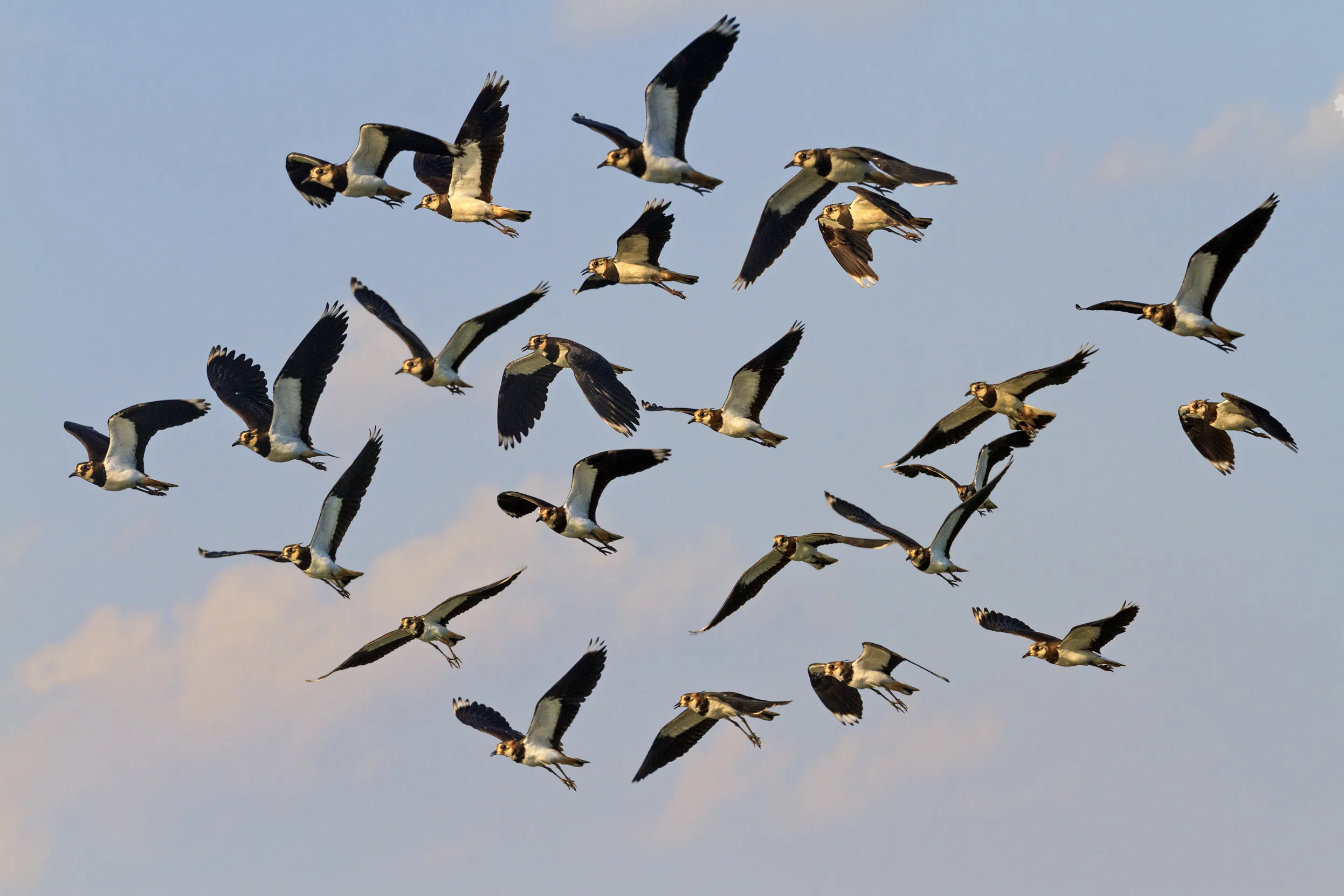
"Since we acquired our first parcel of land at Worth in 2008, we have been working to revert what was arable or intensively grazed pasture. We have seen some amazing successes such as an increasing Lapwing population, continued purring Turtle Doves and even the first successful breeding of Black-Winged Stilt in this part of Kent. Biodiversity Net Gain provides a great opportunity for us to continue this progress and provide further habitat to give some of our scarcest species the best opportunity to thrive.
Biodiversity Net Gain only works for nature if the habitats it pays for are created properly and looked after for the long term. At Worth Marshes we're using land we already own, next to habitats we already manage, with the ecological expertise and monitoring to back it up. That's what high-integrity units look like in practice."
The habitat bank sits adjacent to a Ramsar site, Special Protection Area and Site of Special Scientific Interest, adding connectivity, feeding and roosting space to an already important landscape. As the climate warms, species are shifting northwards across Europe, and this stretch of the Kent coast is often where they first arrive in Britain. Habitat created now needs to work not only for the species here today but for those still to come, which is why the RSPB manages its habitat banks well beyond the statutory 30-year minimum.
"We welcome the positive contribution habitat banks are making to local wildlife through habitat creation and improvements, such as those underway at Worth Marshes.
DDC is pleased to work with providers that further our aims to connect and enhance wildlife habitats and support nature recovery, while also enabling developers to meet their biodiversity net gain requirements in the district."
Worth Marshes is one of a growing number of RSPB habitat banks across the country, following the charity's first registered site at RSPB Otmoor in Oxfordshire.


