What is a biodiversity unit really worth and why do they matter?
RSPB Director Michael Copleston explores the impact of Biodiversity Net Gain and its future potential.


On this page
In England, most developments (such as new housing estates or retail parks) are required to leave nature in a measurably better state than before the development took place. This is known as Biodiversity Net Gain (BNG), and is measured in terms of biodiversity units (or BNG units).
From 2 November, the biggest infrastructure projects in England must deliver Biodiversity Net Gain for the first time. So it's useful to consider what a biodiversity unit is actually worth.
Like most things in nature, it depends on what's growing on the ground. Here's what that looks like when you do it for real. In 2008 we bought our first parcel of land at Worth Marshes on the Kent coast which was arable and pasture, grazed hard for a long time. Flat, drained and quiet in the way that intensively managed land is quiet.
Last year, Black-Winged Stilts bred there for the first time in this part of Kent.

Although to some this may seem like a small win, it's the kind of evidence that takes eighteen years to produce and cannot be produced any other way. The recovery of important nature that needs our help doesn’t just stop there. Unlike many parts of the UK, the Lapwing numbers have also been climbing, and if you time your visit, you can hear the now-scarce Turtle Doves purring in the scrub. But none of it happened quickly and none of it happened by leaving the land alone.
Worth Marshes is now a registered Biodiversity Net Gain habitat bank. So is Otmoor in Oxfordshire, where a comparable thirty-year effort turned farmland into the wet grassland and wildflower meadow that now holds breeding Lapwing and Snipe, and feeds Cranes.
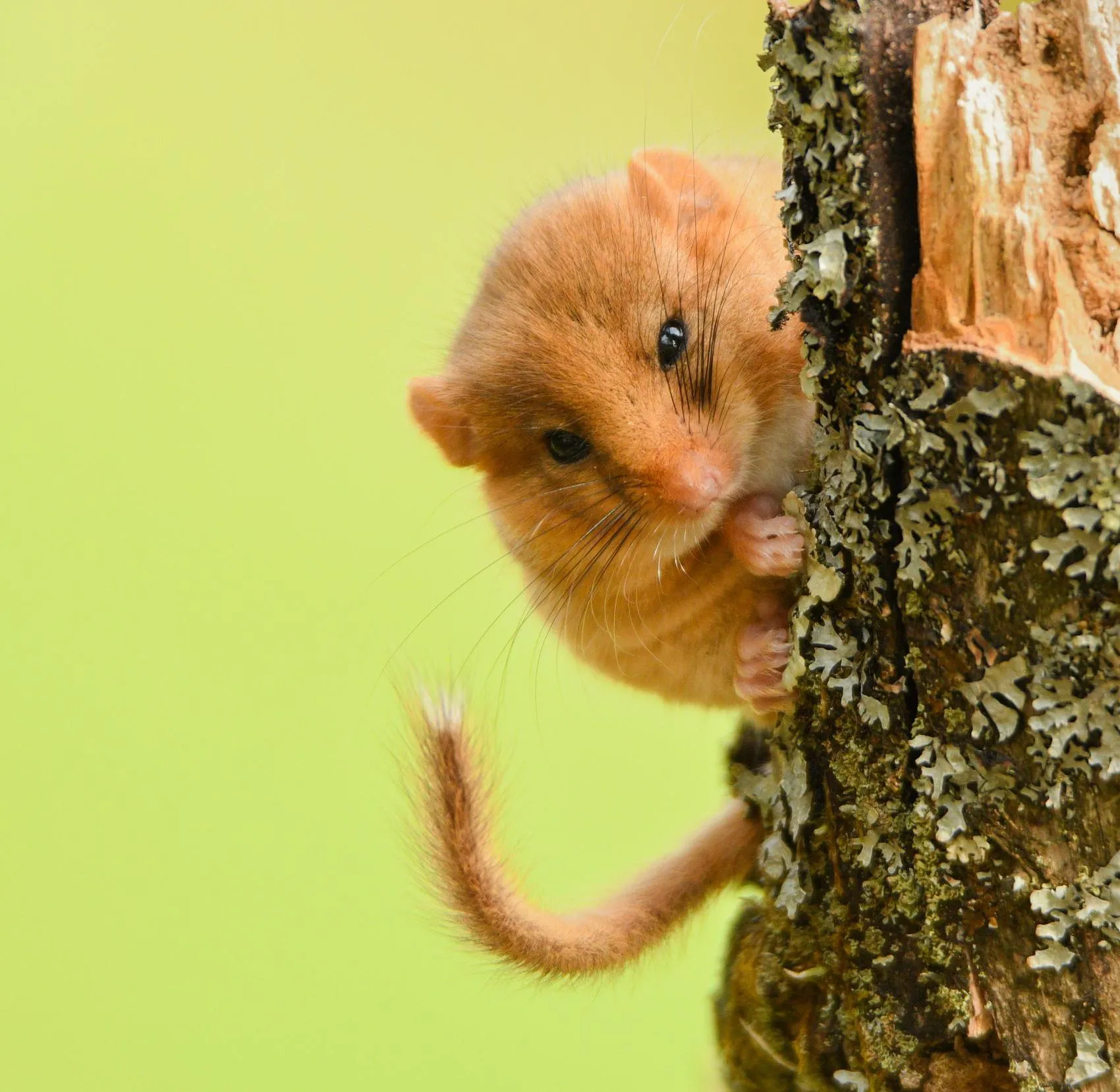
Brading Marshes on the Isle of Wight is now registered too, where twelve hectares of arable and grassland will grow into woodland and scrub, extending habitat for Hazel Dormice and Red Squirrels out from the ancient woodland next door. Other nature reserves, including Lakenheath Fen, will follow.
How does BNG translate on the ground?
Since February 2024, development in England has had to leave nature measurably better off through a minimum 10% uplift in biodiversity value, secured and managed for at least 30 years. Where a developer cannot deliver that on their own site, they buy units from a habitat bank somewhere else.
There are of course challenges with BNG; the very nature of attempting to make habitat quality legible to a planning system is a hard circle to square. In reality, a unit is worth precisely what is growing on the ground, and what will still be growing there in year 25 and beyond.
BNG only works for nature if the habitat it pays for is created properly and looked after for the long term. At Worth we are using land we already own, next to habitat we already manage, with the ecological expertise and the monitoring to back it up. Just over half the site becomes diverse wildflower fields and another five hectares becomes scrub grassland, which is what Nightingales and Grasshopper Warblers need – both are red-listed and running out of places to go.
That is what a high-integrity unit looks like in practice. It is also a phrase that should invite scepticism wherever those conditions are absent. If you are a developer or consultant in the market for BNG units, ask who is managing the site, ask what happens if the habitat fails to establish, and ask what monitoring exists and who sees the results.
There is one further thing that I think gets worryingly overlooked. Thirty years is the statutory length of time that the habitats created through BNG are protected for. Our habitat banks sit on RSPB nature reserves, and we manage reserves in perpetuity. Year 31 is not a cliff edge for us and the wildflower fields at Worth and the wet grassland at Otmoor will still be managed for wildlife long after everyone involved in these transactions has retired. I hope that this matters to the majority of developers, on an individual level but crucially as decision makers in an industry that can give back to our wildlife and the wonderful species we share our home with.

Exemptions and inclusions
Since 6 August, developments of 0.2 hectares or less have been exempt from mandatory BNG. The Government's own analysis suggests that removes nearly half of all residential planning permissions from the regime. The reality though is that the misuse of other existing exemptions and loopholes means that the majority of residential planning applications have already been evading BNG.
There is an honest debate to be had about scope. Some smaller developments are now exempt, and I'd rather see BNG applied broadly than thinned out. The original principle was that growth should leave nature better off than it found it, and that principle is worth defending. But bringing major infrastructure in from November moves us in the right direction: the schemes with the largest footprint on nature should contribute the most to its recovery.
This is where I think BNG can make a real difference. NSIPs (Nationally Significant Infrastructure Projects, such as major road or rail projects) operate at a scale that demands delivery at scale and that's exactly where the RSPB can help. We want to see genuine alignment between major infrastructure and meaningful outcomes for nature, not scattered, small parcels that tick a box. It's why we've been helping to establish Landscape Recovery Schemes that match the size of the opportunity, and why our estate of nature reserves matters: land we already own and manage means we can locate high-integrity schemes quickly, in the right places, at the scale infrastructure requires.
Because the success of BNG as a policy will be judged, eventually, on whether the habitat turned out to be real. Not on the volume of units traded or the elegance of the metric. It will be judged on whether there are Nightingales in that scrub at Worth in twenty years and well beyond, and Lapwings on the wet grassland at Otmoor, and whether anyone was still checking.
That is the standard we have set ourselves. I would encourage anyone buying units, from us or from anybody else, to hold the market to it.

Working with the RSPB on BNG
We want to make sure that BNG delivers as much as possible for wildlife, which is why we have biodiversity units available to developers on selected nature reserves. Units are available at Otmoor, Worth Marshes, Brading and Bowers Marsh with further sites coming on stream.
We can help developers meet BNG requirements through tailored services, including strategic advisory and access to off-site habitat units. To discuss availability, contact the BNG team at corporate.partnerships@rspb.org.uk.
You can also discover our habitat banks, using our BNG Habitat Bank Interactive Map.
Michael Copleston
Director, RSPB England