Spotlight

Five good news stories to brighten your day

Discover a handful of the highlights from a year of saving nature.

Annual Report 2025 - 2026.
On this page

From restoring landscapes and bringing species back from the brink, to inspiring people to take action for nature, we’ve achieved so much together over the past year.  

Here we’ve picked out just five of the stand-out stories from our latest Annual Report, to give you a snapshot of the difference your support is making for nature. None of this would be possible without our members, supporters, volunteers, funders and partners – thank you!  

1. Nature’s making a comeback in Cumbria

With its majestic fells, rushing streams and tranquil valleys, Cumbria is what many of us picture when we think of ‘wild’ England. But things aren’t quite as wild as they seem.  

Centuries of intensive management – including peatland drainage, overgrazing and river modification – have left many habitats damaged and fragmented, and wildlife has paid the price. Golden Eagles no longer soar over the fells, Corncrakes have vanished from the meadows and the bubbling call of Black Grouse has fallen silent. 
 
That’s why we’re working with partners, farmers and local communities through the Cumbria Connect programme to restore 42,000 hectares across the Lake District and Yorkshire Dales National Parks – that’s an area larger than Birmingham! From restoring peatlands to planting woodlands, we’re creating a healthier, more connected landscape for wildlife and people.  

The benefits are already clear: healthier peatlands are storing carbon and improving water quality, restored rivers are helping to reduce flood risk, and revitalised habitats are supporting more wildlife, including reintroduced Water Voles. People are benefiting too. In 2025 alone, over 100 farms received support to manage land in nature-friendly ways, and more than 1,600 people got involved through events and volunteering. By working together, we’re building a future where nature and communities can thrive side by side.  

2. We celebrated the return of an icon, 50 years on

Nothing quite prepares you for your first encounter with White-tailed Eagles. With a vast wingspan of more than two metres, it’s easy to see how they earned the nickname ‘flying barn doors’! Yet, these magnificent birds had been persecuted to extinction in the UK by 1918, when the last known UK bird was shot and killed. 
 
Fortunately, that wasn’t the end of their story.  
 
In 1975, the Nature Conservancy Council began an ambitious reintroduction project, working with the RSPB and partners in Norway to translocate chicks from Norway to the Isle of Rum. What followed was one of the UK’s greatest conservation comeback stories. Thanks to decades of expertise, dedication and collaboration, White-tailed Eagles now soar once again over Scotland, Northern Ireland and southern England. 

To celebrate this remarkable milestone, we created Return, a short film bringing the eagle’s comeback to life through the voices of those who made it happen. Since its release, Return has been viewed more than 42,000 times on YouTube, screened at film festivals and awarded Silver at the Smiley Charity Film Awards. It’s helping a whole new audience discover the power of conservation – and what’s possible when people come together for nature.  

You can watch the film here.

3. More than 100,000 people backed nature-friendly farming

In May 2025, we achieved a major campaigning milestone when our nature-friendly farming petition was handed in at Downing Street.  
 
Over 100,000 of you signed the petition and together we stood shoulder to shoulder with farmers to urge Chancellor Rachel Reeves to maintain investment in nature-friendly farming ahead of key spending decisions. This funding, which is worth billions each year, is essential for protecting wildlife, restoring habitats, and supporting sustainable farming. Thanks to you, our call to safeguard spending was impossible to ignore. 
 
The Chancellor has committed to spending £2 billion a year on nature-friendly farming, and £400 million to plant trees and restore peatlands over the next three years. This is the biggest ever annual nature-friendly farming budget and a huge win for nature, for farmers, and for all of us. 

4. New funding announced to help save Spikys from extinction

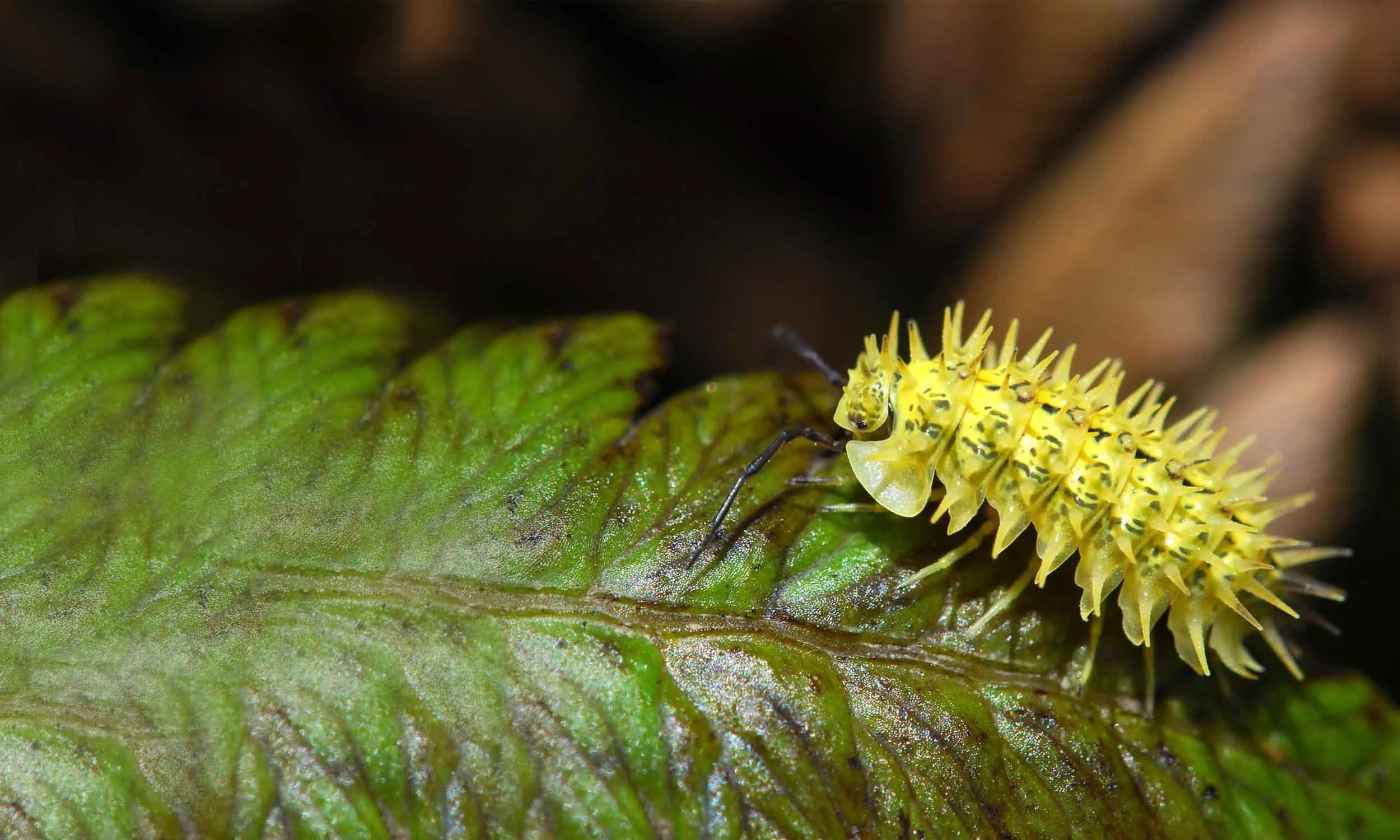
High up in the misty cloud forests of St Helena – a UK Overseas Territory in the South Atlantic Ocean – lives the Spiky Yellow Woodlouse, a creature unlike anything else on Earth. These colourful crustaceans spend their lives clambering about on the leaves of trees, but habitat loss, climate change and plant diseases mean that fewer than 500 ‘Spikys’ are thought to remain in isolated pockets of forest.  

That’s where our work comes in. Since 2016, we’ve teamed up with partners and local people to plant more than 40,000 native plants, helping to reconnect fragments of precious forest habitat and give Spikys space to recover.  

In 2025, we secured vital Darwin Plus funding to keep this work going until 2028. In that time, we aim to plant up to 30,000 more native plants, clear invasive plants and gather crucial data to help us protect St Helena’s remaining Spikys.  

Protecting and restoring St Helena’s cloud forest isn’t just good news for wildlife. The forest provides the majority of the island’s fresh water by capturing water from clouds. So, the work to restore the forest will not only benefit wildlife but also help to boost the local community’s water security in the face of climate change. 

5. We’re helping to restore Iceland’s wetlands for the birds we share across the flyway

Every year, thousands of wading birds – including Redshanks and Black-tailed Godwits – leave their breeding grounds in Iceland and fly to the UK for winter. But the wetlands they rely on in Iceland are under pressure. 
 
Decades of drainage have affected more than 70% of Iceland’s lowland wetlands, damaging precious breeding habitat and releasing carbon locked away in ancient peat soils. Non-native conifer plantations, housing developments and energy infrastructure are adding to the strain.  

To protect the birds our two countries share – and ensure they keep returning to our shores – we’re working alongside our Icelandic partners on two exciting new projects.
 
One will focus on restoring peatlands that support globally important populations of birds, including Golden Plovers and Redshanks. The other will help bring water back to the Mýrar wetlands, improving habitats for wildlife.  
 
By working together, we’re helping secure a brighter future for the species that connect our landscapes.

Katie-jo Luxton, the RSPB’s Executive Director of Global Conservation, explains:

Migratory birds are shared by all of us. That’s why international partnerships like this are at the core of what we do here at the RSPB. We cannot save nature without collaborating across borders to protect the great flyways of this world.”

2025-2026 Annual Report cover
Want to find out more?

These stories are just a snapshot of the work we’ve been doing for nature across the UK and beyond, thanks to your support. There are plenty more in our full Annual Report, so why not grab a cuppa, put your feet up and dive in? 

Share this article