Ask an RSPB expert: your December questions answered
Our expert, Bethany Dean, answers some of this month's most commonly asked questions.

On this page
How do birds keep warm in winter?
Winter is a difficult time of year for all wildlife. Shorter days, reduced food availability and cold temperatures make survival for our wild birds even more challenging. So how do they keep themselves warm during this time? Well, they have a few fascinating adaptions and survival strategies for this.
If we were to walk into the local pond with no socks on in December, we’d feel like our toes were about to fall off! So how can ducks and other waterfowl paddle for hours in such icy waters? They have a very interesting thermoregulatory adaption. A counter-current heat exchange system in their feet allows warm arterial blood from the body to run close to the cold blood coming from the veins in their feet. This keeps their feet temperature above freezing – and therefore mobile, whilst also conserving their body temperature.
You also may have noticed on cold mornings that our wild birds look a little rounder and fluffier than usual. By fluffing up their feathers they create small pockets of air close to their skin. Once the air is trapped, their body temperature warms it up, creating their very own insulated blanket.
Another strategy our wild birds use to keep warm is ‘huddling’. Some wild birds roost together to share body heat. The Long-tailed Tit weighs only 7-10 grams which naturally makes them very vulnerable during the cold snap. So they huddle together in their family flocks overnight which is an essential survival technique – I bet you didn’t think they could be any cuter!
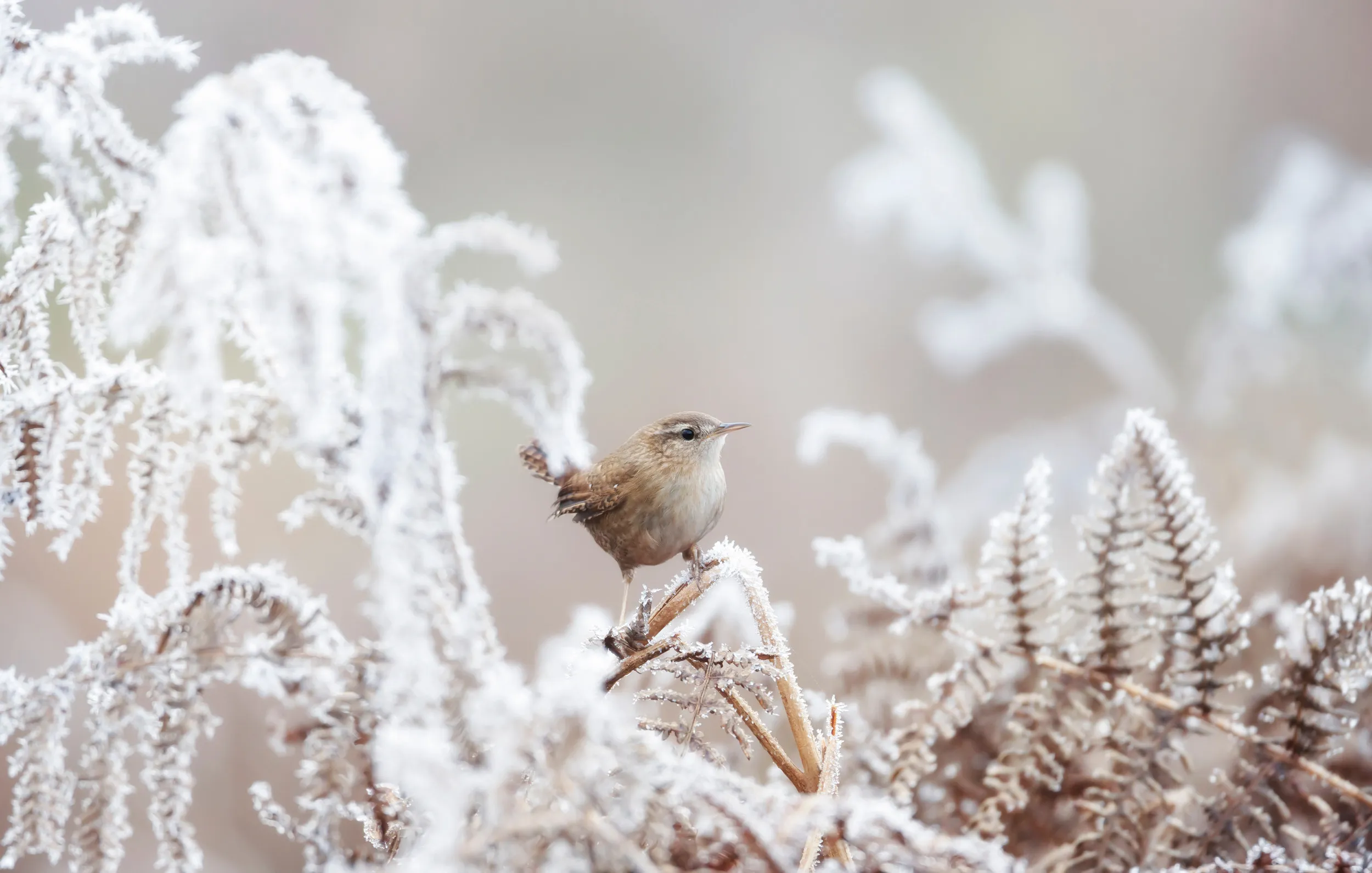
Other species that exhibit this behaviour are Pied Wagtails, Starlings, sparrows and Wrens. More than 60 Wrens were once found together in a nest box, you can imagine how toasty that must’ve been.
Why am I still seeing Blackcaps in December?
Blackcaps are a medium sized, beautiful grey coloured warbler easily identified by the markings on top of their heads. Males have a black cap whereas females and juveniles have a chestnut brown cap. Their diet consists of insects such as flies and caterpillars as well as berries. They are well known for their melodious singing voice - why not have a listen.
Blackcaps are summer migrants; they come to the UK to breed. Interestingly, there has been a growing number of them spending the winter here rather than travelling back to the Mediterranean. Due to food availability in our gardens and the warmer winters we are having, it seems this is giving our fellow migrant birds the ability to withstand our UK winters.
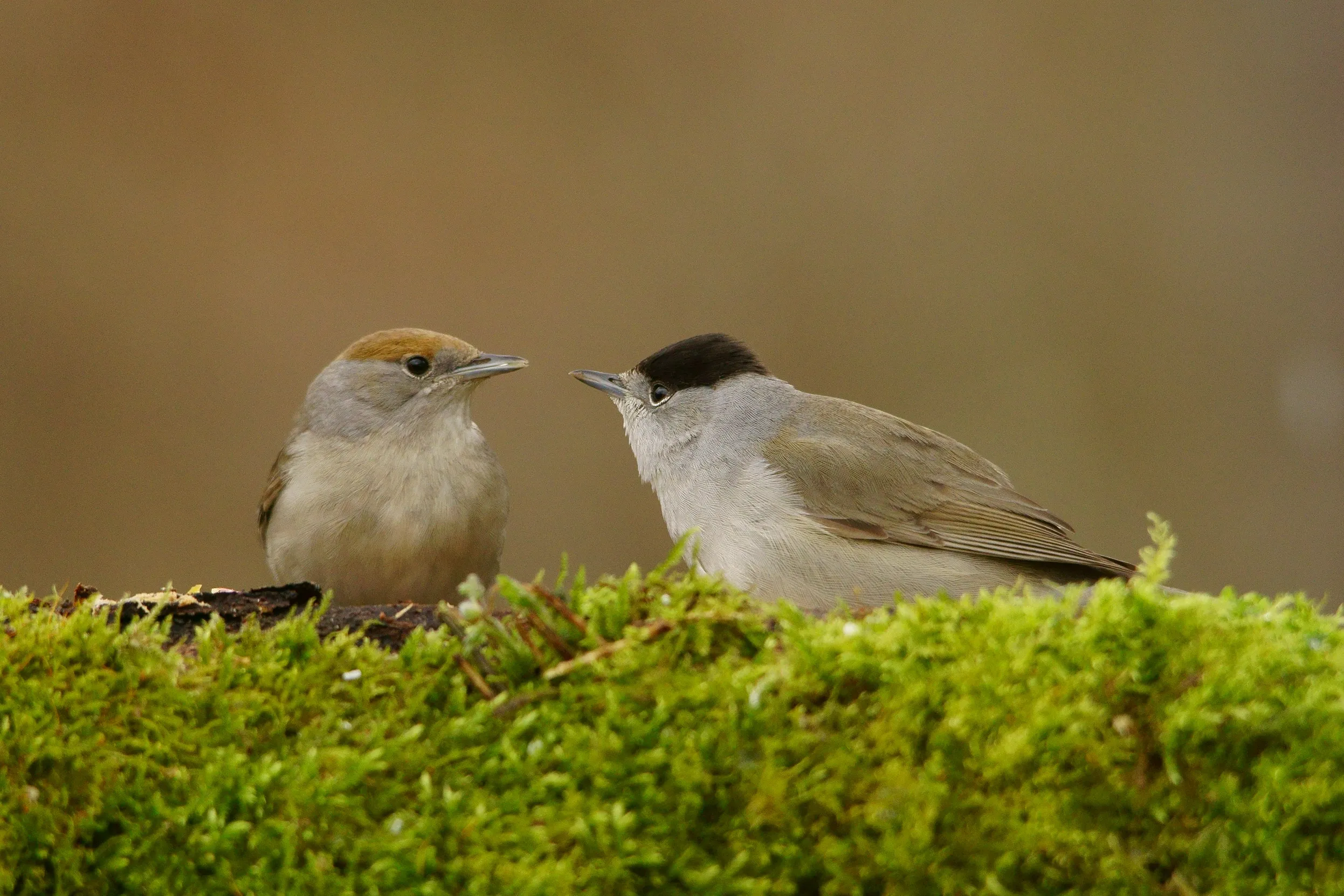
They are known for protecting their food sources and have been spotted chasing away other visitors from garden feeders. When food is scarce, wild birds will do what is required to survive. There will always be natural hierarchies at feeders, and it is often best to leave wildlife to sort it themselves.
What can I see in December? Try our Winter Wonderland Bingo!
The cold, dark days of winter can be a turn-off, but here at the RSPB we know just how uplifting a walk in nature can be and that there’s still plenty to see. If you’re trying to persuade others to join you on a winter walk, why not give our Winter Wonderland Bingo a go? See how many of these you can see over the festive season.
.jpg)
1. Ivy fruits
It is well known that ivy is a wildlife friendly plant. Hedera helix is the Common Ivy found throughout the UK. This evergreen benefits wildlife all year round so it is great to have in your garden. In winter, not only does it provide shelter for bats, birds and small mammals, but it also produces ‘ivy fruits’, berry-like clusters that are high in fat. Great for bird species such as Blackcap, Woodpigeon and thrushes.

2. Holly berries
Holly may be recognised as a staple festive decoration, but did you know it is very beneficial to our wild birds. With its vibrant green leaves, this evergreen not only provides a safe place for birds to nest during breeding season, but the bright red Holly berries add more colour to our gardens and hedgerows in winter. These berries are a valuable food source during the cold period for birds such as Blackbirds, Redwings, Fieldfares and Robins.

3. Deer
Many trees have lost their leaves by December which makes it a great time of year to spot some deer species. Red Deer – the UK’s largest land mammal can be spotted in woodlands, forests and some moorlands. They have a grey- brown coat in winter rather than the beautiful rusty-red coat we know them for.
The elegant Fallow Deer can often be spotted in small herds around most of the UK, in areas that have mixed woodlands with open areas such as parklands and wooded estates. Their winter coat also changes to a dull grey-brown colour, but they retain their distinctive black inverted horseshoe shape on their rump.

4. Mistletoe
Often used as a hanging decoration in exchange for festive kisses, this is another evergreen that produces translucent white berries in winter for our wild birds. The semi-parasitic plant can be spotted growing on the branches of other trees such as Poplar and Hawthorn in its unique ball shaped structure.
.jpg)
5. Mistle Thrush
Mistle Thrushes, as their name suggests, have long been associated with Mistletoe. In fact, their scientific name, Turdus viscivorus, literally translates as mistletoe-eating thrush. While they do love Mistletoe berries, Mistle Thrushes can be seen feasting on a wide range of berries, including Holly and Rowan.
They can be fiercely territorial, so watch out for a large thrush noisily guarding its favourite berry tree. These are the UK’s largest songbirds and one of the first birds to start singing in spring. One trick to telling them apart from the very similar Song Thrush is to look at their bellies: a Mistle Thrush has dark brown, rounded or oval flecks, while a Song Thrush’s are lighter and more arrow shaped.

6. Blackcap
Despite the Mistle Thrush’s connection with Mistletoe, it has recently been discovered that wintering Blackcaps are more efficient at contributing to the spread of these plants than Mistle Thrushes. When birds wipe their bills on trees, they spread the seeds of the Mistletoe which germinate on its branches. With more Blackcaps spending the winter in the UK, will you see one this month?

Good luck with your winter wonderland bingo!
Meet the expert: Bethany Dean

I am a wildlife enthusiast and keen bird ringer who is always learning something new and fascinating about our natural world. I enjoy encouraging others to help wildlife in whatever small way they can and I am often distracted and amused by my garden visitors, especially Woodpigeons.