
Turtle Dove appeal
You can help support our efforts to push for nature-friendly farming and restore Turtle Dove habitats by donating to our appeal.
Our expert, Mey Duek, answers some of this month's most commonly asked questions.

This month we have a special focus on migration to mark World Migratory Bird Day on Saturday 9 May 2026. Celebrated twice a year, billions of migratory birds use flyways, like superhighways in the sky, to embark on an important journey to and from their breeding grounds. Here in this UK, this means the arrival of summer migrants like Swifts and Swallows to nest and raise their chicks.
While some of our birds like to spend the whole year here, others like to chase the good weather and the advantages that come with it.
The insect-eaters, such as Swifts, Swallows and flycatchers, in particular are able to make the most of the peak invertebrate season. Young birds need a lot of food and raising them here during the warmer months means all the invertebrates are out and about. Our longer days give them the opportunity to spend more time finding food.
The UK also has fewer predators and less competition than in Africa, where many of our migrants spend their winters, which further increases their chances of survival.
You can learn more about migration: the how, the why and the dangers, here.

Many of our summer migrants can be seen in urban areas, such as Swifts, House Martins and Chiffchaffs. But it is also a wonderful opportunity to visit some of our nature reserves. Here you may see migrant birds that you might not be able to see near your home.
We have a UK-wide network of more than 170 nature reserves just waiting for your discover. You can find one near you here.
But if you're looking for a little inspiration, here's some of our top sites:
As well as being an incredibly important stopover for migrant birds, it’s also a great place for some to spend the summer. Minsmere hosts an incredible selection of migrants including Nightingales, Cuckoos, Hobbies, Sandwich Terns, Sand Martins and warblers such as Whitethroats and Sedge Warblers.


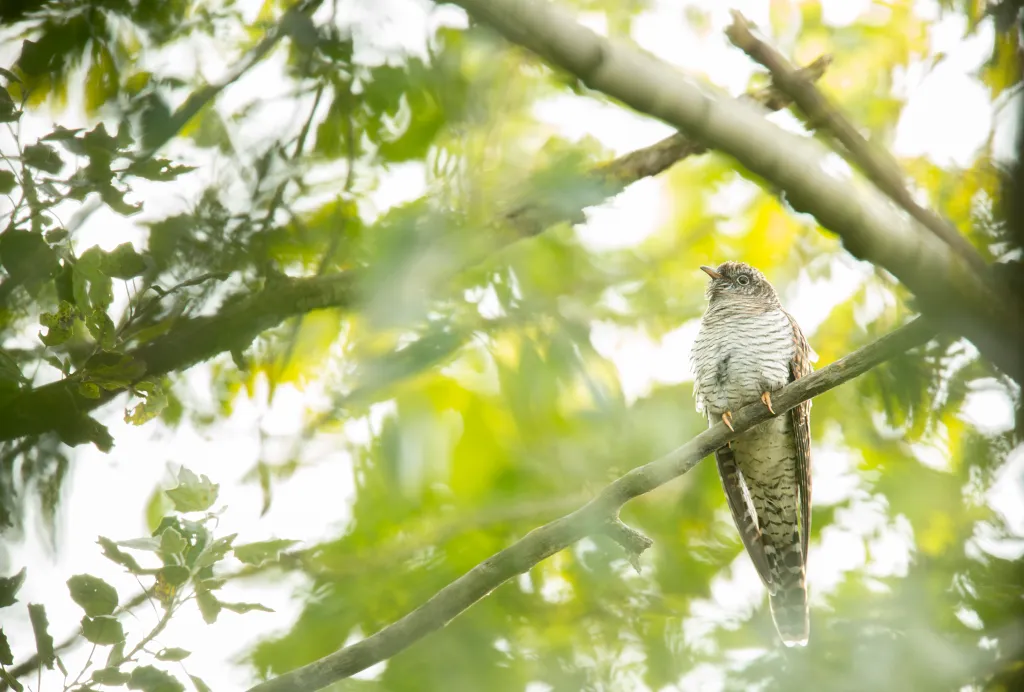
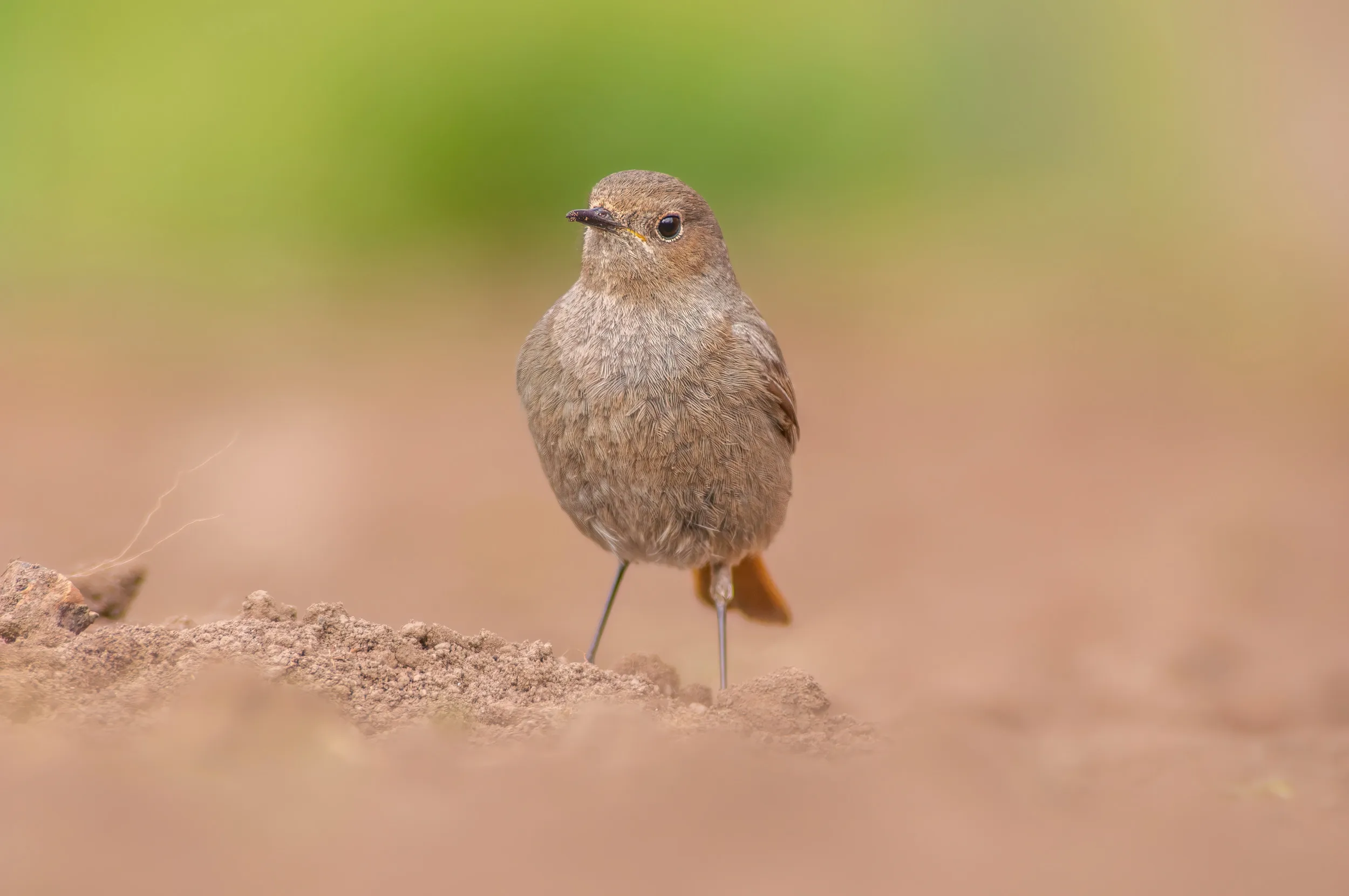
The mixture of habitats here provides a great place for birds to raise their young. Here you can see migrants including Pied Flycatchers, Redstarts, Nightjars, Sedge Warblers, Reed Warblers, Willow Warblers, Wood Warblers and Whitethroats.


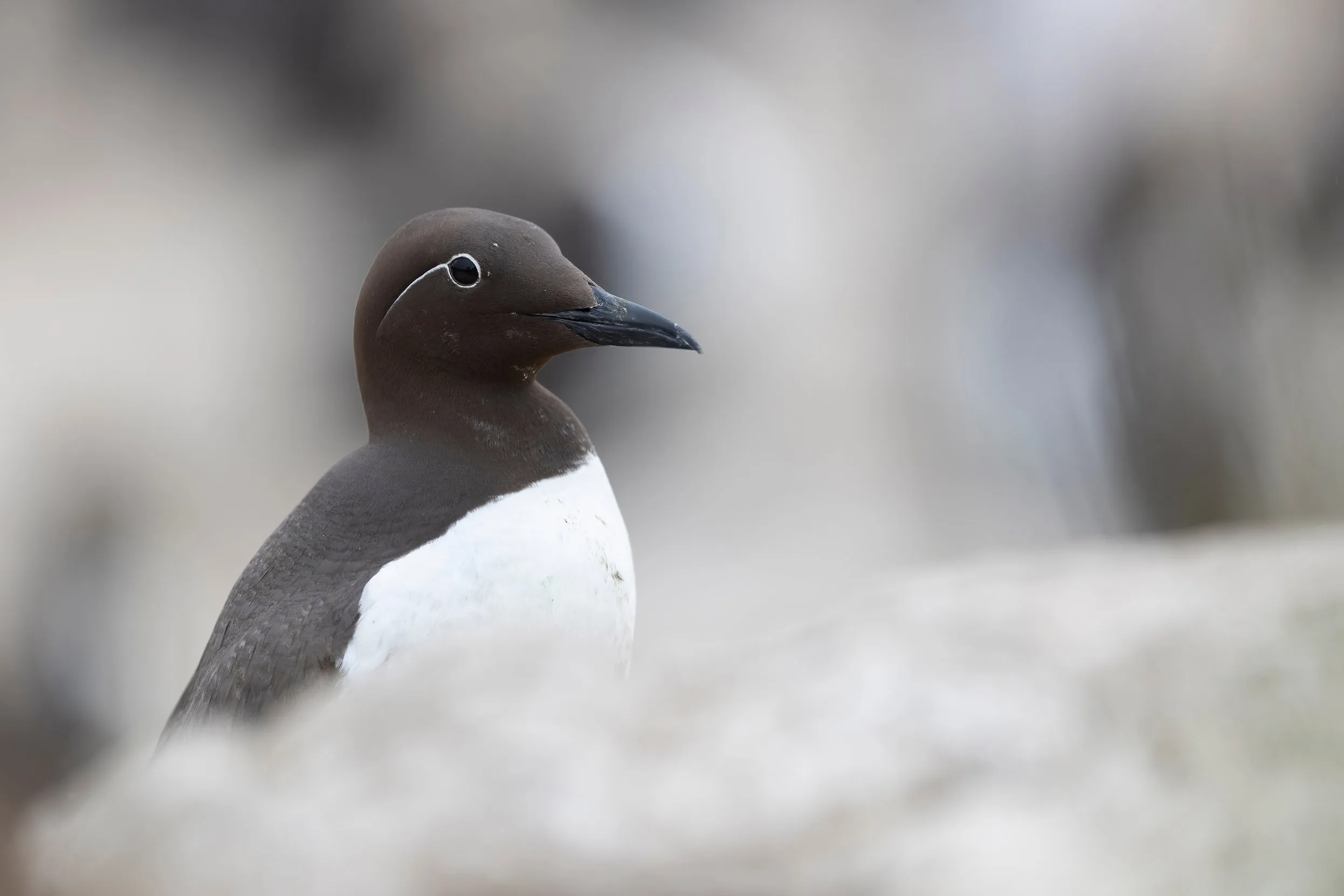
After spending winter out at sea, Puffins come to nest here. The seabird colony also hosts incredible numbers of resident birds such as Gannets, Guillemots and Kittiwakes.


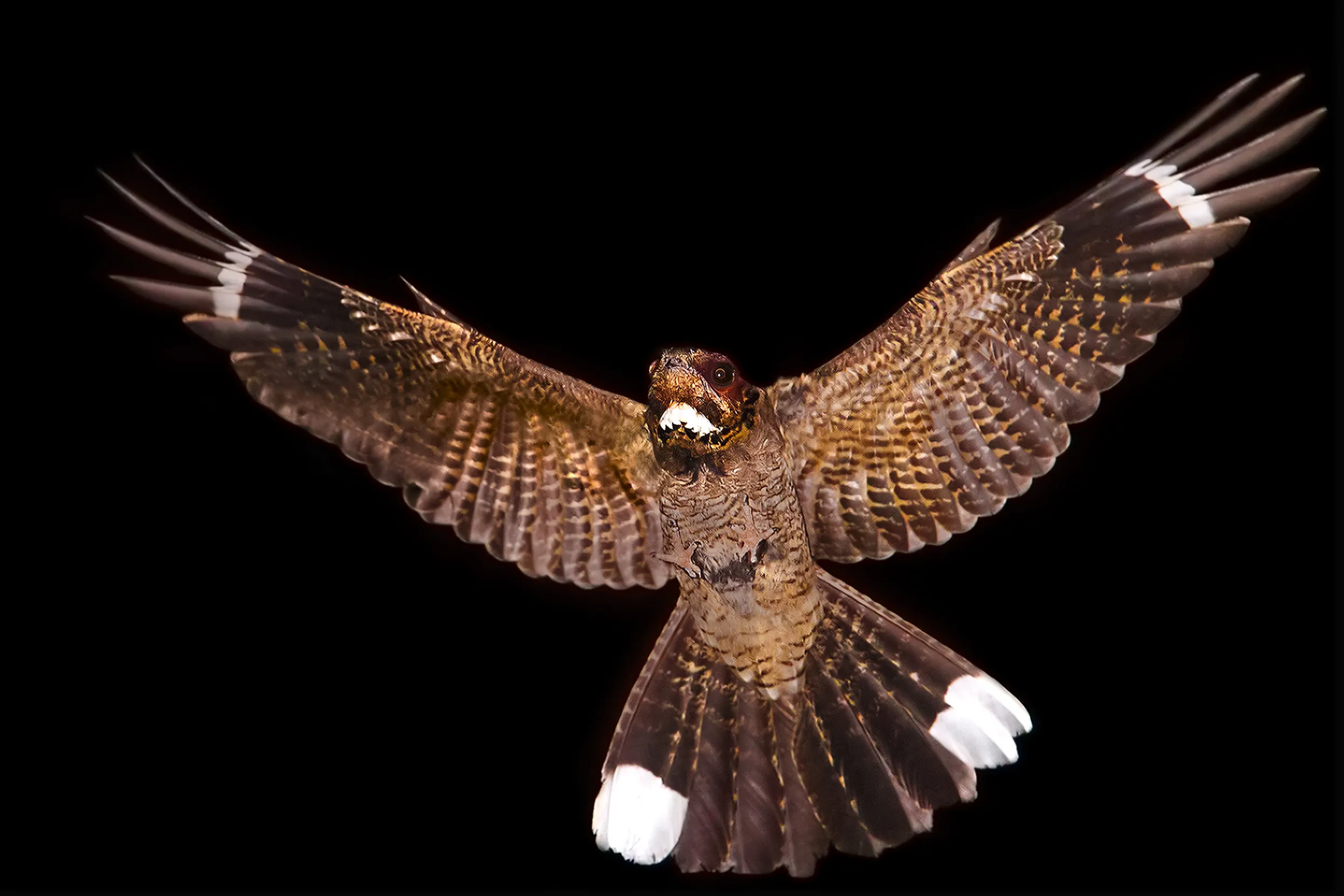
Home of the Nightjar! Numbers have been increasing at the nature reserve with the latest count showing 65 Nightjars! You can also see Ospreys and Blackcaps, as well as a great host of resident birds, reptiles and invertebrates.
.jpg)
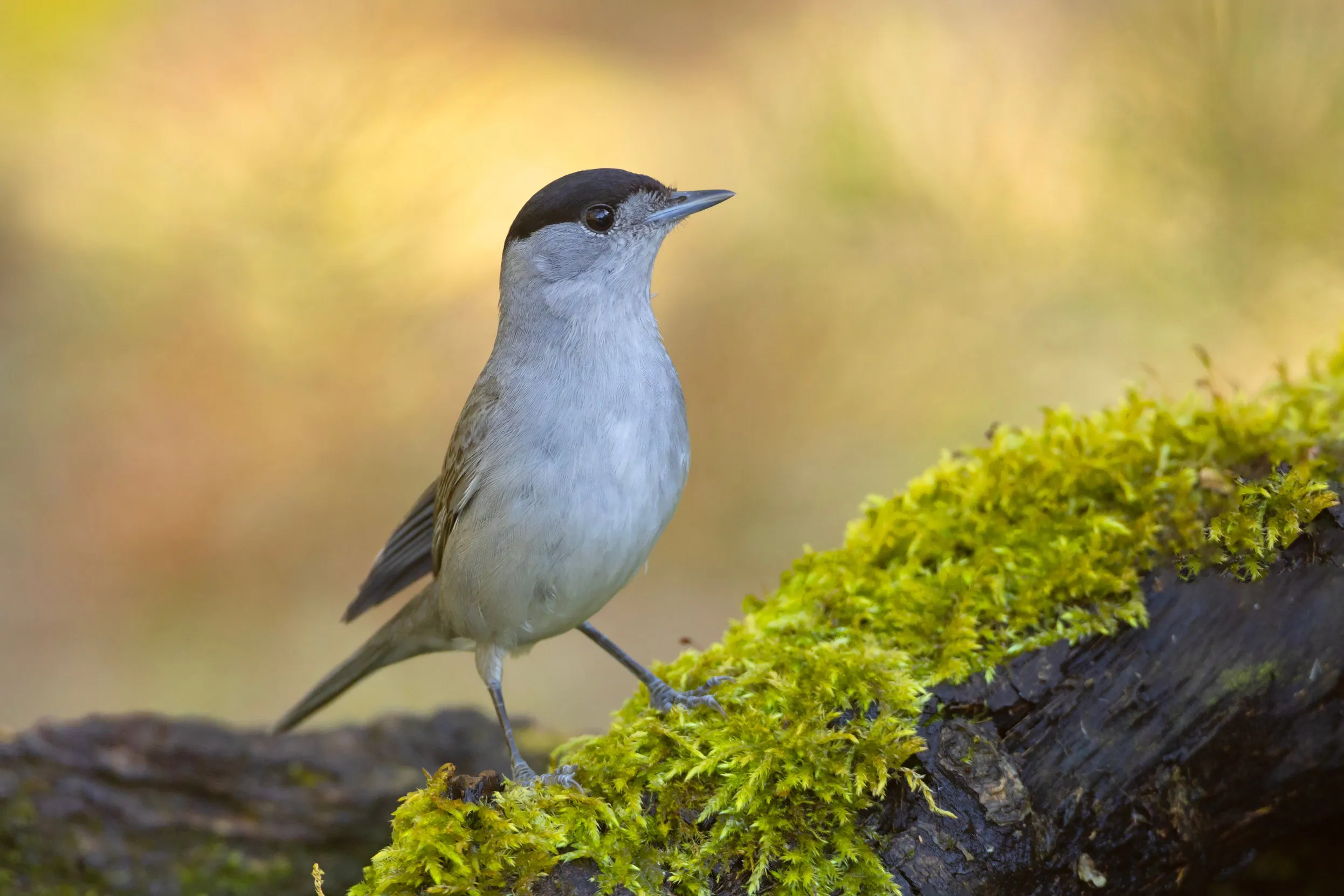
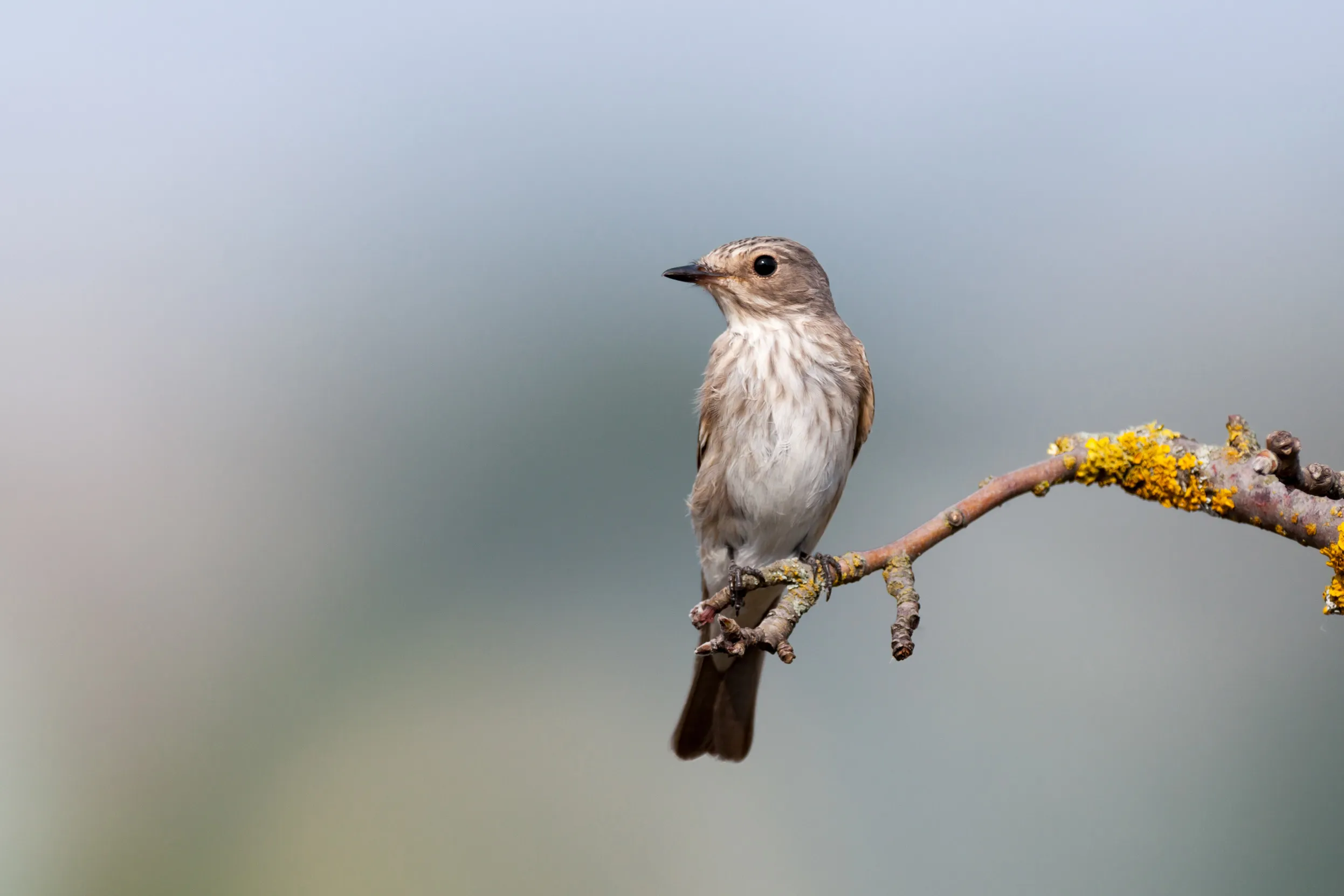
The woodland here is essential for species such as Redstarts, Pied Flycatchers and Spotted Flycatchers.

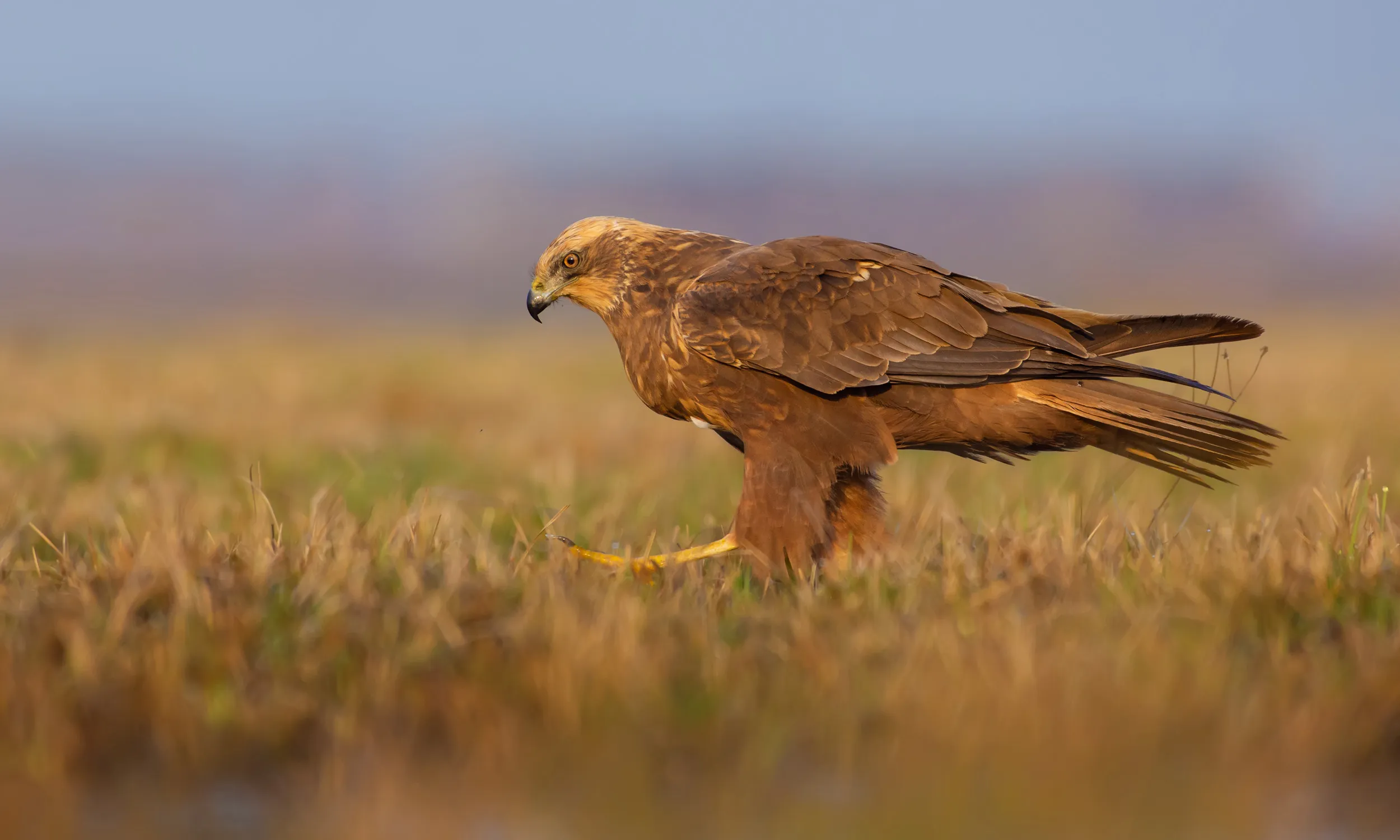
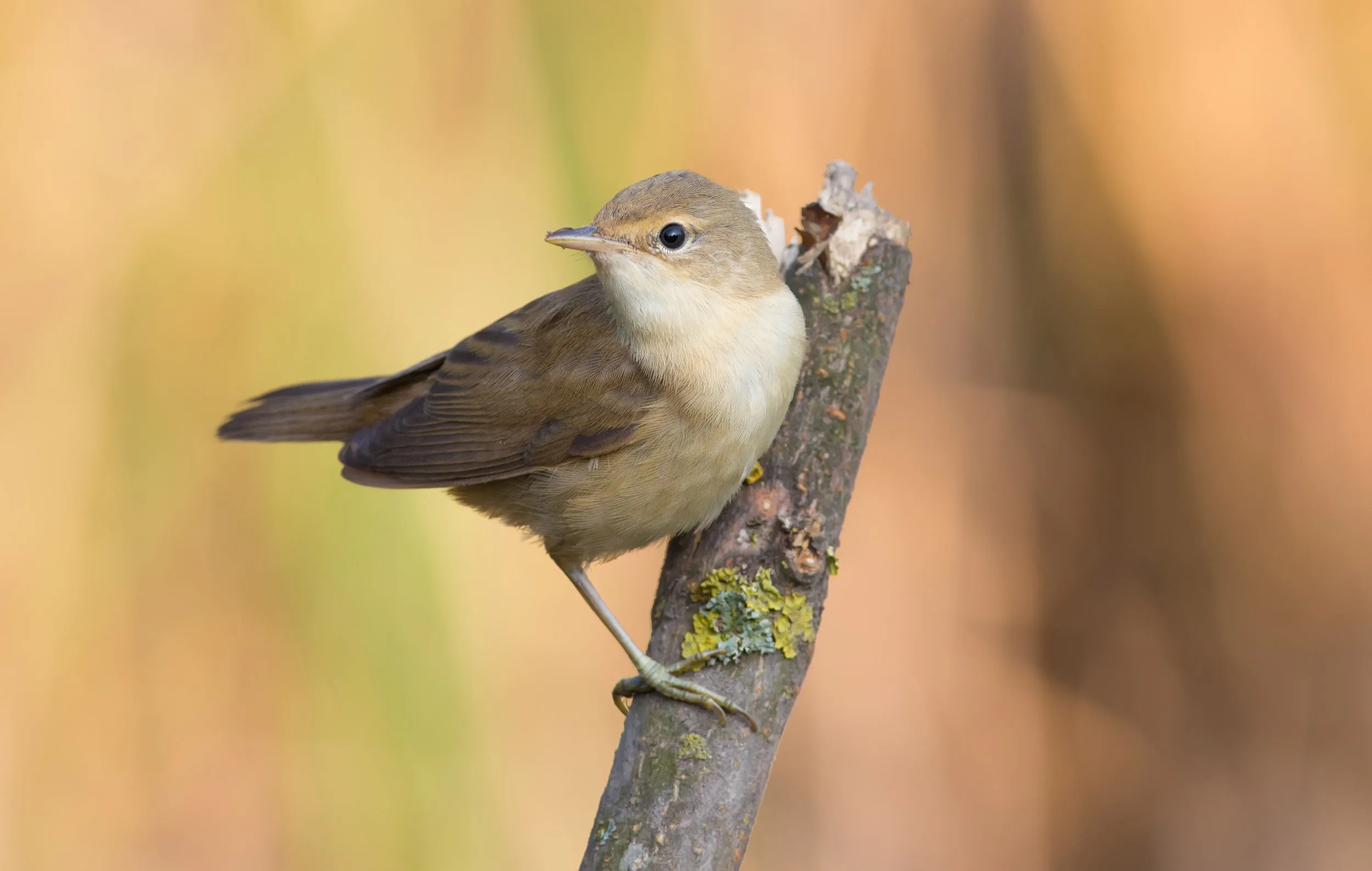
You can see Marsh Harriers, Sedge Warblers, Reed Warblers and Willow Warblers. Listen out for their calls when it’s harder to spot them. Marsh Harriers typically arrive here to breed but overwintering birds are more common these days.

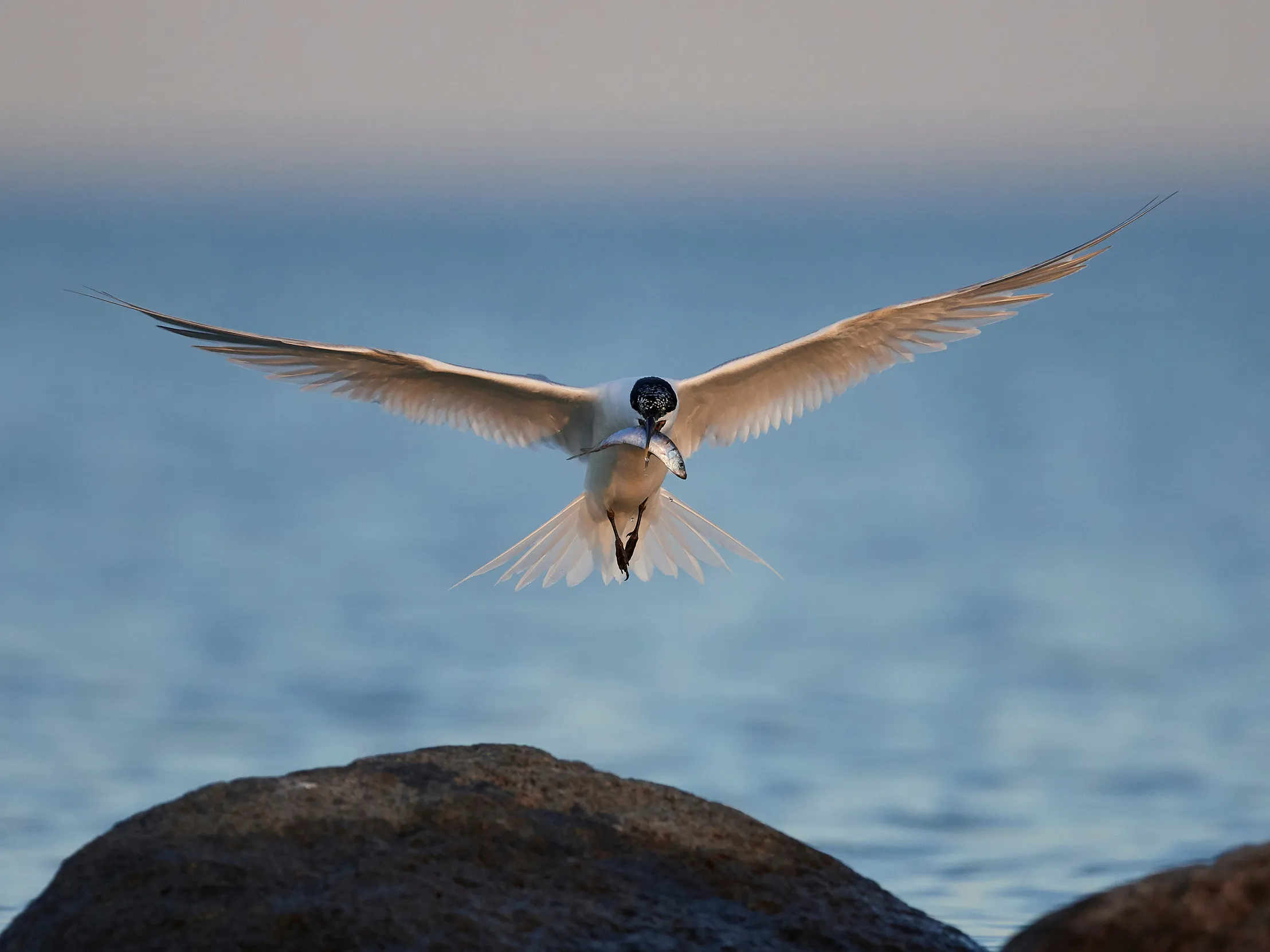
This nature reserve is an incredibly valuable haven for Sandwich Terns, Little Terns, Common Terns and Willow Warblers. You can also see resident Eider ducks nesting here.


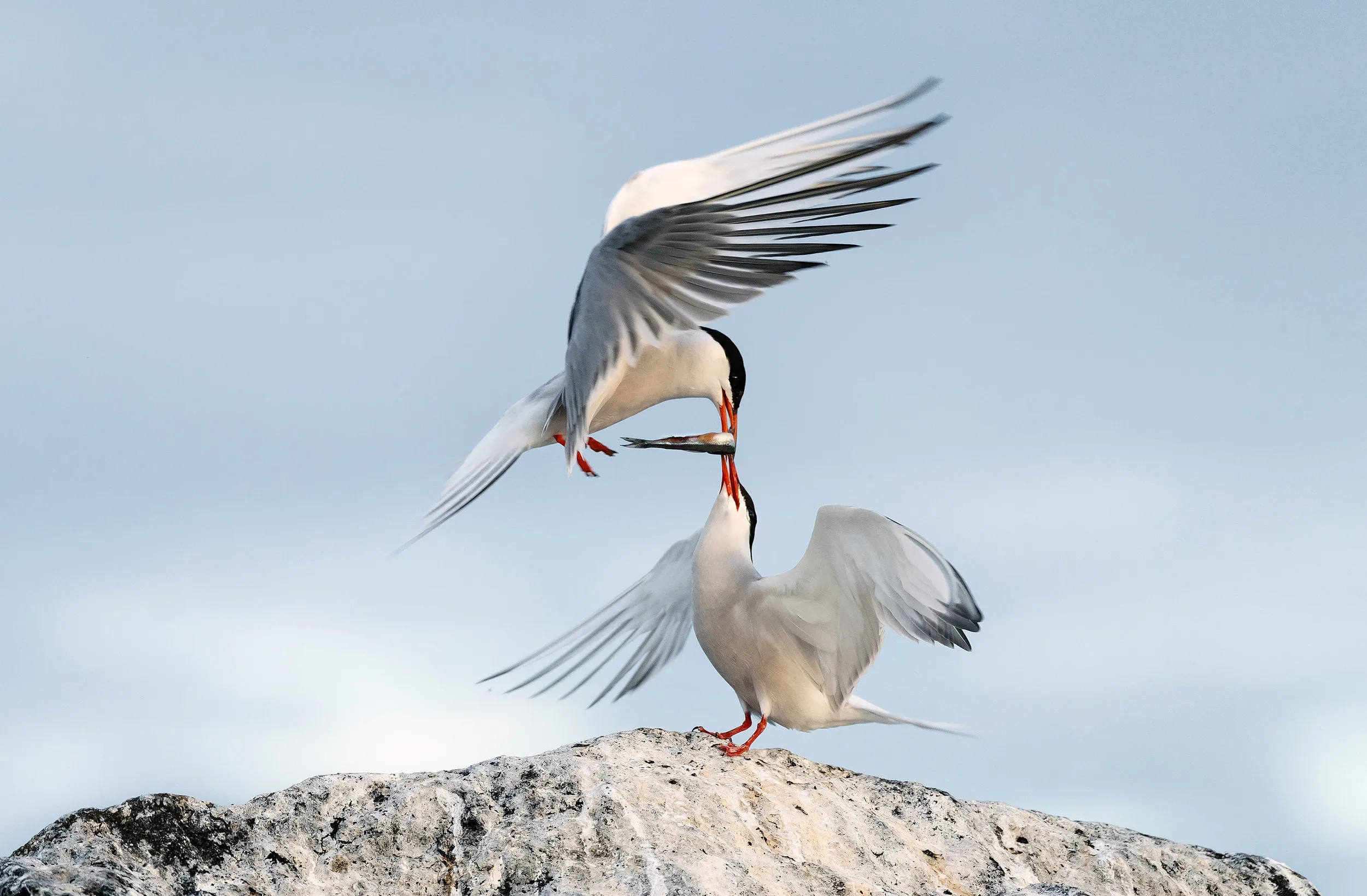
Discover the wonderful colony of Common Terns nesting at the nature reserve in summer.
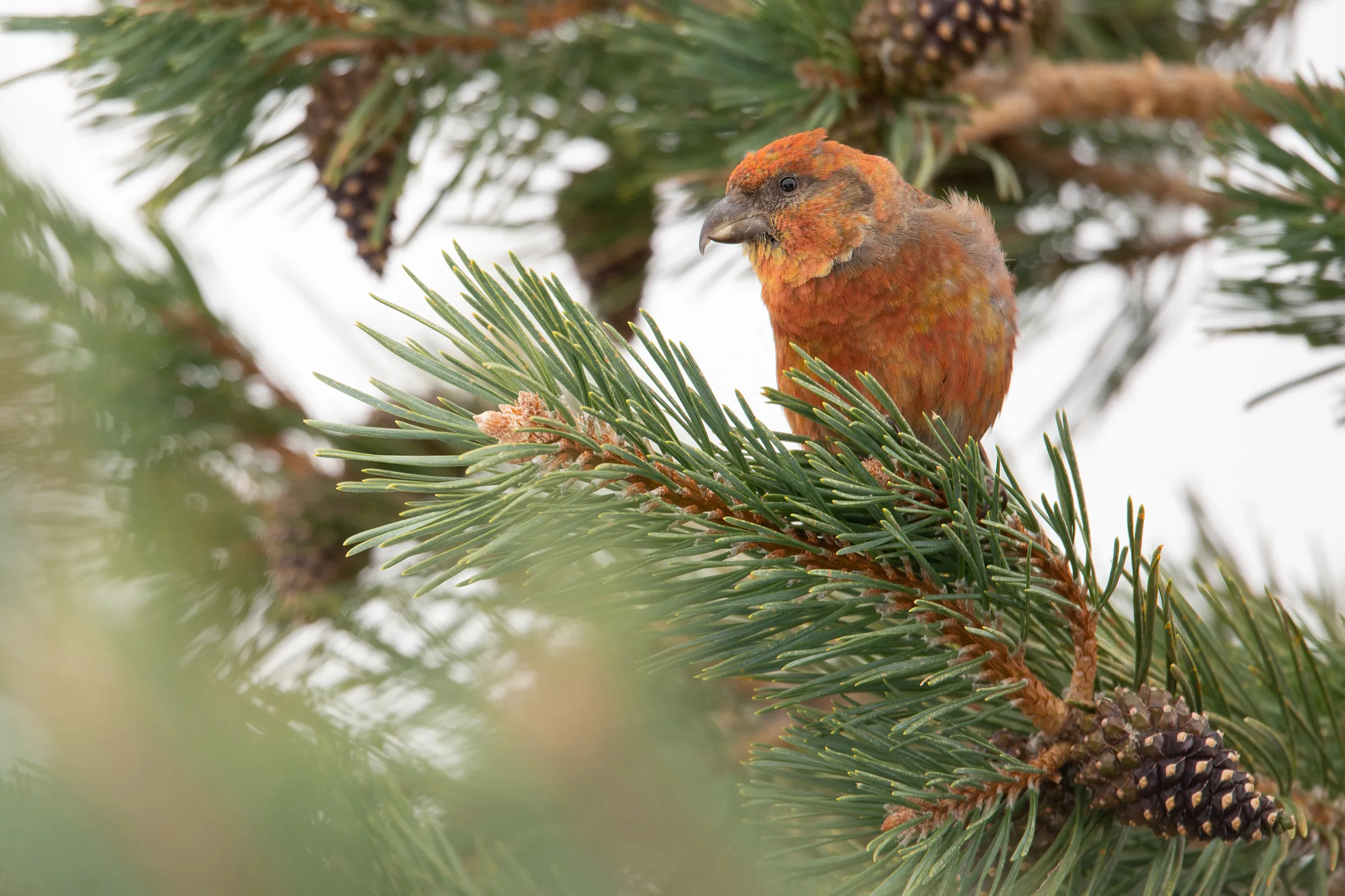
Famous for the nesting Osprey! You can watch the live nest cam and previous footage of Ospreys nesting here. While you’re at the nature reserve, you can spot residents species such as Crested Tits, Crossbill, Scottish Crossbill and Parrot Crossbill.



When we think of migrant birds, Swifts, House Martins, Cuckoos or warblers tend to come to mind. However, there are loads more wonderful migrants in need of help, who don’t always get the spotlight.
Ring Ouzels, a close relative of the familiar Blackbird, arrive here in March and leave around September to October. They make the most of the warmer months here by munching on all the worms and beetles. This species is Red-listed because of the declines in the number of breeding birds and their range.

These birds favour hilly or mountainous habitats. So, if you see a similar looking bird in a garden, it is more likely to be a leucistic Blackbird. Leucism is a genetic condition that can cause white patches (or completely white birds) and some birds can really resemble a Ring Ouzel.
Another migrant that doesn’t get attention often, is the Red-necked Phalarope. They spend their winters out at sea where they eat planktons. Come spring, they migrate to the northern parts of the UK.
Their population is localised and they mainly breed in Shetland, Orkney, and the Hebrides, with some additional scattered populations. They especially love shallow pools with lots of emergent vegetation.

Contrary to most other species, the female leads the courtship while the males look after the eggs and young. They are Red-listed due to being a rare breeder and historic declines.
Both of these species are in need of some extra support to help with their populations. We are working both on our nature reserves and beyond, to make sure they have the habitat they need.
Our migrant birds face a lot of challenges. Their population is not only impacted by changes in their breeding grounds but also by threats along the migration route. In order to help, we must understand their experiences beyond our borders.
Take the Turtle Dove for example, a charming farmland bird with a distinct ‘turrr turrr’ call. This gentle bird’s population has declined severely since 1960s. There are several reasons for this, including the low number of chicks being raised per pair. Changes in agricultural practices have also likely resulted in a change in their diet and this could have impacted nestling survival. Hunting in Western Europe has also a significant influence on their population.
We fitted satellite tags to individual Turtle Doves to help us track their migration route and better understand where they spend their time and what it could mean for the population changes.

We learned the routes different populations take, and it has helped us understand how the birds that we see in the UK are all part of a connected population with the birds in France, Spain, Portugal and other parts of Western Europe. Thanks to this information, we understand that conservation actions need to be united for these birds. Since the ban on hunting in 2021-2024, and the subsequent changes in regulations, we’ve seen a 46% increase in the Western Europe population.
There is still a lot more work to be done. That's why we're continuing to work as part of the Operation Turtle Dove partnership. We want to ensure that Turtle Doves have quality breeding habitats and feeding opportunities, and to end unsustainable hunting.
You can help support our efforts to push for nature-friendly farming and restore Turtle Dove habitats by donating to our appeal.

There is nothing like being in nature that lifts my spirits. Whether I’m having a great day or a bad day, watching the wildlife around me and walking under trees always gives a boost of serotonin. You can find me in my local green space attempting to take photos of butterflies and moths, watching the beautiful gulls, and admiring the tall trees.