.jpg)
Did you know?
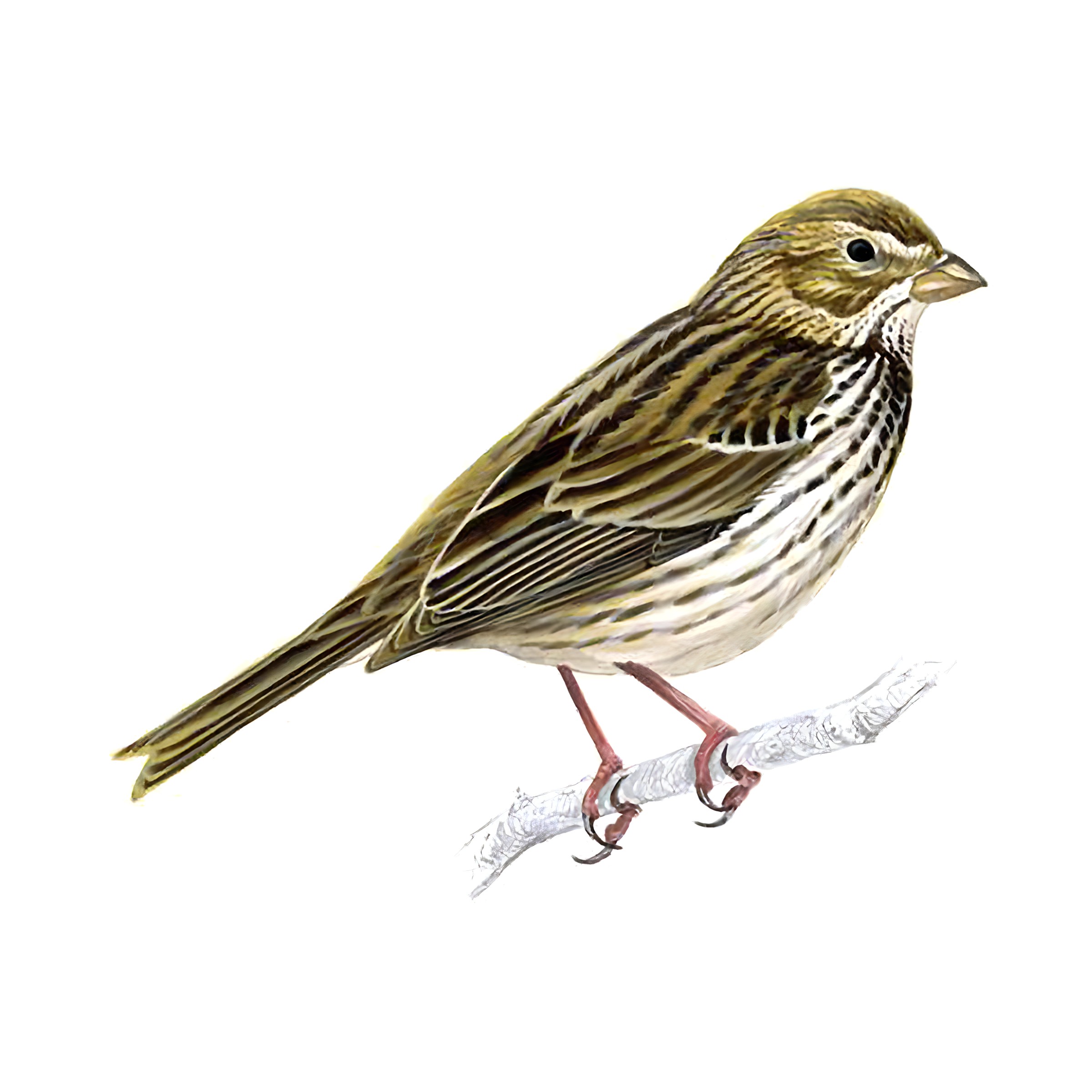
The Corn Bunting is nicknamed the ‘fat bird of the barley’.
This brown, streaky bird is often described as dumpy, owing to its stocky build and its short tail.
.jpg)
.jpg)
.jpg)
Corn Buntings are on the UK Red List, having declined by 83% between 1967 and 2022. There was a steep decline between the mid 1970s and 1980s, with local extinctions across large sections of their former range. The decline has continued, but at a reduced rate until around 2000, since when numbers have remained relatively stable.
Recently there have been signs of recovery in some areas where direct intervention has seen numbers of singing males in Fife, in Scotland, increase from 102 in 2014 to 426 in 2024 and the England Breeding Bird Survey trend shows a 35% increase between 2012 and 2022.
The Corn Bunting is nicknamed the ‘fat bird of the barley’.
This brown, streaky bird is often described as dumpy, owing to its stocky build and its short tail.

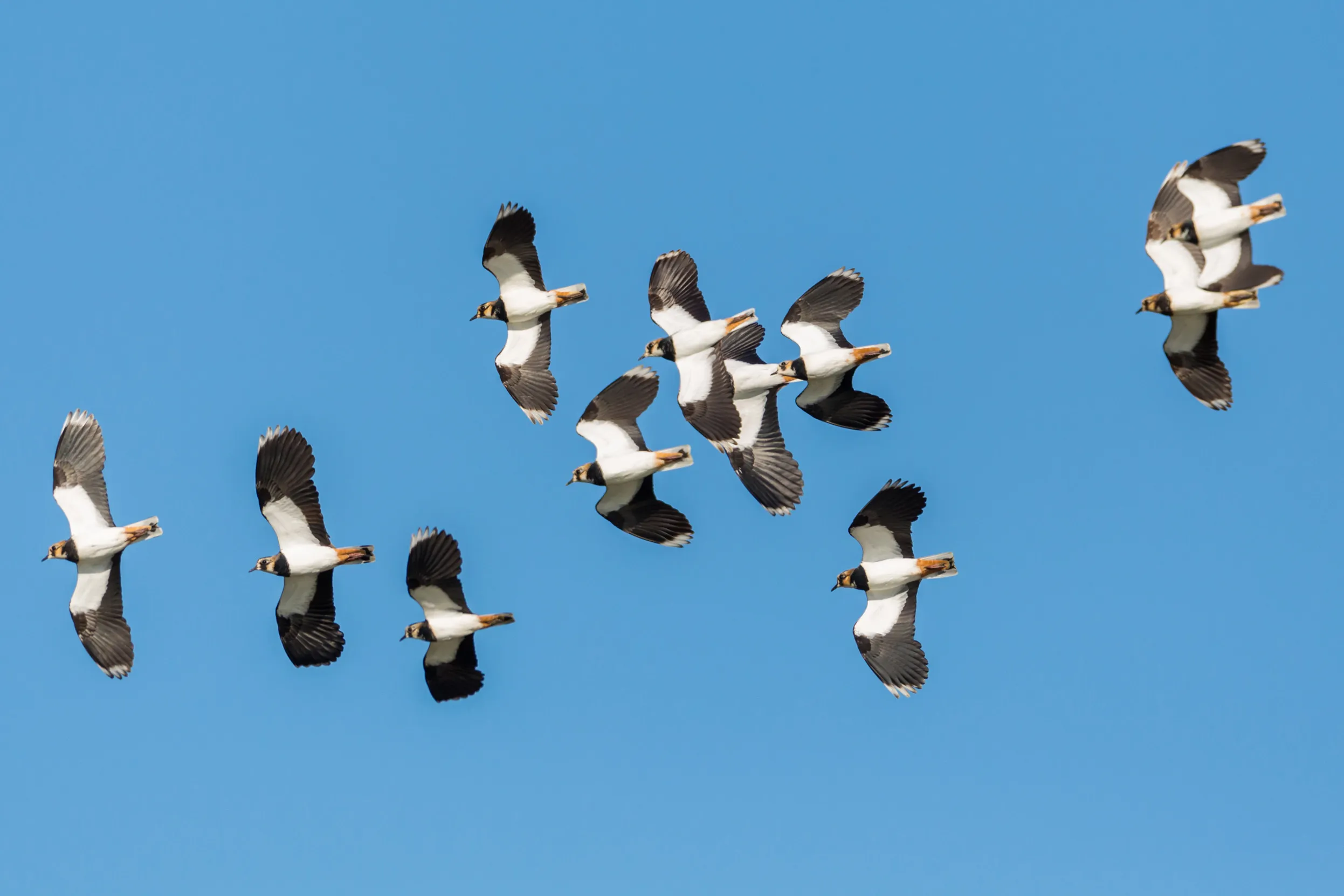
The extension will see vital habitat creation for threatened birds, like Corn Buntings and Lapwings.
Now largely absent from Wales and Northern Ireland, Corn Buntings have become a rare sight across much of the UK. Local populations can still be found, mainly associated with arable farmland in the Northeast of Scotland and Fife and in the south-west and eastern areas of England.

Corn Buntings are very much at home perched on a farm fence post or wire and had adapted to live closely alongside people for thousands of years. It thrives in rich, open grassland areas – like arable farms – building nests in among crops or on grassy margins.
.jpg)
Head outside and discover fascinating birds each month. Read on for top ID tips, what to listen for, and where to see them.
.jpg)
Find out how we’re raising the alarm for the ‘Fat Bird of the Barley’.