
Days out
Adur Estuary Shoreham-by-Sea
Enjoy a ramble around the edges of the River Adur estuary, a wonderland for wading birds and wildfowl where two crucial coastal habitats meet.

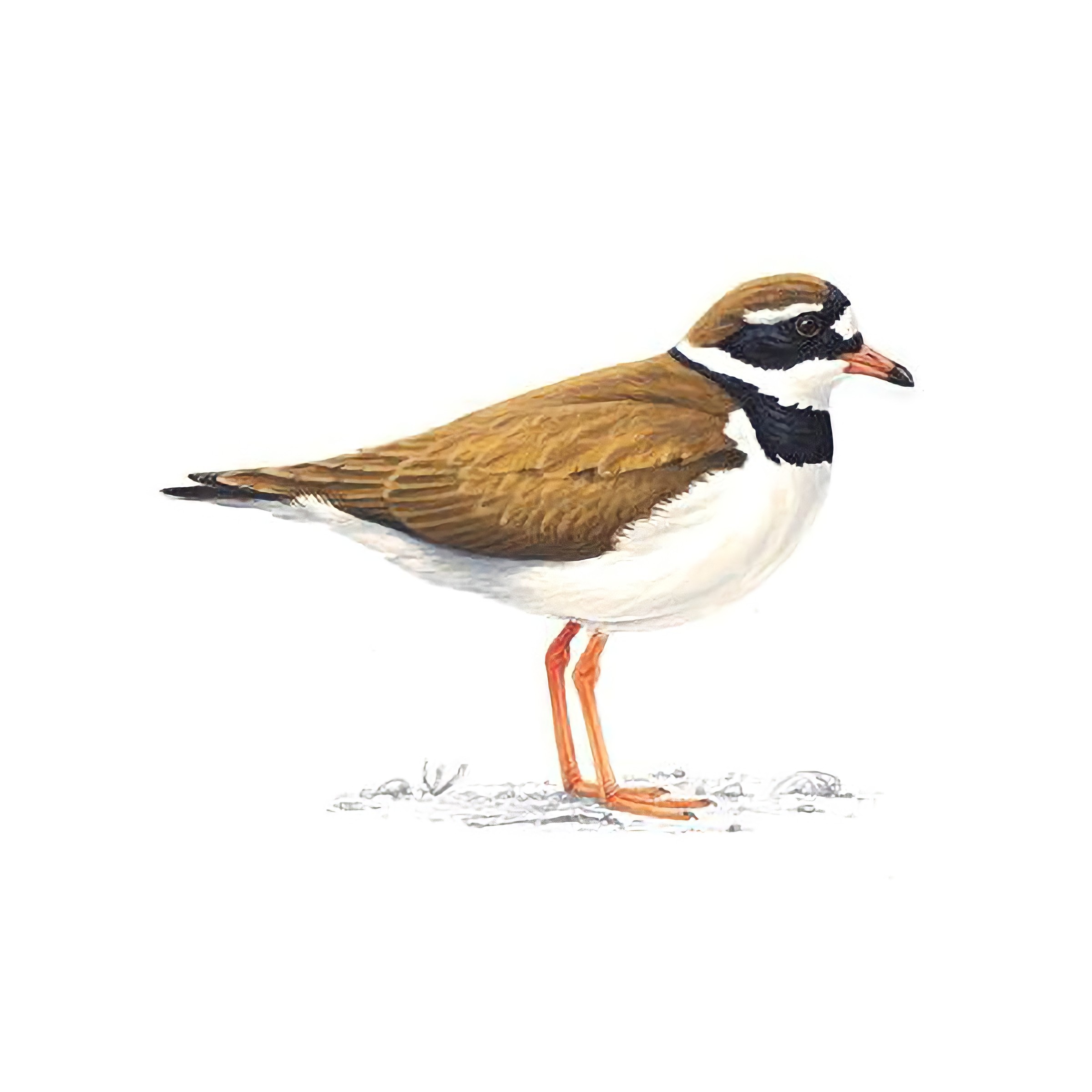


Greyish brown above and white below
White collar and forehead
In summer, adults have a black bib and black ‘bandit’ style mask across their eyes. In winter, these fade to brown
Blunt, black-tipped orange beak, which turns brown in winter
Bright orange legs, which fade in winter
Juveniles have a dark beak, paler legs, and lack the bold black and white head pattern
Larger and stockier than a Little Ringed Plover, and lacks the distinctive yellow eye ring
Broad, white wing stripe visible in flight

Ringed Plovers are fascinating birds to watch, but they’re very vulnerable to disturbance, so please remember to stay at a safe distance, to allow them to tend to their eggs and chicks in peace.
Ringed Plovers are seasonally monogamous, which means they have to find, woo and keep a mate every year. Unlike some beach-nesting birds like terns, which nest in colonies, they prefer to nest alone, so competition is fierce between males for the best territories. You might see territorial displays called ‘skirmishes’, involving lots of tail fanning, sparring, bowing and high-speed chases between groups of males vying for the best spots. Listen out for their soft, rhythmic ‘toodle-toodle-toodle’ calls.
Once they’ve claimed a territory, males will perform ‘butterfly flights’ where they fly around the perimeter using deep, slow wing beats, to advertise it – and themselves – to potential mates.
If a female shows an interest, the male will try to woo her by running over and showing off some seriously fancy footwork – marching with his bright orange legs lifted high, like a soldier on parade. If she’s smitten by his dance moves and they form a pair, they’ll likely stick together through thick and thin for the rest of the breeding season.
Ringed Plovers like to nest out in the open on beaches, between the high tide mark and the top of the beach. Once the pair have chosen a prime spot for a nest, they will create a hollow in the shingle called a ‘scrape’.
Once satisfied with their handiwork, the male will call his partner over to inspect the nest. As she hops in, he’ll hold his wings outstretched over her, like an umbrella, and repeatedly toss little shells around with a dramatic flourish, in a performance endearingly known as a ‘scrape ceremony’. If the female decides the nest is up to her high standards, she will let the male mate with her. If not, she wanders off, leaving the somewhat dejected male to build another nest and try again.
Females will lay up to four eggs in the nest scrape and both parents take turns incubating them. The eggs are beautifully speckled to look like pebbles and blend seamlessly into the surrounding sand and shingle. This makes them hard for predators to spot, but also incredibly vulnerable to being trampled underfoot.
If nesting Ringed Plovers are disturbed, they could flee their nest, leaving their eggs and chicks unprotected from other dangers. By following these simple tips when visiting nesting sites between March and end of August, you can help to keep plover families safe:
Keep dogs on a short lead between March and the end of August.
Keep your distance from areas that have been fenced off to protect Ringed Plover nests.
Give chicks and their parents a wide berth if you see them on the beach.
Always watch from a safe distance to avoid disturbing the birds.
Ringed Plovers are fiercely protective parents and brilliant actors – adults will pretend to have a broken wing to distract a predator and lure it away from their eggs or chicks.

Since 1984, we’ve lost more than one in three Ringed Plovers in the UK. Find out how a dedicated team of plover lovers is helping these threatened birds bounce back and learn what you can do to help.