.jpg)
Spotlight
A helping hand for Swifts
An inspiring read about the volunteers who are making sure that Swifts have more homes to return to in spring.
9th Sep 2026
Find out how volunteers are helping to save the UK’s most vulnerable species.
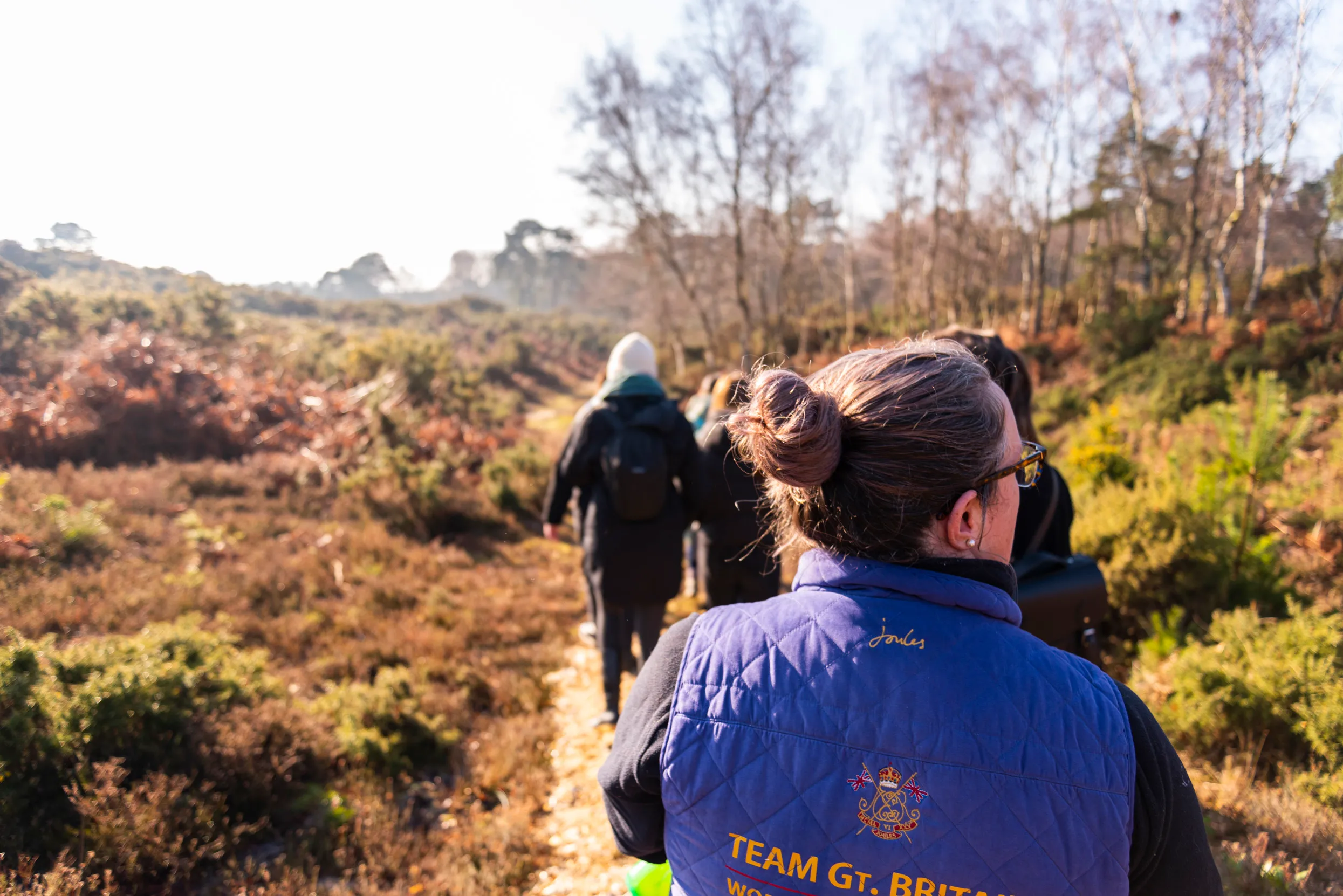
Across the UK, RSPB volunteers are helping to save some of our most vulnerable species. Many are part of the Species Volunteer Network, a people-powered movement of more than 1000 volunteers who dedicate their time and skills to helping protect wildlife like Swifts, Curlews and Little Terns.
The RSPB’s Species Volunteer Network empowers volunteers and their communities across the UK to take action for species by providing training and support for an exciting variety of roles including surveying, data analysis and community engagement.
As well as helping to support our species recovery work, volunteers have the opportunity to learn new skills, meet like-minded people and connect with nature too!

Find out how the Species Volunteer Network is supporting our species recovery work across the four UK countries.
Swifts are iconic summer visitors to the UK, winging their way here from Africa to nest in the nooks and crannies of our roofs. But as more and more old buildings are replaced or renovated, many Swifts are returning to find their nest sites gone – one of the likely reasons why their numbers plummeted by 68% in the UK between 1995 and 2023.
In Greater Manchester and the West Midlands the Species Volunteer Network supports teams of ‘Swift Champions’, working alongside Swift Local Network groups and RSPB Local Groups. Volunteers take direct action, raise awareness, and work with local communities to create safe nesting places.
In Greater Manchester, in collaboration with the People’s Postcode Lottery-funded Manchester Swift City Project, the Species Volunteer Network has helped to:
recruit and train 59 volunteers across Greater Manchester
establish 10 Swift Streets or Hubs
install 202 Swift Boxes since 2024
After just one year, the Swift Champion volunteer team was presented with an RSPB President’s Award in recognition of their efforts to rally the community.
Volunteer voice:
“Once I saw this role, I knew I had the opportunity to collaborate and contribute to preventing the decline of Swifts. It gave me the opportunity to interact with a team and meet people with the same interests (liking nature is something we all have in common!).”
Natalia Curi Ayala – Volunteer Coordinator on the Greater Manchester Swift Project

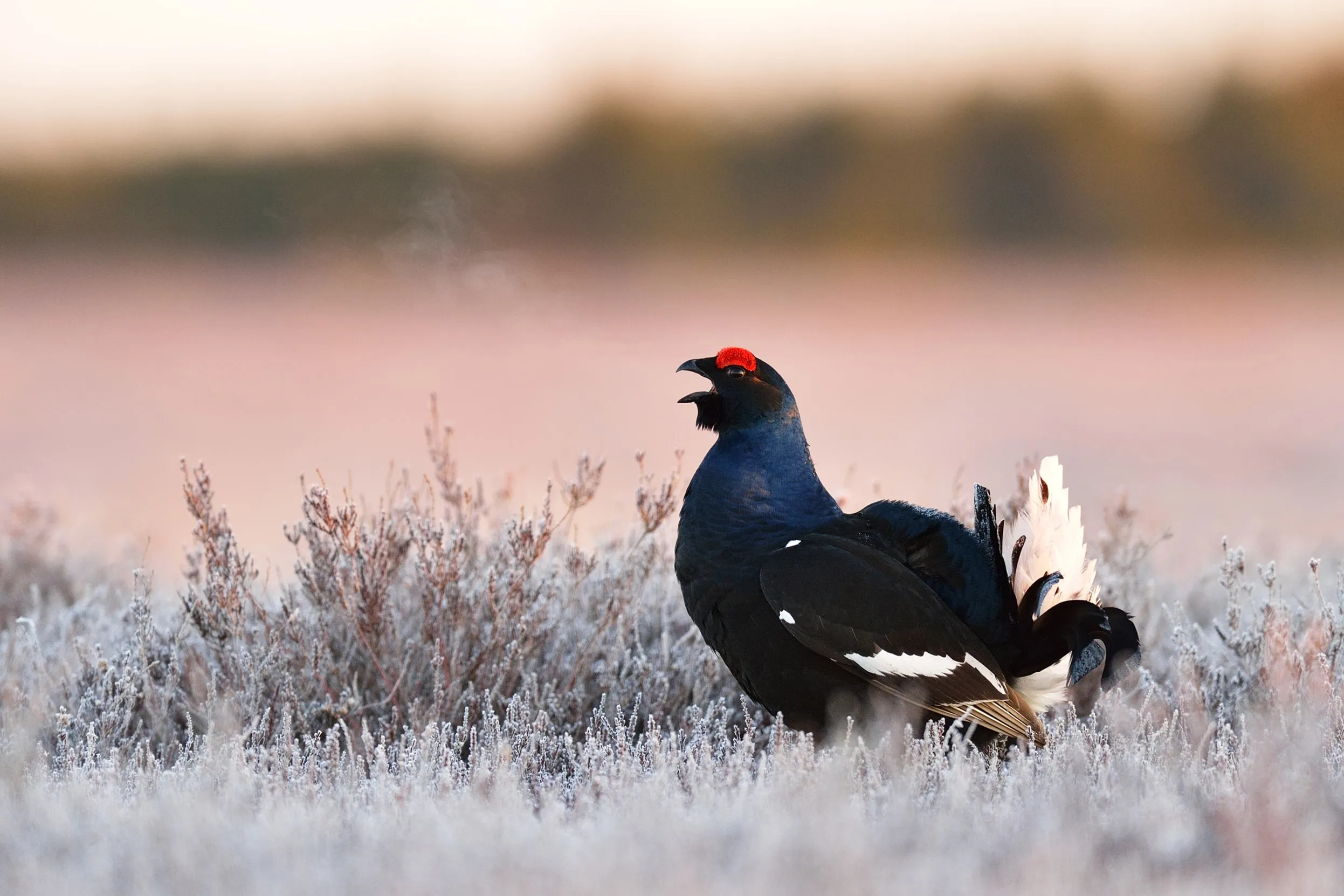
In 2025, volunteers from the Species Volunteer Network ventured out onto the moors of north Wales in the darkness of early dawn, to seek out the mesmerizing performance of the lekking male Black Grouse.
These sunrise outings are all for an important reason – the annual lek counts. These spring surveys help estimate population numbers of this impressive yet declining species and form a vital part of the RSPB’s Black Grouse recovery work, which began in the 1990s.
Black Grouse lek counts are carried out very carefully to avoid disturbing the birds. Our dedicated team of volunteers were specially trained in early spring, in preparation for the surveys. On the day of the count, surveyors arrive quietly before dawn, watch from a safe distance using binoculars or scopes, and only visit each site once during the peak season. This way, we can learn more about Black Grouse populations while making sure the bird’s natural behaviour is not disrupted.
Volunteer voice:
“We arrived on site an hour before dawn and were rewarded with a beautiful sunrise and a lovely dawn chorus full of the sounds of Wrens, warblers, thrushes, Blackbirds and Blue Tits. A beautiful morning in the north Wales countryside helping nature!”
Kathryn McGrath – Volunteer Black Grouse surveyor
Volunteer voice:
“Volunteering as a Cairngorms Wader Surveyor taught me so much about Curlew and other wader identification, behaviour, and habitat! Getting up just after dawn is so worth it, as nature is at its best.”
Anouk Schurink – Surveyor, and Data and Mapping Volunteer, on the Cairngorms Wader Survey
The Cairngorms are home to one of the area holds one of the largest populations of breeding waders in the UK. Since 2000 key breeding wader sites within Badenoch and Strathspey have been monitored with a five-yearly survey. Strathspey Wetlands and Wader Initiative (SWWI), established in 2009 with RSPB a partner, has led the survey with a growing number of farmland sites.
With the full support of the Species Volunteer Network we created the Cairngorms Wader Survey in 2025, funded by players of People's Postcode Lottery, and Cairngorms National Park. We expanded the survey to include farms in the Grampian Wetlands and Wader Initiative (GWWI) which had also been sporadically surveyed since early 2000s.
The Species Volunteer Network helped the project to reach into local communities, recruiting a record 62 volunteer surveyors, including many who had never volunteered before. Having such a large volunteer team helped us to survey almost 100 farmland sites across the Cairngorms covering a total area of over 140km2. This dedicated volunteer team clocked up around 1800 hours as they surveyed farmland sites for Curlew, Lapwing, Snipe, Oystercatcher and Redshank. Only with this immense support from volunteers, along with farmers and partners, could we ensure that the survey was a success.
To help us efficiently process and collate the findings of this survey we recruited a team of specialist data and mapping volunteers. This team has been a critical part of the survey, allowing us to disseminate survey findings to farmers, volunteers and the wider community in a timely manner. The data collected builds an important understanding of how these species are doing and can help inform future efforts for threatened species.

“Volunteering with the RSPB was an incredibly rewarding experience. The role was flexible, fitting perfectly into my busy life as a mum and part-time worker. Over three years, I gained invaluable experience, accessed fantastic training opportunities, and felt truly supported by staff who listened and valued volunteer ideas.
Today, I’m proud to join the RSPB team as an Assistant Conservation Officer. The skills and confidence I developed as a volunteer paved the way for this exciting step.”
Fiona Robinson, RSPB Assistant Conservation Officer and former Volunteer Coordinator on the Giving Corncrake a Home Project
After facing extinction in the 1990s, the distinctive, rasping call of the Corncrake has returned to Northern Ireland’s Rathlin Island, thanks to the dedicated work of volunteers.
For more than 15 years, RSPB NI’s longest-running project, Giving Corncrake a Home, has worked closely with local farmers and volunteers to create safe spaces for these elusive birds.
“Giving Corncrake a Home”, RSPB NI’s longest-running project, started over 15 years ago.
The team works in collaboration with farmers who generously offer land during the winter months where volunteers dig and wash nettle rhizomes which are then replanted at Rathlin. The nettles provide dense, tall vegetation early in the year, providing safe habitat for nesting and foraging when Corncrakes return from migration in April.
Connecting people to save nature is at the core of the project, and since 2022 the Species Volunteer Network has been involved with recruiting and developing volunteers to carry out the winter work parties to harvest the nettle rhizomes.

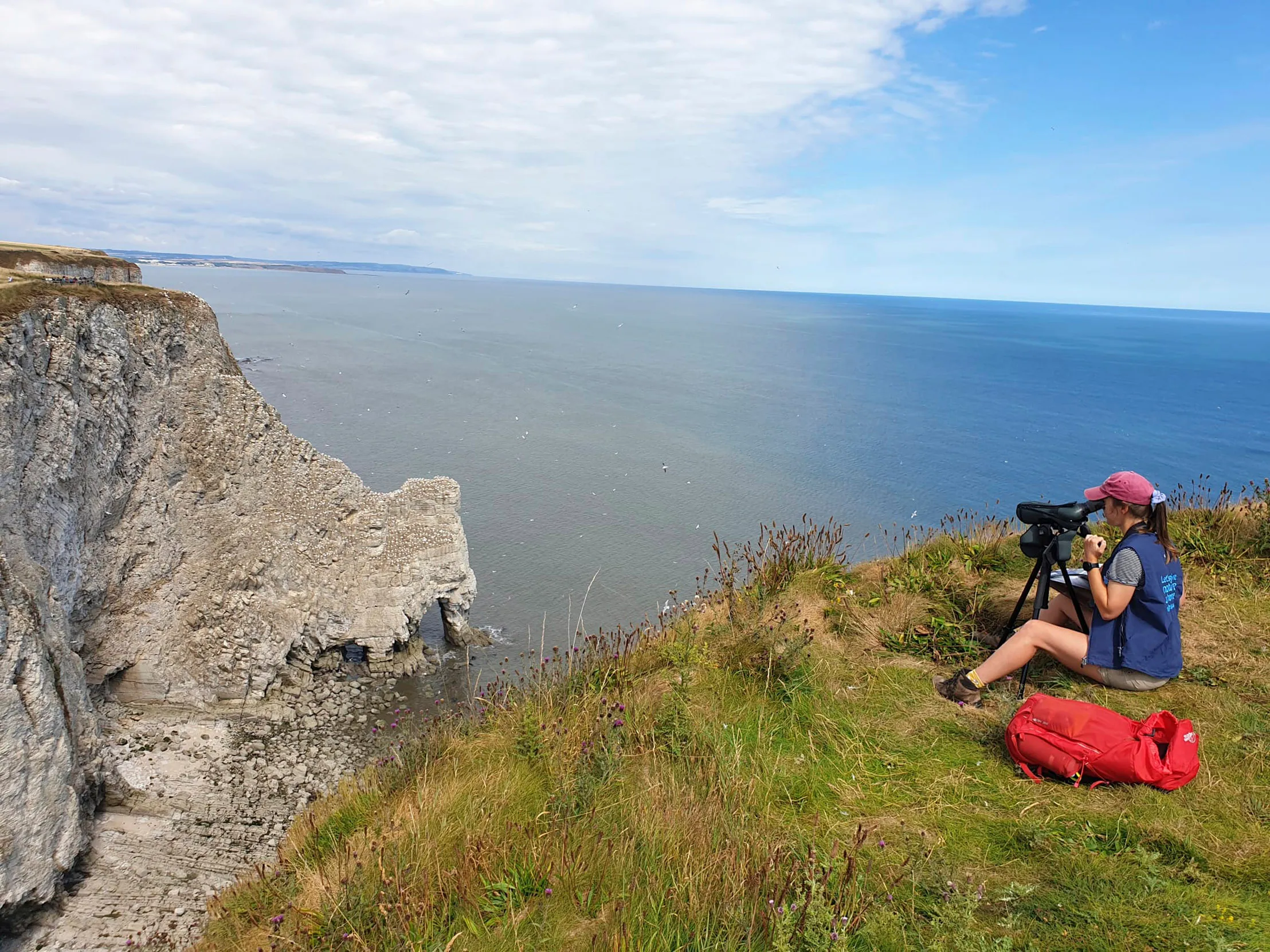
If you are feeling inspired and would like to get involved in species recovery projects or any other volunteering roles, please go to our RSPB Volunteering Opportunities page.
If you can’t find the sort of volunteering role you’re looking for from our listed opportunities, please do get in touch so we can help find the right role for you. Whilst we cannot always guarantee a role on a specific project, you can contact us directly at SpeciesVolunteerNetwork@rspb.org.uk and we will get back to you as soon as possible.
Get involved in species recovery projects or other volunteering roles


