An update on science, policy, and practice on the impact of predators on wild birds
The conservationist's dilemma

Written by: Martin Harper
Published: 16th April 2014
Topic: An update on the science, policy and practice of the impact of predators on wild birds.
The RSPB is, of course, passionate about increasing the population of threatened species. Dedicated work by RSPB staff and volunteers goes into creating the right habitat to support priority birds (alongside all other species). As well as getting the habitat structure and the food supply right, the RSPB tries to ensure the birds are productive, raising a good number of chicks.
The great conservationist's dilemma comes about when one species (usually a predator) threatens the population of another. The RSPB then has to address what to do about it, particularly on its nature reserves.
The RSPB has invested considerable research into the role of predators. This included a review of the evidence of the impacts of predation on wild birds which concluded that:
Generalist ground predators,such as foxes, can sometimes reduce the population levels of their prey. This is a concern for the conservation of threatened ground-nesting birds, such as Lapwings.
The evidence to implicate predators such as Sparrowhawks in the declines of songbirds is very weak.
A more recent review confirms these findings.
The RSPB has carried out considerable work on the impacts of predation on breeding productivity of Lapwings on lowland wet grasslands. The research on Lapwings has shown that, at the majority of sites studied, foxes are by far the most important predator of their nests. As such, the RSPB has subsequently developed and installed predator-exclusion fences at suitable sites to help protect nesting waders against Red Foxes (and also Badgers at some sites).
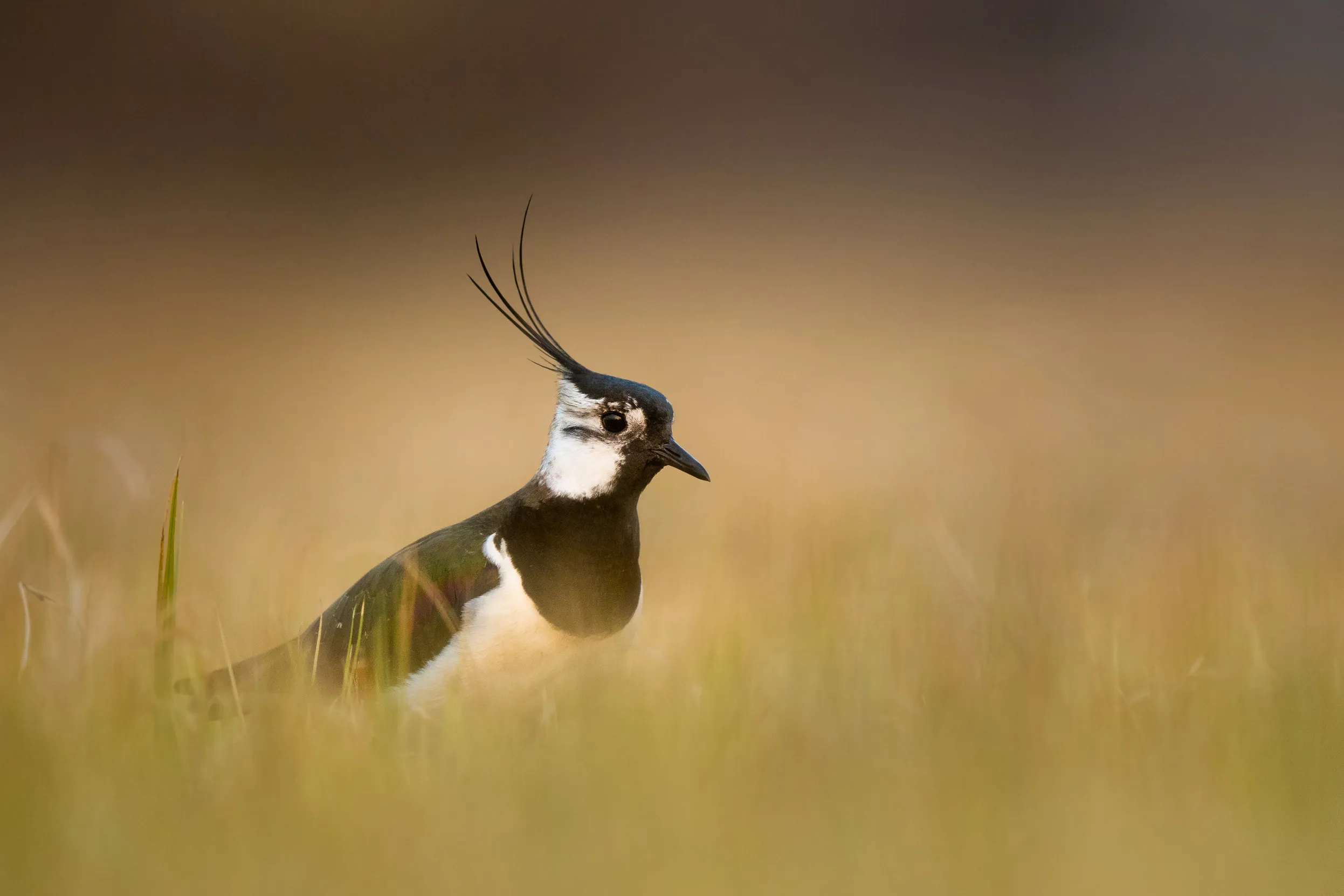
Estimates suggest that Lapwings need to fledge between about 0.6 and 0.8 young per pair to maintain a stable population. In 2013, on RSPB reserves with predator-exclusion fences (such as Rainham Marshes), mean Lapwing productivity was 1.05 chicks per pair. Working with neighbouring land managers to restore habitats at a landscape-scale, it is hoped that the productive waders on nature reserves will help to repopulate the surrounding countryside.
However, occasionally foxes get inside fences and at some sites ground-nesting birds are too widespread for fences to be effective. In these circumstances lethal control is used. These decisions are never taken lightly and are guided by the RSPB's Council-approved policy.
Vertebrate control on RSPB reserves is only considered where the following four criteria are met:
- That the seriousness of the problem has been established;
- That non-lethal measures have been assessed and found not to be practicable;
- That killing is an effective way of addressing the problem;
- That killing will not have an adverse impact on the conservation status of the target or other non-target species.
The table below summarises the number of vertebrates killed on RSPB reserves by the RSPB and its contractors during 2012–13. The table does not include vertebrate control commissioned by third parties as part of existing rights.
The tables show that there are four main situations where the above criteria are met. These are to:
- Increase breeding productivity of ground-nesting birds (mainly waders), principally by controlling foxes;
- Reduce numbers of deer where they are having a detrimental impact on the vegetation, especially by overgrazing the ground flora in woodlands and preventing tree regeneration. Often deer management is undertaken to prevent damage, or aid recovery, of nationally important wildlife sites;
- Protect nesting seabirds;
- Benefit Water Voles by killing non-native Mink.
The RSPB continues to be guided by the needs of threatened species, science and its policy.
