An update on the RSPB’s review of its policy on gamebird shooting (3)
The consultation phase of the RSPB’s review of it's gamebird shooting policy has now ended. Here is an update on the progress to date.
Written by: Martin Harper
Published: 1 May 2020
Topic: RSPB’s review of its policy on gamebird shooting
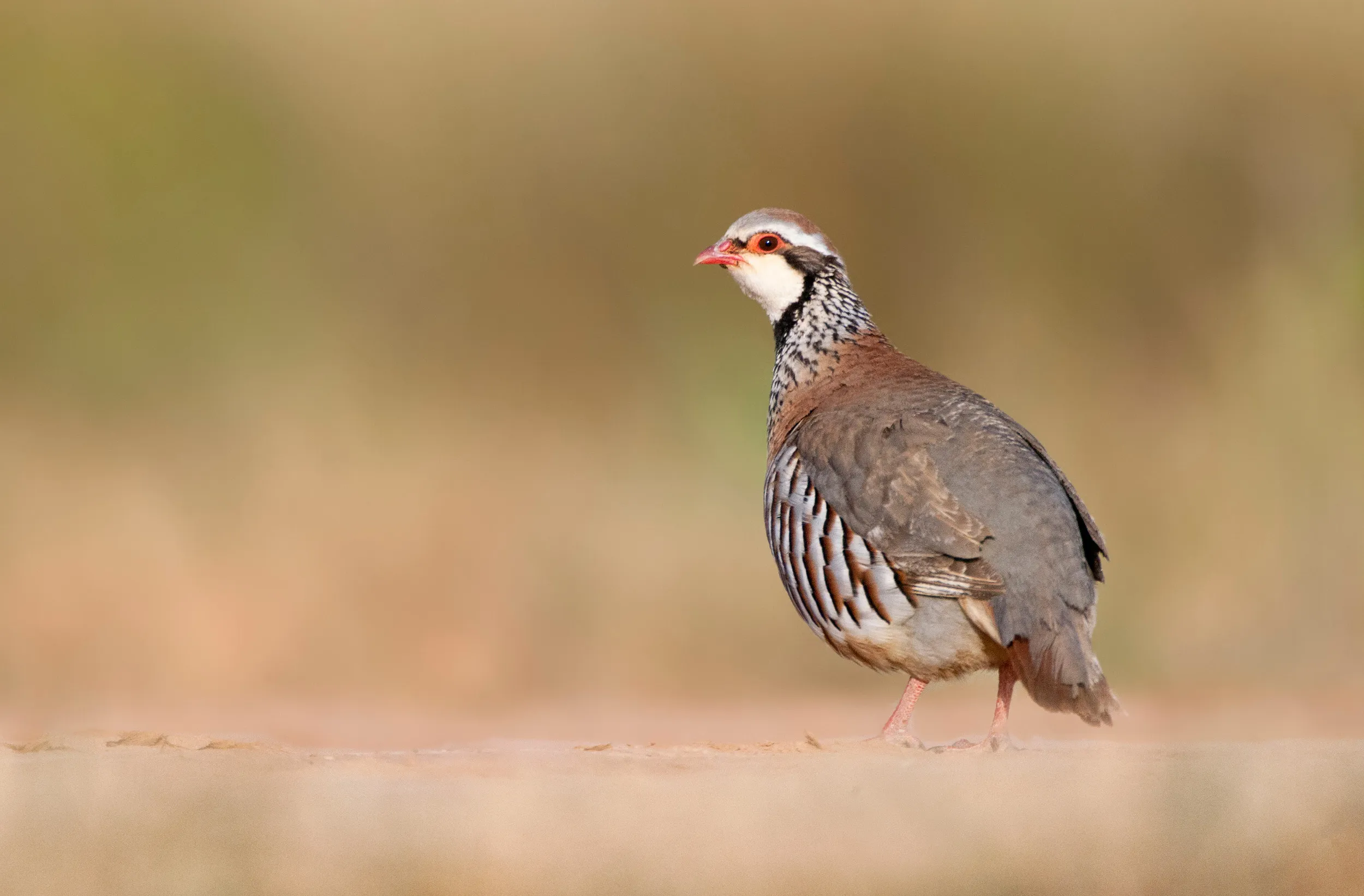
The review is being carried out in response to the growing public concern, and mounting scientific evidence, of the damaging environmental impacts of the most intensive form of shooting. This is especially with regard to driven grouse moor management (which involves shooting our native Red Grouse) and large-scale release of non-native game birds, primarily Pheasants and Red-legged Partridges, which is in excess of 57 million birds annually.
The negative impacts include:
- The ongoing and systematic illegal persecution of birds of prey such as Hen Harriers
- The ecological impact of high numbers of game birds released into the countryside, which may increase the density of generalist predators
- The mass culling of Mountain Hares in some parts of our uplands
- The use of lead ammunition
- The impact of burning peatlands and medicating wild animals for shooting.
The review is being conducted in three phases. The opening consultation phase received views on gamebird shooting and associated land management from:
- A randomised sample of 5,265 RSPB members
- An additional 663 RSPB members
- 2,847 RSPB staff and volunteers
- More than 20 organisations or groups with an interest in nature conservation, animal welfare, land management and gamebird shooting
- 50 individuals through some confidential conversations.
The RSPB is extremely grateful to all those who took the time to share their views. The views gathered from the consultation are guiding the development of nature conservation principles for gamebird shooting and associated land management to be approved by the RSPB Council.
The second phase involves completing scientific reviews of the evidence of impacts from the two most intensive forms of shooting (driven grouse and high density gamebird releases) to help assess these shooting styles against the conservation principles.
The final phase involves reviewing the RSPB’s existing policy on driven grouse shooting and developing a new position on gamebird releases.
The results of the policy review are set to be announced at the RSPB's AGM in October.
While the review continues, the RSPB is exploring ways to share preliminary thoughts with the consultees.
Thank you again to all who have contributed views to date.