Feature

Our vision for the Bowland Priority Landscape

Working with partners for nature in a key upland landscape important for breeding birds such as Curlews and Hen Harriers.

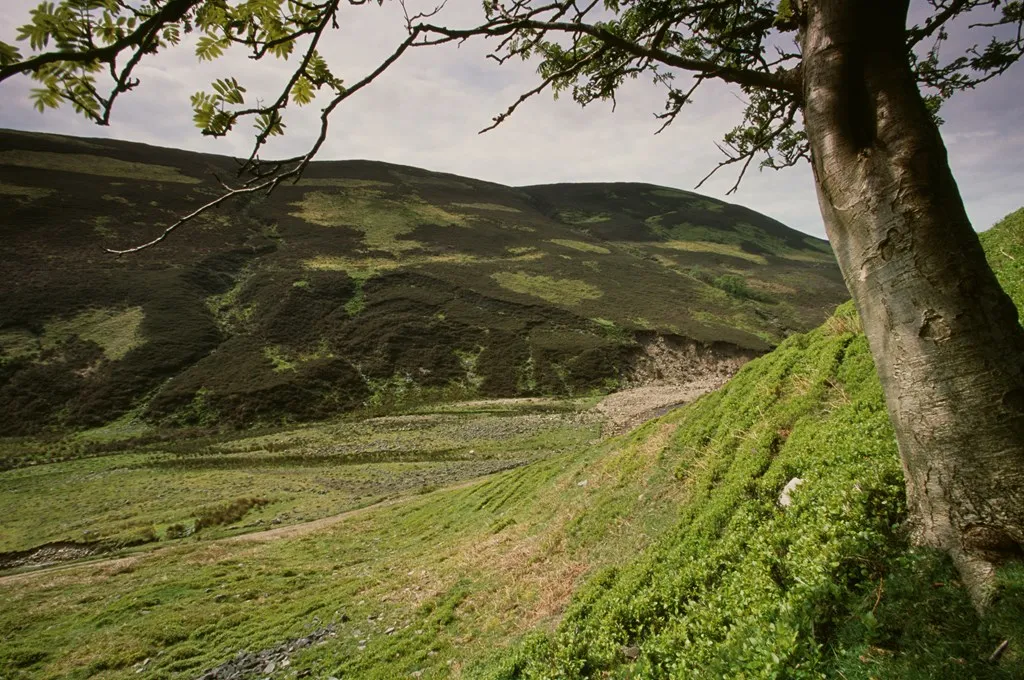
Parrock Head, Bowland.
On this page

The vision for our Bowland Priority Landscape is one made resilient to the effects of climate change through nature-friendly farming and sustainable land management. Breeding waders will thrive in restored, species-rich hay meadows and Hen Harriers, the emblem of the National Landscape, will breed free from persecution. 

Peatlands are restored and the rivers that they feed are clear, naturally flowing and rich in wildlife, providing flood resilience to neighbouring areas. Our partnerships will support nature, climate and people, bringing benefit to all.

About the Bowland Priority Landscape

At the heart of this landscape is the Bowland Fells Site of Special Scientific Interest (SSSI). It’s a distinctive upland block characterised by blanket bog, upland heath, steep-sided river valleys, clough woodland pockets, and streams. 

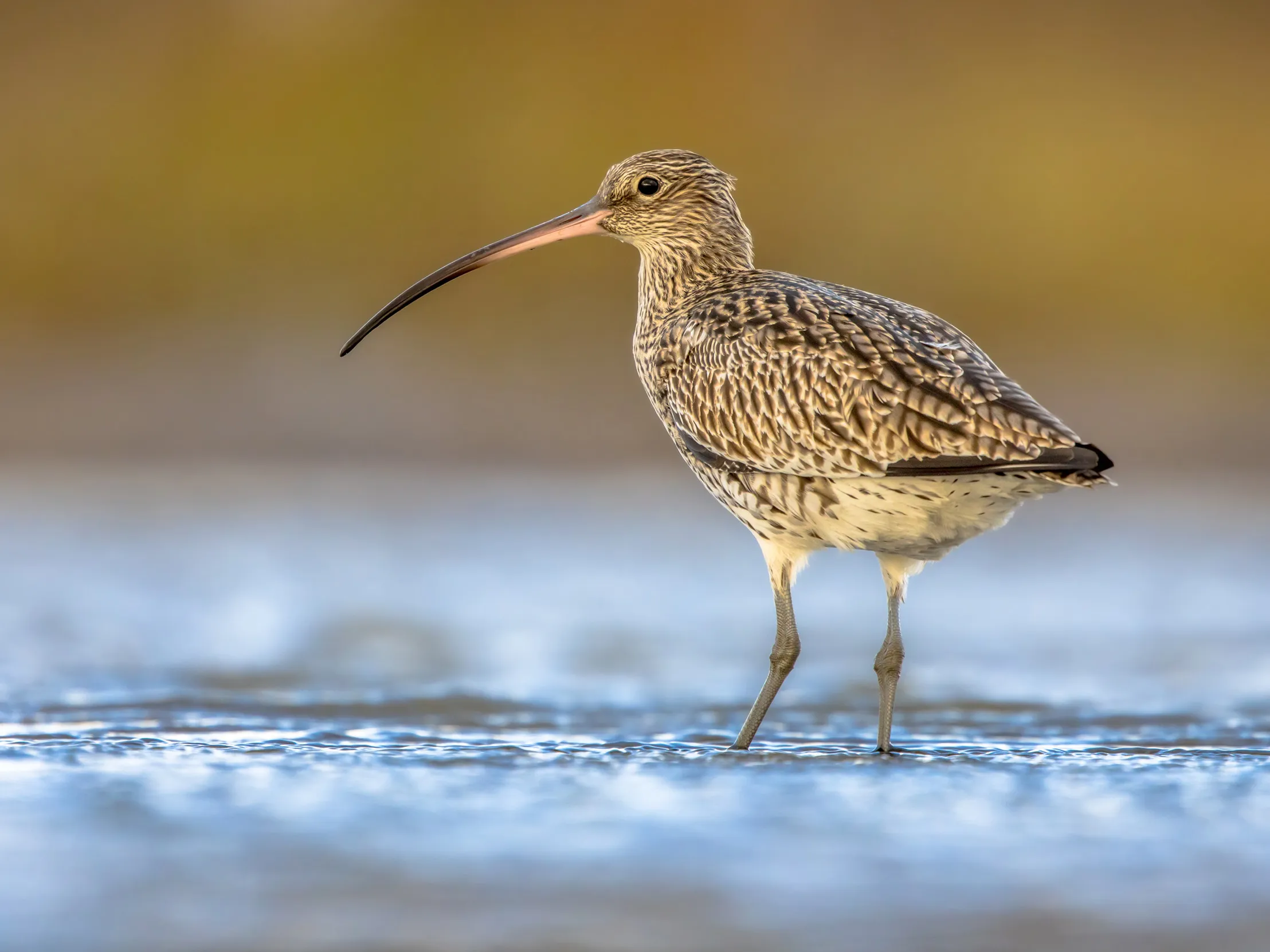
Below the moorland-line, most of the area is dominated by in-bye grassland, which is important for breeding Curlews. Over the last 40 years, much of the in-bye ground has been heavily refined for agriculture, creating species-poor silage meadows and heavily grazed pasture. 

Above the moor-line, land is managed for hill sheep farming, grouse shooting and water catchment. It’s a Special Protection Area (SPA) and internationally important for breeding Hen Harriers, Merlins and Lesser Black-backed Gulls but is mostly in unfavourable condition.  

A unique aspect of the Bowland Priority Landscape is that much of the land is owned by water services company United Utilities (UU), and large private shooting estates. Therefore, habitat improvement of upland areas and associated in-bye is dependent on constructive relationships with these landowners and the tenant farmers on their land. There are no major settlements. 

A Peregrine perched on small ledge in a cliff face.

Where is the Bowland Priority Landscape?

The Priority Landscape is largely situated in Lancashire with a smaller area extending into North Yorkshire. It covers a total of 86,769ha (hectares), 73,438 (85%) of which are situated in Lancashire, with 13,331ha (15%) extending across the county border into North Yorkshire. 

A tree branches out across a lush green grass and rolling hills.

Key habitats and species

Key habitats

  • In-bye grassland, steep-sided river valleys and clough woodland pockets with streams, blanket bog and upland heath. 

Key species

  • Curlews, Hen Harriers, Lesser Black-backed Gulls, Merlins, Peregrines, Ring Ouzels, Pied Flycatchers and Black Grouse. 

Designations

Our landscape includes the Forest of Bowland National Landscape (formerly designated an Area of Outstanding Natural Beauty), part of the Yorkshire Dales National Park, and all the Bowland Fells SSSI and SPA.  

The site also contains elements of the North Pennines Dales Special Area of Conservation (SAC), alongside other grassland and lowland raised bog SSSI’s, and woodland SACs and SSSI’s.

Why this area is important

The central upland moorland habitat of the Bowland Fells is nationally and internationally important for breeding Hen harriers, Merlins and Lesser Black-backed Gulls. The latter nests in the largest colony in the world, with over 32,000 breeding pairs present.  

The area also supports other birds of high conservation concern such as Peregrine Falcons, Ring Ouzels, breeding waders and, more recently, Black Grouse.  

The surrounding landscape below the moor-line is dominated by farmed in-bye grassland, with species-rich grassland, hay meadows and wet flushes supporting nationally important populations of breeding waders, particularly Curlews. 

Why are we prioritising this landscape?

The focus of RSPB activity in Bowland is on our priority species. These include upland breeding raptors such as Hen Harriers, upland breeding waders, particularly Curlews, and the Lesser Black-backed Gull colony.  

The first two species occur in nationally important numbers in Bowland, so what happens here may have large repercussions for their national population status.  

In the absence of any RSPB landholdings, we’re working with a wide range of partners and landowners. This collaborative approach is vital to delivering landscape-scale nature and species recovery outside of RSPB reserves. 

What are the threats and opportunities?

Threats

  • Lack of funding for nature recovery at scale and on-farm including inaccessibility of Department for Environment, Food & Rural Affairs (Defra) schemes for remote upland farmers and landowners who rely on them. This might result in increases in stocking rates to cover losses. 
  • Inappropriate tree planting impacting habitats important for breeding waders or resulting in loss of other priority habitats.  
  • Increasing recreational disturbance. 
  • Issues with ongoing raptor persecution in the wider area, which is impacting the recovery of Hen Harriers. 

Opportunities

  • Working with partners to deliver the Priority Landscape Plan objectives in line with the National Landscape and Lancashire Local Nature Recovery Plans. Potential for Landscape Recovery Schemes to deliver at scale. 
  • Many farmers and landowners can improve habitats without affecting their business when financial incentives are available and are willing to work with us or partner organisations to make lasting changes, benefitting nature recovery and people. 
  • The peatlands and woodlands are increasingly recognised for their potential for nature restoration and importance for carbon sequestration, climate change mitigation and drinking water provision.  
  • The landscape also provides significant opportunities for sustainable tourism, hiking, cycling and wildlife viewing, supporting local communities through agriculture and tourism. 

What are we trying to achieve with this work?

  1. Ongoing monitoring and data-sharing of raptor and wader populations across the landscape. 

  2. Localised interventions to stabilise and enhance populations of Curlews, Hen Harriers and Lesser Black-backed Gulls. 

  3. Take an active role in landscape-scale nature recovery schemes. 

  4. Work with farmers and landowners to increase the amount of in-bye land extensively managed to benefit breeding waders to 70% of that available. 

The story so far...

  • 2025 was the most successful breeding season in three decades for Hen Harriers with 40 young fledged from 14 nests on the UU Estate. 22 volunteers dedicated 1,500 hours of their time to help with monitoring. 
  • 2025 saw breeding wader surveys on 74 farms; 86 volunteers put in 545 hours of their time, and nesting wader numbers are bucking national trends. 
  • A successful radio tagging project in 2024 monitoring Curlew productivity, with 61chicks tagged. 
  • Nest fencing more than 25 Curlew nests annually with almost 100% hatching success since 2023. 
  • 76 wader scrapes were created in autumn and winter 2025/26. 
  • 1,144m of permanent predator exclusion fencing has been installed on the perimeter of Alston Wetland. 
  • We’ve worked with partners to reduce the negative impacts of the Lesser Black-backed Gull colony on habitats and people; 32,000 breeding pairs were surveyed by Natural England (NE) in 2023. 
  • We’re supporting United Utilities and their tenants to become an exemplar of sustainability with land well-managed for nature on their estate within the Priority Landscape, supporting thriving habitats and species, functional ecosystem services, and a range of land uses.  
  • When we established the Priority Landscape in 2019, we were working with around 33 farmers. Now, in 2026, we are working with over 85 farmers, and our partners with many more. As a result, we have a better understanding of the state of our priority species and the habitats they rely on, what actions are needed, and who to work with to aid nature recovery. 
  • We are starting to expand our work with United Utilities and their tenants, and together with other partners we are looking to expand work on the boundaries of the landscape as well as working with schools, and community groups. 

How can you help

Keep an eye on this page for updates. We’re always looking to recruit new survey volunteers to assist our work on waders and raptors and are currently looking to expand our volunteer co-ordinator roles to enable us to do even more. To find out more, contact us at forestofbowland@rspb.org.uk. 

Hen Harrier flying through clear skies
Hen Harrier
Key partners

We’re working alongside the Forest of Bowland National Landscape Unit, United Utilities, Yorkshire Dales Millenium Trust, Ribble Rivers Trust, Wyre Rivers Trust and Lune Rivers Trust, many landowners and farmers, local communities, The National Trust,

Lancashire Wildlife Trust, Natural England, Northern England Raptor Forum (NERF), Bowland Raptor Study Group, Long Preston Floodplain Project, Yorkshire Dales National Park Authority, Forest of Bowland Farmers Group, Ribblesdale Farmers Group, and the Brock Calder Landscape Recovery Farmers Group.

Share this article