Feature

Our vision for the Cairngorms priority landscape

Discover what we’re doing to help the incredible wildlife and habitats of the Cairngorms flourish.

Perfect reflections of woodland in the Loch with mountains in the background
On this page

Our vision for the Cairngorms priority landscape sees its iconic wildlife thrive and its people and communities value and feel connected to the landscape and nature. 

About the Cairngorms priority landscape

The Cairngorms priority landscape area contains woodlands, wetlands, farmland, moorland and montane habitats. It encompasses the entire Cairngorms National Park which, at 4,500 km2, is the largest national park in the UK. 

The river Tromie in full flow, RSPB Insh Marshes

Where is the Cairngorms priority landscape?

In the heart of the central Scottish Highlands, the Cairngorms is a dramatic landscape and an amazing place for nature. It’s spread across five local authority areas with over 20 distinct communities, covering about 6% of Scotland’s land area. 

Key habitats and species

Key habitats

  • Scotland’s largest expanses of native woodland and arctic-alpine land, an important proportion of Scotland’s moorland habitats and important river and wetland areas.

Key species

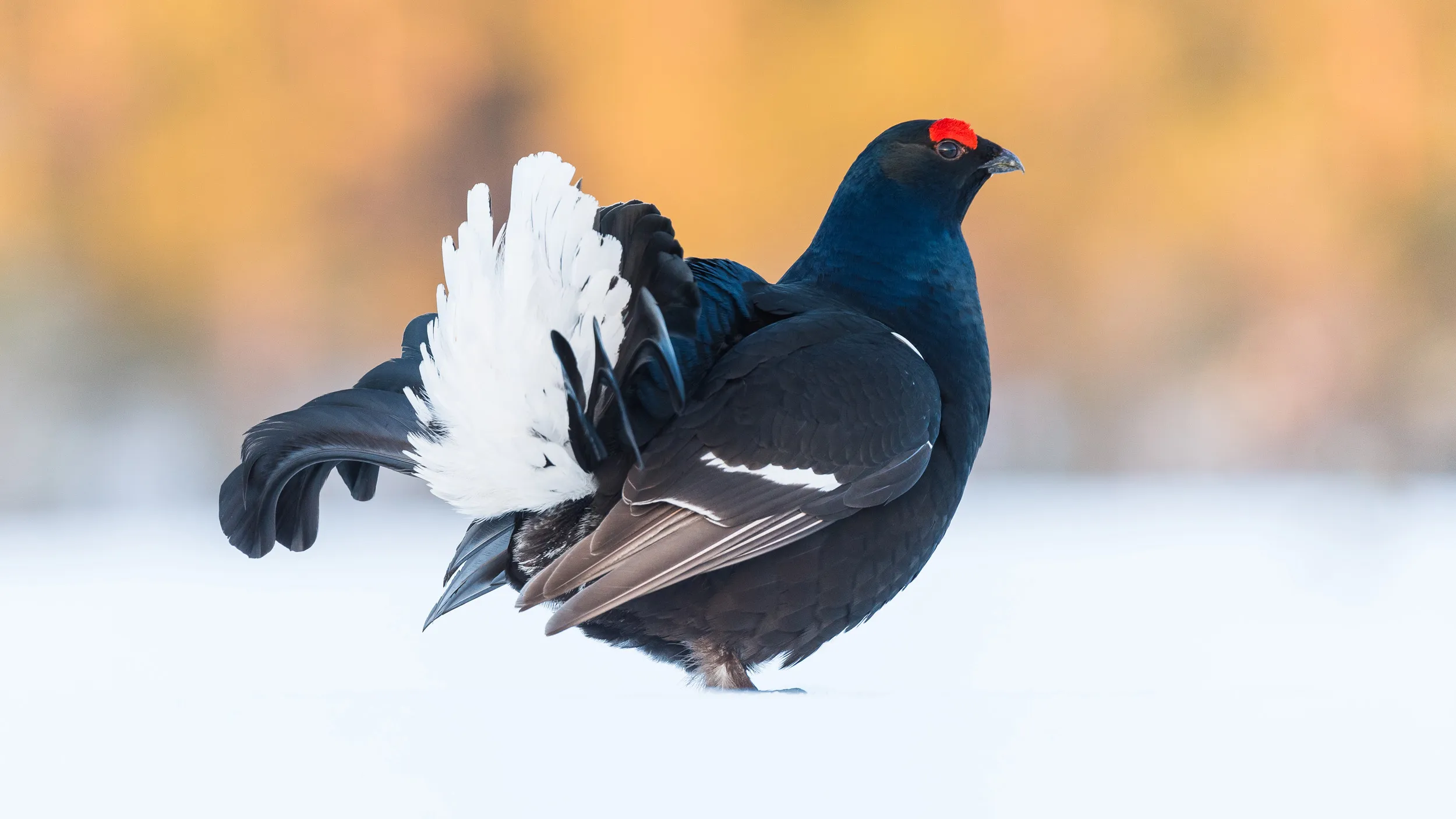
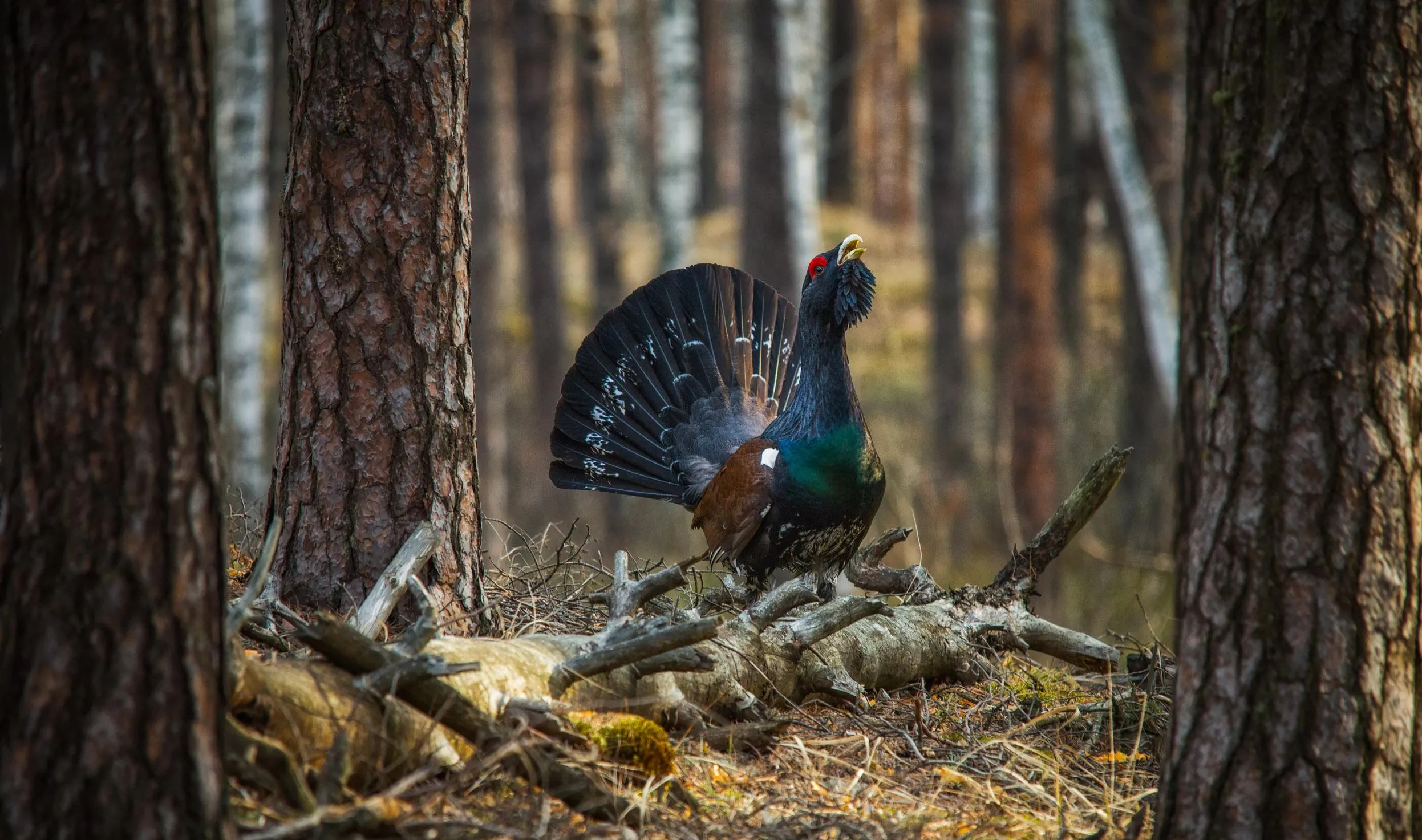
  • Over 10% of the national populations of Black Grouse, Dotterels and Ring Ouzels, and 90% of Capercaillie; waders including Curlew, Oystercatchers, Lapwings, Redshanks and Snipe; Wildcats, Beavers, Twinflower, Pine Hoverflies and Dark Bordered Beauty Moths are also present.

Designations

Almost half of the Cairngorms landscape is designated. There are 19 Special Areas of Conservation (SACs), 12 Special Protection Areas (SPAs), 46 Sites of Special Scientific Interest (SSSIs) and 9 National Nature Reserves (NNRs). 

Why this area is important

The Cairngorms is one of the finest wildlife areas in the country. In addition to native pinewoods, blanket bog habitats are also extensive and the Cairngorms are drained by large, clean oligotrophic rivers – principally the Spey, Dee, and South Esk.   

Why are we prioritising this landscape?

The biological importance of the Cairngorms is immense. The mighty Caledonian Forest, that once covered vast areas of Scotland, has shrunk to just 1% of its former extent. Now, 60% of what remains is found in remnant woodland fragments in the Cairngorms. 

The extensive montane habitats are some of the UK’s last strongholds for arctic-alpine species and the large river catchments and wetland systems are home to many important and threatened birds, plants, invertebrates and mammals. Prioritising this landscape enables us to help preserve and restore the area’s precious ecosystems. 

What are the threats and opportunities?

Threats

  • Climate change affecting the habitats and ecology of montane species. 
  • Inappropriate development leading to loss of habitats and associated impacts on species. 
  • Habitat loss and fragmentation affecting a range of important species. 
  • Raptor persecution affecting threatened bird species. 

Opportunities

  • Landscape-scale initiatives, like Cairngorms Connect, that allow the RSPB to work with partners at scale. 
  • The RSPB has significant land ownership within the Cairngorms (3.4% of landscape area), allowing us to demonstrate positive conservation interventions. 
  • Using long and well-established involvement with priority species such as Capercaillie, farmland waders and Pine Hoverflies to build future positive partnerships. 

What are we trying to achieve with this work?

  1. To improve the condition and extent of priority habitats in the Cairngorms and maintain or improve the conservation status of important priority species. 
  2. To improve people engagement in the Cairngorms across a range of activities including visitor welcome and management, membership recruitment, community engagement, volunteering and education. 
  3. To actively translate relevant policies into positive and measurable outcomes for nature within the Cairngorms. 

The story so far...

  • The Cairngorms Connect partnership, is a project involving the RSPB, NatureScot, Forestry and Land Scotland, Wildland Limited and the Cairngorms National Park Authority. To date, it has restructured 2275ha of Scots Pine plantation, restored 1539ha of peatland and removed 8219ha of non-native conifers.  
  • The project has also re-naturalised 59ha of flood banks, planted 20,000 willows in the Loch A’an basin, and released five families of Beavers and 28 Wildcats. Abernathy Nature Reserve has also been expanded by 33ha. 
  • The RSPB also sits on the Cairngorms Nature Strategy group, which oversees delivery of the Cairngorms Nature Action Plan, securing action for priority species and habitats. 
  • In 2022, the Rare Invertebrates in the Cairngorms project started a re-introduction project for Dark Bordered Beauty Moth and has released Pine Hoverflies, a species formally reduced to one site, across four new sites. The group also recorded Aspen Hoverflies at three new sites. 
  • In Strathspey and Grampian, the RSPB conducts habitat management for breeding waders at 10 farms annually, and in 2025 worked with farmers to survey 100 farsm (14,000Ha). 
  • Work also continues on priority habitats and species. This includes conservation grazing at Abernethy to benefit Capercaillie, and the release of Wildcats. Positively, counts of Capercaillie at Abernethy in 2025 recorded 30 lekking males, up from 20 in 2021 – a rise of 50% in only five years. 
  • At Insh Marshes, Beavers have been reintroduced habitat management helps to support nearly 100 pairs of breeding Curlews. The site also saw record numbers of Dark Bordered Beauty moths recorded, with 175 recorded in 2025. 
  • Finally, through the River South Esk Catchment Partnership, we have jointly led a river realignment and wetland restoration project in Glen Clova, Angus. 
A lone Capercaillie wandering through the woodland.
View across loch with mountains in the distance, RSPB Loch Garten
View across loch
How can you help

Watch this page for updates and visit some of the external websites listed below.

There might be volunteering opportunities at our nature reserves in the Cairngorms, and with our partnership programmes and projects, such as Cairngorms Connect and Rare Invertebrates in the Cairngorms. 

Key partners

We work with a range of partners including Cairngorms National Park Authority, Royal Zoological Society of Scotland, NatureScot, Forestry and Land Scotland, Wildland Ltd, River South Esk Catchment Partnership, Spey Catchment Initiative, Dee Catchment Initiative. Strathspey Wetlands and Waders Initiative, Grampian Wetlands and Waders Initiative and National Trust for Scotland. 

Funding has been received from Scottish Government’s Nature Restoration Fund, Cairngorms National Park Authority, The Endangered Landscapes and Seascapes Programme,  EU Life, Cairngorms Trust, Famous Grouse and John Swire 1989 Trust and private donors.  

Want to visit?

The following RSPB nature reserves form part of Cairngorms priority landscape:  

Loch Garten

Insh Marshes

Crannach

Share this article