Feature

Our vision for the Muirkirk & Lowther and Upper Clyde Valley Priority Landscape

Discover what we’re doing to conserve this working landscape for the benefit of threatened species such as Curlews, Lapwings and Hen Harriers.

On this page

Our vision is for landscape-scale habitat restoration and sustainable land management. This will be achieved through regenerative and nature-friendly farming and innovated habitat management across designated sites, our reserve holding and the wider farmed landscape. 

The sight of lekking Black Grouse, sky-dancing Hen Harriers and displaying Curlews will become a common spectacle. Alongside them, restored peatlands will support diverse ground flora and fauna in a living and working landscape. 

About the Muirkirk & Lowther and Upper Clyde Valley Priority Landscape

The Muirkirk and Lowther and Upper Clyde Valley Priority Landscape area covers over 130,000ha (hectares). Central to this in the southwest is the Muirkirk and North Lowther Uplands Special Protected Area (SPA), which accounts for 20% of the landscape.  

RSPB Airds Moss sits centrally and is encompassed by both the SPA and the Airds Moss Special Area of Conservation (SAC). The lower floodplain, defined by the Clyde Valley and its tributaries that weave across farmland in the east, is notable for its high density of breeding waders.

Broad location

Our Priority Landscape covers an area of over 132,000ha of upland and lowland across South Lanarkshire, East Ayrshire and north Dumfriesshire. 

Key habitats and species

Key habitats

  • Key habitats within this landscape are blanket bog and associated mosaic habitats including upland heath and acid grassland and the surrounding floodplains and grasslands of farmed in-bye. 

Key species

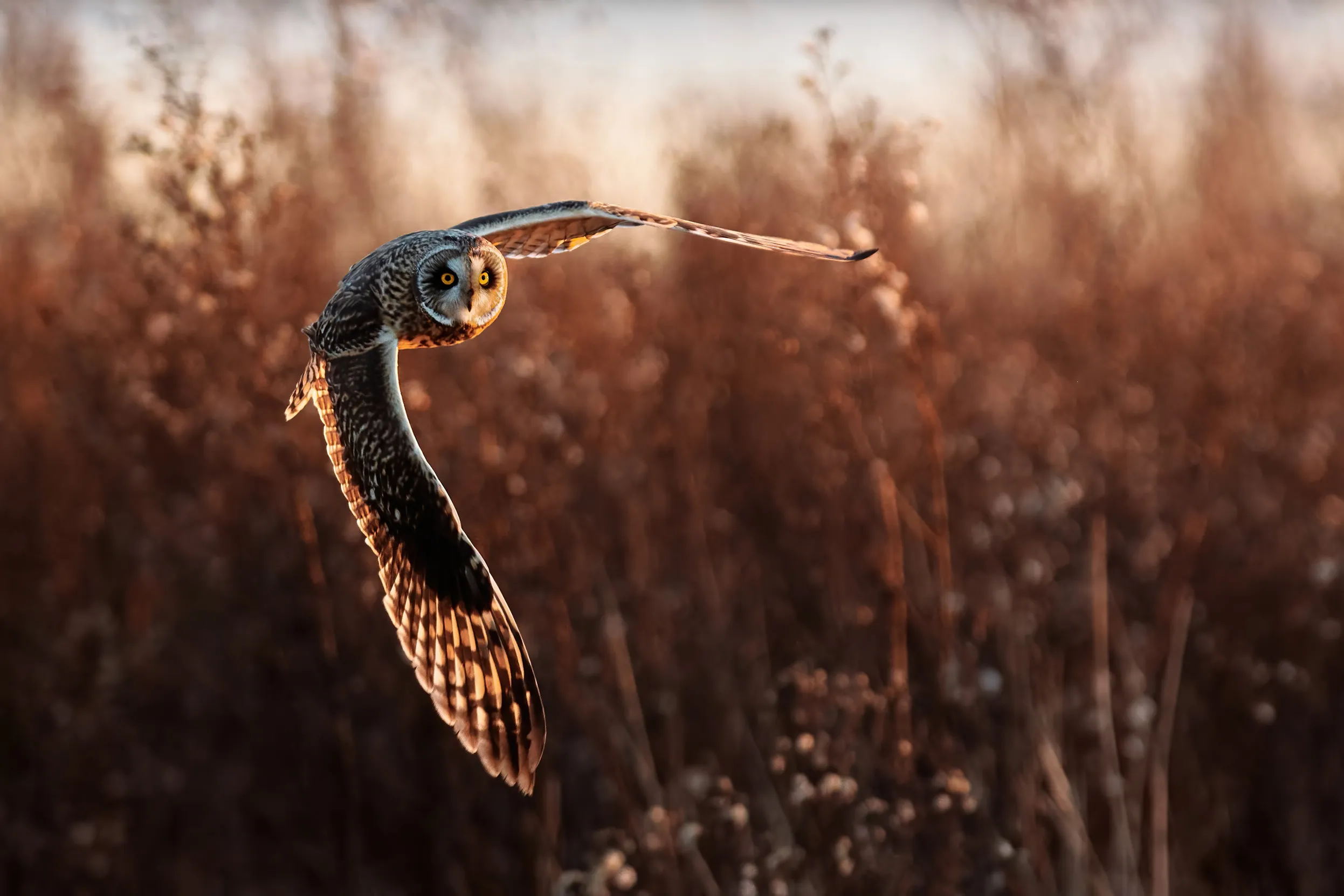
  • Hen Harriers, Short-eared Owls, breeding Curlews and Golden Plovers, Black Grouse, Lapwings, Redshanks and Oystercatchers.   

Designations

At the centre of the landscape is the Muirkirk and North Lowther Uplands Special Protection Area (SPA) with breeding and wintering Hen Harriers and breeding Short-eared Owls, Merlins, Peregrines and Golden Plovers as its qualifying species.  

The site is assessed by NatureScot as being in Unfavourable condition due to the decline in all qualifying species and wider assemblages. Our reserve at Airds Moss includes the Airds Moss Special Area of Conservation (SAC), which is designated for its blanket bog habitat.

The Muirkirk Uplands SSSI and the North Lowther Uplands SSSI designated for their breeding and wintering bird interest and peatland habitats.

Why this area is important

Climate change is having a negative effect on the ecological resilience of our landscapes through the degradation of habitat and loss of species. The restoration of sensitive upland habitats including deep peat and wetlands, through our conservation work, will help to reduce its impact.  

Why are we prioritising this landscape?

This Priority Landscape lies at the heart of the Southern Uplands and has a rich diversity of breeding birds, especially waders, birds of prey and Black Grouse. However, it is in constant flux because of changes in landscape practices including farming, new commercial forestry or renewables development. 

Over time, these can alter both the extent and distribution of species and habitats. Our work over the past decade, through partnerships and liaison with communities, farmers and landowners, has laid solid foundations on which to conserve and enhance existing biodiversity. 

What are the threats and opportunities?

Threats

  • Past and current development in this area has shaped the landscape, including former coal mining activity, ongoing wind farm developments, new forestry and changes in farming practices.  
  • Historic drainage of the uplands has reduced the biodiversity interest of sensitive habitats while new forestry results in a direct loss of habitat and species or increases the number of potential predators for ground nesting birds. 
  • Farm abandonment is also evident in some areas. Climate change and wider pressures on species and their habitats adds to this pressure, resulting in a changing and challenging landscape within which to deliver conservation.  

Opportunities

  • Our efforts to address these pressures will benefit from being approached at a landscape scale through a combination of management on our own reserve, engagement in development consultation, provision of land management advice and species protection.  
  • We have historic and current engagement with farmers and landowners through our Clyde Valley Wader Initiative and peatland restoration. We also continue to research and resource habitat and species conservation in partnership with land managers, their agents and wider stakeholders.  
  • We will continue to influence developments to protect and benefit sensitive species and demonstrate exemplar management on our own land with the wider community. 

What are we trying to achieve with this work?

  1. Increase the area of land well managed for nature for our priority species and habitats. 

  2. Contribute to the recovery of designated sites’ condition and qualifying species.  

  3. Utilise our own land holding as an exemplar of land management to support wider countryside initiatives. 

  4. Support the wider landowner and farming community in managing habitat to benefit priority species including breeding waders and Black Grouse. 

  5. Lead on the research of innovated management of farmed in-bye to support priority species. 

The story so far

  • We’re managing and enhancing habitat on our reserve at Airds Moss to restore habitats for breeding waders and raptors.

  • We’re supporting landowners and farmers in managing for breeding waders and peatlands in the wider countryside; surveying and monitoring species trends and responding to development applications to manage impacts and maximise benefits for our priority species. 

  • We delivered 900ha of peatland restoration in the Muirkirk SPA through the Cooperation Across Borders for Biodiversity (CABB) project between 2017 and 2020; secured funding through NatureScot to remove 1,200ha of seeded Sitka Spruce from deep peat; restored 160ha of peatlands and wetlands on our Airds Moss reserve. 

  • We have worked with over 25 farm and estates within the Clyde Valley to create habitat to benefit breeding Lapwings through the roll out of rotational brassica crops, which has been confirmed through our monitoring, as a habitat associated with high hatching success. 

How can you help

Keep an eye on this page for updates about our work in the Muirkirk & Lowther and Upper Clyde Valley Priority Landscape.

Key partners

We’re working alongside numerous stakeholders across the area including NatureScot, SAC, Scottish Forestry, the farming community, Landowners, Estates, County Councils and Scottish Government. 

Useful resources

Want to find out more?

The following RSPB nature reserves form part of the Muirkirk & Lowther & Upper Clyde Valley Priority Landscape:  

RSPB Airds Moss reserve does not have public access due extensive areas of deep peat and the inherent inaccessibility associated with that habitat.

Share this article