
Want to visit?
The following RSPB nature reserves form part of the North Wales Moors Priority Landscape:
Find out how we’re shaping a healthier, more resilient future for the North Wales Moors.

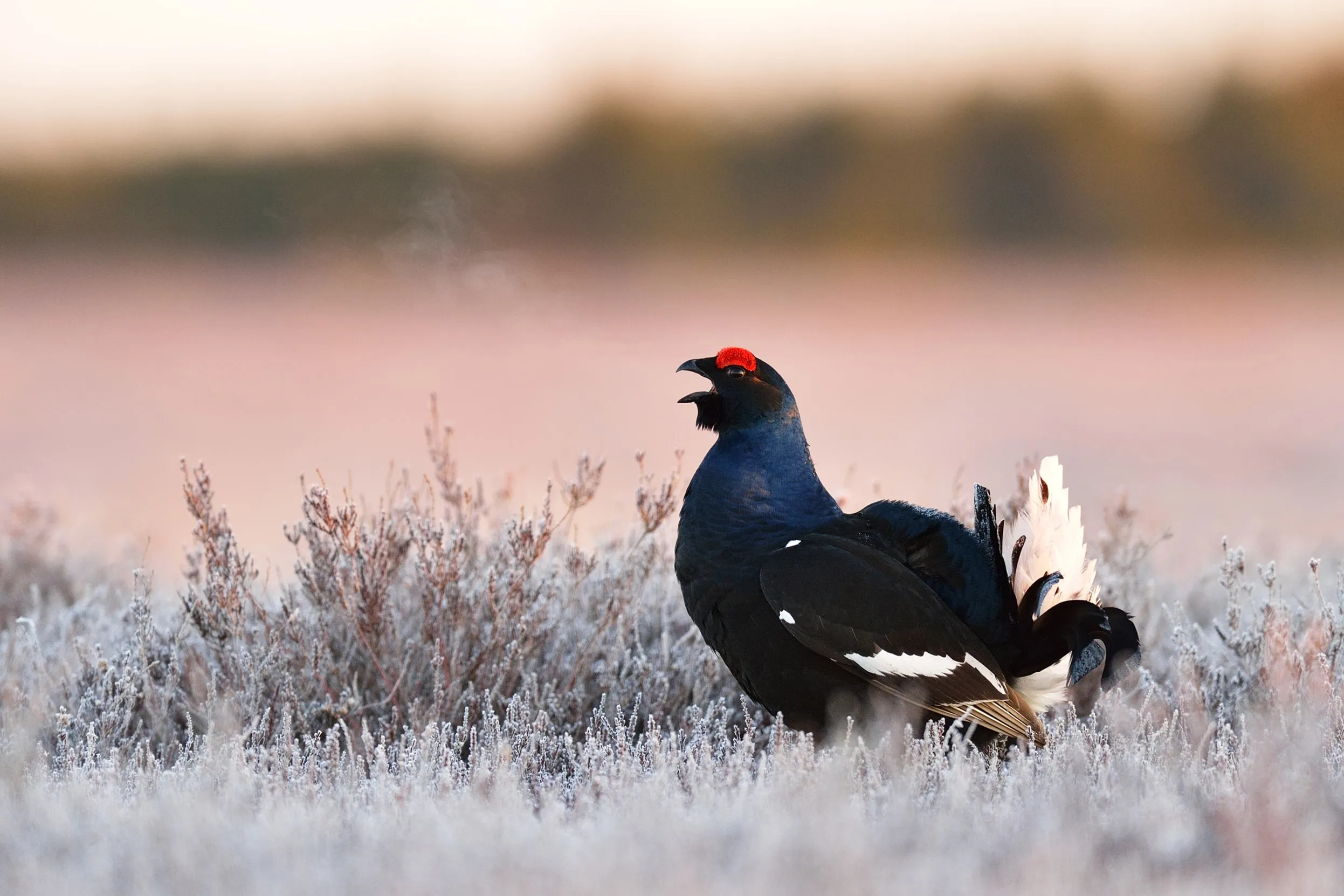
By 2060, the RSPB and partners will have transformed the uplands of North Wales into vibrant, climate resilient ecosystems where Curlews, Black Grouse and Hen Harriers flourish.
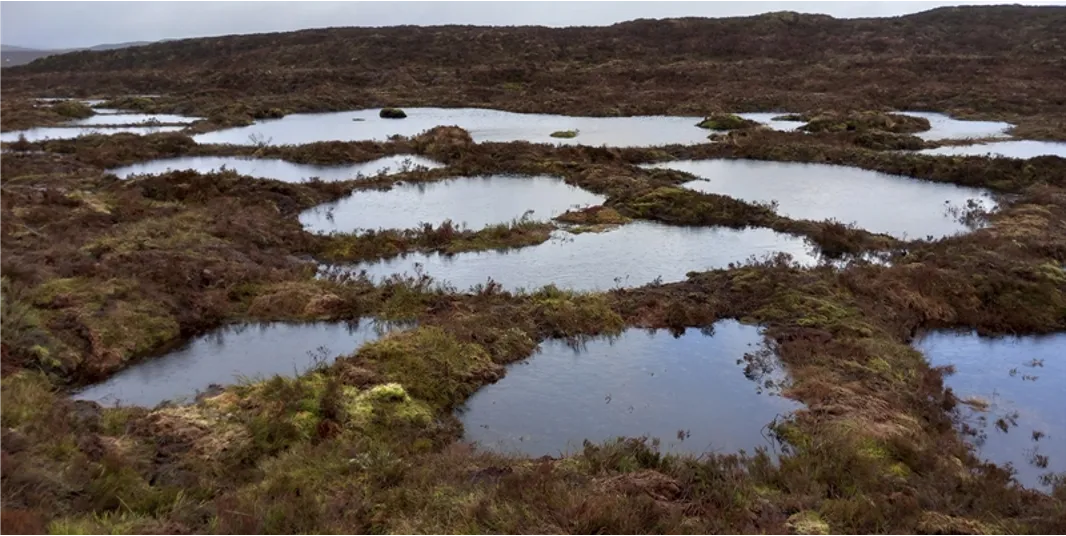
These will be living, thriving landscapes formed of restored peatlands, heath and ffridd. Together, they’ll deliver profound and lasting benefits for nature, the climate, and the communities who call these uplands home.
The North Wales Moors are one of the most special landscapes in our part of the world. They are shaped by peat bog, heath, ffridd and grassland, and support some of Wales’ most iconic birds, including Curlews, Black Grouse and Hen Harriers.
Many of these species are now struggling, and the future of the Welsh populations depends heavily on the health of the North Wales Moors. Working together with local communities, land managers, farmers, organisations and volunteers, we can look after these uplands so they remain rich in wildlife, resilient to climate change, and full of opportunities for people.

The North Wales Moors stretch across 204,000ha (hectares) of upland landscape, spanning Conwy, Denbighshire, Flintshire, Gwynedd, Powys and Wrexham. This vast area runs from the Clwydian Range west of Wrexham, through the heart of the North Wales uplands, down to RSPB Lake Vyrnwy in the Berwyn Mountains, and across to the southern reaches of Eryri National Park.



Special Areas of Conservation (SAC): the Berwyn a Mynyddoedd De Clwyd/Berwyn and South Clwyd Mountains, Migneint-Arenig-Dduallt, and the River Dee and Bala Lake/ Afon Dyfrdwy a Llyn Tegid Special Areas of Conservation.
Special Protected Areas (SPAs): the Berwyn a Mynyddoedd De Clwyd/Berwyn and South Clwyd Mountains, and Migneint-Arenig-Dduallt.
The North Wales Moors is one of the most significant upland landscapes in Wales, valued for their wildlife, heritage, and the essential benefits they provide to people.
Across more than 200,000ha, this landscape supports a rich mosaic of increasingly rare habitats, such as blanket bog, heath, ffridd, and species-rich grassland.
These habitats are home to some of Wales’ most iconic but threatened birds, including Hen Harriers, 90% of Welsh Black Grouse and a large proportion of the country’s remaining breeding Curlews. Without focused conservation action, these species face serious decline, which would represent a profound loss for Welsh biodiversity.
Beyond wildlife, the North Wales Moors play a vital role in supporting healthy ecosystems that, in turn, support people. The extensive peatlands store vast amounts of carbon, helping to slow climate change when kept in good condition.
The moors also contribute to natural flood management and improved water quality by absorbing and filtering rainfall. Finally, for many communities, these uplands are a place of cultural identity, farming heritage, recreation and wellbeing.
We’re prioritising the North Wales Moors because it offers one of Wales’ greatest opportunities to restore nature at large, connected scale and to demonstrate sustainable land use practice.
This landscape also supports many priority species whose survival in Wales relies on healthy upland habitats.
The moors also provides vital benefits for people: restored peatlands store carbon, improve water quality, reduce flood risk and create spaces for wellbeing and recreation. With climate and land-use pressures growing, acting now will protect wildlife, support communities and secure a resilient future for this iconic landscape.

Restore healthy upland habitats - improve the condition, resilience and extent of peatlands, heath, ffridd and species‑rich grasslands across the North Wales Moors.
Recover priority species - stabilise and increase populations of Curlews, Black Grouse, Hen Harriers, Merlins, Adders and large heath through targeted habitat and species management.
Build climate‑resilient landscapes - enhance carbon storage, water quality and natural flood/fire management by restoring peat and improving ecological function.
Support sustainable land management - work with farmers, landowners and graziers to promote nature‑friendly, economically viable upland farming.
Strengthen partnerships and community involvement - collaborate with local communities, organisations and agencies to deliver joined‑up, landscape‑scale conservation.
Champion the value of the uplands - increase public awareness, access and wellbeing benefits through stronger connections with the uplands.
Influence policy and decision‑making - advocate for land‑use choices and funding systems that support healthy uplands and long‑term species recovery

We’ve already achieved significant progress across the North Wales Moors by working in partnership with landowners, farmers, NGOs, and local communities to restore damaged peatlands and revitalise natural upland processes.
With major investment from the National Peatland Action Programme, EU LIFE, Nature Networks program and other funders, we’ve been able to restore extensive upland habitats across the Migneint, the Berwyns and the hills surrounding Mynydd Hiraethog.
Through the Curlew LIFE project (2021–2024), we implemented a range of measures, including rush cutting, predator‑exclusion fencing, scrape and pool creation, grazing infrastructure, and ditch blocking.
During this period, Curlew hatching success improved from roughly 70% to over 90%. We’re now continuing this momentum through our NNF4 project. This project is funded by the Nature Networks Programme. It is being delivered by the Heritage Fund, on behalf of the Welsh Government.
From 2024–2026, the Nature Networks Fund 3 enabled us to work with private landowners and partners to restore 49ha of priority peatland, remove 400ha of invasive conifer, and create a more diverse upland landscape through heather cutting and grazing facilitation.
A detailed monitoring programme also broadened understanding of Black Grouse populations in Wales and the pressures they face, resulting in a comprehensive report highlighting the diverse benefits of Black Grouse conservation. The project also engaged more than 400 people through volunteering, talks, and events.
We now want to build on this success and continue working with partners to deliver even greater impact across the North Wales uplands. Our next steps focus on consolidating past achievements while expanding restoration efforts across the North Wales Moors.
Keep an eye on this page for updates and follow RSPB Cymru on social media. You can get involved with our Species Volunteer Network by contacting us at SpeciesVolunteerNetwork@rspb.org.uk.
Clwydian Range and Dee Valley National Landscape , National Resources Wales, National Trust, Eryri National Park, Dwr Cymru and Hafren Dyfrdwy.
The following RSPB nature reserves form part of the North Wales Moors Priority Landscape: