The Lake District Eastern Fells Landscape Recovery Scheme
Discover how the RSPB and partners are working to restore and protect the Lake District’s precious Eastern Fells landscape.

On this page
The Lake District Eastern Fells (LDEF) Landscape Recovery Scheme is a major 20‑year nature‑recovery initiative covering over 2,600ha (hectares). It aims to restore upland habitats, improve water quality, reduce flood, drought and fire risk, support wildlife, and help local communities and farming adapt to the nature and climate emergency.
The LDEF project area and partners
To realise this ambitious project, the RSPB at Wild Haweswater is working in partnership with United Utilities (UU), Mardale Commoners Association (MCA) and private landowner, Gordon Farms. Together, we’ll direct our focus across four main areas:
- Naddle and Swindale Farms (770ha), owned by UU and managed by the RSPB at Wild Haweswater.
- Mardale Common (1399ha), under the care of MCA, managed by the RSPB as 'Wild Haweswater'.
- Sadgill Farm, owned by Gordon Farms (392ha).
- Some areas around Haweswater Reservoir (84ha), owned and managed by UU.

Project objectives
To achieve our goal of making this incredible landscape more resilient and helping its wildlife recover, we'll work towards the following seven key objectives.
1. Restore habitats at a landscape scale
We plan to transform more than 2,600ha of the Eastern Fells into a connected, thriving network of habitats. This includes:
- Expanding upland wood pasture from 3ha today to over 1,492ha.
- Creating scrub and montane scrub (areas of low, woody plants such as heather, gorse and stunted trees).
- Growing native woodland.
- Restoring healthy peatlands and blanket bog.
- Reviving species‑rich meadows and grasslands.
- Re‑wiggling rivers and reviving wetlands and floodplains.
Together, these actions will reconnect wildlife habitats across valleys and fells, and beyond the project area into the wider landscape.
 LOW RES.jpg)
2. Improve water quality and reduce downstream flood risk
The project area feeds into Haweswater reservoir, which is the most important drinking‑water source in north west England. Therefore, our restoration work will directly benefit the public. We aim to slow water flows across the catchment and help to improve water quality by:
- Re‑meandering rivers.
- Blocking artificial drainage.
- Restoring and rewetting peatlands.
- Expanding woodland and scrub.
As a result, the land will be able to retain more water during drought and reduce peak flows during floods, lessening risks downstream.
.jpg)
3. Support wildlife recovery
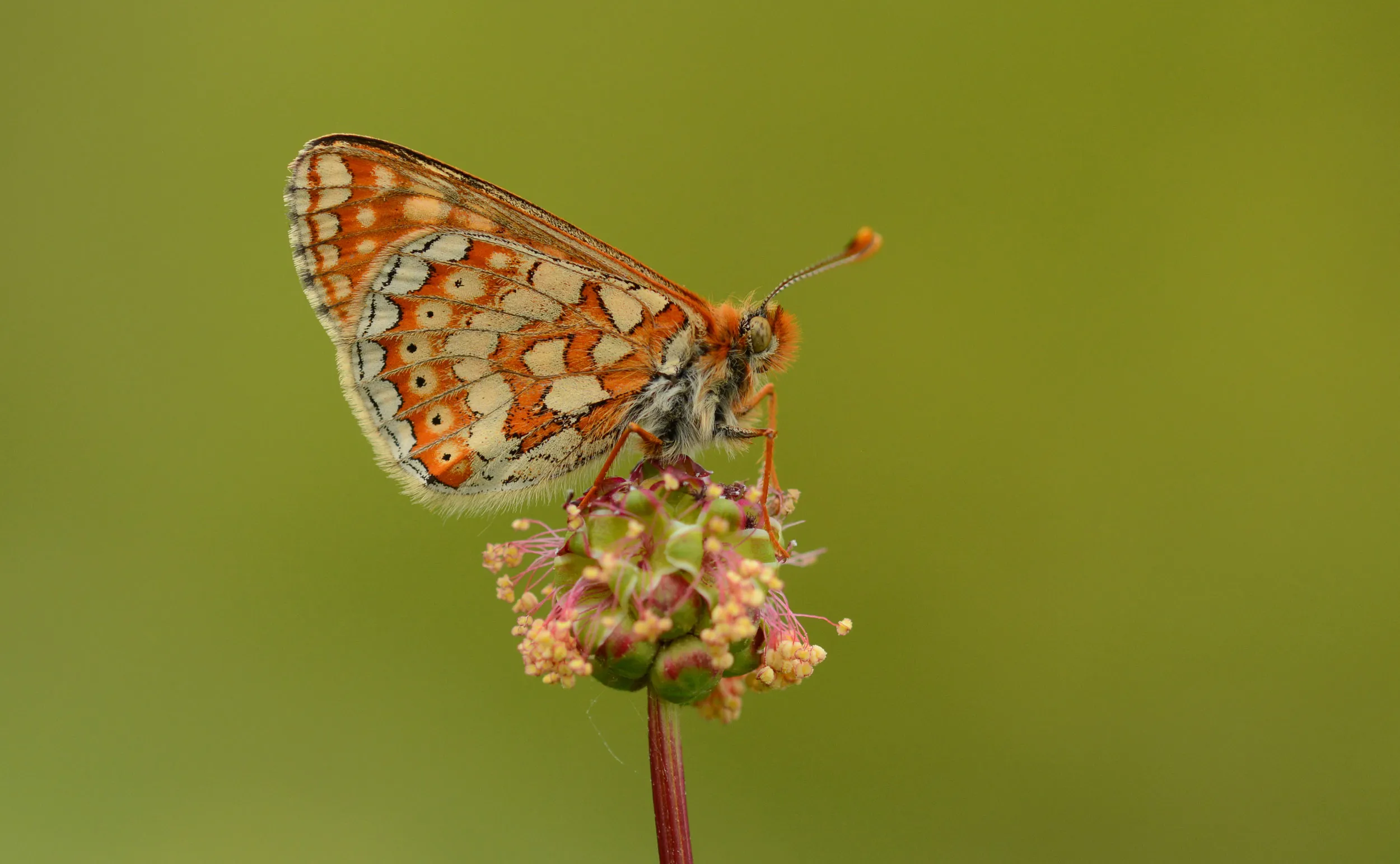
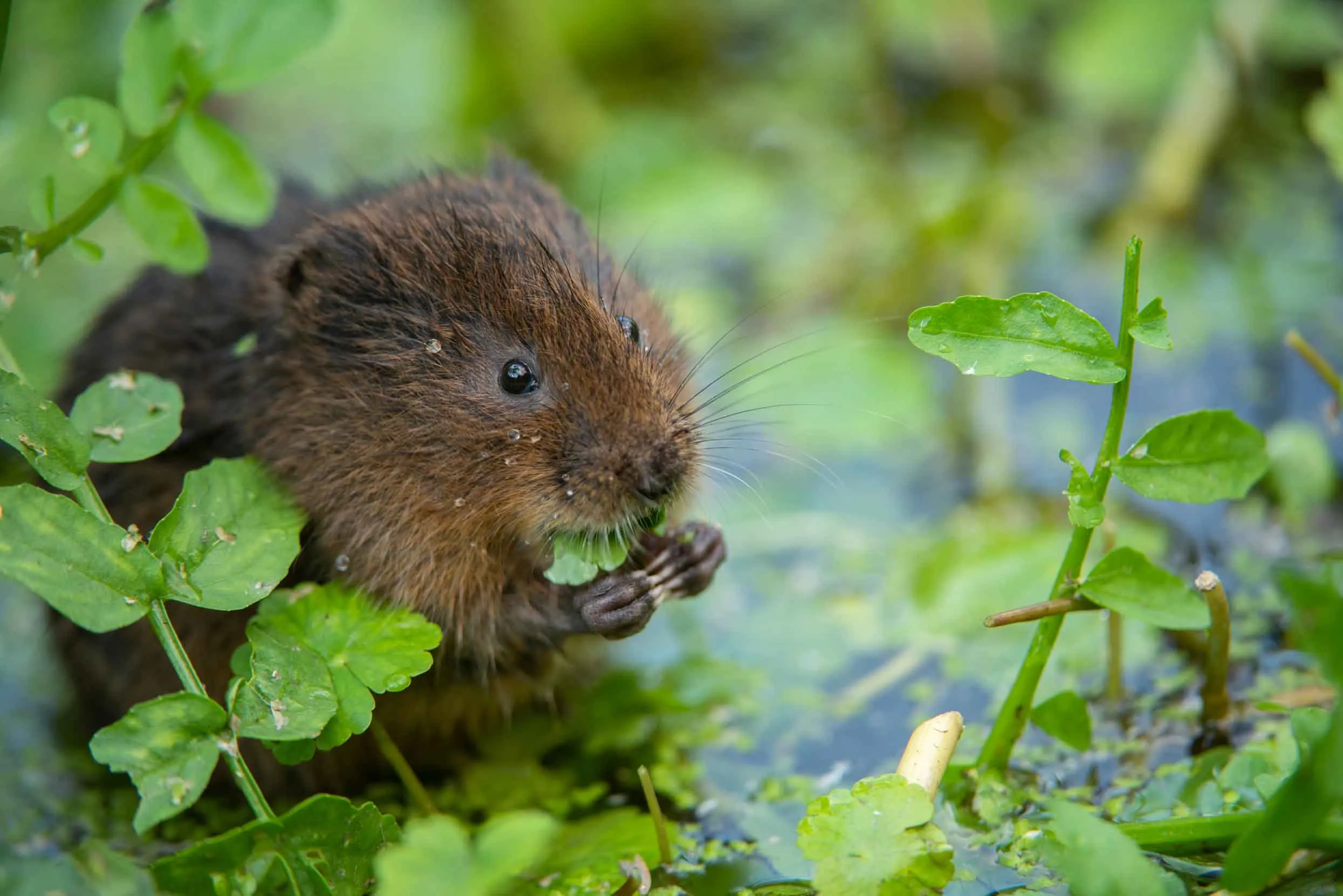
The project will also prioritise the recovery of six key vulnerable or threatened species: Red Squirrels, Water Voles, Marsh Fritillary butterflies, Ring Ouzels, Cuckoos, and the Pyramidal Bugle (one of England’s rarest plants).
Work will also benefit other species, including Pine Martens, Otters, Salmon, a range of dragonflies, butterflies and rare upland plants, specialist birds such as Pied Flycatchers and Redstarts and, potentially, Golden Eagles.





4. Store more carbon and tackle climate change
By restoring and rewetting peatlands, encouraging woodland expansion, and restoring healthy soils, the landscape will store large quantities of carbon.
We will also lead a shift towards nature-positive grazing regimes which have no need for carbon-heavy inputs and will reduce methane output. The resultant healthy soils and bogs will lock in more carbon and make the landscape more resilient.

5. Shift to nature‑friendly grazing
Scheme partners include farmers and commoners, who are transitioning to low‑intensity, regenerative grazing through:
- Reducing or removing sheep grazing in sensitive habitats.
- Introducing native cattle and Fell Ponies.
- Using GPS “NoFence” collars for targeted grazing.
- Restoring soils and fully removing artificial inputs.
- Supporting diversified farm incomes (hay meadows, woodland products, nature‑based enterprise).

6. Protect and celebrate cultural heritage
The Eastern Fells also contain rich archaeological and cultural heritage, so the project will:
- Employ a Heritage Engagement Officer.
- Maintain essential dry‑stone walls, hay meadows and traditional land‑management skills.
- Protect Scheduled Ancient Monuments and archaeological sites.
- Connect nature and heritage through engaging interpretation and events.
- Aim to remove non-essential fencing in the long term.

7. Deliver social, community and economic benefits
Finally, this landscape recovery project is designed to benefit people as much as nature. It will achieve this by:
- Creating up to 11 new local jobs.
- Providing new and inclusive volunteering opportunities.
- Improving access for people of all abilities.
- Supporting community wellbeing, education and skills.
- Growing nature‑based tourism and local enterprise.
Get involved!
This long-term project will enable us to continue working in partnership for wildlife, water and people. If you’d like to get involved in the Lake District Eastern Fells Landscape Recovery Scheme, contact us at haweswater@rspb.org.uk.