
Top tip
For advice on how to take action to protect trees in your local area, take a look at our How to stand up for trees guide
Trees are such an important part of the places we live in. Here are their legal protections in Wales.

Last updated: 2 July 2025
Not only do trees provide natural habitats, but they also add value for wellbeing and play a key role in the mitigation of climate change.
Certain trees are protected by law so permission is required before work can be carried out on them. Planning policies or conditions can also be used to protect trees. The next time you see or hear tree works being undertaken in your local area, you may want to consider whether any of the following apply.
Tree Preservation Orders (TPOs) can be made by a local planning authority (LPA) to protect individual trees, groups of trees or woodlands from being wilfully damaged or destroyed. A tree protected by a TPO can only be cut down, lopped, topped or uprooted with the LPA’s consent.
Anyone intending to carry out such works, however minor, must apply for consent to the LPA who will publicise the application in a similar way to a planning application. This gives neighbours and other members of the public the chance to object to the application. The applicant may appeal the decision if the LPA refuses the application, however there is no right of appeal by an interested party if the proposed tree works are granted consent.
It is an offence to wilfully damage or destroy a protected tree, or to undertake any tree works without consent. A conviction may result in a large fine. Wilful damage can also include building or construction works around a tree that cause it to die.
For advice on how to take action to protect trees in your local area, take a look at our How to stand up for trees guide
The Town and Country Planning Act 1990 provides LPAs with the power to make TPOs to protect trees ‘in the interests of amenity.’ The LPA must be convinced that the tree has sufficient amenity value before making a TPO. Amenity value is determined by factors including age and life expectancy, condition, wildlife value, visibility to the public or importance to the local environment.
Before a TPO can be confirmed, the LPA will notify the landowner and allow a period of public consultation. There is no right of appeal against an LPA either making or confirming a TPO.
TPOs can also be made in response to an immediate development threat, which may arise in the form of a planning application or by a member of the public ‘raising the alarm.’ As well as individual, group or woodland TPOs, the LPA may make an ‘area’ TPO as an emergency measure. This will provide immediate protection to all the trees in an area whilst the LPA decides which trees merit individual or group TPOs.
Where development proposed in a planning application involves any work to a protected tree, the TPO will be a material consideration but will not necessarily cause the application to be refused. However, if a planning application proposes the removal of a TPO tree, this may be a good ground of objection to the application, particularly if the tree remains of high amenity value. A planning permission may impose a requirement for a replacement tree, but this is unlikely to replace the amenity value of the tree to be removed. A separate tree works application is not required if works to the tree or its removal are approved as part of a planning application.
Permitted development rights do not override a TPO. Any works to a protected tree that are necessary to implement a permitted development proposal will therefore require LPA consent.
Trees that are not protected by a TPO may still be a material consideration to a planning application, particularly if they provide screening or otherwise contribute to residential or local amenity.
Planning applications may include a detailed survey of all trees, not just TPO trees, on the application site, so that the age, size and condition of the trees can be taken into account and, if necessary, those trees protected. However, there is no strict requirement for a tree survey to accompany a planning application, so whether or not one is required is down to the discretion of the LPA.
When considering a planning application, the LPA can decide to make a TPO to protect trees of high amenity value. However, if it decides that the making of a TPO cannot be justified, the LPA can still ensure that the trees on the site are protected during construction of the development by an appropriate planning condition. Such a condition will normally require the developer to put in place and maintain tree protection measures in accordance with the British Standard (BS) 5837 – ‘Trees in Relation to Design, Demolition and Construction’. The tree protection measures should be monitored, and any breach of a tree protection condition can be enforced against by the LPA.
While there is no direct or specific protection for individual trees other than TPOs, Planning Policy Wales (chapter 6, page 144) requires planning policies and decisions to enhance the natural environment, including trees and woodlands. Plus, it also requires planning determinations to avoid adverse impacts on Sites of Special Scientific Interest (SSSIs) and the loss or deterioration of irreplaceable habitats such as ancient woodland and ancient or veteran trees. There are often similar policies that seek to protect trees and woodland in local development plans.
The LPA must be notified of any intention to carry out any work to trees over a certain size (trunk diameter of 75mm or more at 1.5m from ground level, or 100mm in diameter if thinning to help the growth of other trees) in a Conservation Area, but there is no requirement for neighbours to be formally notified. The reason for the notice is to give the LPA the opportunity to make a TPO, which must be done within six weeks of the date of the notice if they consider the trees merit that.
In response to the notice, the LPA has three options:
To make a TPO
To give express consent to carry out the works specified in the notice
To do nothing, in which case the works may be undertaken once the 6-week notice period has expired
The LPA cannot ‘refuse’ the notified works. If they consider the works should not go ahead, they must make a TPO.
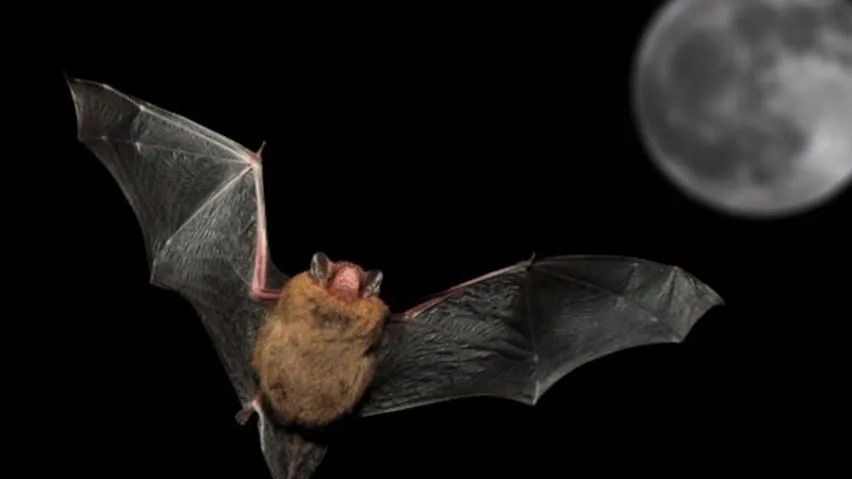
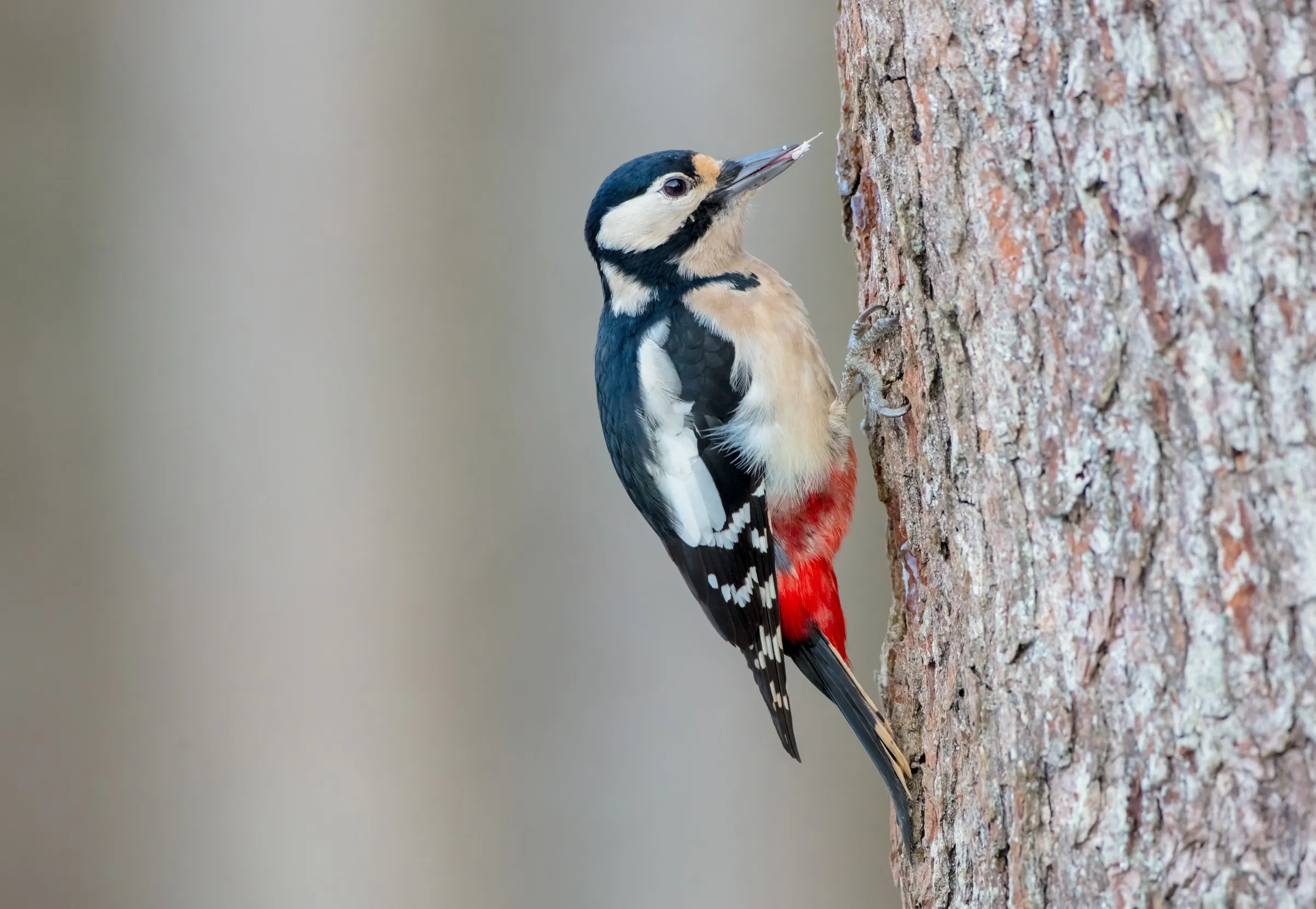
Many bird and bat species have strict legal protection that makes it a criminal offence to deliberately or recklessly disturb them or destroy their nesting or roosting habitat. This means that a precautionary approach must be taken when considering any interference with the likely habitat of a legally protected species.
Several protected species of birds and bats, and dormice, use trees for nesting and roosting. Trees that may contain bird nests or bat roosts must be identified and suitably protected for at least as long as it takes to assess, and if necessary mitigate, the effect of any tree works on protected species. Advice will most likely need to be sought from a qualified ecologist. LPAs may have their own ecologists, or they may seek advice from Natural Resources Wales (the government agency that advises on the natural environment in Wales).
Read more about wildlife and the law here.
Under the Forestry Act 1967, felling of trees in a woodland area may require a felling licence from the relevant forestry authority (Natural Resources Wales) unless an exemption applies. Exemptions include trees below a certain size or in certain locations (for example gardens or public open spaces) or tree felling that is required in order for a planning permission to be implemented.
In some situations, trees may need to be cut down, for example if they are dead or diseased and pose a risk to people’s safety.
The LPA’s consent is not required to carry out works to a dead tree, but in most cases five days written notice should be given before undertaking such works on a tree protected by a TPO.
In certain situations, a TPO tree may require urgent work to reduce an immediate risk of serious harm, for example removing branches to prevent an injury to passing pedestrians. In these instances, the tree owner must give written notice to the LPA as soon as possible after the work becomes necessary.
Dead branches can be removed from a living tree without giving notice or obtaining consent.
However, deadwood should be retained on living trees wherever possible as it provides a valuable habitat for plants and wildlife. Read more about this in the Woodland Trust’s guidance on the importance of deadwood.
The Town and Country Planning (Trees) Regulations 1999
The Town and Country Planning (Trees) (Amendment) (Wales) Regulations 2017
Welsh Government guidance – Protected trees: guidance on tree preservation orders
Welsh Government Technical Advice Note (TAN) 10: tree preservation orders
Natural Resources Wales – information on felling licences
Protecting ancient woodland, ancient trees and veteran trees