
Guide to feeding birds
For more information on what to feed garden birds and when, take a look at our Guide to feeding birds below, where you’ll also find answers to some frequently asked questions.
What does it mean to Feed Seasonally, Feed Safely? RSPB staff share their experiences.
Back in April, we updated our advice on feeding garden birds, asking that we all feed seasonally and feed safely.
To help tackle disease among garden birds, we advise not feeding seeds or peanuts between 1 May and 31 October. We also recommend cleaning and moving feeders weekly, changing water daily, and not using bird tables or other flat-surfaced feeders.
There are around 20 million people in the UK who feed garden birds and we'd like to give our heartfelt thanks to everyone who has been following this advice. We caught up with RSPB staff up and down the UK to hear about their experiences and gathered a few tips and tricks along the way!
Many people are pausing feeding peanuts and seeds from 1 May to 31 October.
Trichomonosis is a horrible disease which has caused Greenfinch numbers to plummet, and is negatively impacting other birds too. There is an increased risk of the disease spreading in the summer and autumn months, but by pausing feeding nuts and seeds, we can help reduce this.
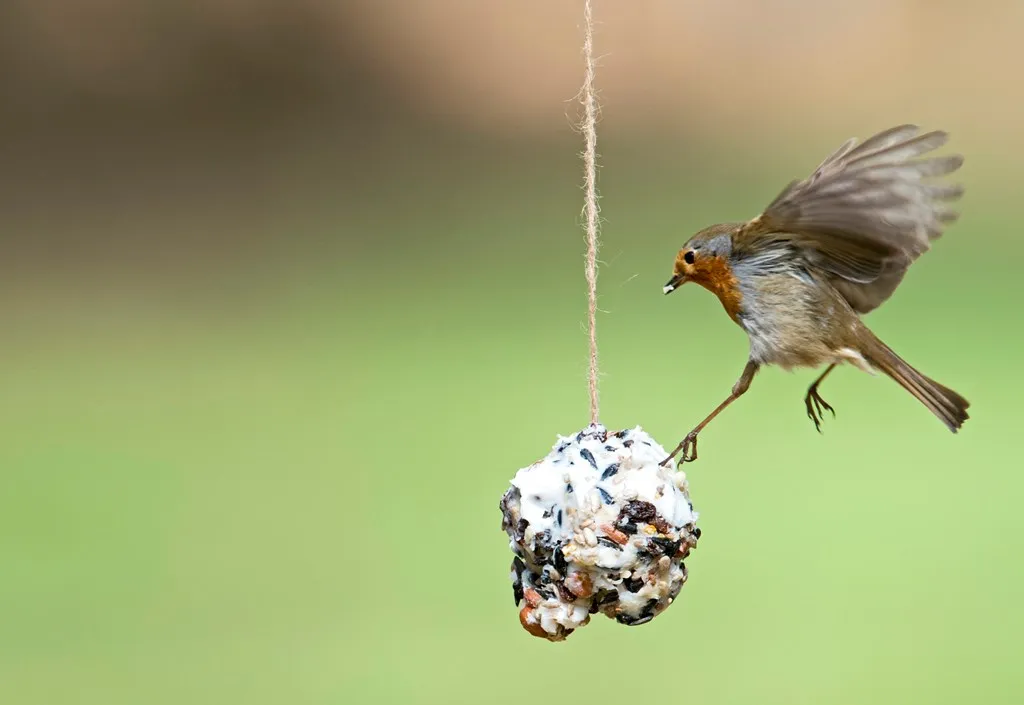
It’s okay to keep offering small amounts of mealworms, fat balls or suet year-round.
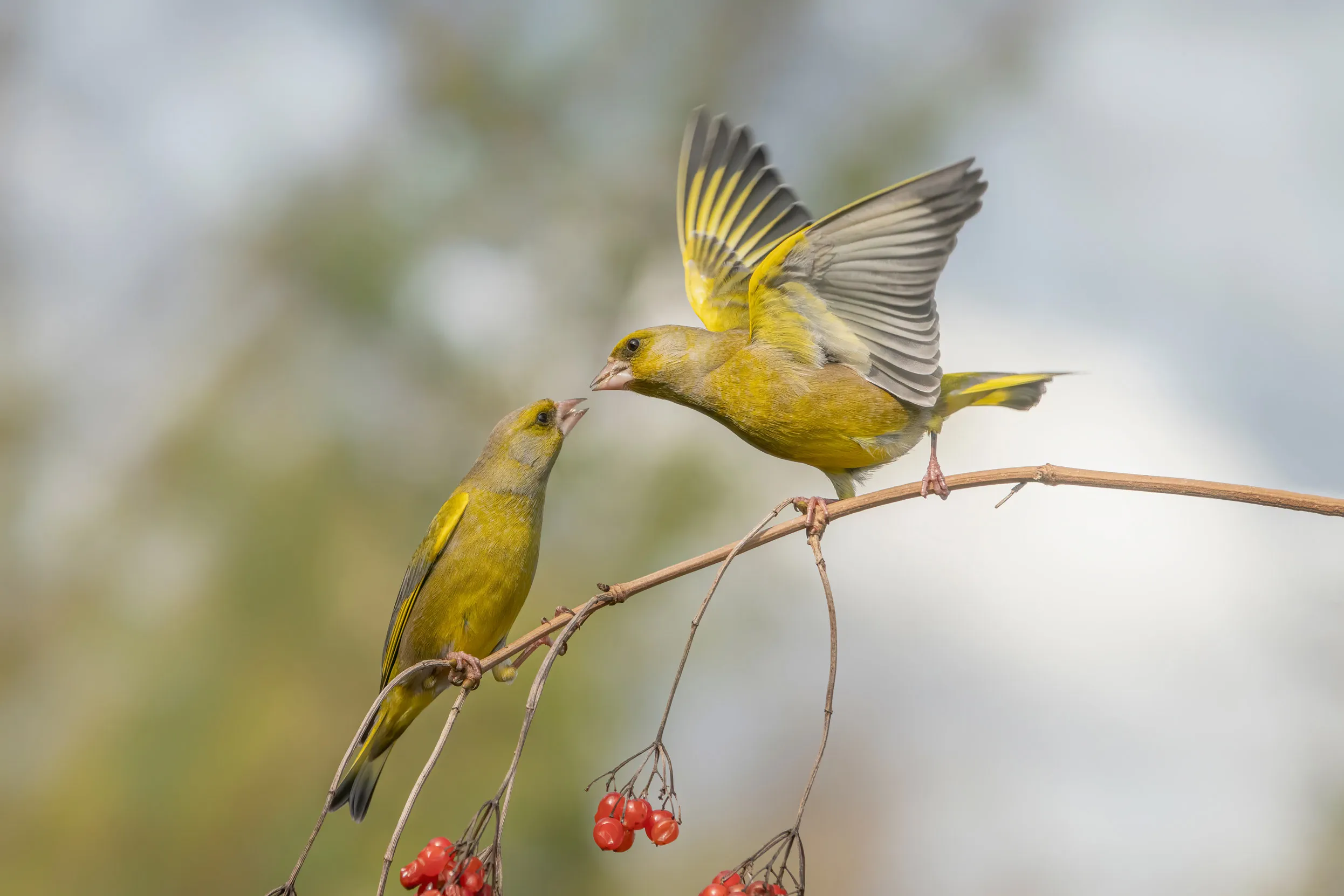
Jane Collins, an administrator from Cumbria is following this guidance and has since seen no signs of trichomonosis among the birds visiting her garden. She explains:
“I live in rural Cumbria. On a couple of occasions in the past, we saw signs of trichomonosis in Chaffinches and Greenfinches. Whenever this happened, we immediately stopped feeding for at least two weeks, thoroughly disinfected the feeding area and equipment, and cleared away any seed that had fallen to the ground.
“We are now following the RSPB's seasonal feeding guidance and, thankfully, we have not seen any sick birds since making this change.
“I have also enjoyed seeing birds in the garden displaying more natural behaviour. Just the other day, I watched a wonderful charm of Goldfinches feeding on seedheads in a deliberately "messy" part of the garden. It was a real joy to see.”

“We also had a Greater Spotted Woodpecker adult and juvenile – seeing them drum against the suet was brilliant!"
Sarah Green, a fundraising officer from Norwich describes how the birds in her garden have taken to suet.
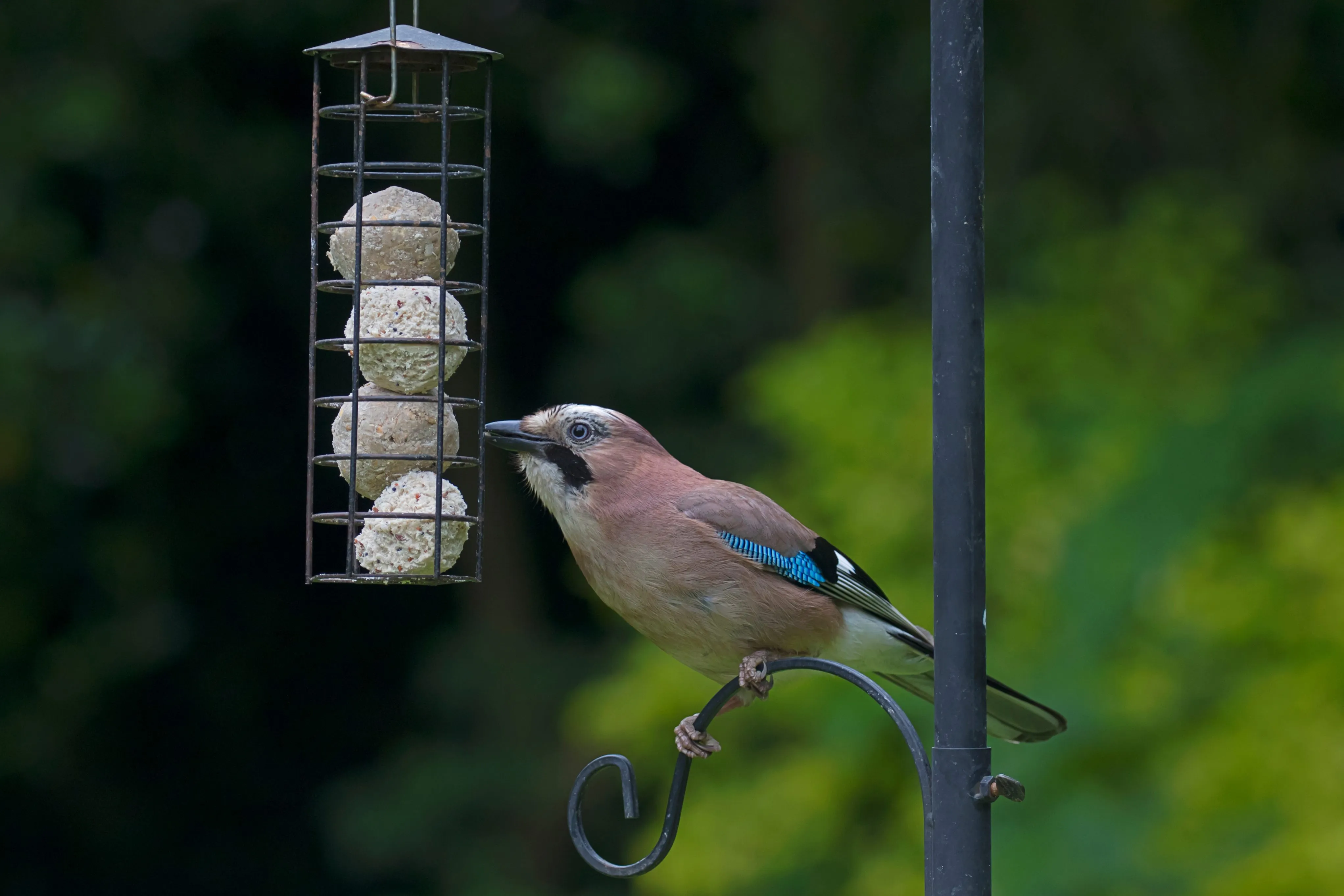
“We've had Blue, Great and Long-tailed Tit families, Robins, and Magpies – one which can't figure out how to cling the feeder, one which can!
“We also had a Greater Spotted Woodpecker adult and juvenile – seeing them drum against the suet was brilliant!
“The tits come in flocks of mixed species, and we've seen the Blue Tit fledglings beg for food from the Great Tit adults. There's been a lot of fights!
“Adult and young squirrels have been around too, of course, which are also fun to watch. We haven't seen any finches this year, though usually there are Goldfinches in the trees behind us.”
Volunteer Cath Higgins from Lancaster, who also stopped feeding seeds and peanuts from 1 May, was delighted to report her best ever year for Blue Tits:
“We had our first ever successful Blue Tit brood in our garden, with four very healthy and cute fledgelings! We've had a nestbox up for around five years, had a pair attempt to nest once, but it failed for some reason.
“Last year we had sunflower hearts and peanut feeders up all year, with a hanging mealworm feeder in spring and summer. This year we've just provided scatterings of soaked calciworms daily.
“We’ve also put out two wide shallow terracotta plant saucers for water. We changed these daily and cleaned weekly as per the guidance. We also topped them up multiple times a day as the birds were really making the most of bath times!
“Our thinking is the lack of seeds and peanuts has stopped the corvids (mainly Jackdaws and Magpies) hanging around in the garden all day, making the Blue Tits more secure nesting here.
“We've also had the 'usual' successful Blackbird family, with four juveniles now, making the most of the food and water, and plenty of visits from other ground feeders such as Dunnocks.

We had our first ever successful Blue Tit brood in our garden, with four very healthy and cute fledgelings!"
“I frequently hear and see most of the small birds we'd typically see on or around the seed feeders – Goldfinches, Coal Tits, Robins, House Sparrows, Long-tailed Tits and so on – foraging amongst the trees just beyond our garden fence.
“Another benefit we've seen is our roses have been picked clean of sawflies and other pests by the Blue Tits. So we've not only got to enjoy watching them forage naturally for food but we've had the best pest control crew too. Meanwhile the Magpies and Jackdaws have been picking through any moss in the house gutters for insects, and flinging the debris out, effectively cleaning them for us.”
Heather Hodgson, who works at RSPB Lake Vyrnwy in Wales has seen more tits visiting her garden, but they’ve not taken to her new feeders yet!
“I changed my feeders to suet and am seeing many more tits including Blue and Great Tits. However, they've not yet discovered the new RSPB suet feeders I've put up, preferring to use the cage feeders!”
Charlotte Ambrose, our wildlife expert explains: “Birds can sometimes take a little time to get used to new feeders, but ‘hang on’ in there and they will soon start using them.”
Rebecca McHugh, a senior data manager based in Fife, explains why she thinks nature-friendly gardening will help the birds in her garden.
“We started creating habitat for wildlife in our garden back in 2024. Since then, we've seen a huge increase in insect life since adding pollinator friendly plants and a compost heap. Our newly added teasels, fruiting shrubs, sunflowers and fruit trees are all producing natural food which we hope birds will make use of.
“In the meantime, we’ve seen Swift and House Martin numbers increase around the neighbourhood; I'd like to think our efforts to create more insect habitat are helping provide them with more food! Our next garden project is creating a wildlife pond!"


Fundraiser John Winser believes that his nature-friendly garden has helped his birds thrive:
“Personally, taking away seed and using just suet/fat balls has caused no change or issues. We planted more pollinators and made more of a nature-friendly garden.
“We normally only had Jackdaws and pigeons, but we’ve since had a successful fledge of Sparrows, as well as Blue Tits, Robins and Wrens in our garden”

Exeter-based administrator Helen Whitall has noticed the birds making the most of natural food sources over the summer.
“The birds have entirely ignored our suet feeder, but have been very busy in our fruit trees all summer, looking like they're picking off insects as well as going for the fruit.”
Another staff member feels that putting out fresh water every day has brought birds and other wildlife to her garden.
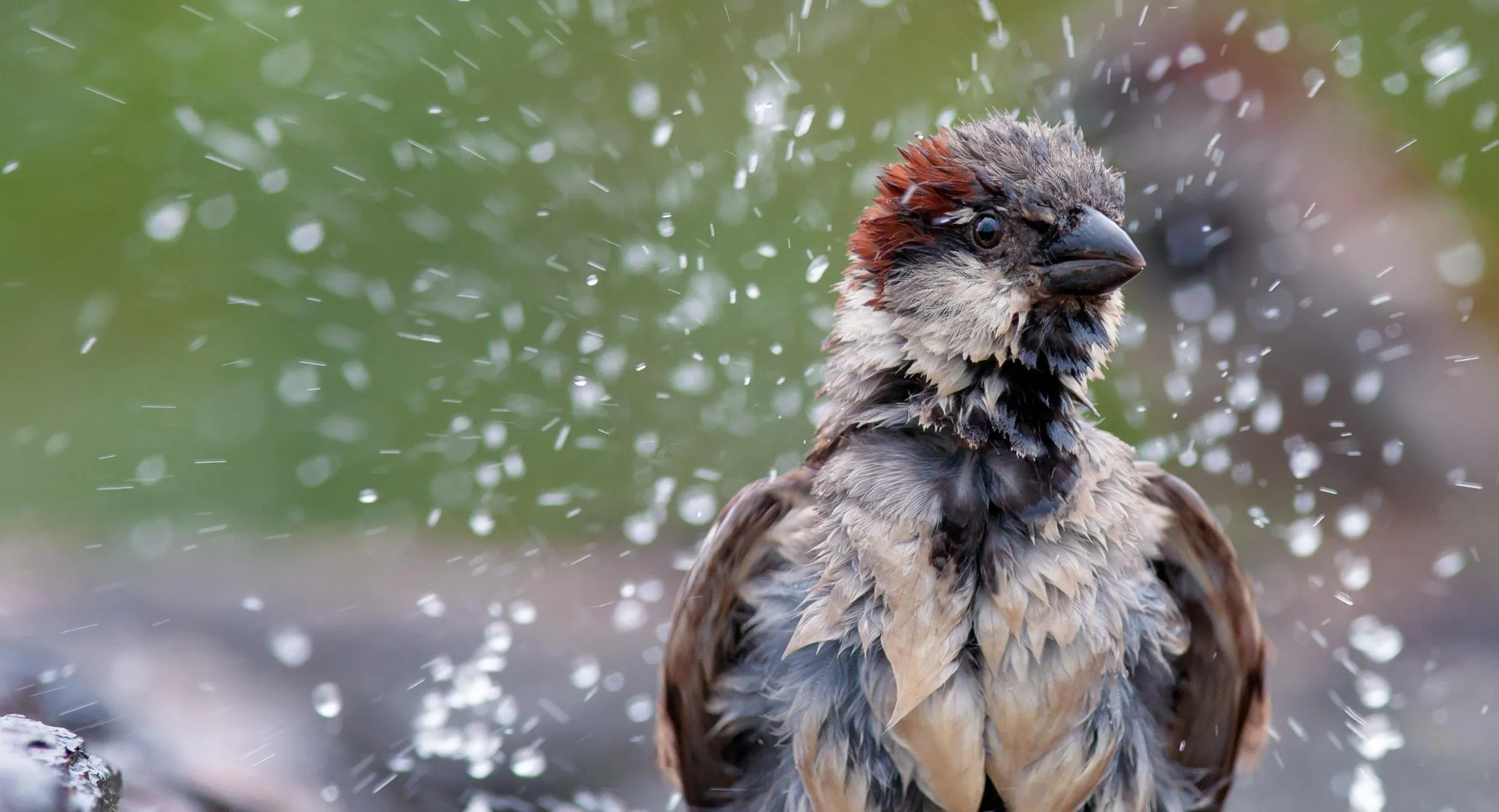
“In this summer’s heatwave weather, we've added a few more sources of water for the birds and other wildlife. As per the RSPB guidance, we clean these regularly and change the water each day, with the old water going on whichever garden plants most need a drink.
“Visitors have included Starlings, Magpies, House Sparrows, Woodpigeons and Collared Doves – and we have a couple of Hedgehogs that visit the garden so I'm hoping the shallow ground-level bowl provides a drink for them too.”
A huge thank you to everyone who is following the advice on feeding garden birds to feed seasonally, feed safely. These simple shifts to how we care for our garden birds can make a difference.
As we have seen birds can also benefit when we grow plants that provide natural food sources. Plants such as sunflowers, teasels and ivy are all easy-to-grow and provide natural, safer food sources for birds.
We hope you feel inspired by these stories. Just remember:
Feed seasonally. Pause feeding seeds and peanuts from 1 May to 31 October. During this time there’s a higher risk of the disease spreading, and a greater abundance of natural food available.
Feed safely. Prioritise hygiene to keep birds healthy. Clean and move your feeders weekly, change water daily, and retire your flat feeders and bird tables.
Consider bird-friendly planting. Help birds find their own food by growing plants like sunflowers, teasels and ivy. You can find plenty more inspiration and suggestions for what plants to grow in our Guide to top garden plants to grow for birds.
For more information on what to feed garden birds and when, take a look at our Guide to feeding birds below, where you’ll also find answers to some frequently asked questions.