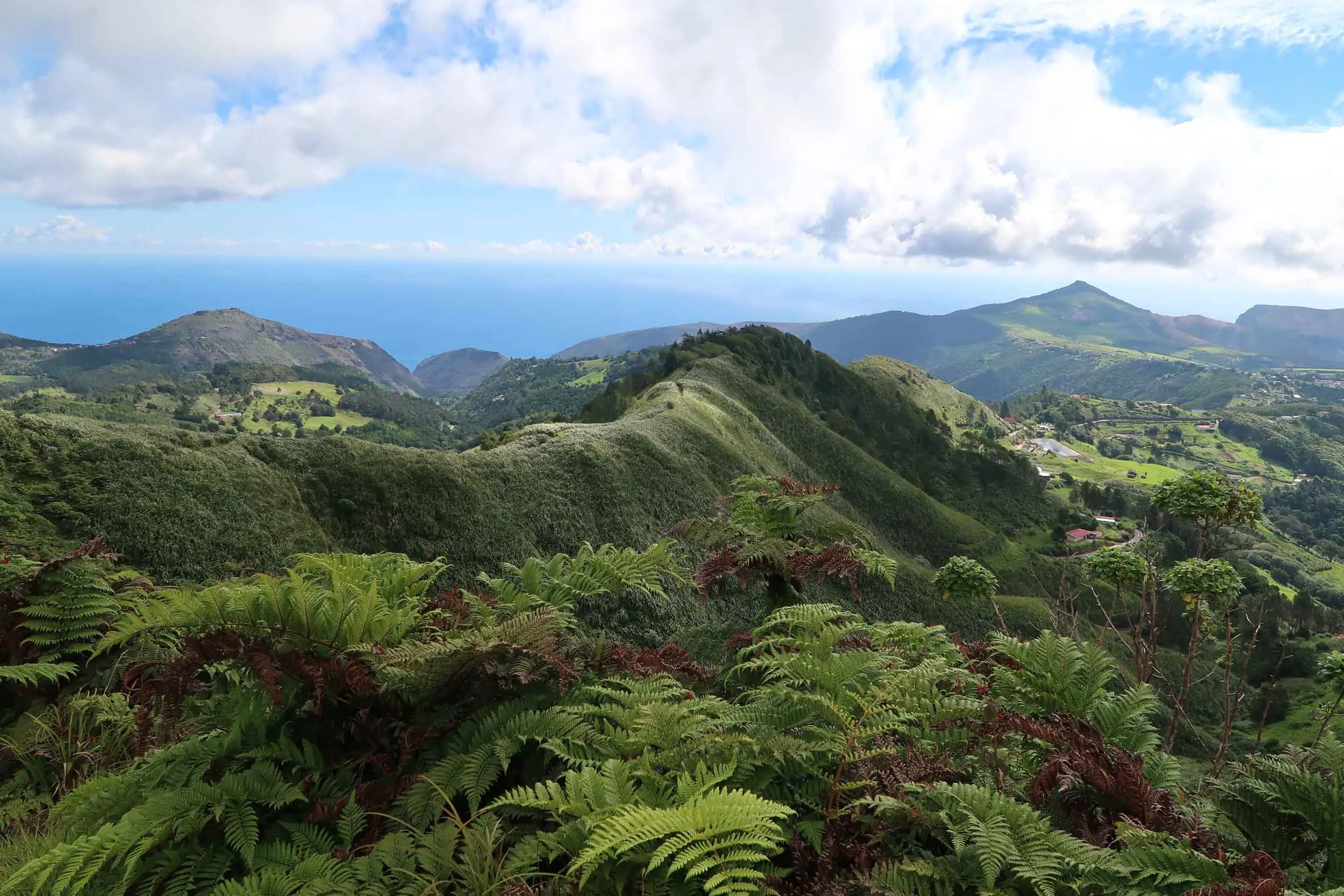
Our work internationally
Birds don’t recognise international borders, so neither should we! We work to save nature all around the world.
October’s Black History Month reminds us that nature needs all and celebrates the vital work of Black conservationists past and present.

This October, the RSPB is proud to celebrate Black History Month under the theme “Standing Firm in Power and Pride”. The environmental movement is indebted to Black conservationists past and present, many of whom have shown resilience, leadership, and innovation in protecting nature.
Conservation is about people as much as it is about places and wildlife. The natural world is shaped, protected, and celebrated by diverse communities across the globe, including many whose voices have historically been overlooked or underrepresented.
Black History Month reminds us that environmental stewardship has always been part of Black history and culture, from traditional ecological knowledge and community activism to today’s young Black leaders fighting for climate and environmental justice. Recognising these contributions enriches our understanding of conservation, challenges stereotypes about who “belongs” in nature spaces and helps ensure that the conservation movement reflects the diversity of the society it serves.
Lyndon John is the RSPB’s UK Overseas Territory Officer for the Caribbean. The Caribbean is designated as an international biodiversity hotspot with several critically endangered species and ecosystems. Here, Lyndon works with local partners to drive conservation projects, save species and secure the long-term future for the region’s wildlife.

An example of this work is an RSPB-supported biosecurity programme running across the five Caribbean UK Overseas Territories, including Monserrat, British Virgin Islands and the Cayman Islands. The goal is to keep out invasive non-native species that threaten the island’s unique plants and animals, while equipping local teams with the knowledge and skills they need to prevent any unwanted arrivals and deal with incidents if they do occur. The Montserrat Oriole is one of many species that will benefit. This distinctive black and yellow bird has suffered declines and is now Vulnerable on IUCN’s Red List.
Lyndon is passionate about the need for race equity. He explains:
“We are at a point in time where ‘it’s all hands-on deck’ or else we risk failure and everyone will suffer the consequences of such failure. We need race equity to engage the various communities locally and across the globe to confront the challenges and impacts of climate change and biodiversity loss as drivers to social and economic instability.
“Environmental sustainability is not a luxury and if we are to achieve local, regional and international sustainable development, it will take the efforts of all races and nations to achieve this objective.”

The RSPB is committed to making nature accessible and welcoming to everyone, every day of the year. Through our Achieving Race Equity strategy, we are working to remove barriers, improve representation, and embed equity and inclusion into everything we do. This includes:
Our vision is that everyone – regardless of race, background, or experience – can feel a sense of pride, power, and belonging in nature.
Black History Month is one moment in that journey, but our commitment is year-round.
Birds don’t recognise international borders, so neither should we! We work to save nature all around the world.