
Minsmere wildfire appeal
Wildfires have struck RSPB Minsmere, causing large amounts of damage. We need your help today to restore the reserve.
With wildfires on the rise, we separate fact from fiction and explore the issues behind the headlines.

Wildfires are an increasing challenge across the UK, with significant impacts on people, communities, wildlife and the landscapes we all value. Recent fires across England, Scotland, Wales and Northern Ireland have highlighted both the scale of the threat and the importance of working together to prevent, respond to and recover from these devastating events.
Extreme weather, caused by climate change, is increasing the scale, intensity, and frequency of wildfires both in the UK and globally.
While warm weather increases the risk of a fire, the spark that starts a wildfire is almost always linked to activity by people. Discarded litter, disposable barbecues, campfires, fireworks and deliberate fire-setting can all ignite fires that spread rapidly.
This means that, although the risks are growing, many wildfires remain preventable. Raising awareness, encouraging responsible behaviour and helping people understand the consequences of wildfires are all essential parts of the solution.
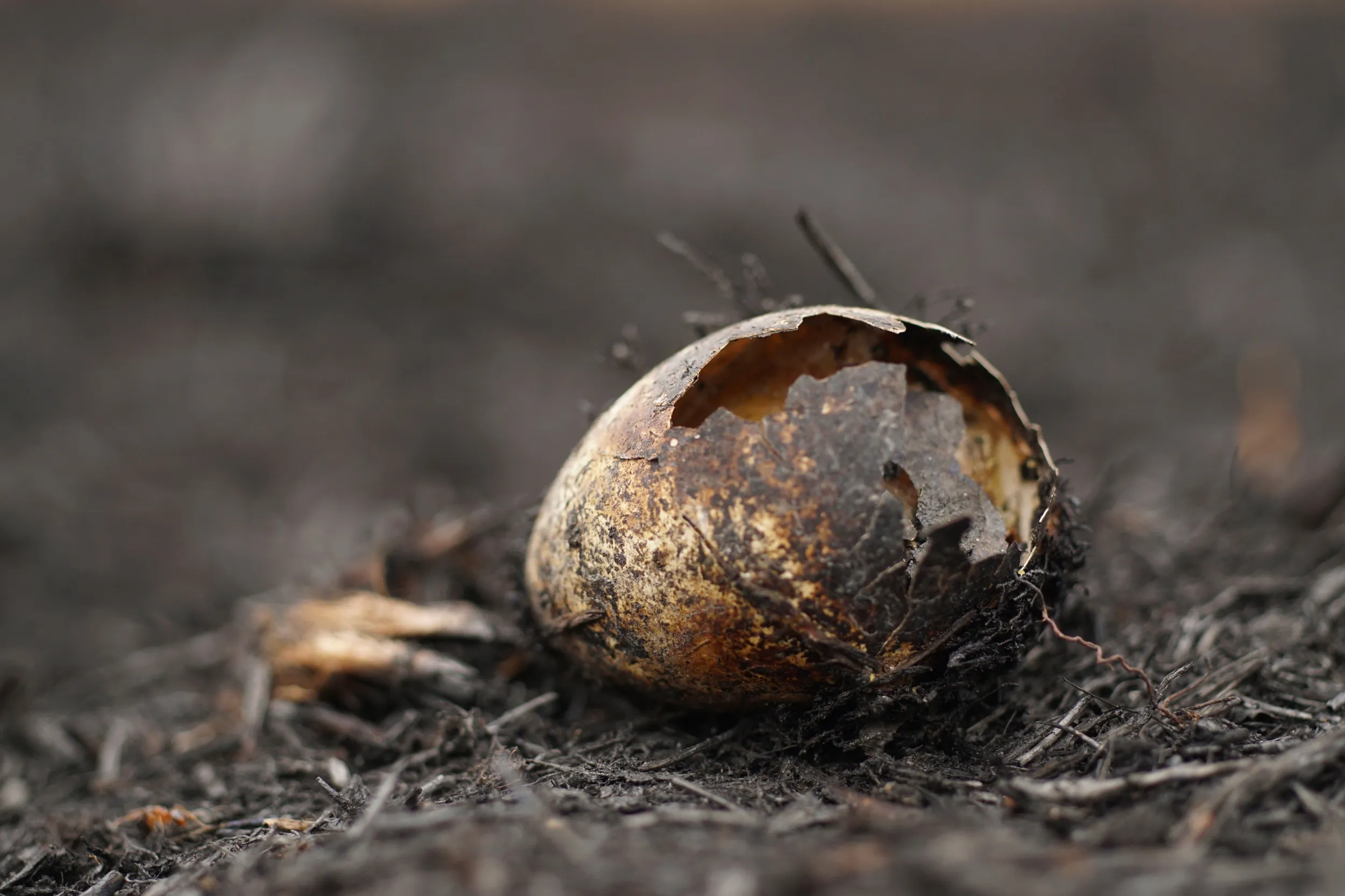
Climate change is nevertheless making the challenge more difficult. Rising temperatures are contributing to hotter, drier conditions and more frequent periods of prolonged heat. These conditions dry out vegetation and increase the likelihood that a small spark can become a large and destructive wildfire.
Around the world, we are already seeing wildfires increase in scale, intensity and frequency, and the UK is not immune to these trends. In many places, the effects of climate change are compounded by the historic degradation of our landscapes, leaving them more vulnerable to fire than they would naturally be.
This year, wildfires have burned across all four countries of the UK, including on some RSPB nature reserves.
Sites such as Minsmere in Suffolk, Dove Stone in the Peak District and Abernethy in the Cairngorms have been badly affected, with dedicated RSPB teams working alongside Fire and Rescue Services, neighbouring land managers, local communities and other partners to respond.
Wildfires have struck RSPB Minsmere, causing large amounts of damage. We need your help today to restore the reserve.
These incidents demonstrate both the extraordinary efforts required to tackle wildfires and the strength of the partnerships needed to protect lives, livelihoods, homes, habitats and wildlife – particularly as many species are already on the brink. They have also shown the deep connection that communities have with these special places and the determination of people to help safeguard them.
Across all our nature reserves, we have comprehensive, long‑established and regularly reviewed processes in place to help prevent fires, respond rapidly when they occur, and strengthen the long‑term resilience of the landscapes we care for.
This summer's wildfires have been exceptionally large and damaging, driven by drought and prolonged heat exacerbated by climate change. While we work hard to reduce risk, it is important to recognise that wildfires can occur across a range of landscapes – from heathlands, grasslands and peatlands, to farmland, woodlands and areas close to homes and communities – particularly in hot, dry and windy conditions.

As well as responding to wildfires when they occur, we believe there is an important long-term role for nature in reducing the risk of them happening and building resilience.
Many UK landscapes have been altered over generations in ways that have left them ecologically degraded and more susceptible to fire. We believe that restoring natural processes and healthier ecosystems will help create landscapes that are better able to withstand extreme weather and recover from disturbance.
For example, peatlands that have been drained and damaged are often more vulnerable to drying out and burning. By restoring these peatlands and raising water levels – a technique called ‘rewetting’ – we can help keep peat wet and reduce its susceptibility to fire.
.jpg)
Similarly, restoring native woodland and improving the overall health and diversity of habitats can help create landscapes that are more resilient in the face of long-term environmental change. These restoration efforts deliver benefits not only for wildfire resilience, but also for wildlife, carbon storage, water quality and climate adaptation, including flood prevention.
Wildfires are a growing environmental, climate and societal challenge that requires action from all of us – and not just when they are burning. Across every nature reserve, our priority remains to protect wildlife, safeguard landscapes, and work with partners and the public to reduce the risk and impact of wildfires.
Preventing unnecessary ignitions, supporting emergency responses, restoring degraded landscapes and addressing the underlying drivers of climate change all have a role to play. By working together, we can help reduce wildfire risk, protect nature and communities, and build more resilient landscapes for the future.
As we respond to recent wildfire events, we are also committed to learning from them. Wildfire risk is increasing across the UK and all land managers will need to continue adapting their prevention, preparedness and response approaches. We will continue to review our own experience, work with partners and experts, and apply the lessons learned to strengthen the resilience of the landscapes we manage.

We take wildfire risk extremely seriously across all of our nature reserves and take a comprehensive approach to wildfire prevention. This includes site management, our readiness to tackle wildfires, working with others, and engaging with the public to prevent wildfires.
Given that many UK landscapes are ecologically degraded and highly susceptible to fire, we are actively restoring land to support wildlife recovery. We believe that healthier, restored landscapes will be more resilient to wildfires over the long term.
We carry out ongoing management to improve habitats for wildlife and also reduce fire risk, including cutting firebreaks, re‑wetting peatlands, restoring bogs and wetlands, and improving water retention across vulnerable areas.
For example, wetter, better-functioning peatlands are generally more resistant to wildfire than degraded and drained peatlands. We are raising water levels in drained peatlands to keep the peat wet, reducing the risk of drying out and becoming vulnerable to fire. We are also restoring native woodlands which, over time, should develop greater resilience to wildfire and be better able to withstand fires if they occur.
All our sites are managed in accordance with rigorous health and safety standards, and our Code of Practice on fire safety and wildfires, includes regular assessments and management of wildfire risk, wildfire prevention and response plans.
Many of our nature reserves have staff and volunteers trained to respond safely to fire incidents, specialist equipment and on‑site expertise, and our teams routinely work alongside fire and rescue services, partners, landowners, farmers and the community. In several places we have jointly developed response plans tailored to the specific habitats and risks present.

Working together locally can support rapid and effective responses to wildfires, and in many areas local groups have been set up to facilitate coordination between land managers and the fire and rescue service. RSPB staff actively participate in these local partnerships and, where appropriate, respond to requests for assistance with firefighting efforts.
When a fire does occur, it takes a huge collective effort to bring it under control, and we always take our lead from the fire service experts on site. We work closely with others to support this huge effort, and we are deeply grateful for the skill, commitment and collaboration shown by all involved.
Human behaviour remains the main cause of wildfire ignition, which is why we run public awareness campaigns urging people not to use disposable barbecues, light campfires, or leave litter that could spark a blaze.
RSPB staff and volunteers also work across our reserves network, monitoring conditions, engaging with visitors, and ensuring our landscapes are being enjoyed responsibly.
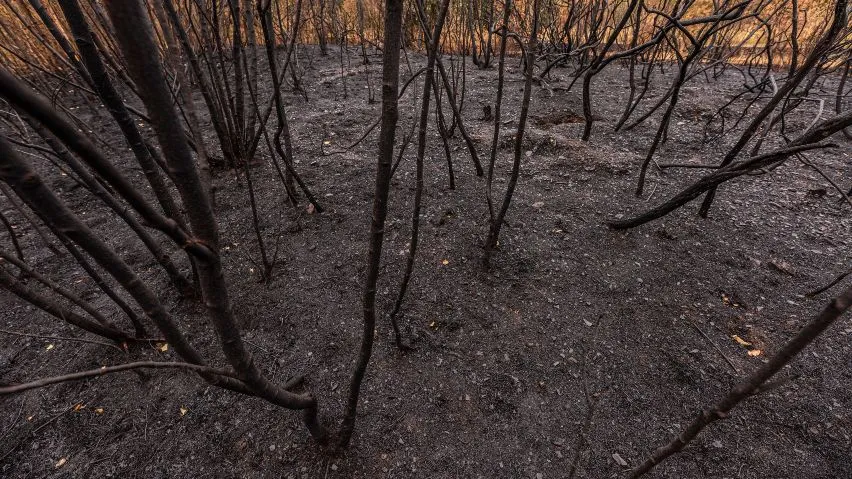
Wildfires can be highly destructive to nature and local communities. Here’s how you can help.
The available evidence suggests that the main driver for the increasing number of wildfires in recent years is climate change, rather than the presence or absence of specific management practices such as controlled burning.
There have been more extreme weather events and longer periods of high fire risk conditions, as can be seen by the widespread nature of the wildfires being experienced across the UK and Europe this summer.
Where wildfires have happened in the UK, it is worth noting that they have been occurring on all types of land, including where burning has taken place. The largest wildfire seen to date was in 2025 at Dava/Carrbridge in Scotland. This covered 12,000 hectares, much of which had been subject to muirburn. Similarly, the West Halladale fire in 2019, which affected around 6,000 hectares was on land managed for common rough grazing, crofting, forestry and rough shooting.
No. We are actively trying to restore the land we manage for wildlife and we believe that these restored landscapes will be much more resilient to wildfires in the long run.
With most wildfires caused by human activity, we believe that wildfire risks are best managed through prevention. We work locally through our ranger staff to raise public awareness, as well through our wider communications.
The restoration of some habitats for wildlife can involve reducing grazing pressure from deer and livestock, with the result of an increase in vegetation. Left unchecked, more vegetation can lead to more intense fires that are harder to control. However, this risk is managed on our sites through targeted grazing management or cutting of vegetation.
Moreover, as landscapes develop into a more naturalised state, they retain moisture, which slows the spread of wildfires and builds long term resilience to the impacts of climate change.

Discover how healthy peatlands offer a natural solution to climate change and reduce fire risk.