Ask an RSPB expert: your October questions answered
Our expert, Mey Duek, answers some of this month's most commonly asked questions.

On this page
Autumn migration is in full swing and you could hear about some unusual birds turning up – like last month’s American songbird, the Red-eyed Vireo. We look at why this happens. And with lots of ducks also arriving on our shores, we’ve put together a helpful guide to what you could see.
What do birders mean by 'vagrants'? And why are they likely to turn up in autumn?
At this time of year, you might hear birders refer to vagrants and unusual sightings that are very exciting. Vagrants are species that have very few records in a region because it’s not part of their normal range. These birds can go to places beyond their range, especially those that get blown off course during migration.
It’s easy for birds to get confused or impacted by storms during long journeys. As a result, we tend to see vagrants more often during migration periods. With millions of birds on the move, some can end up in places that are not common for their species. As autumn migration goes ahead in full steam, we might get more birds coming this way that we wouldn’t expect on an average day. Strong winds, storms and other weather events can all push birds off course and away from the migration route they typically follow.
Additionally, young and inexperienced birds might not be the best at navigating and can take different routes compared to experienced adults. This is another reason why autumn is particularly common for vagrants: lots of youngsters on the move!
For example, in September, a Red-footed Falcon arrived in Suffolk. This species typically spends the summer in northeast Europe and north Asia and was mostly likely on its way to south of Africa to spend the winter. They pass through most of east Europe but rarely cross through the UK.
Other vagrants recently sighted include Pallid Harriers, Baird's Sandpiper, Long-tailed Shrike and Red-billed Tropicbird. These rare sightings keep birders on their toes!


Which ducks migrate to the UK?
Although we have many resident ducks in the UK, many more arrive here in autumn. A lot of species might enjoy the British summer, but most ducks like to spend summers further north and then come to the UK for the milder winter.
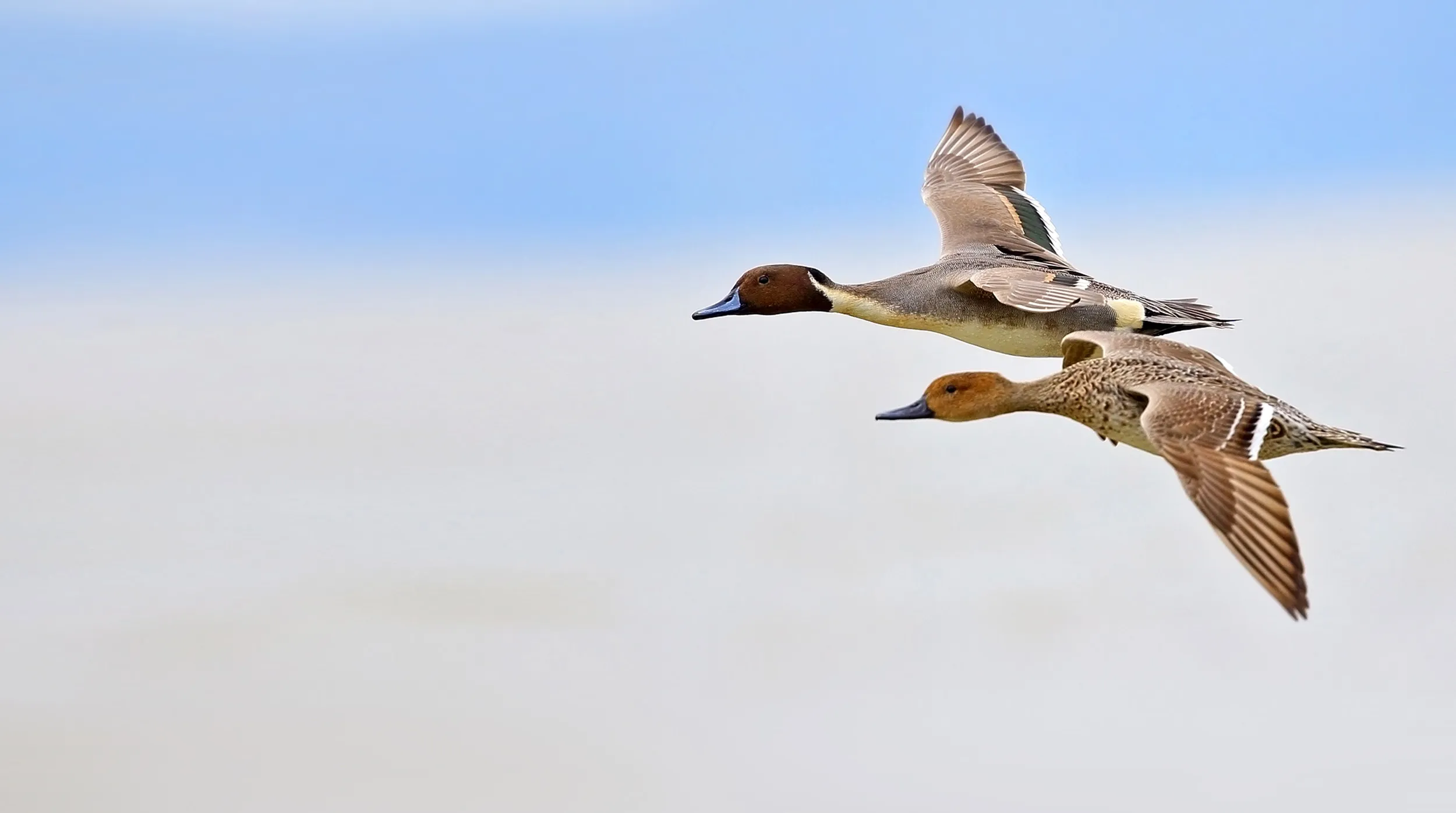
Pintails from Iceland, Scandinavia, the Baltics and Russia have started arriving in the UK already. Their wintering population in the UK is around 20,000 individuals. They are not the most common dabbling duck but their distinct long tail feathers make them easier to tell apart.
Look out for Goldeneyes arriving from Scandinavia and northern Europe this month. They prefer lowland waters and their wintering population is about 21,000 individuals, making them a lot easier to see compared to the few that nest here.
As we can expect from the name, they have a striking yellow eye. The males have a green head with a white patch on their cheek, and the females have a brown head that makes their light eye more obvious. They are a diving duck so they might go underwater and pop back out somewhere completely different.
.jpg)
Tufted Ducks also have golden yellow eyes, but their name comes from the drooping crest feathers they have which is especially prominent on the males. You can see them all year round, but their population rises to 140,000 individuals over winter, making them a lot more common than during the warmer months.

We have Shovelers that spend the breeding season here but many more join in in winter and they are a lot more widespread in the colder months, bringing their wintering population to 19,500 individuals. Their name comes from their big spatula-shaped bill.


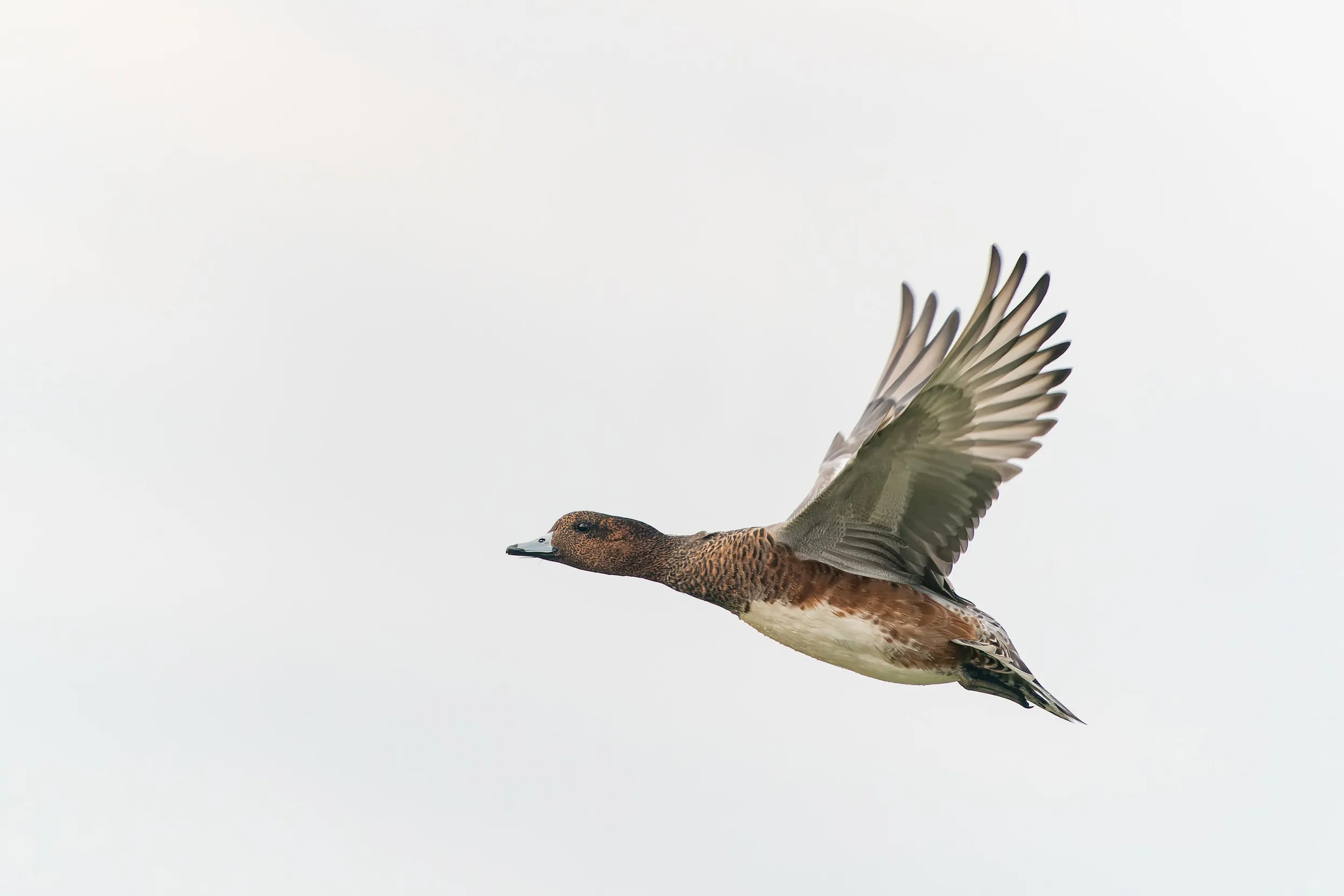
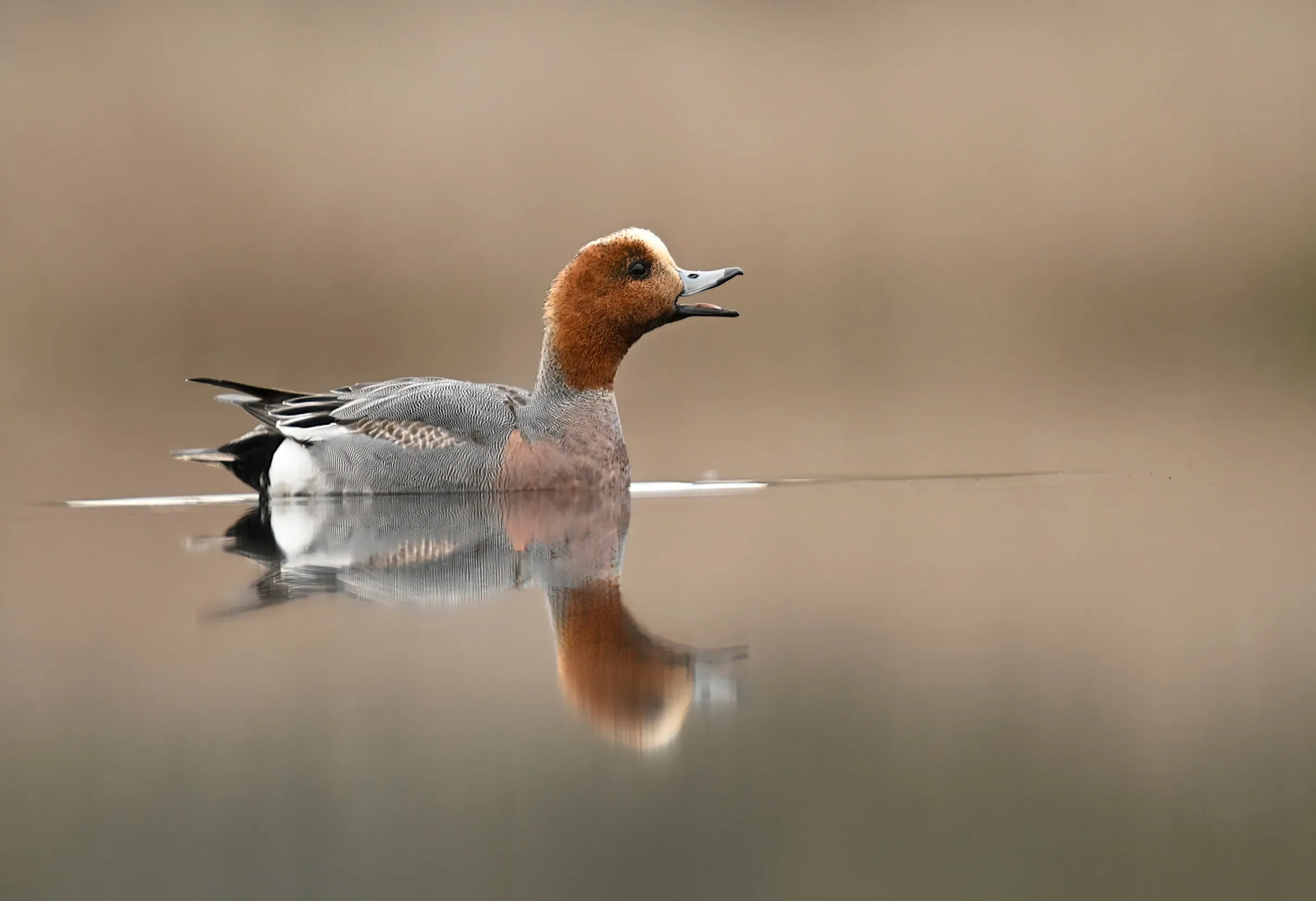
Wigeon, few breed here but hundreds of thousands arrive in winter, increasing their population to 450,000 individuals. The males have a brown head with a yellow stripe on their forehead, contrasting against their grey upper body. The females are mottled reddish or greyish brown all over.
Even Mallards see many more of their kind flying in. Their numbers triple in winter, compared to the ones that breed here. Hundreds of thousands more arrive in the UK from eastern Europe and Russia. They are our most common duck and can be seen most places in the UK.

How do I keep wildlife safe from bonfires?
If you're planning a bonfire, please remember that a pile of logs and sticks can be very attractive to wildlife. With colder weather underway, many animals are looking for cosy places to hide and hibernate. Our beloved Hedgehogs are one of the animals that would love to get comfy under a log pile.
It is best to build a bonfire on the day you are going to light it. This means wildlife won’t have time to get settled in beforehand.
If that’s not possible or you’ve already built it, it would be best to move the logs to a different area before lighting it so you can check for any animals. This will help you to see the wildlife that might be underneath, as well as give them a chance to take off before the fire starts! You can also carefully lift sections of the pile with other branches or sticks to have a look, to make sure there aren’t any sleeping animals there. Be careful not to accidentally poke any animals and beware of frogs that might jump.
If you would like to help out these animals that are looking for a safe place to spend the winter, it would be great to build them their own log pile. Why not create a cosy home for them (well away from the bonfire or any fireworks) with leftover logs and branches. Have a look at how you could do this here.

Meet the expert: Mey Duek
There is nothing like being in nature that lifts my spirits. Whether I’m having a great day or a bad day, watching the wildlife around me and walking under trees always gives a boost of serotonin. You can find me in my local green space attempting to take photos of butterflies and moths, watching the beautiful gulls, and admiring the tall trees.
