Days out
Cliffe Pools Cliffe
Marvel at the magnificent array of water birds that rest, breed and feed at Cliffe Pools, with a backdrop of lagoons, pools and the River Thames beyond.


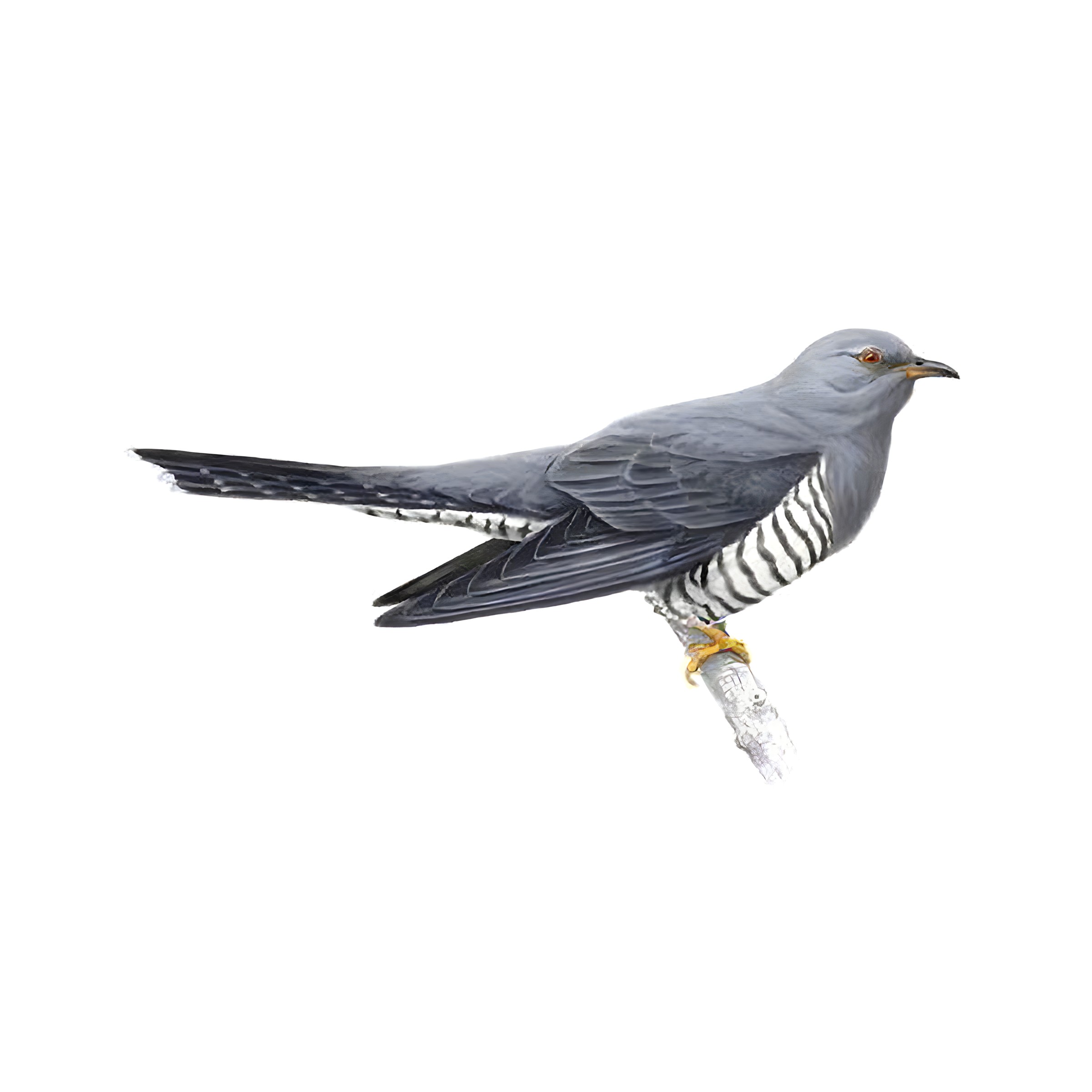

Their recent population decline makes this a Red List species in the 2021 UK Conservation Status Report. Red is the highest conservation priority, with species on this list needing urgent action. Species on this list, such as Cuckoos, are globally threatened, with big declines in breeding populations and ranges.
All over the UK in summer, excluding some areas of Scotland.

Cuckoos are most famous for being as ‘brood parasites.’ That means that they don’t build their own nests, but the female Cuckoos lay their eggs in other birds’ nests. Meadow Pipit nests are particularly favoured! Over a season, the female Cuckoo will lay between 12 and 22 eggs, and all in different nests, though interestingly, they tend to opt for the nests of the same species that reared them.
Once the female finds a suitable nest, she removes one of the unwitting host’s eggs, and lays hers in its place. Cuckoos hatch quickly – after just 12 days – and soon take over, taking all the food brought by the host bird.
By the time the Cuckoo leaves the nest, it is far bigger than the host bird, but the adoptive parent continues to feed the young Cuckoo for a further two weeks. With their young being raised by another bird, adult Cuckoos are free to leave the UK much earlier. Most leave during June for Africa, where they spend winter. The young Cuckoos leave later on, once they’re fully fledged.
“Cuck-oo!” – most people can recognise a Cuckoo’s call, as it just spells out their name. But it’s only the males that make the ‘cuckoo’ sound. Female cuckoos make a more ‘bubbling’ sound.

Head outside and discover fascinating birds each month. Read on for top ID tips, what to listen for, and where to see them.