All about Nightjars
The Nightjar. The enigma. The legend. These almost mythical birds arrive from Africa every summer to raise their young.

The Nightjar. The enigma. The legend. These almost mythical birds arrive from Africa every summer to raise their young.
The Nightjar’s conservation status isn’t currently assessed. Since numbers plummeted by 51% in the UK between 1972 and 1992, populations have started to recover thanks to conservation efforts including habitat restoration.
Nightjars are a summer visitor here and they make us wait. They’re usually one of the last migrants to arrive in late April and May, with most travelling up from the scrub grasslands of the Democratic Republic of Congo.
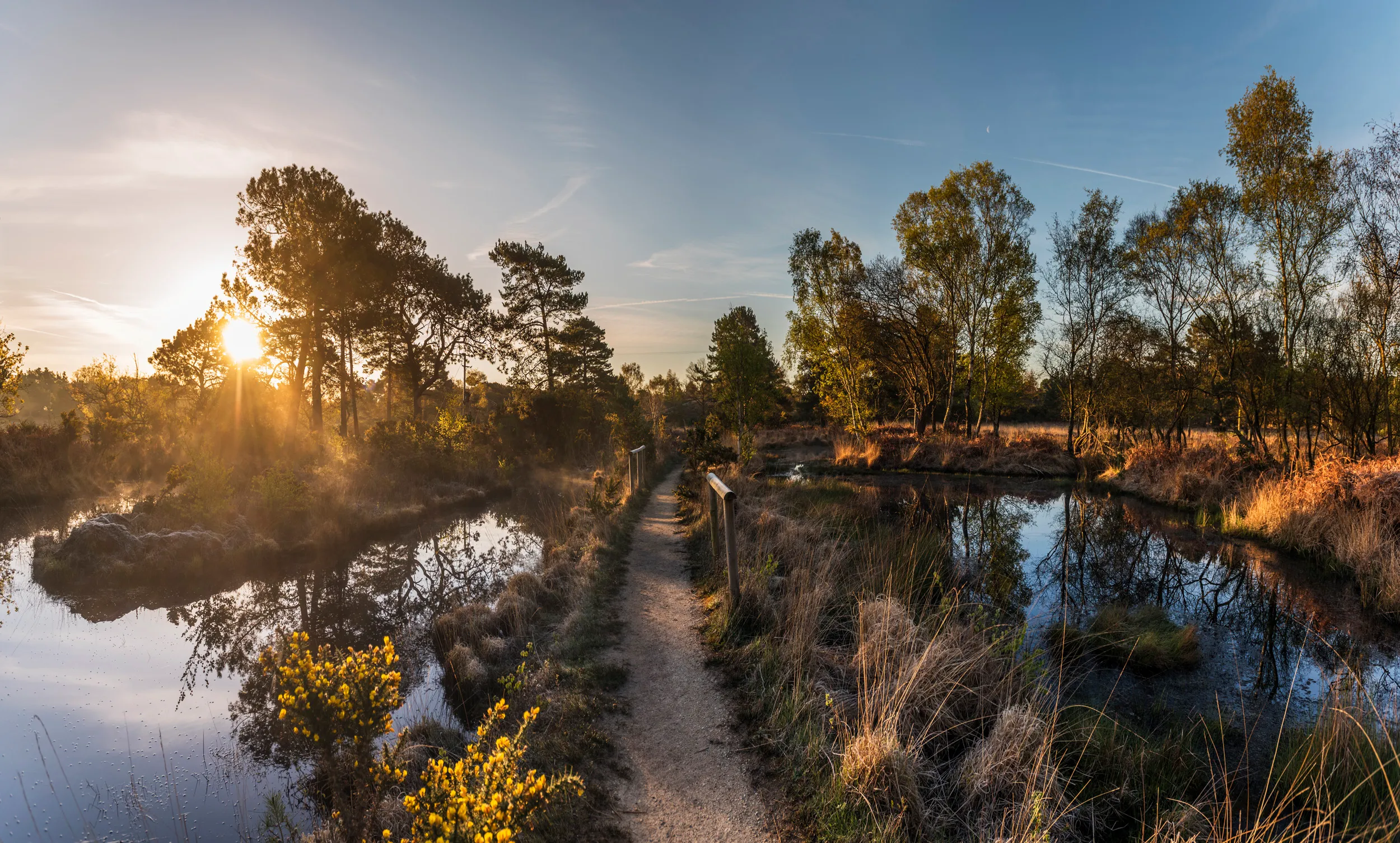
They come here to breed on heathlands, moorlands, woodland clearings and in recently felled conifer plantations. They’re most numerous in southern England but are also found in parts of Wales, northern England and southwestern Scotland.
By late August and September most Nightjars have left the UK, heading back over mountains, seas and desert to their Sub-Saharan wintering grounds.
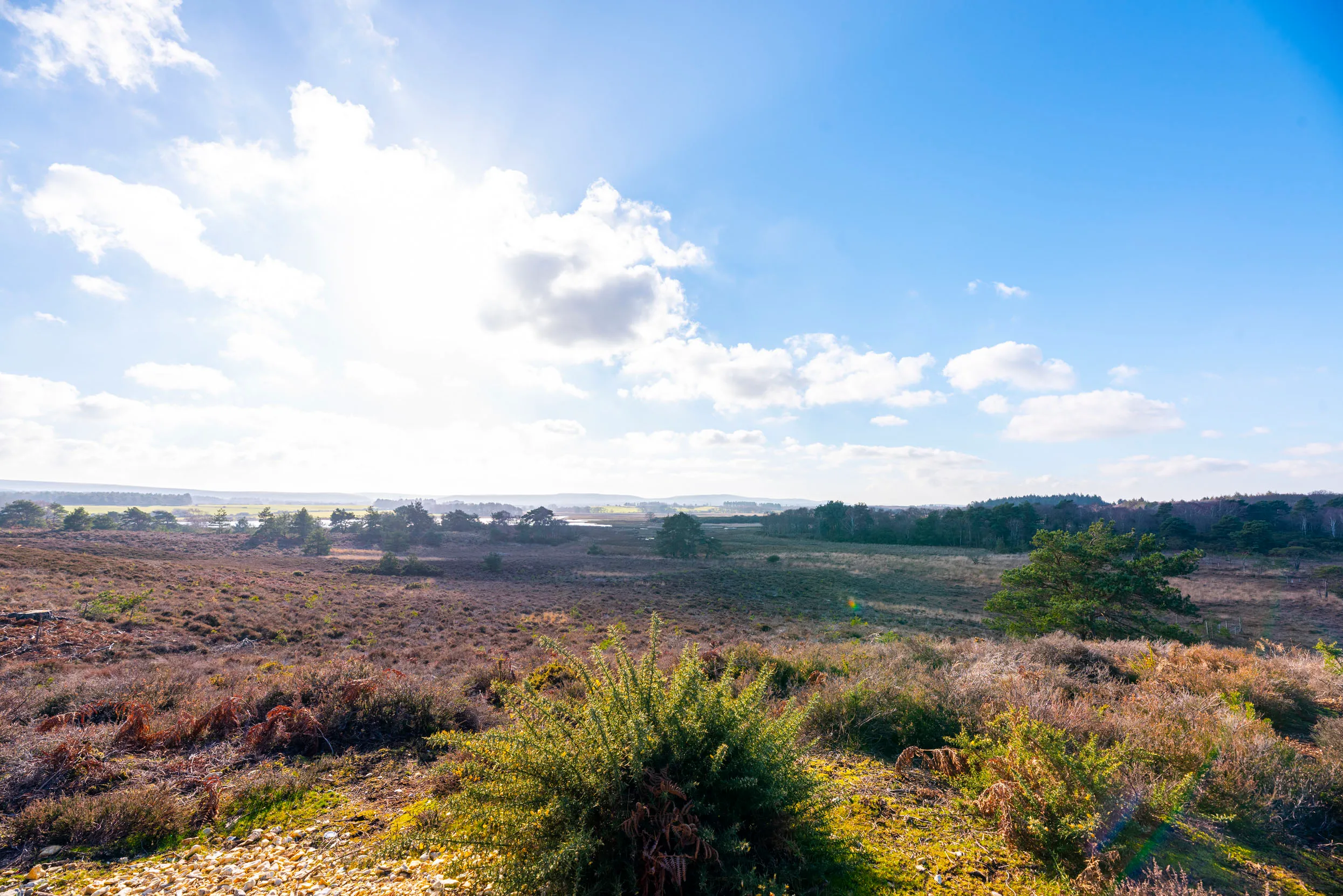
RSPB Arne in Dorset is now one of the best places in the UK to hear their call, with 60 territorial males recorded last year, three times as many as in 1990.

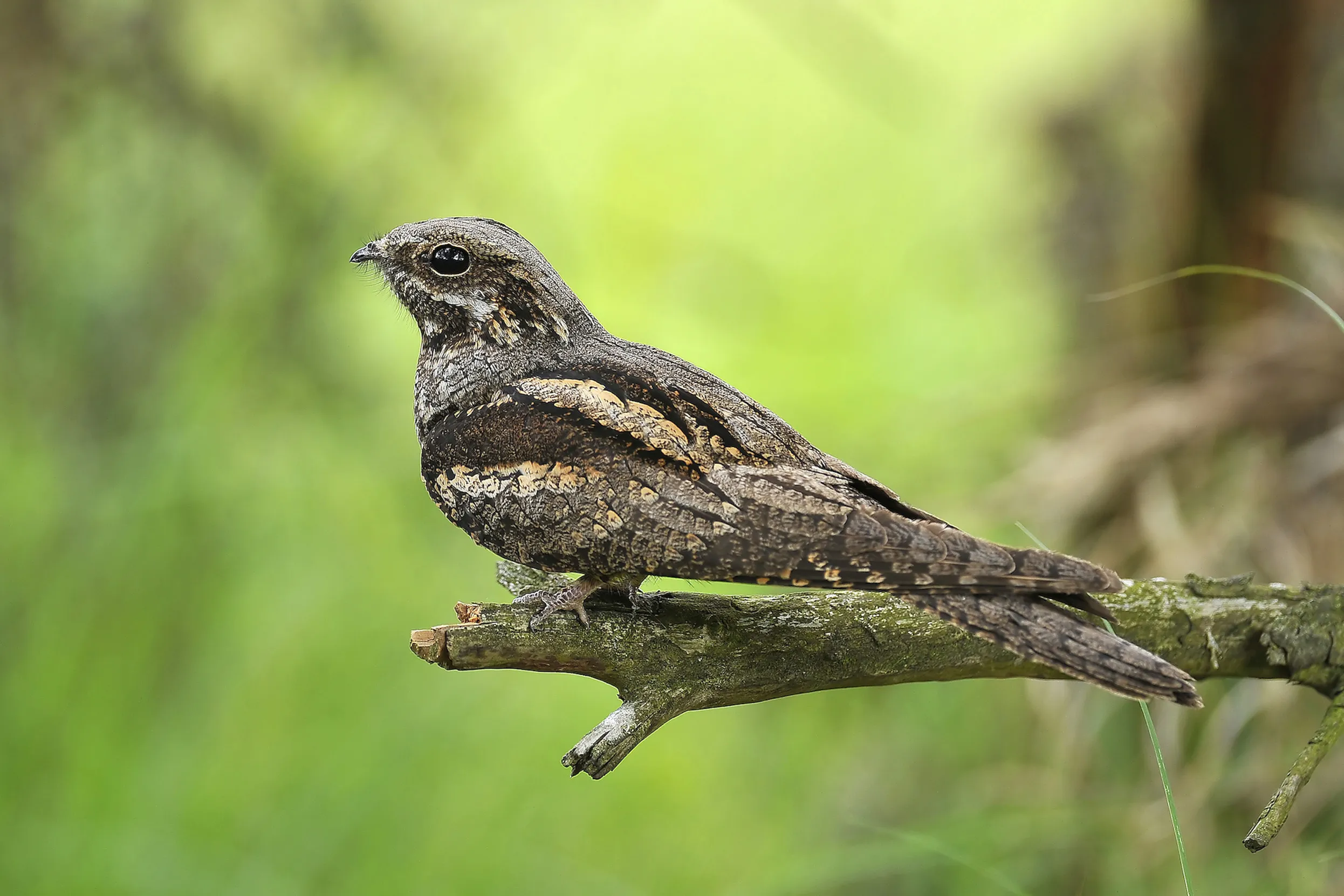
These almost mythical birds arrive from Africa every summer to raise their young. During the day their SAS standard camouflage makes them invisible to most. But as dusk descends, their unearthly sound shatters the silence across heathland and moor.
Like a strange creature from a 70s B-movie. The male’s churring is more alien lifeform than a shy brown bird. It has a mechanical feel, like a strange clockwork toy steadily unwinding, the constant notes gently rising and falling through the half-light. They often move their head as they call, throwing their voice and making it difficult to locate exactly where they are. As if to make things even more eerie, the churring is often combined with a percussive flapping of the wings.
Once they have found a suitable location, females lay their eggs on secluded patches of bare ground. The eggs take around 18 days to hatch, with the one or two chicks fledging around 18 days later. Each pair normally raise two broods each year.
The Nightjar is known by many names – the Fern Owl, the Wheeler, the Nightchurr and the Dor-Hawk. But the oddest is surely the Goatsucker. Long ago it was thought Nightjars would drink milk directly from goats, poisoning them so their udders wasted away and they went blind. The myth was once common in many countries all over Europe, not just in the UK.
The truth...is less dramatic. Nightjars were probably coming close to the livestock because they were hunting the many insects close by.

Brilliant birds, month by month: what to see and where to go.