
Advice
Wing Tips: what to see in November
The leaves have fallen and winter grows near, but there’s fireworks to see at this time of year.
Spring’s in full swing! Here are our top birding tips for this month.

April’s here, and we’ve got five birdy reasons why we’re wild about spring. It’s a great time to get your eyes on the skies and look out for returning migrant birds. These long-distance athletes have travelled sometimes thousands of miles to get here – so let’s give them a big spring welcome. If you’re lucky, you might hear the unmistakable sound of a Cuckoo at this time of year, too.
There are also two big days this month. April boasts both World Puffin Day and World Curlew Day, so we’re taking the opportunity to celebrate these two wonderful species.
Swallows are one of our long-distance avian athletes, and April’s the month when they’re starting to arrive from their wintering grounds in South Africa. Migrating Swallows cover more than 200 miles a day, mainly during daylight, at speeds of 17–22 miles per hour! They might look like Swifts, but their big giveaway is their long tail streamers. Also, a Swallow’s call is more of a twitter than a scream.
And tail streamers are quite the talk of Swallow-town – female Swallows prefer to mate with males with longer streamers as it’s believed they will pass on better genes to their offspring!
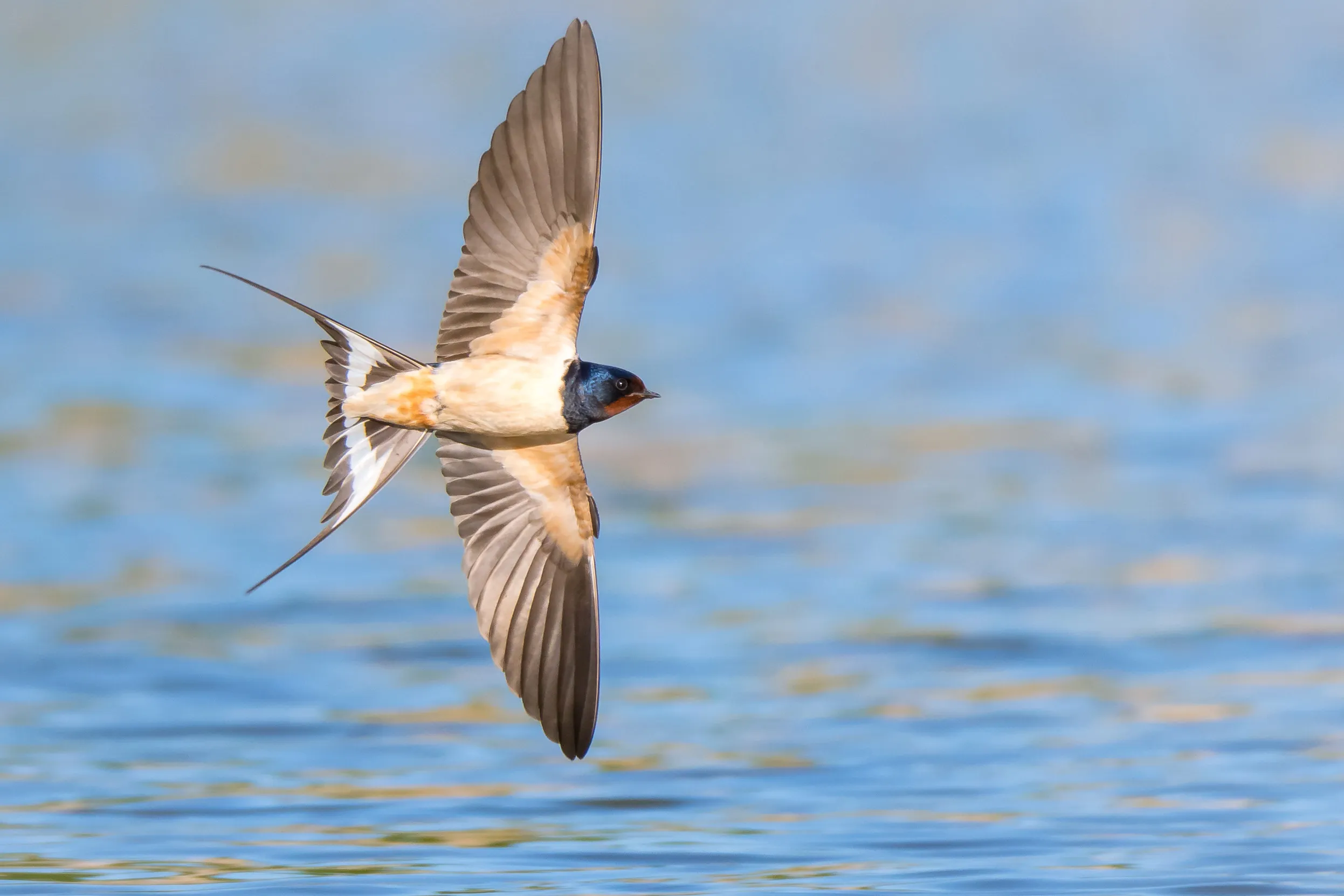
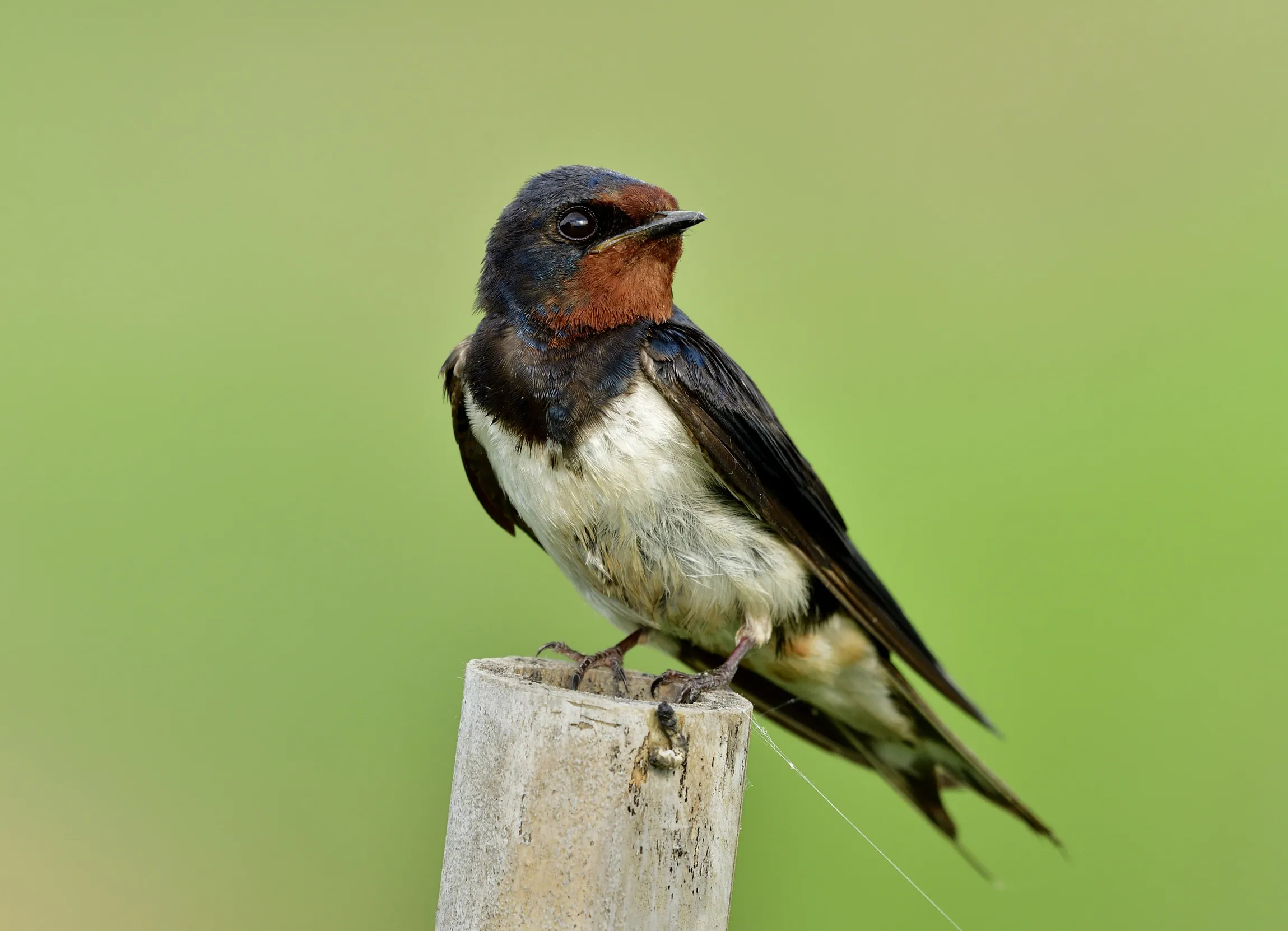


Mostly in open countryside or around water, where insects are plentiful.
Easy
Swallows are Green-listed, which means they’re not of conservation concern. They’re widespread around the Northern Hemisphere.
They’re greyish birds, and only the males have a black head, but that unremarkable appearance hides a big secret. The best thing about Blackcaps is their wonderful warbling song, which even gives the Nightingale a run for its money.
They used to be a traditional summer migrant, arriving in our shores from this month onwards. But things are changing! You can increasingly see them here in winter, too. The ones that breed here over the summer tend to head back to the Mediterranean to spend the winter. And the Blackcaps that winter here are generally from a central European population, especially from Germany. That group comes here to feast on autumn berries and fruits. But don’t cross them – they’ve got a bit of a reputation for getting in a bit of a strop when it comes to food, and will happily shoo other birds away from feeders!


The Blackcap’s melodic, fluting song has earned its nickname the ‘Northern Nightingale.’
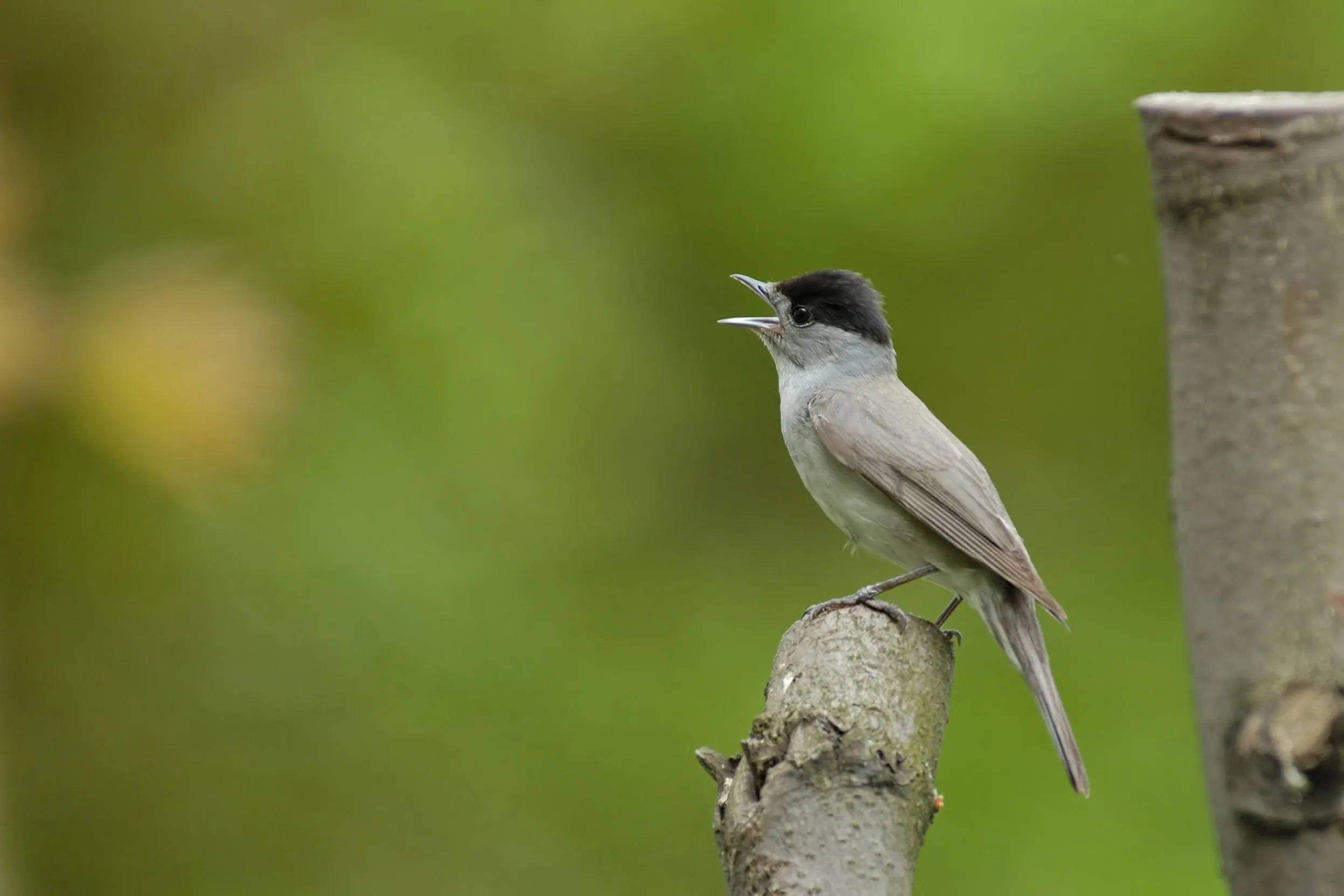
Woodlands, parks, and gardens with plenty of trees and shrubs.
Medium
Blackcaps are Green-listed, which means they’re not of conservation concern
Cuckoos are famous for two things. The first is their “Cuck-oo” which is completely unmistakable. But did you know that’s it’s only the male birds that make the “Cuck-oo” sounds? The female’s call is more of a bubbling song.
They’re also known for their nesting behaviour. Cuckoos are what are known as ‘brood parasites,’ which means they don’t build their own nests. Instead, the female Cuckoo lays her eggs in the nests of other species. Meadow Pipits are one of the favoured species –and they’ll often opt for the same species of bird as the one that reared them.
They might lay between 12 and 22 eggs, all in different nests, and once the Cuckoos are ready to leave the nest, they’re much larger than the host bird.
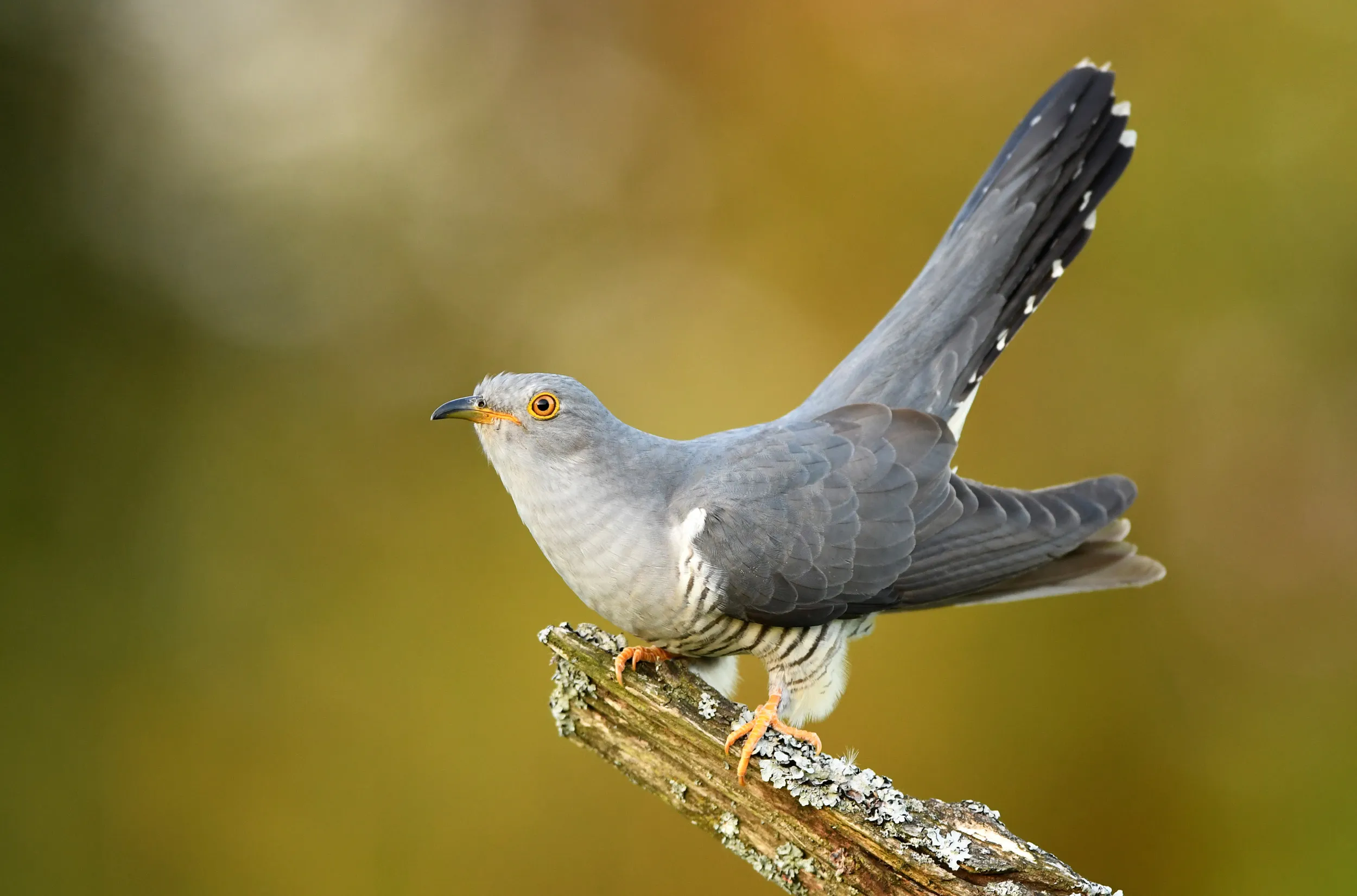
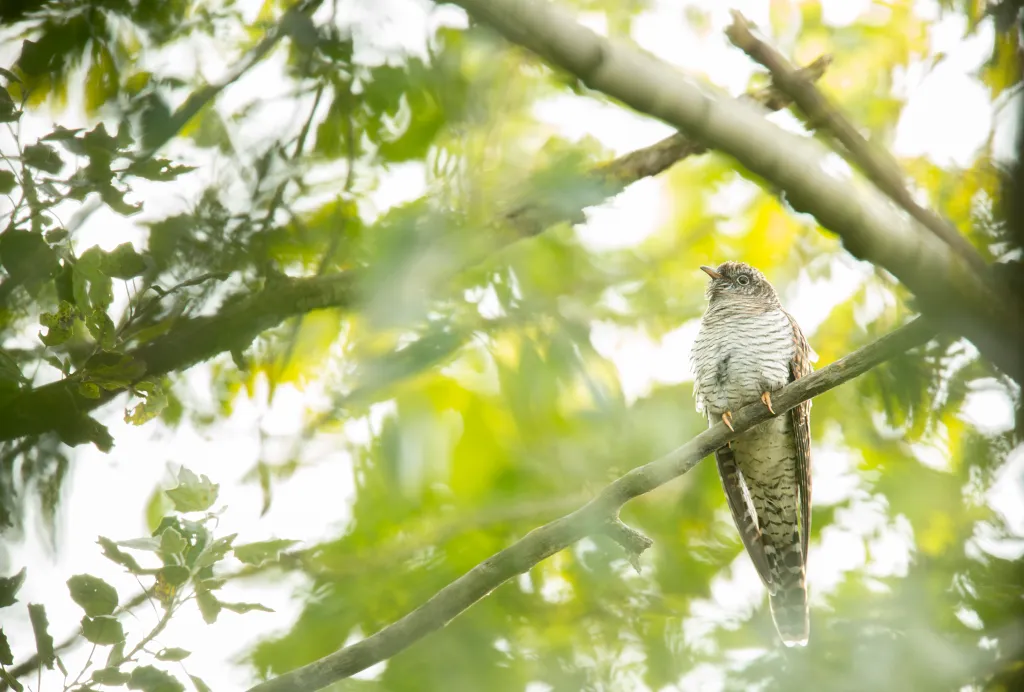
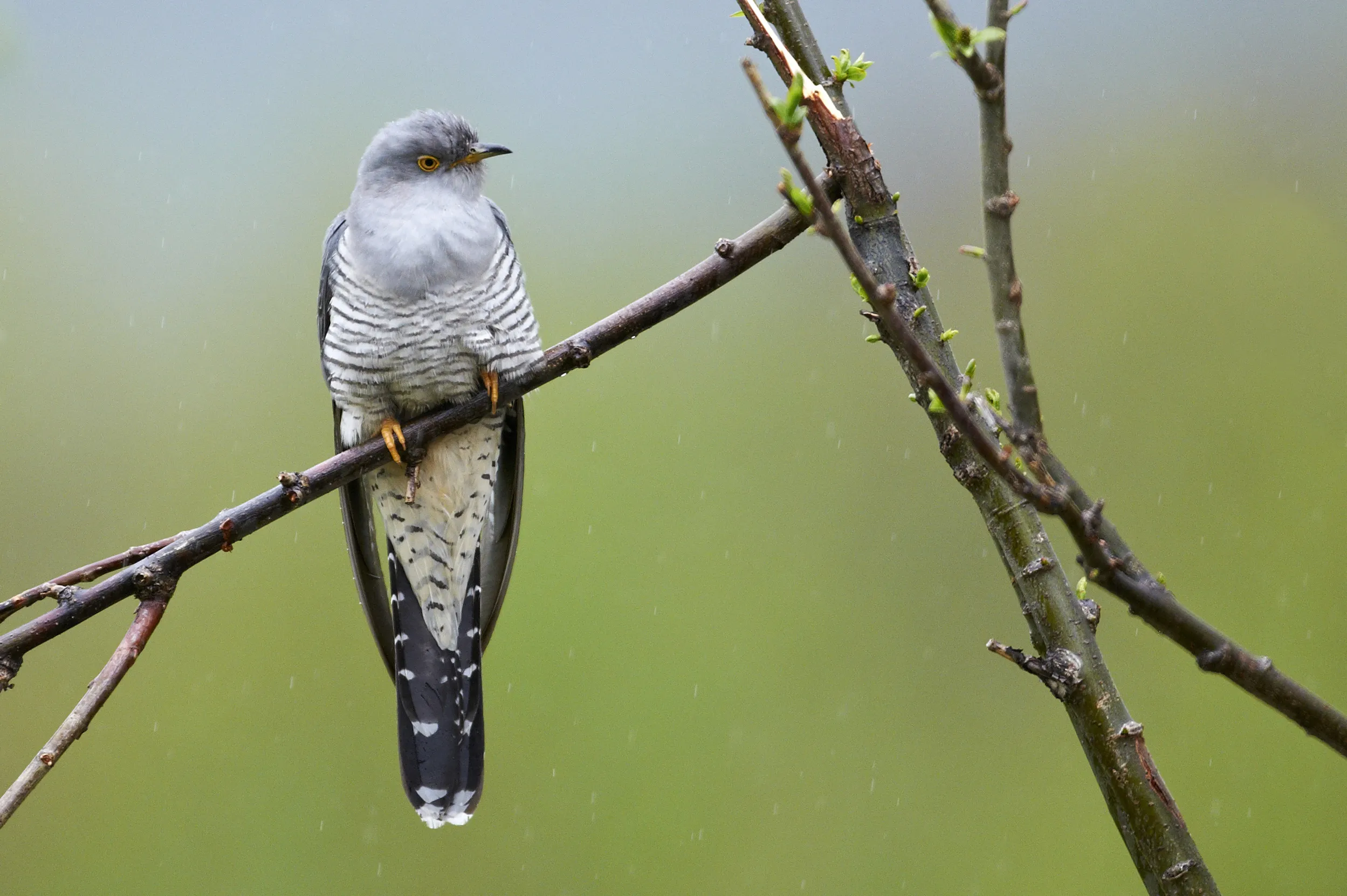

Listen out for the distinctive sound of Cuckoos in woodland and grassland areas.
Medium
Cuckoos are now on the Red List of Conservation Concern.
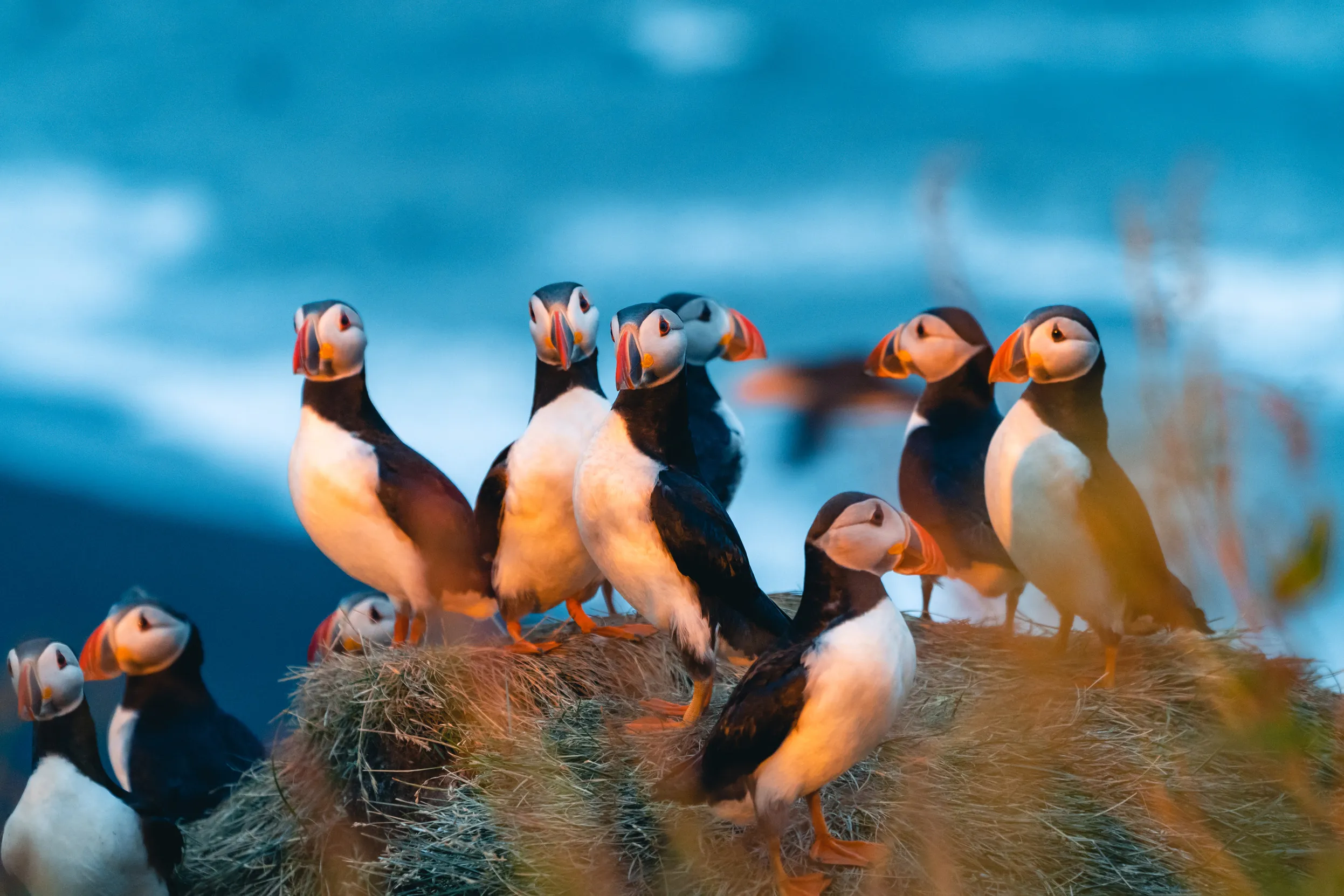
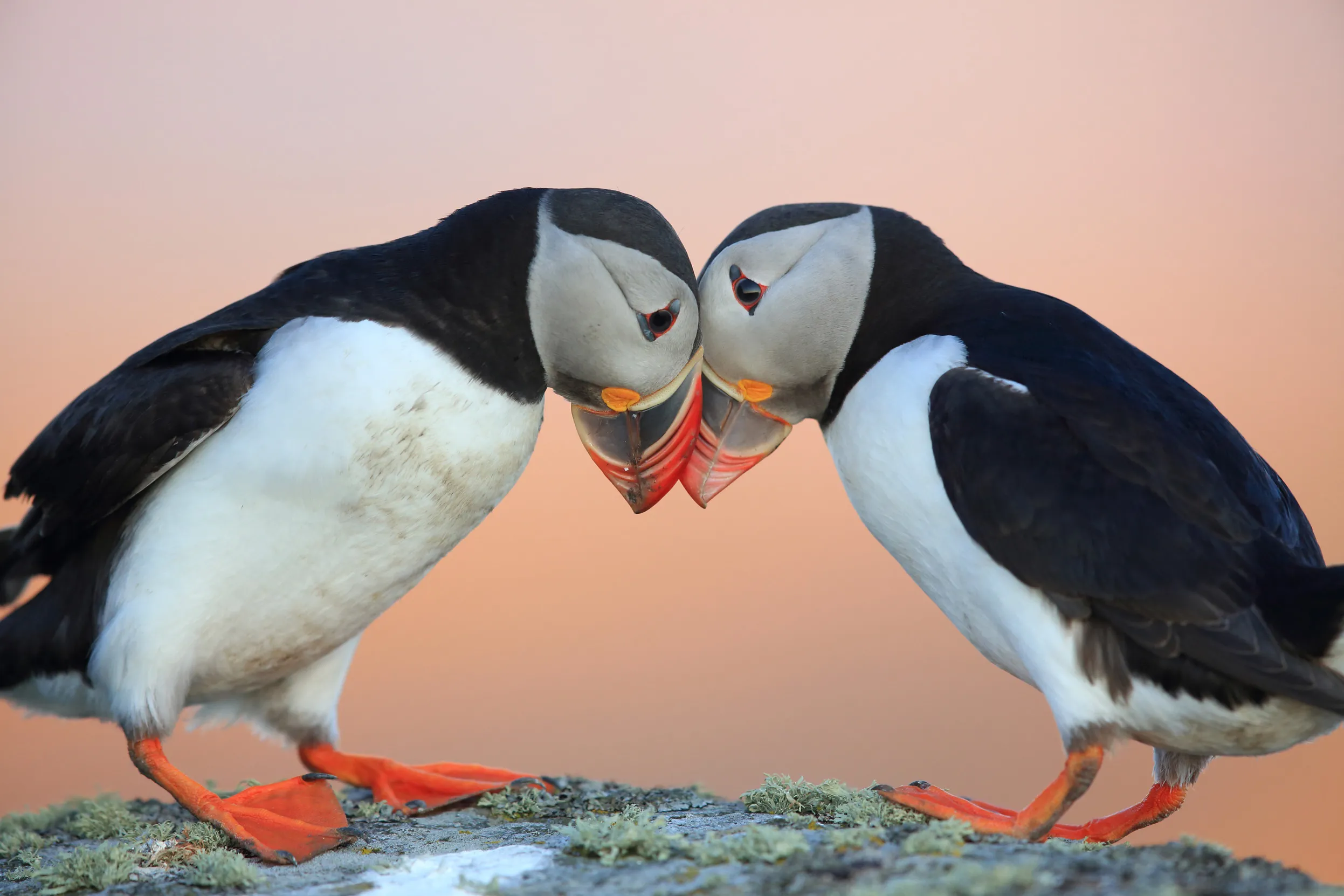
On 14 April, we’re celebrating World Puffin Day, which raises awareness of these wonderful charismatic little seabirds, known as ‘clowns of the sea’. But outside of the breeding season, they don’t need to dress to impress, and their colourful bills turn to shades of grey.
They tend to mate with the same partner year after year, and they’re also faithful to their breeding sites, which are either an underground burrow, or a cosy crevice on a cliff.
They’re expert hunters of small fish, and they particularly enjoy feasting on sandeels. Their bills have serrated edges to keep hold of them, and one particularly adventurous Puffin was recorded carrying an amazing 83 sandeels at once!

.jpg)
The UK is home to about 9% of Europe’s Puffins. They breed on islands and sea cliffs around our coasts. But their populations have been declining steeply.
Moderate
According to 2023’s Seabirds Count, the latest seabird census, 23% of Puffins have been lost from the UK in the past 20 years. They now feature on the Birds of Conservation Concern Red List and are at risk of global extinction.
Overfishing makes it harder for Puffins to find enough food, so we campaigned for decades – alongside our partners, members and supporters – for the closure of industrial sandeel fisheries. And it paid off! In 2024, the closure came into effect, covering the English North Sea and all Scottish waters.
From the towering seabird cliffs of Bempton in Yorkshire, to South Stack on Anglesey, and Sumburgh Head in Shetland, we work hard to manage and protect these reserves to give Puffins the safe places they need to raise their chicks.
Predators like rats can decimate Puffin populations if they are accidentally introduced to the islands where seabirds breed. But the good news is that when these invasive non-native predators are removed, seabirds can bounce back. That’s why the RSPB has been involved in a number of projects to remove introduced predators from seabird islands and enable Puffins to thrive.
If you’d like to help seabirds such as Puffins, please consider donating to Save Our Seabirds.
World Curlew Day takes place on 21 April each year, and it’s the chance to celebrate these wonderful birds and draw attention to the fact they’re in serious trouble. The date is the feast day of St Beuno, the patron saint of Curlews.
Curlews are the UK’s largest wading bird, The UK breeding population of Curlews is of international importance, and around 30% of the west European population spend winter in the UK.
When it comes to attracting a mate, Curlews really put the effort in. Male Curlews will perform display flights – a parachuting descent accompanied by a bubbling song.
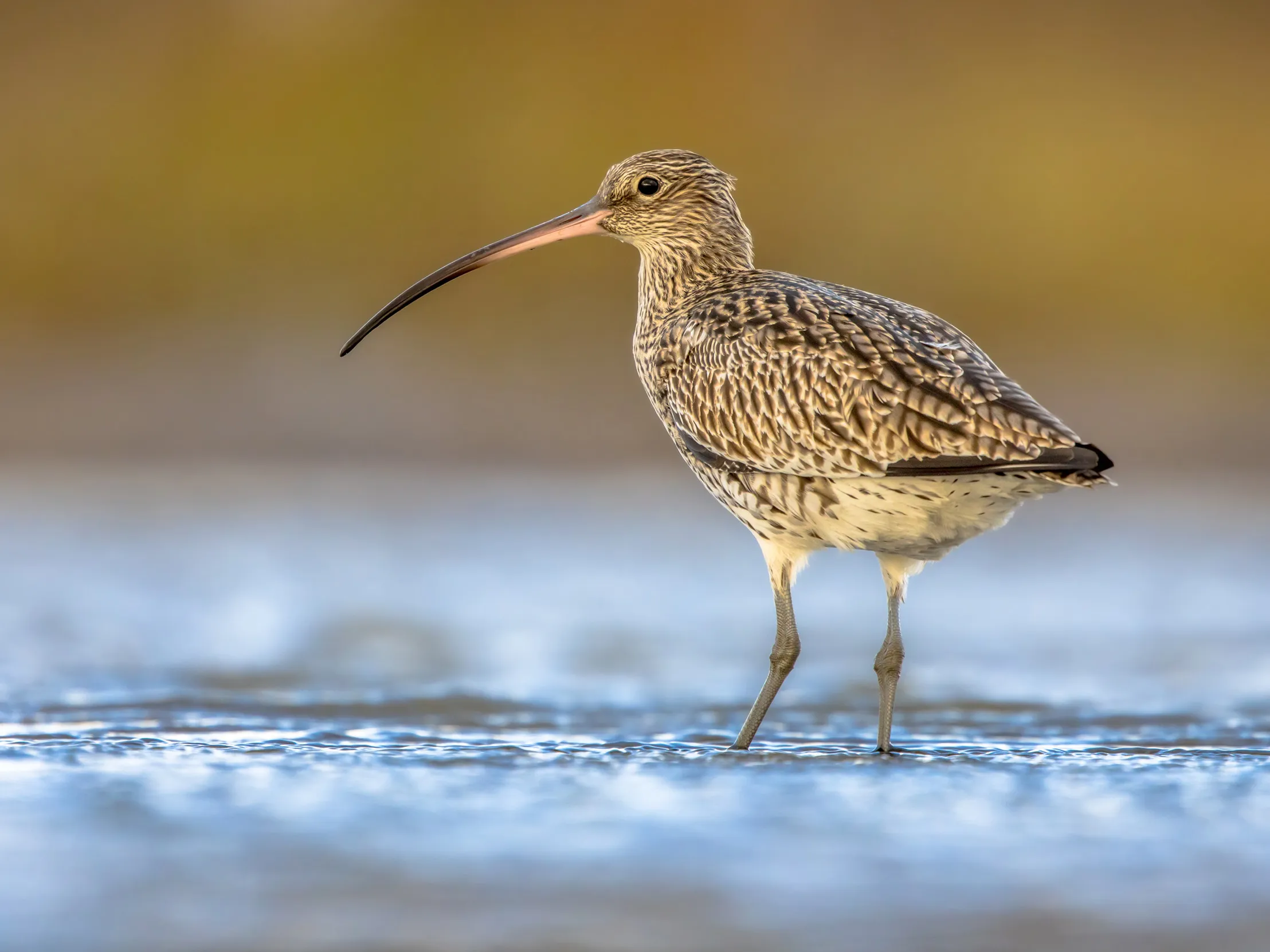


Curlews are suffering from severe declines, so the chances of seeing one – or hearing their wonderful bubbling call – are rare. But if you’re lucky, you might see them on farmland, lowland grassland, or upland moorland.
Moderate
Across the UK, there have been worrying declines in the breeding population of Curlews. In 2015, Curlews were added to the Red List of Conservation Concern.
So we’re fighting back and doing all we can to make sure their evocative, bubbling call will be heard into the future.
We have a five-year action plan to help secure the future of Curlews.
Our work involves making sure our nature reserves are in the best possible condition for Curlews. Our staff in the field work to find Curlew nests, and then protect them using specially designed fencing before predators can find them. Our teams then monitor where the young chicks go, and we take action if they need any further protection. We’re also building a base for volunteers to help us carry out this work.
We also work with farmers to create ideal Curlew conditions on their land. By creating wet areas, farmers can make it easier for chicks to find enough worms and insects to feed on.
At the other end of the scale, we campaign for better protected areas for Curlews, particularly breeding sites, and better payments for farmers who look after them on their land.
We hope you feel inspired to try and see some of these birds this month. We’d love to hear how you get on. You can share your photos with us at NotesonNature@rspb.org.uk. We’ll share some of the best in a future issue of Notes on Nature.


