Seven awe-inspiring walks for autumn
From golden leaves to whirling wading birds, experience the best nature spectacles on RSPB reserves.

On this page
As temperatures begin to drop, we know it’s tempting to stay at home and hibernate. But with some of nature’s best seasonal spectacles just warming up, autumn is the perfect time to head outside.
Visit an RSPB nature reserve, and you’ll get a front-row seat to some of wildlife’s greatest shows. Hear Bearded Tit calls ringing through reedbeds, see Red Deer clashing antlers, watch wintering wading birds heading to roost and more. Plus, some of our reserves offer hot drinks, so you can keep cosy with a cup of Pumpkin Spice.
While we’re sharing some of our highlights below, our 170 nature reserves open to you offer a chance to escape into nature and experience the best of wildlife each season.
Find an autumn walk near you
England
Leighton Moss
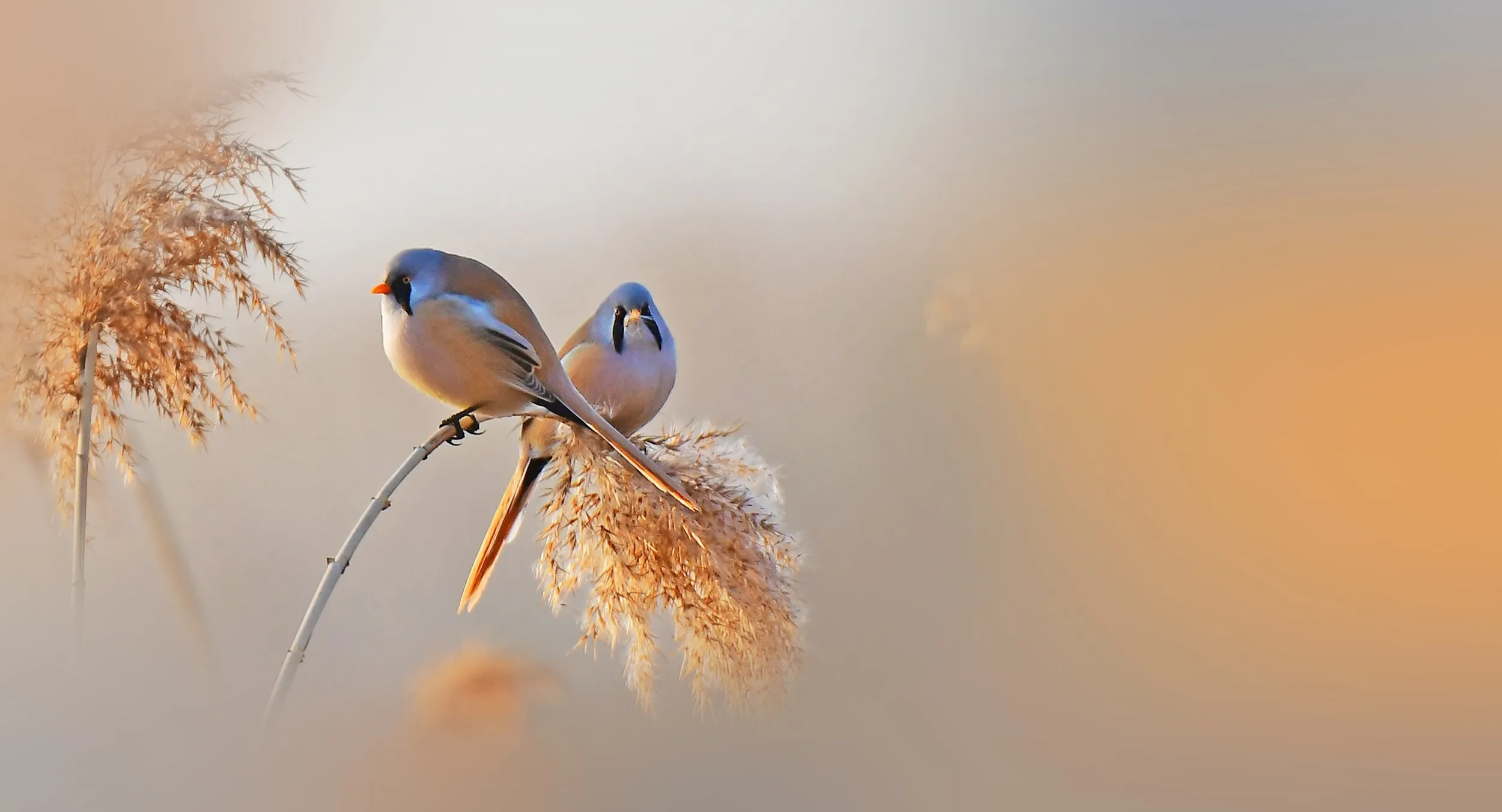
On a crisp autumnal morning, metallic pinging sounds ring out from the depths of the reedbed. A flurry of small birds skim over the seedheads, silhouetted against the low-lying morning sun. Usually hidden in the depths of the vegetation, it’s easier for eager visitors to catch a glimpse of Bearded Tits during the autumn months – especially at Leighton Moss.
The nature reserve’s purpose-built ‘grit trays’ provide these birds with the opportunity to collect the grit they need as they switch their diet from insects to seed. And they’re obliging models, providing visitors with spectacular views as they stock up.
Take a winding walk along the nature trails here and you’ll feel fully immersed in the wetland, as 8ft reeds tower over you on either side. Climb the Skytower to enjoy a ‘bird’s eye view’ of the wetland and sweeping vistas across Morecambe Bay.
If you’d like a guide to get the best chance of seeing one of autumn’s finest wonders, then you can book a place on one of our Brilliant Bearded Tit guided walks.


Minsmere
Time flies when you’re exploring Minsmere’s vast mosaic of habitats, stretched over 1,000 hectares (that’s about one-and-a-half times the size of Gatwick Airport!). From rich, golden reedbeds, alive with wildlife, to wild woodlands bejewelled with fungi, this flagship RSPB nature reserve is the perfect place to hunt for autumn’s treasures.
Minsmere is an important place in the RSPB’s history, and for the history of nature conservation in the UK. Pioneered at Minsmere, the scrape – a series of shallow lagoons and islands designed to benefit breeding Avocets – is now a common technique used at nature reserves across the globe. The original scrape is an ideal location to spot autumn’s long-distance travellers, like Green Sandpipers and Spotted Redshanks, as they refuel on the journey to their wintering grounds.
Join us on a Reedbed Ramble guided walk for a chance to go off piste with our guides as we explore the hidden reedbed banks. Autumn mornings are the best time to see family parties of Bearded Tits clinging to reed stems. Will you stumble upon an Otter or Red Deer or spot a Bittern flapping lazily above the reeds?


Scotland
Tay Reedbeds:
Looking for a long, autumnal walk? Nestled between Dundee and Perth, the reedbeds lie on the north banks of their namesake river and are the largest in the UK – spanning an 11-mile stretch. You can explore a 7km trail along this uninterrupted haven for nature and see seals loafing out on the muddy bay, winter wildfowl cruising along the river, and Marsh Harriers coasting overhead.
Historically cut for thatch, the land on the banks of the River Tay has been shaped by humans since the 16th century. Now, the reeds are cut in different areas to create varied vegetation, providing habitats for a wider array of species, as well as providing older, dryer reeds for Bearded Tits to nest, and newer, more open reeds for them to feed.
To honour the site’s cultural history, some areas of the expansive reedbed are still cut for thatch – the only place in Scotland that still cuts thatch commercially. As well as providing varied vegetation, the income generated helps to support the reserve’s crucial conservation work.


Loch of Strathbeg
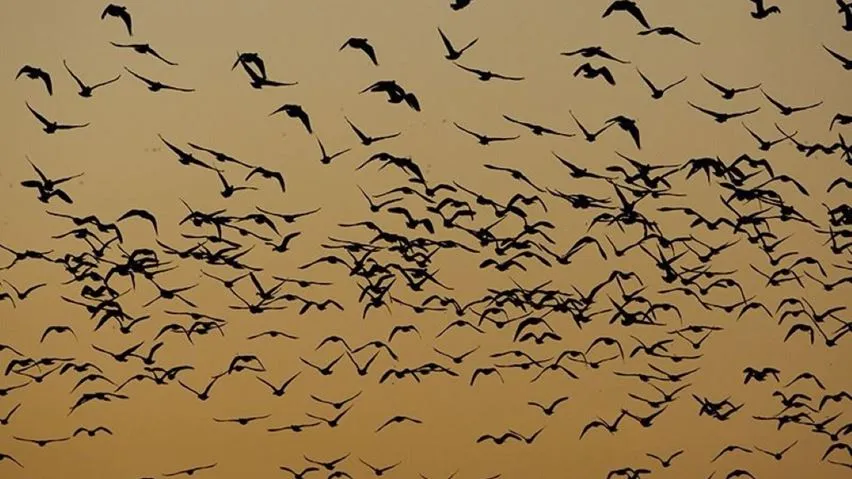
The ‘wink wink’ call of Pink-footed Geese fills the grasslands at Loch of Strathbeg in the colder months. This mosaic of habitats – coastal dunes, wet grassland, reedbeds, a loch – is, at times, home to a fifth of the world’s population. Joining them are Whooper Swans, Wigeons, Pochards, Teals and more. Many of these ducks and geese have spent their summer raising chicks on the Arctic tundra of Greenland, Iceland and Svalbard. They escape to Scotland in the winter for its comparatively balmy climate.
Loch of Strathbeg is the largest dune loch in the UK. It’s freshwater but just set back from the shoreline among the dunes. These different habitats are a rich smorgasbord for many species. The reed edges provide the perfect camouflage for the occasional overwintering Bittern, and the grazed grasslands are home to threatened farmland birds, like Yellowhammers and Corn Buntings.
The reserve, tucked in the north-east corner of Aberdeenshire, has three hides and trails. Explore the small Visitor Centre, the woodland and fens, and then the beach beyond. You’ll feel out in the wild, but the nature reserve has onsite parking and toilets.


Wales
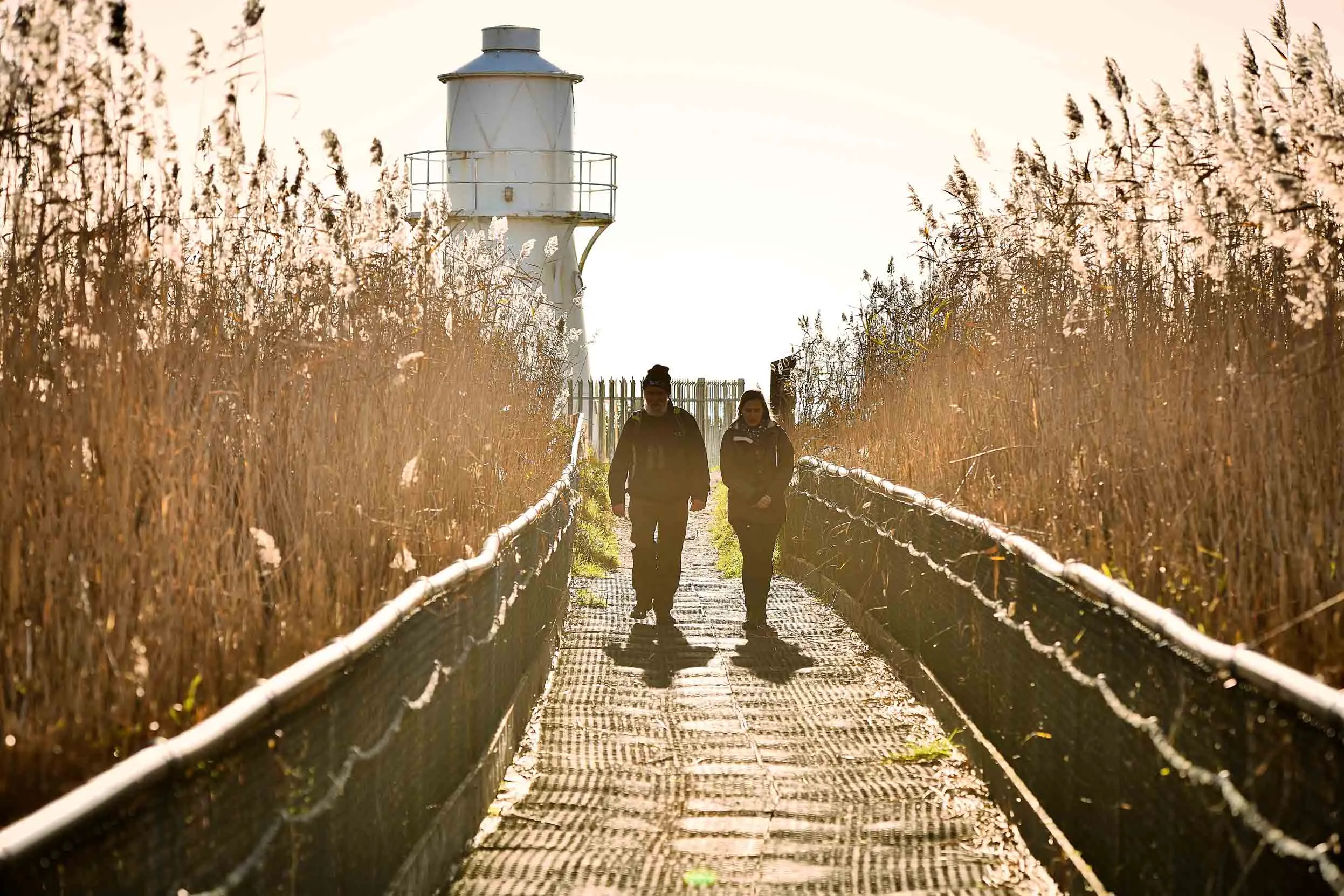
Newport Wetlands
You’ll discover Wales’ wild history at Newport Wetlands, where the silt and mud of the estuary has perfectly preserved prehistoric footprints and ancient animal bones. The nature reserve, at the mouth of the River Usk, is a patchwork of vital habitats: reedbeds, fens, wet grassland and woodland. And along with its archaeological importance, the area continues to make history – it’s home to Wales’ first breeding Bitterns in over 200 years.
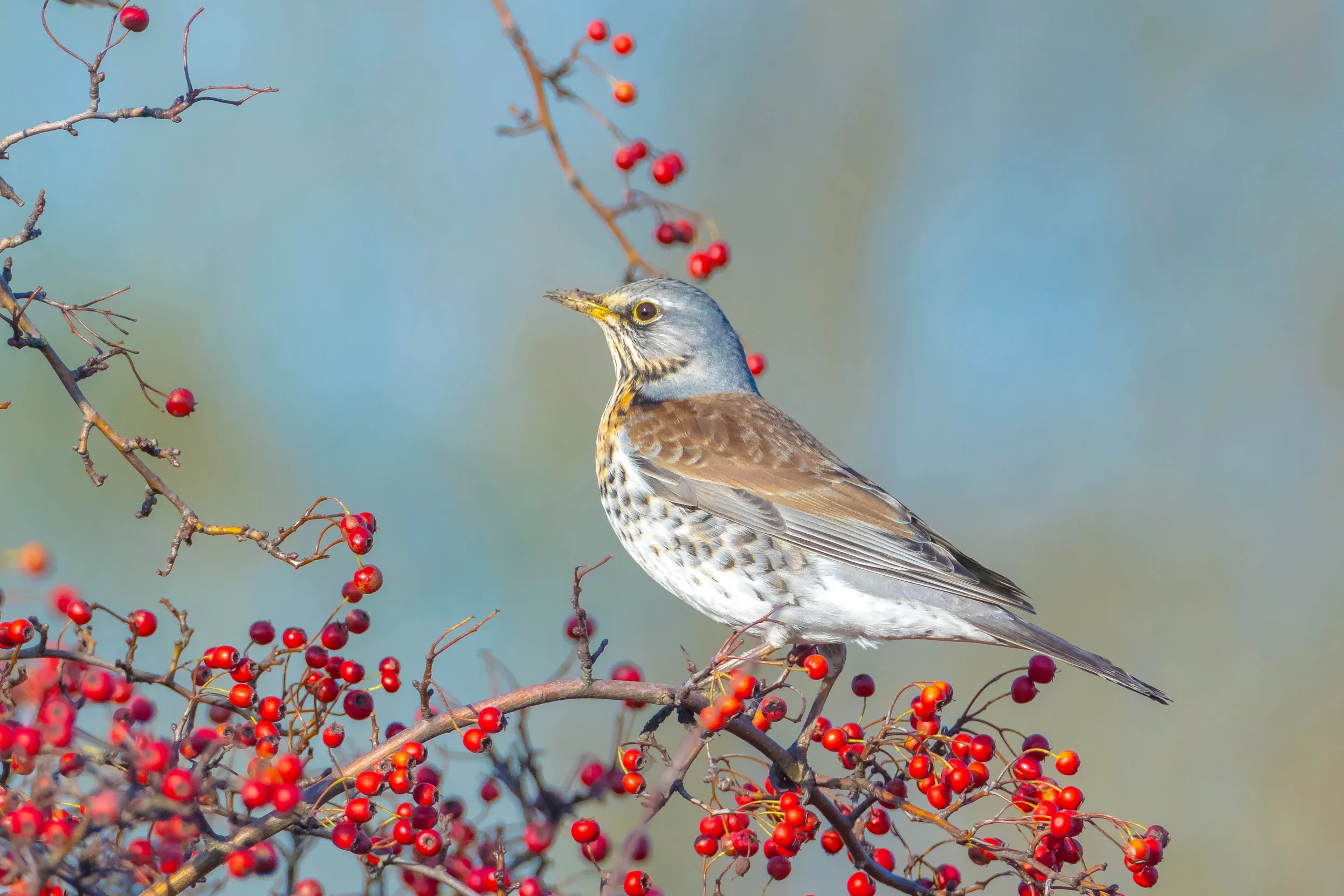
In autumn, freshly arrived thrushes feast on the bounty of berries in the wetland’s hedges. Listen out for the ‘tseep tseep’ of Redwings and the chuckling call of Fieldfares overhead, as they touchdown from Scandinavia. Book a place on one of our ‘What’s That Bird’ guided walks and you’ll learn our top tips to ID these seasonal visitors.
Bearded Tits ping in the reedbeds and woodlands are adorned with fiery reds and burnt oranges of autumn.
Bundle up for a fresh, brisk walk along the Wales Coast path, which skirts along the edge of the reserve, and you can see wintering wading birds as they feed on the muddy estuary mouth. Look out for Curlews, Lapwings, Redshanks and Dunlins. But don’t worry, you can ward off any windchill with hot drinks and locally made soup from the café.




Dee Estuary – Point of Ayr
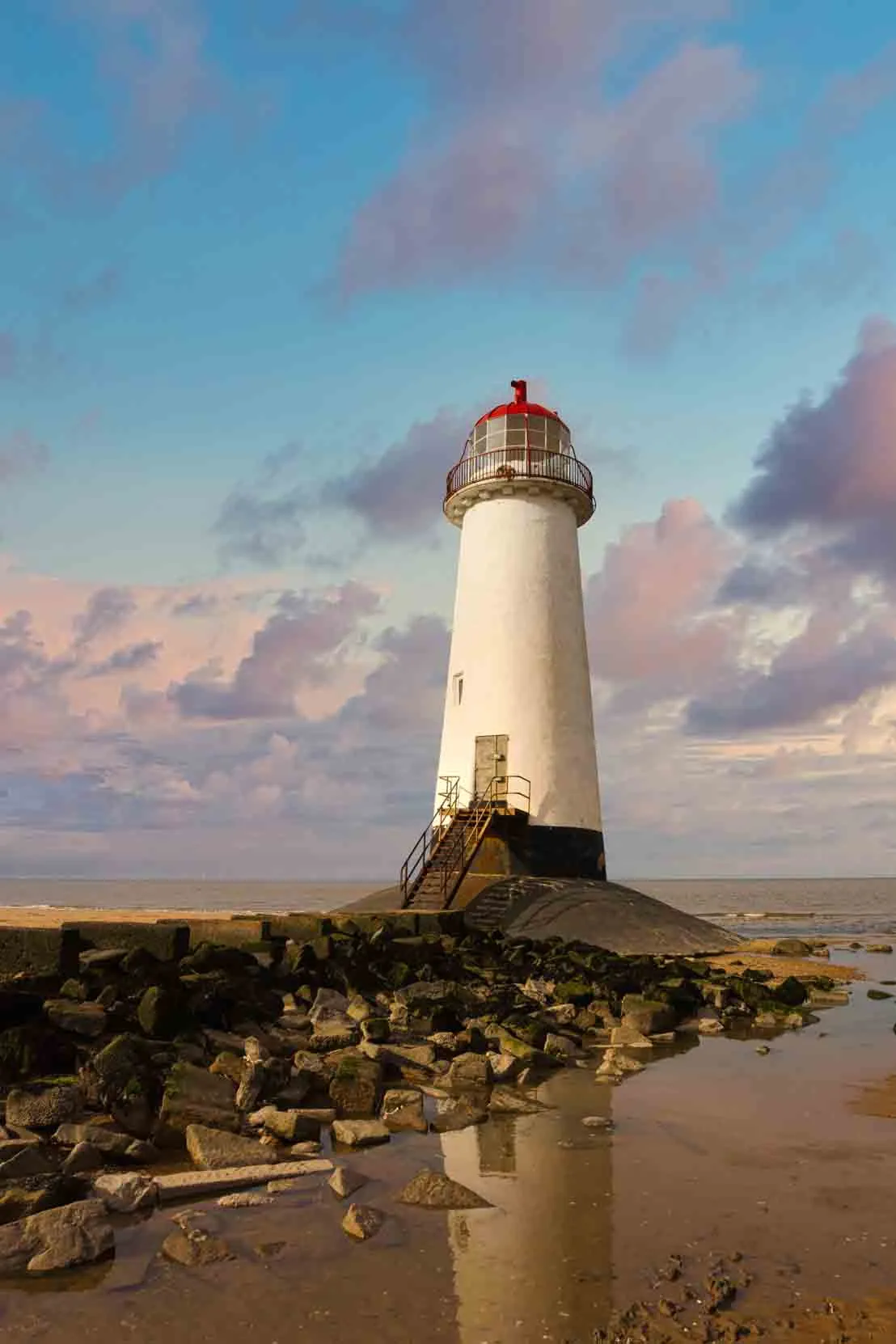
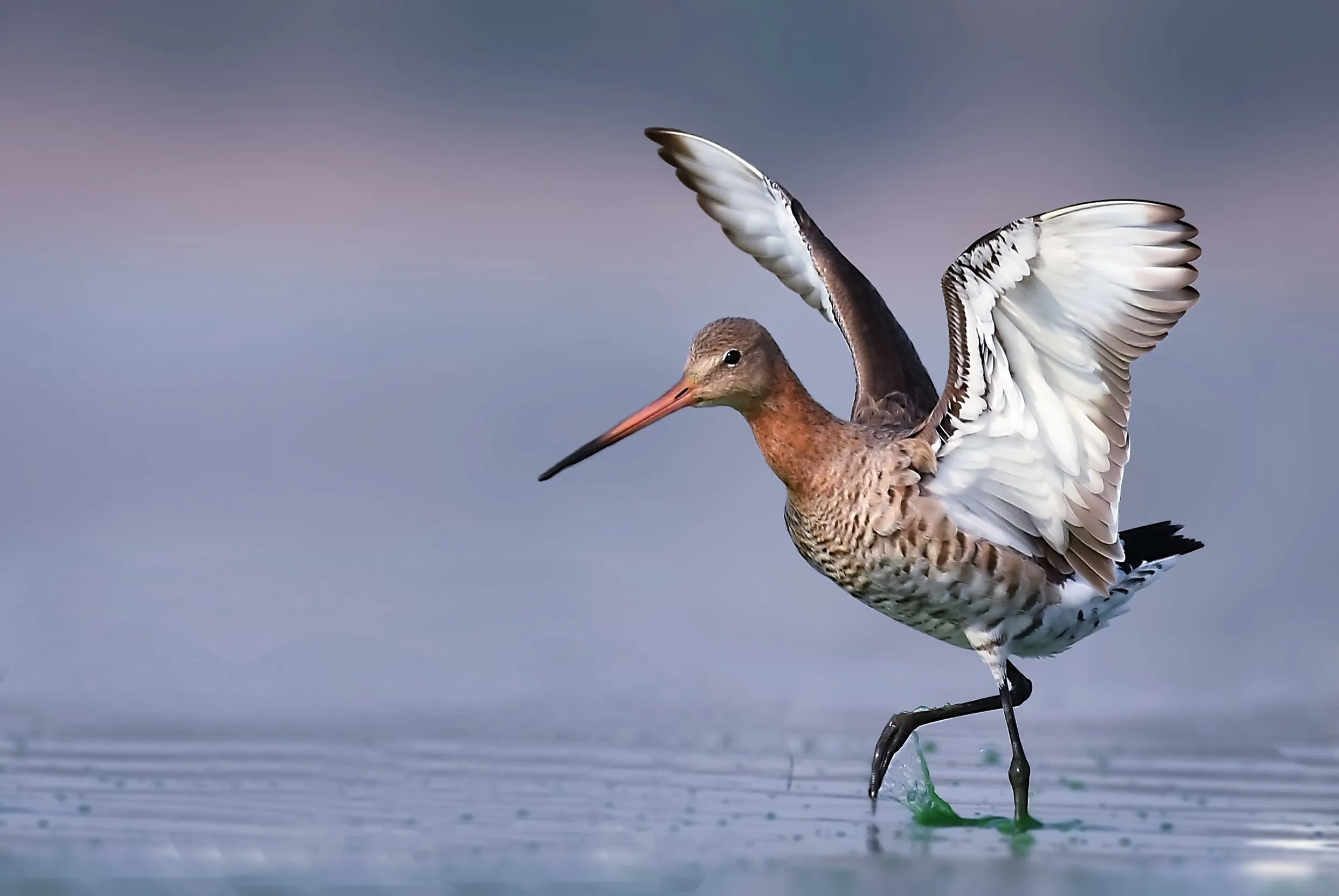
If you’re looking to head off the beaten track, you can escape to a remote nature reserve on Wales’ most northern point at the Point of Ayr. The Dee Estuary is one of the UK’s most important sites for wading birds, hosting important numbers of Curlews, Black-tailed Godwits, Oystercatchers, Dunlins and Knots. Straddling the river and the England Wales border, the nature reserve complex is made up of three sites: Burton Mere, Parkgate Moss and Point of Ayr.
A short nature trail on the Welsh side will take you to Point of Ayr’s bird hide. Overlooking shingle beach, which provides breeding habitat for Little Terns and Ringed Plovers in the spring and summer, it becomes a great watchout point for winter waterbirds in the latter half of the year. The high tide roosts at Point of Ayr can host thousands of birds seeking refuge on the shoreline, as their feeding area becomes submerged by the incoming sea.
As well as the birds that spend the winter here, the muddy estuary is a vital pitstop for migrating species. Look out for scarcer birds passing through in autumn, like Little Stints and Curlew Sandpipers. For keen birders equipped with telescopes, this is a prime spot for watching seabirds on autumn migration.


Northern Ireland
Lough Foyle
Only a short distance from Derry, a trip to Lough Foyle is an escape to the wild. While there are no RSPB nature trails or bird hides at this reserve, you can enjoy expansive views across the estuary from this internationally important site for nature.
Intertidal areas – estuary mudflats submerged the sea at high tide, exposed at low tide – offer rich pickings for waders. Their beaks are perfectly adapted to probe through the mud, hunting for mussels, sandhoppers, snails and other invertebrates that the tide has brought with it. Lough Foyle is the second largest intertidal area in Northern Ireland, and a vital habitat for overwintering birds, and those making a pitstop on their migrations – often to and from Arctic Canada, Greenland, Iceland, Northern Europe and Siberia. It also has Northern Ireland’s second largest bed of eelgrass, a flowering marine plant, which provides vital habitat for fish, and a rich food source for Brent Geese.
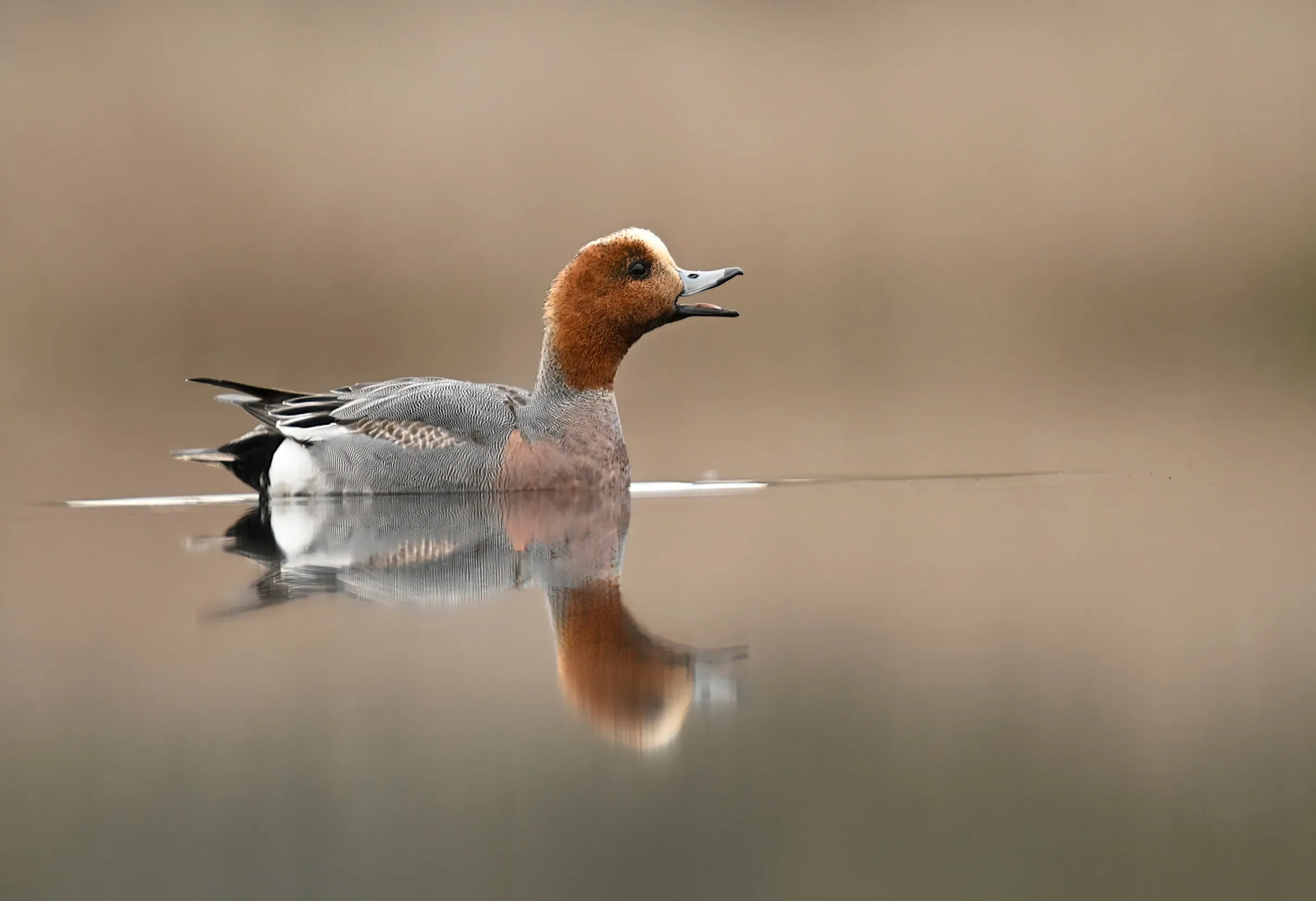
The estuary hosts internationally important numbers of Brent Geese, Bar-tailed Godwit and Whooper Swans. Taking care not to walk onto the mudflats, walk along its edges and you might also catch sight of Great Northern and Red-throated Divers, Eiders and more.