Donate to support our work
As invasive species take hold, the calls that fill these islands begin to fade. Removing them is how we make sure that never happens. Your donation helps keep these islands singing.
Our islands were once safe havens for so many birds. Now entire colonies are disappearing. Will you help us protect them before it's too late?
 (1).jpg)
You'd be forgiven for not knowing their names, but hundreds of fragmented islands speckle our coastlines. And though they may be remote, millions of birds flock to these islands every year for food, shelter and a place to raise their young. For so many animals – from endangered seabirds like Puffins to unique wildlife like Rathlin’s Golden Hares – these islands are their entire world.
Stand on one of these islands in summer and you'll hear it before you see it. These seabird cities teem with colour, movement and a sound that's more alive than summer itself. They matter so much to so many species. But that's also what makes them so fragile.
When something goes wrong on an island, the consequences can be devastating. These precious places are already under pressure from climate change, overfishing, pollution and avian flu. One by one, the calls that once filled the air begin to fall silent. Right now, invasive species are adding to that pressure and playing a big role in it
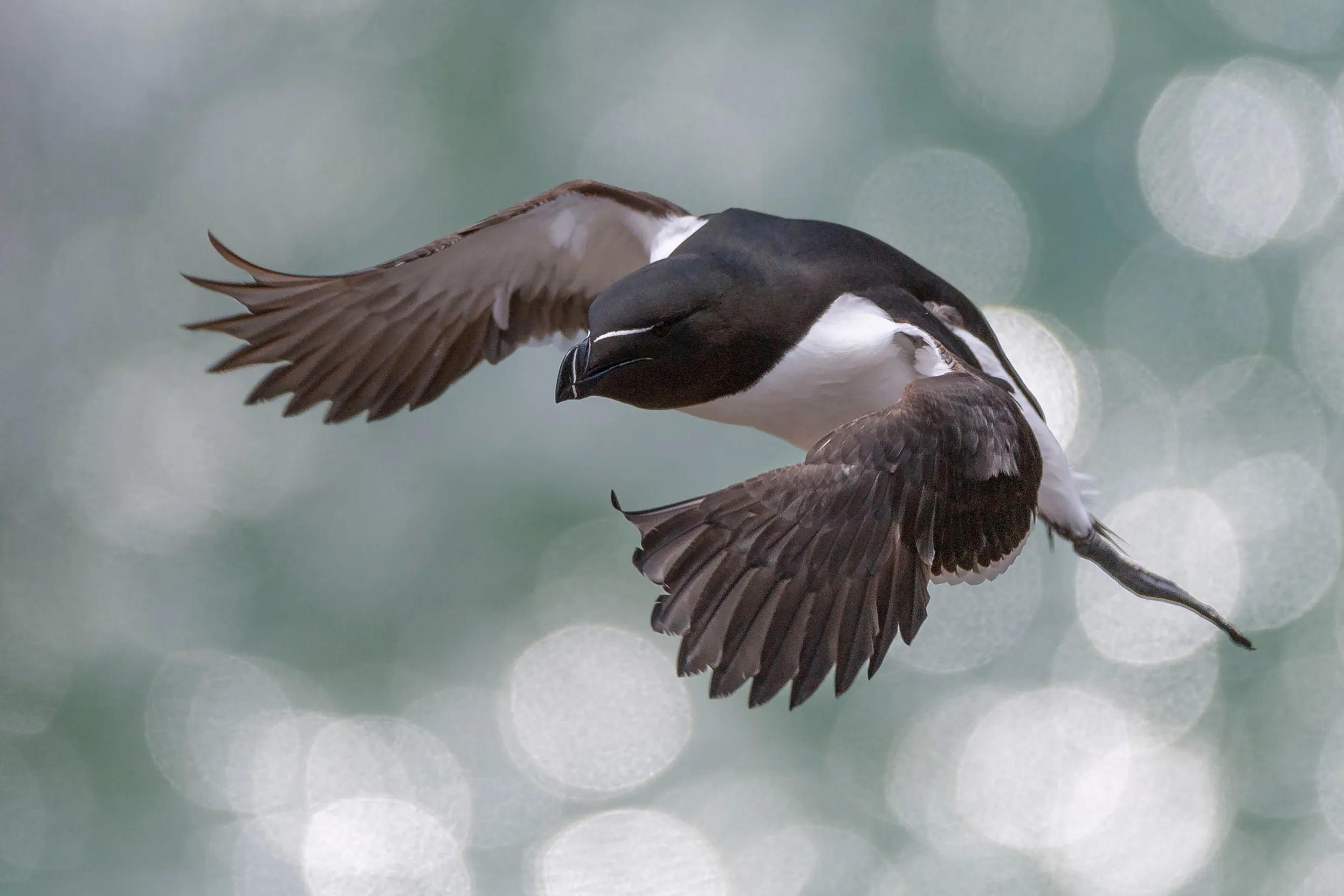
Head to Rathlin Island in Northern Ireland and experience life on an ‘untamed’ island in this fascinating film. Meet the wildlife with Warden Liam McFaul including Rathlin’s famous Golden Hares, one of the biggest Razorbill colonies in Europe and the much-loved Puffins. Plus discover what makes the island so important for seabirds.


When an animal ends up somewhere it shouldn't be, it rarely ends well for the wildlife already there. On a small island, it can be utterly devastating. Predators, like Rats, Ferrets and Stoats, never reached these islands naturally, so the wildlife that evolved there has no defence against them. That's what made these places such precious sanctuaries. And that's what makes invasive species so destructive.
On Rathlin, it was Ferrets and Brown Rats that contributed to the damage. Puffin numbers plummeted by over 70% in just 20 years. On Orkney, Stoats were first confirmed in 2010 and, with no natural predators to keep them in check, their numbers soon exploded. These aren't small, isolated incidents. This is happening to seabird havens across the British Isles right now.
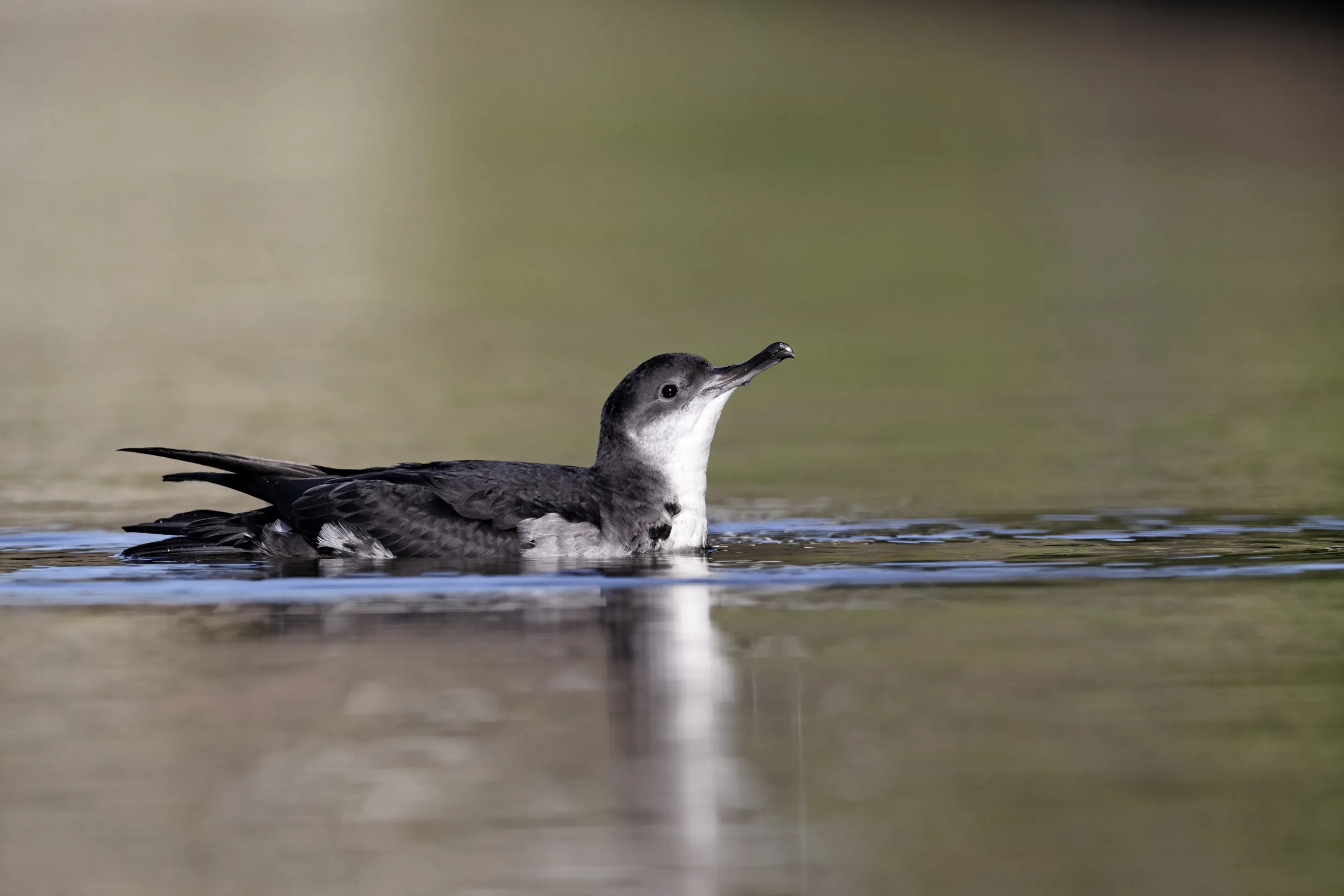
But these islands can recover. We’ve seen it happen. On St Agnes and Gugh in the Isles of Scilly, Manx Shearwaters and Storm Petrels are back and successfully raising their young, thanks to our community-based project to remove invasive Brown Rats.
In 2021, we set out on one of our most ambitious projects yet. Together with conservation partners and the people of Rathlin, we began removing Ferrets and Brown Rats from the island. It meant tracking and monitoring over 3,300 acres of rugged, challenging landscape. Five years later, Rathlin was declared Ferret free. It's a staggering achievement, but our work isn't finished. Vital monitoring continues as we push to declare the island Brown Rat free too.
In Orkney, just as we did on St Agnes and Gugh and Rathlin, we're working hand-in-hand with residents and conservation partners to restore these islands. Specialist detection dogs are an important part of how we do it – sniffing out invasive species across vast, challenging terrain, making sure nowhere is left unprotected. On Rathlin, that's Woody, the island's very own detection dog and something of a local legend. And his work matters more than you might think – a single Ferret on Rathlin was once observed killing 27 adult birds in just two days. Getting to them first is everything.
As invasive species take hold, the calls that fill these islands begin to fade. Removing them is how we make sure that never happens. Your donation helps keep these islands singing.
If you want to know what's possible, look at St Agnes and Gugh. Brown Rats had been a key factor in devastating these Isles of Scilly, with seabird numbers declining by 25% between 1983 and 2006. Working alongside conservation partners and the island's residents, we removed them. By 2015, the island was declared Brown Rat free. Today, 200 pairs of Manx Shearwaters breed there – an increase of more than 800% since 2013. That's what recovery looks like.
On Rathlin, the progress is equally encouraging. The seabirds are returning, the calls are growing louder and the silence is retreating. Nature's balance is being reset. Rathlin's Golden Hare, found nowhere else on earth, is also getting a chance to recover. And with predator numbers now under control, there are now efforts to reintroduce the ground-nesting Corncrakes too – birds which would have been vulnerable to predators.
What these projects show us is that when we act, nature responds. These island havens are among the best places we can make a real difference for birds. Keeping them as nature intended could be the difference between survival and extinction for so many species.

These islands are no longer as safe as they once were for the wildlife that depends on them. The hard truth is that removing invasive species is difficult and expensive work that never really stops. On Rathlin, our work continues. On Orkney, the challenge ahead is even greater.
But you can help change that. We've seen what's possible on St Agnes and Gugh, and we're seeing it happen on Rathlin right now. Your support could put our teams out on island cliffs, surveying breeding success and predator numbers. It could help train specialist detection dogs to sniff out invasive species before they cause more damage. Together, we can give these islands – and the wildlife that calls them home – a real chance.
These islands are the last real refuge for so many species. Please help us protect them.
.jpg)
Puffin numbers on Rathlin plummeted by over 70% in just 20 years. Will you help us restore the sound of nature on these islands before it's silenced forever?