
News
We're taking action for nature at COP17 to get things back on track
The nature crisis is global and needs global action – we're demanding governments deliver change.
16th Oct 2026
With more people heading outdoors this Easter, the surge in visitors is putting vulnerable ground‑nesting birds at real risk.
5 min read
Spring is now on our doorsteps and the Easter break offers a great opportunity for people to get outside with family and friends (both two-legged and four) to enjoy the countryside and coastlines.
We encourage everyone to explore their nearest greenspaces this Easter, connection to nature is vital for both our physical health and our mental wellbeing. But RSPB conservationists are appealing for the public’s help to protect vulnerable birds that nest on the ground between March and September.
.jpg)


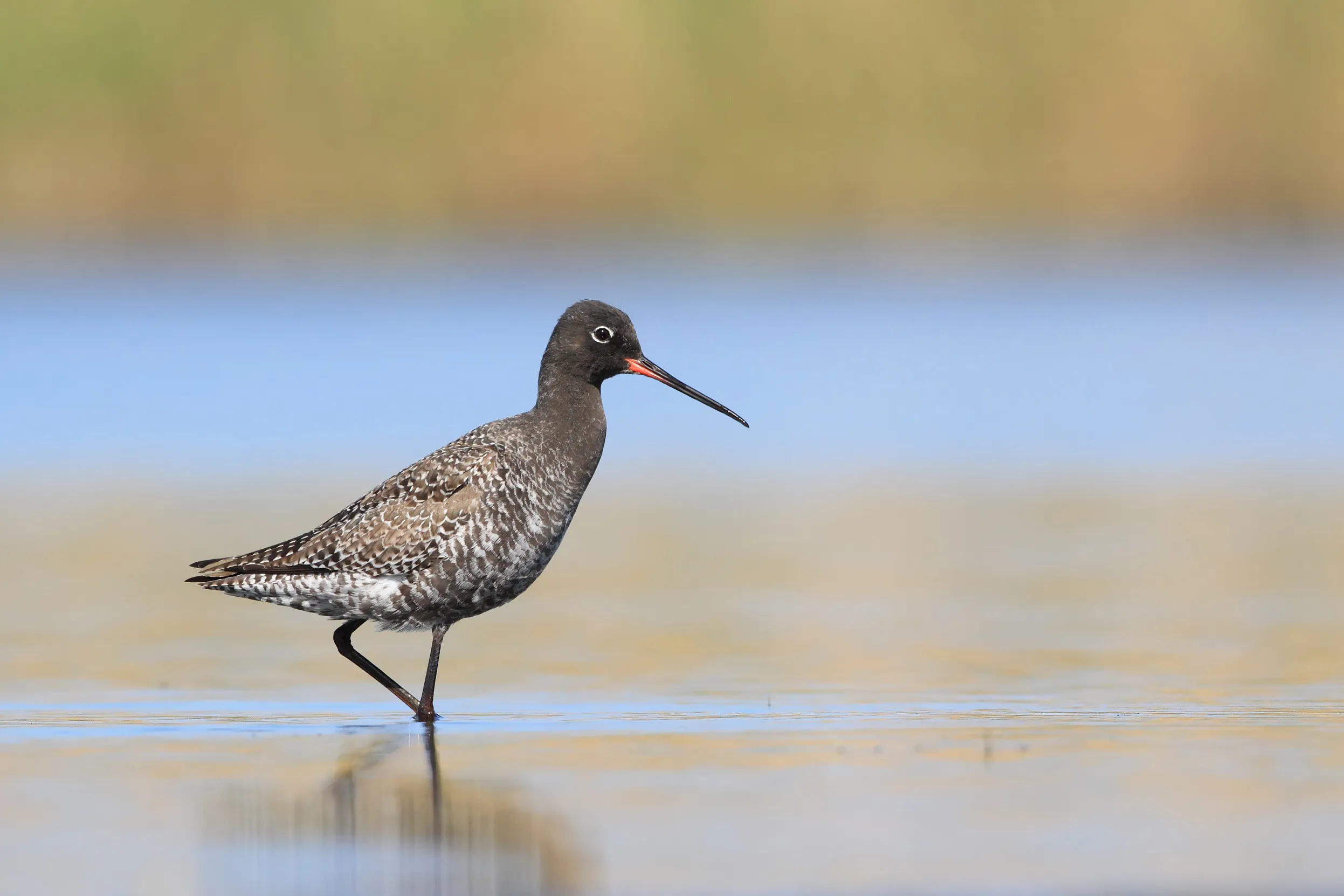


Top Tips to Protect Ground‑Nesting Birds
Ground‑nesting birds on sand and shingle can abandon their eggs or chicks if disturbed. This spring and summer:
Keep to marked paths to protect any birds that may be nesting on the ground.
Keep dogs under close control - to help keep birds, eggs and chicks safe.
Give birds plenty of space - if you see birds on a nest or chicks running about keep a minimum distance of 100m away to help protect them.
Dr Conor Pharaoh-John, RSPB and National Trust’s Recreational Disturbance Programme Manager explains: “Being on the water offers a fantastic chance to experience wildlife from a unique perspective. Our waterways are lifelines for many species, so it’s important to think about how our presence might affect them. By keeping a steady, predictable course, and limiting viewing to just a few minutes, swimmers and paddlers can help ensure birds and wildlife aren’t disturbed or disrupted from feeding, breeding or caring for their young.”


Over half of England’s most threatened breeding birds nest on or near to the ground, including Curlew, Little Tern, Nightjar, Stone-curlew, and Lapwing. Many of these species are on the red list of conservation concern, as their population numbers are already struggling due to factors such as changes to roosting and breeding sites, lack of food and the impacts of climate change.
These species nest across a range of different landscapes such as scrub, grassland, woodland, moorland, heathland, and beaches. Even some of our more common birds, seen in both our gardens and the wider countryside, also build their nests low down. Birds such as Robins, Wrens and Dunnocks all favour building their nests low in hedges, Ivy, and other shrubs.
Dr Conor Pharaoh-John, describes: “The closer the bird’s nest is to the ground the more at risk it is to accidental disturbance mainly from people, who will likely be unaware the nest is there, and dogs freely roaming off lead. Exploring the countryside with our dogs is a great activity to get us out of the house and connecting to our local greenspaces. However, whilst we mean no harm to wildlife, people and dogs appear as potential predators to a bird, especially those nesting on the ground.”
Adult birds will leave their nest if they feel threatened, until the perceived danger has gone. Even in this brief time of parents being away from the nest, eggs can quickly cool down and chicks will be unprotected. This temporary abandonment, especially if it happens repeatedly with increased visitors to the countryside throughout the spring and summer, could prevent eggs from hatching due to their low temperature. And small chicks may die because of cold, starvation, or an actual animal predator seizing the opportunity to take them.
As birds nesting on the ground are at higher risk from predators; the nests and eggs they contain are often extremely well camouflaged, making them very hard to see and avoid.
By following the RSPB’s top tips we can all play our part in keeping our ground nesting birds safe this year so that they can successfully raise and fledge the next generation of offspring, every chick really does count.


