Big Schools’ Birdwatch results 2026

A huge ‘THANK YOU’ to everyone who took part in the Big Schools’ Birdwatch 2026. It’s been a bumper year with around 4,200 schools taking part, involving almost 143,000 people – 32% more than in 2025.

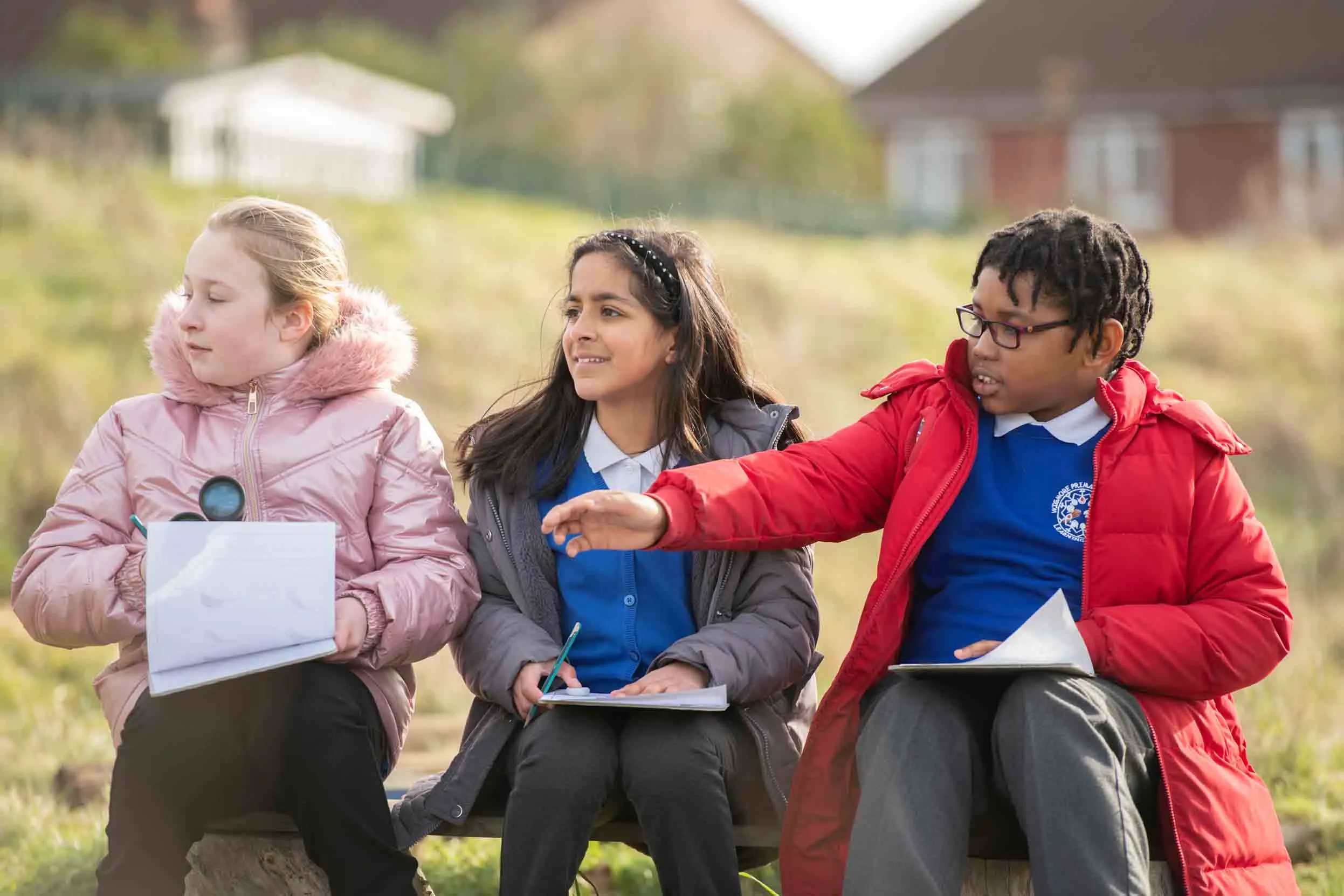
Three children sat on a wooden bench outside of their school.

The results from over 3,800 birdwatches have now been processed, so it’s time to see how your school compares to others around the UK.

Develop their data handling

We’ve included the ‘mean average’ number of birds recorded in schools’ Birdwatches to compile our top ten species spotted. These results can be used to help your pupils develop their data handling skills. 

You can use the PowerPoint data handling lesson, designed by Archives IT, to teach your pupils to use an online bar chart tool and present this year’s results. Alternatively, you can download historical data from our resources page and create a line graph to compare bird numbers recorded over the past few years.  

Which bird came top?

The Big Schools’ Birdwatch provides an annual snapshot of how some of our best-loved birds are faring on our school grounds. You'll find the top ten species sighted in this year’s Big Schools’ Birdwatch below. How do they compare to what your school saw? 

This survey wouldn’t have been possible without teachers and pupils becoming citizen scientists for the day. Thank you for making it count! 

1. Woodpigeon 

Average number of birds recorded: 6.1

Woodpigeons are the UK’s largest and most common pigeon. They’re found in towns, cities and the countryside.  

2. Blackbird

Average number of birds recorded: 5.5

Blackbirds are common garden birds. Listen out for the male Blackbird singing, often from the top of a tree or chimney pot. 

3. Carrion Crow

Average number of birds recorded: 5.1

Crows belong to a family of birds known as Corvids, which includes Jays, Jackdaws, Rooks and Magpies. How many types of Corvid have you seen?

4. Magpie

Average number of birds recorded: 4.2

These large black and white birds can be quite noisy and have a harsh call that sounds like a chuckle. Have you heard one?

5. Starling

Average number of birds recorded: 4.0

Starlings are sociable and famous for gathering in large flocks in winter. These are known as ‘murmurations’ and can contain up to a million birds. 

6. House Sparrow

Average number of birds recorded: 3.9

House Sparrows are only found near people. They love to feed on any crumbs we accidentally leave behind, and you might see them nesting under the eaves of houses. 

7. Black-headed Gull

Average number of birds recorded: 3.2

Although we normally think of the seaside when we think of gulls, Black-headed Gulls are as happy inland as they are by the sea.

8. Feral Pigeon

Average number of birds recorded: 3.0

Feral Pigeons come in lots of different shades and colours, and are common in urban areas throughout the world. 

9. Robin

Average number of birds recorded: 2.8

Did you know that Robins are sometimes called the gardener’s friend? Often, Robins follow gardeners as they dig, hoping to catch a worm or bug disturbed by digging.

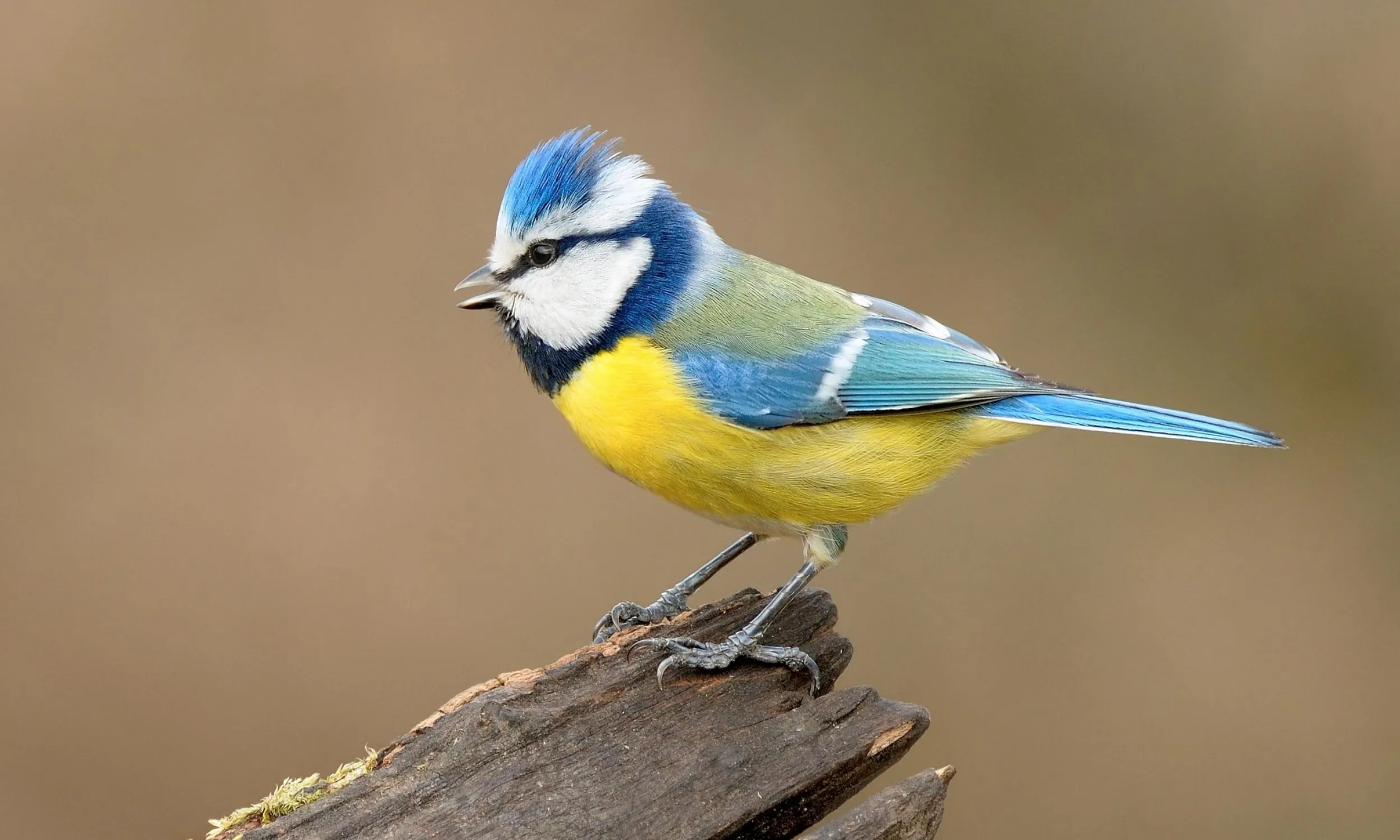
10. Blue Tit

Average number of birds recorded: 2.5

Blue Tits are colourful little birds with blue, green and yellow feathers. A regular garden visitor, they will readily use nestboxes. 

Keep learning through nature

By completing the Big Schools’ Birdwatch, your school is one step closer to achieving an RSPB Wild Challenge Bronze Award! Wild Challenge is our free award scheme for schools and helps you to discover even more ways to learn through nature and develop your school grounds while earning awards in the process. 

Visit the Wild Challenge for schools hub to find out more. 

A group of school children being lead through a long grass meadow by their teacher.
Sign up for Learning Through Nature

If you work in a school or within education and would like to be kept up to date with products, resources and activities designed to help with teaching and learning, sign up for Learning Through Nature, our termly education e-newsletter.