
Feature
Our vision for the Lough Erne Lowlands Priority Landscape
Discover how RSPB Northern Ireland is restoring Lough Erne’s wetlands to secure a future for Curlews, terns and other threatened species.

On this page
- About the Lough Erne Lowlands Priority Landscape
- Broad location
- Key habitats and species
- Designations
- Why this area is important
- Why are we prioritising this landscape?
- What are the threats and opportunities?
- What are we trying to achieve with this work?
- The story so far...
- How can you help
- Key partners
- Want to visit?
Our vision for the Lough Erne Lowlands sees the landscape sustain breeding wader populations akin to those last seen in the 1980s. Healthy, protected populations of Sandwich Terns and Marsh Fritillary butterflies also thrive.
They are supported by RSPB reserves and a farming system that safeguards freshwater and rewards farmers for the environmental benefits they deliver.
About the Lough Erne Lowlands Priority Landscape
Lough Erne is the UK’s third-largest freshwater lake. It spans a landscape of rush pasture, fen meadow and semi-improved grassland across its Upper (south) and Lower Lough (north). The project area also brings together the RSPB’s most westerly reserve—the Lower Lough Erne Islands—and over 1,000ha (hectares) of privately owned land, creating a rare opportunity for landscape-scale restoration.

Broad location
The Lough Erne Lowlands are located in Fermanagh, in the west of Northern Ireland. Across the two loughs, there are over 150 islands, supporting a variety of precious wetland habitats, and more than 40 of these make up the Lower Lough Erne reserve.
Key habitats and species
Key habitats
- Species-rich wet grassland, fens, meadows, tern islands and wet woodland.

Key species
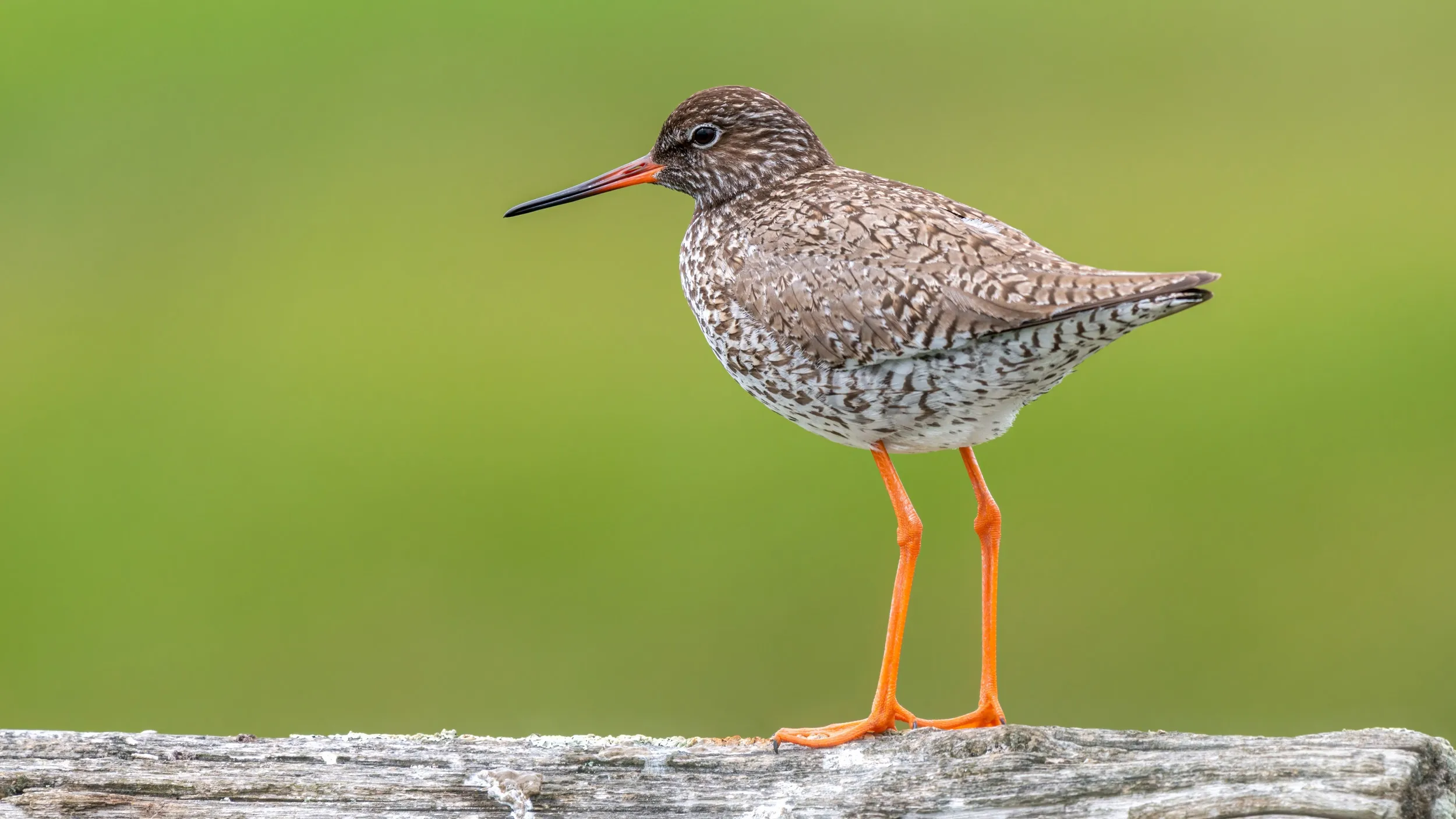
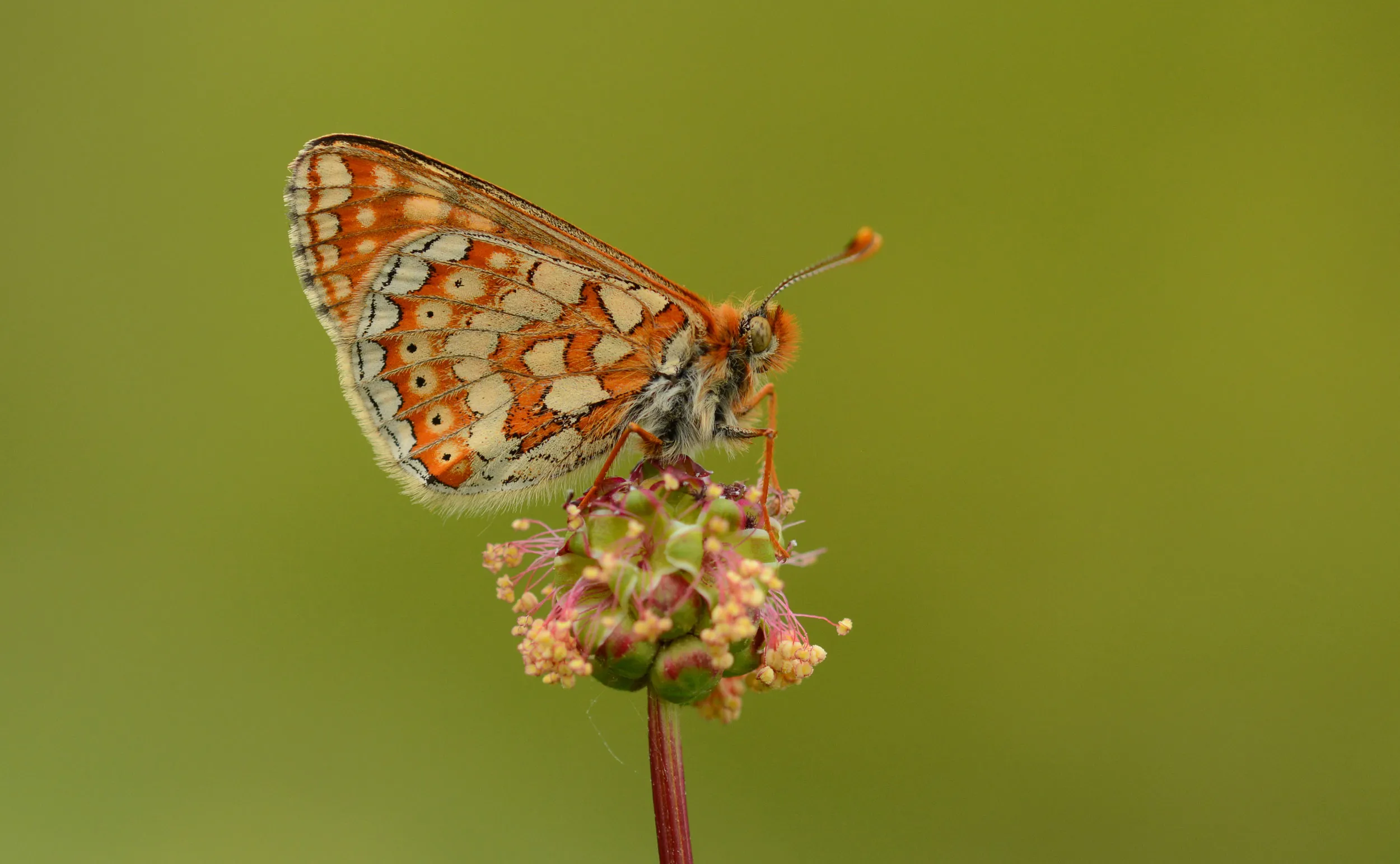
- Curlews, Lapwings, Redshanks, Snipe, Sandwich Terns, Marsh Fritillary butterflies and Lobarian lichens.


Designations
The Upper and Lower Lough Erne sites both contain a number of designated landscapes.
Upper Lough Erne has a Special Protection Area (SPA), a Special Area of Conservation (SAC), a Ramsar site and four Areas of Special Scientific Interest (ASSI).
Lower Lough Erne contains four ASSIs.
Why this area is important
With 20% of the all-Ireland breeding population, Lower and Upper Lough Erne hold one of the islands largest populations of breeding Curlews. The RSPB has invested decades of resources into advising and supporting the farming community to conserve the species across islands on the Lower Lough, and across the Upper Lough.
The restoration of wet grassland on Lower Lough Erne and shoreline, and across target focal areas of Upper Lough Erne, has been a success. This is particularly true for Curlews, with approximately 60 breeding pairs now recorded across the landscape. This makes the site an important remaining stronghold for the species in Ireland.
The work carried out at Lower Lough Erne islands, shoreline and across parts of Upper Lough Erne has also halted declines in other breeding waders. For example, there are now relatively stable or recovering breeding populations of Lapwings, Snipe, Redshanks, Oystercatchers, Common Sandpipers and Dunlins.
In addition, low-lying islands on Lower Lough Erne, such as Gravel Ridge Island, are home to a population of breeding Sandwich terns, believed to be in the most inland colony in the world.

Why are we prioritising this landscape?
The RSPB is prioritising the Lough Erne landscape because it is one of two key sites for breeding Curlews in Northern Ireland; Glenwherry in the Antrim Hills is the other. If the worrying decline of Curlews is to be reversed, then work in these areas is vital to maintain their populations.
This includes reserve management and looking at the wider countryside to expand the area of suitable habitat. Work for Curlews and other breeding waders will benefit many other RSPB priority species too. In addition, work is required to raise the level of Gravel Ridge Island to protect the Sandwich Tern nests from flooding.
What are the threats and opportunities?
Threats
-
Loss and fragmentation of habitat.
-
Predation from species such as corvids and Foxes.
-
Unpredictable weather patterns such as spring flooding.
-
Disturbance of nesting sites from recreational activity on the Upper and Lower Lough Erne.
-
Avian Influenza also poses a threat to tern colonies.
Opportunities
-
Delivery of conservation action through future agricultural policy.
-
Management of breeding wader sites; predator control, wet features/scrub management, advice and monitoring, habitat creation.
-
Multiyear funding from national and international sources.
-
All-Ireland partnership work on Curlews and other breeding waders.
-
Raising the surface of the Tern colony breeding area to protect against spring flooding.
-
Seek out other islands on Lough Erne that can be targeted for terns and breeding wader management.
What are we trying to achieve with this work?
- To plan for, demonstrate, and change the way water and land management is delivered.
- To increase the extent of lowland wet grassland and hay meadow habitat and create safe spaces for terns/seabirds on low-lying islands.
- To increase the populations of breeding waders on wet grassland across Lough Erne lowlands.

The story so far...
-
Lough Erne has benefited from decades of RSPB work with a focus on protecting breeding waders. Our advisory team has helped farmers and landowners make the most of agri-environment schemes, and the lessons learned in other landscapes are now shaping how we work at Lough Erne.
We’re also joining forces with partners running similar schemes, so that support for nature and farming works smoothly across the region. -
The RSPB has also been involved in the Lough Erne Landscape Partnership, the Cooperation Across Borders for Biodiversity project, and the Curlew in Crisis programme. These initiatives supported local communities, restored key habitats, and helped wader numbers recover.
-
Work at other sites, such as Lough Beg and the Bann Valley, has shown how group schemes can be more focused and effective. There’s still more to do, but these approaches have already prevented some species from disappearing locally.
-
We’re also working with landowners, contractors, graziers, and eNGOS to look after the habitats that matter most for wildlife. A big part of this is showing how practical changes on the ground can make a real difference.
-
Across Lough Erne, we’re encouraging a shift away from intensive grassland farming in the places where nature needs more space. This change is becoming increasingly important as the area adapts to climate pressures and the need to support biodiversity.
A key focus of our work is exploring new ways to manage land and water so that the landscape can thrive long‑term. As opportunities arise through land management changes or acquisitions, we’re creating and improving habitats that help boost breeding waders. -
Farmers and landowners are central to this conservation and we’re working together to show how small changes can bring big benefits for wildlife while still supporting farms. To that end, we have a new nature reserve at Inishcreenry on Upper Lough Erne, which is managed using local nature-friendly farming practices.
How can you help
Keep an eye on this page for updates. You can report sightings of Curlews in the Lough Erne Lowland Priority Landscape, or get in contact to find out more about our work in the area, by emailing us at rspb.nireland@rspb.org.uk.
Key partners
We’re working alongside Ulster Wildlife, DAERA, NIEA, as well as farmers and landowners managing land in the Lough Erne lowlands landscape.
Want to visit?
Unfortunately, the Lower Lough Erne Island reserves are not accessible to the public, and though two of the islands have jetties to land boats, these breeding wader sites are fenced off. Similarly, the sites covered on Upper Lough Erne are advisory sites and privately owned by farmers.
The following RSPB nature reserves form part of Lough Erne lowlands Priority Landscape: