Want to visit?
The following RSPB nature reserves form part of the Purbeck to New Forest priority landscape:
Franchises Lodge
How we’re protecting and connecting internationally important wildlife and habitats in the heart of Southern England.
.jpg)
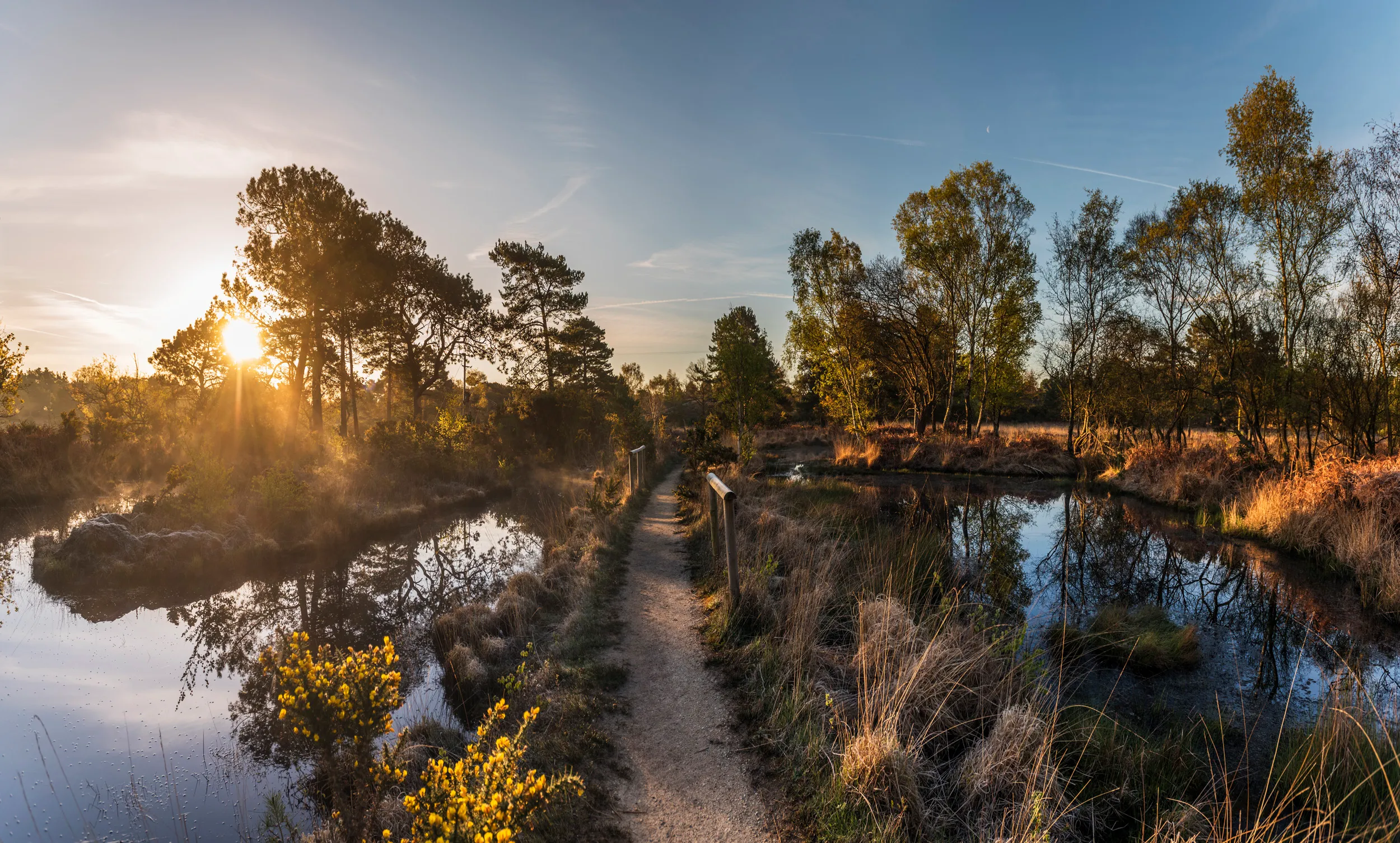
Our vision for the Purbeck to New Forest priority landscape sees a network of heathland and mire, woodland and wetland stretching from Southampton to Dorchester. It will connect the internationally important areas of the New Forest and Purbeck.
This landscape has been shaped over centuries by people and nature. From sweeping lowland heaths and valley mires to ancient wood pastures, this is a place where traditional commoning has protected rare habitats and the species that rely on them.
Despite pressure from urban expansion, the remaining mosaic of Dorset’s urban heaths forms a vital corridor, linking the New Forest to Purbeck through the Avon Valley and Ringwood Forest.
In Purbeck, the heathland gives way to sweeping chalk downland along the ridge. Along the coast, Poole Harbour and the Solent support an exceptional diversity of wildlife and internationally important habitats.
.jpg)
Purbeck to New Forest priority landscape is in central Southern England between Dorchester and Southampton. It’s fringed by the Solent coast to the south, with Bournemouth, Christchurch and Poole at its centre.


The New Forest National Park occupies much of the eastern part of the landscape and is extensively designated as a Special Area of Conservation (SAC), Special Protection Area (SPA), a Site of Special Scientific Interest (SSSI) and Ramsar site.
To the west, the Dorset Heathlands SAC and SPA are more fragmented, while southern Purbeck lies within the Dorset National Landscape. Along the coast, both the Hurst to Lymington and Poole Harbour are heavily protected, and the Solent is designated as an SPA.
The landscape represents a cultural and historic environment. It provides a window on a previous time and a remnant of formerly widespread habitats. The lack of modern agriculture maintains a diverse mosaic of critical habitats and species, alongside clean water and significant carbon stores.
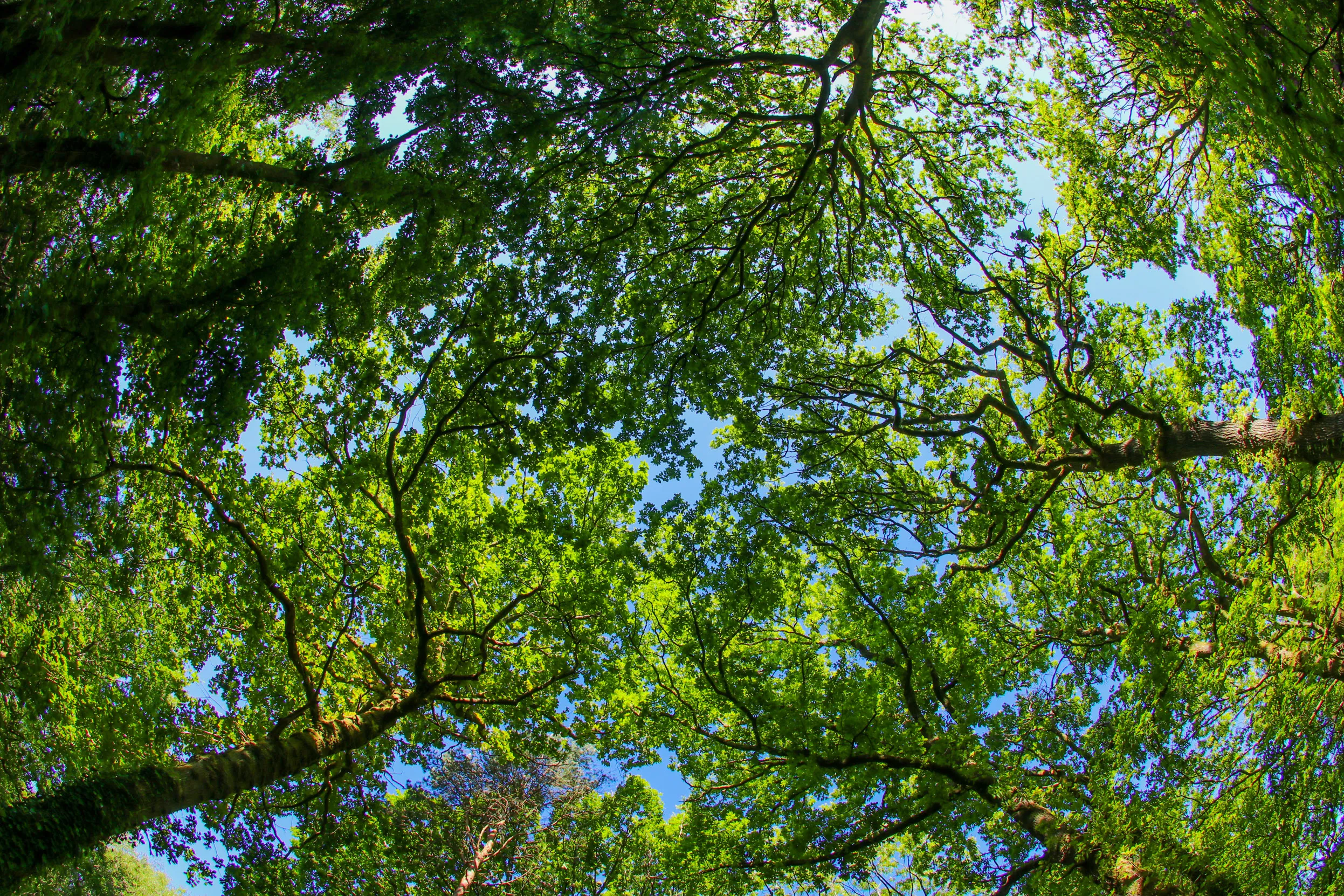
For example, the area’s peat-based mires and ancient woodlands lock in carbon, and the scale of the New Forest provides resilience and connectivity. It is an ark from which species can move out into the wider area.
Our landscape sits within one of the most developed parts of the country but is one of the most highly designated of all priority landscapes. The species and habitats found here are internationally important.
Over a million people live within a 20-minute drive of the landscape. However, climate projections show this area is at highest risk of warming, with coastal areas subject to rising sea levels. Therefore, the pressures on the area are significant.
The RSPB is well placed to be a pro-nature voice in the landscape. By prioritising it, we can provide expert advice, influence policy and develop collaborative landscape-scale projects to address the significant pressures faced by both nature and the people here.
Urban expansion.
Climate change.
Coastal squeeze.
Inappropriate forestry practices.
Recreational pressure.
Eutrophication.
Overgrazing.
Invasive non-native species.
Atmospheric pollution deposition.
Increase the area of designated sites in favourable condition.
Ensure the SPA review increases the area of designated land.
Support priority species critical actions, such as research for our critical woodland specialists.
Seek landscape-scale partnerships to deliver this work.
Protect our finest sites through engagement with planning policy and targeted development projects.
The RSPB is a stronger pro-nature voice within the landscape; we now look to landscape-scale grant opportunities to implement future work across this priority landscape.

There are many ways that visitors enjoying our landscape can help. When visiting sensitive and popular areas such as the New Forest, please ensure you park in designated car parks to avoid damage to habitats near roads.
Please also make sure that four-legged visitors keep paws on paths to protect overwintering or ground nesting birds and familiarise yourself with the New Forest Code and Countryside Code.
If you’re visiting the coast, give coastal birds such as Oystercatchers, Curlews and Brent Geese space to feed and rest undisturbed. Finally, no matter where you are in the great outdoors, always take your litter home and follow requests on signs.
See our reserve webpages, below, for information about opportunities to volunteer and for events.
In the Purbeck to New Forest priority landscape, we’re working alongside Forestry England, Natural England, the New Forest National Park Authority, Dorset National Landscape, the National Trust, Local Authorities, Dorset Wildlife Trust, Hampshire and Isle of Wight Wildlife Trust, Freshwater Habitats Trust, Hampshire Ornithological Society and private landowners, as well as other eNGOs and local interest groups.
New Forest National Park Authority
Dorset Local Nature Recovery Strategy
Local Nature Recovery Strategy for Hampshire
The following RSPB nature reserves form part of the Purbeck to New Forest priority landscape:
Franchises Lodge