
Want to visit?
The following RSPB nature reserves form part of Shetland Priority Landscape:
From summit to sea, find out how we’re working together for Shetland’s biodiversity and communities.

Our vision for the Shetland Priority Landscape sees its communities place ever more value in nature. They are active in protecting, restoring and enhancing biodiversity, and from summit to sea, habitats are robust and resilient and the species they support thrive.
Shetland is a wonderful place for experiencing wildlife. The habitats and species here are influenced by the archipelago’s isolation, oceanic climate, diverse geology and 6000 years of human presence.
The North Sea and Atlantic Ocean come together around Shetland and the mixture of currents and tides provides fertile seas year-round. Diverse seabeds create habitats, such as Kelp forests, which host an immense array of species.
Shetland’s 2700km coastline shifts between spectacular sea cliffs and sheltered voes (like mini fjords). Inland, maritime heath and grassland meet peatland hills largely covered in blanket bog and interspersed with lochs and pools. Over 470 bird species have been recorded here, with over 60 species breeding regularly.
From Fair Isle to Unst, Shetland straddles the 60°N line, where the North Sea and Atlantic Ocean meet.
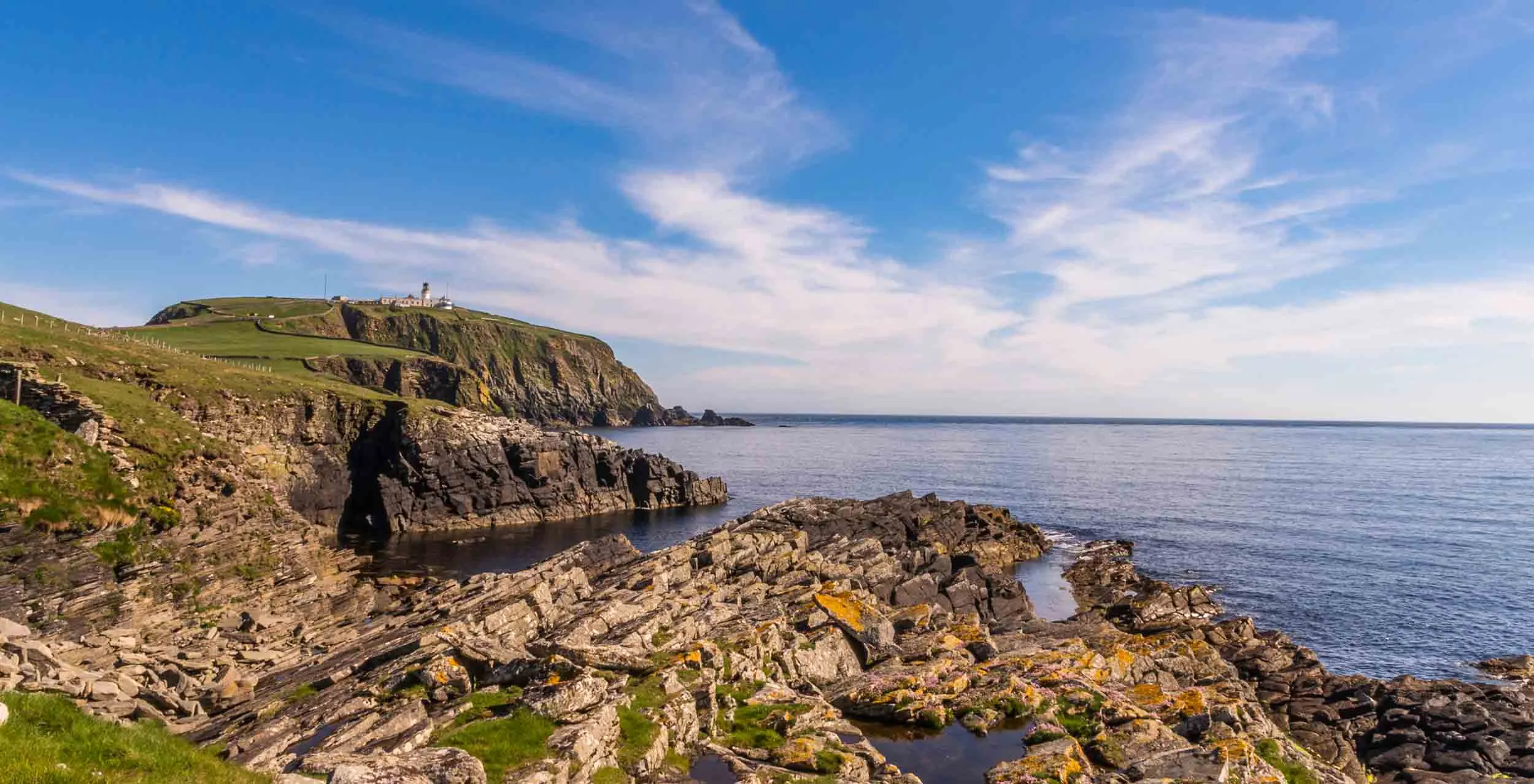


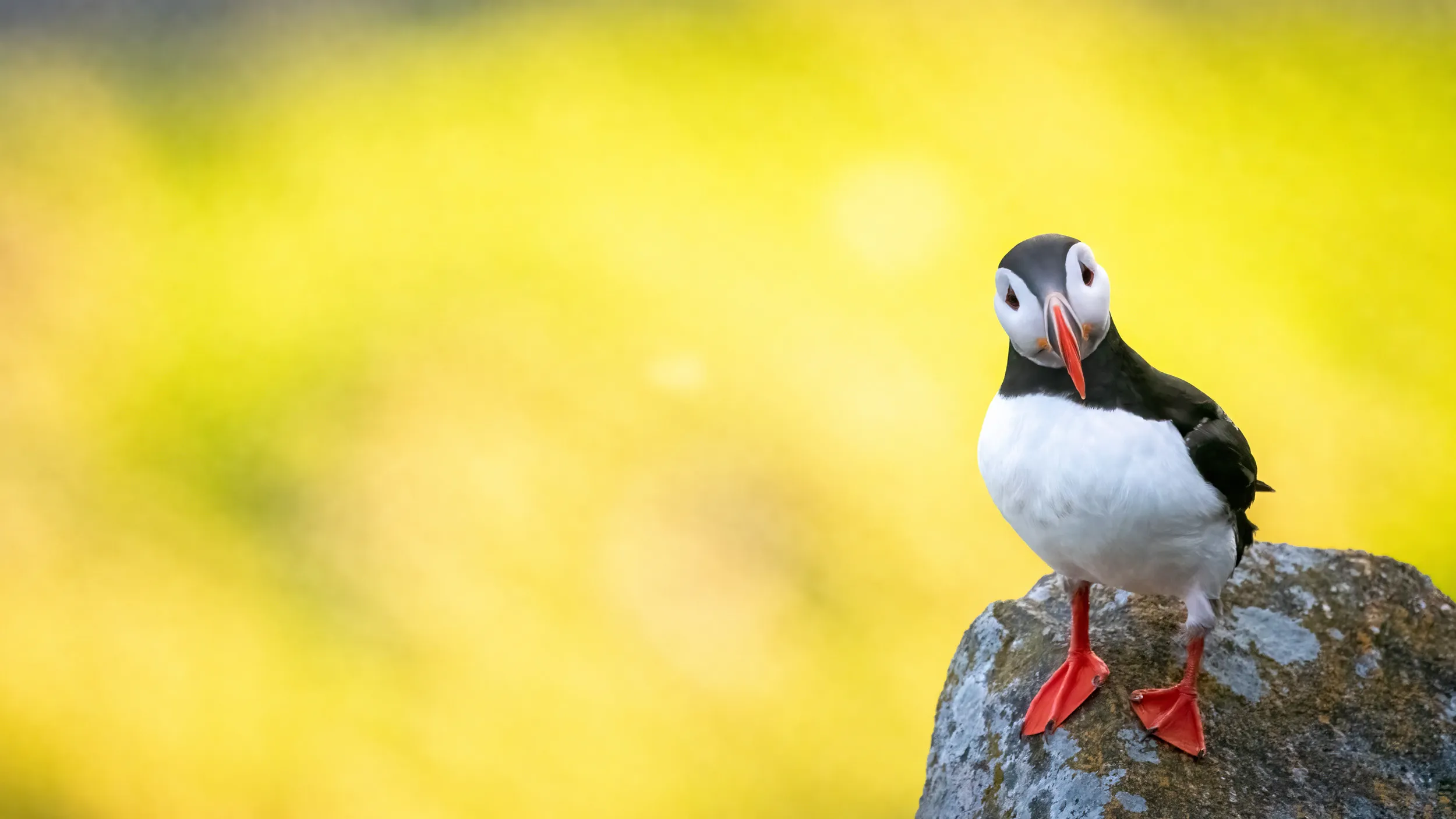
The Shetland Priority Landscape contains 78 Sites of Special Scientific Interest (SSSSI), 12 Special Protection Areas (SPAs), 9 Special Areas of Conservation (SACs), 1 National Scenic Area (NSA), 1 Ramsar site, 2 National Nature Reserves (NNR) and a UNESCO GeoPark.
The seas surrounding Shetland have 3 Marine SPAs, 2 Nature Conservation Marine Protected Areas (MPAs) and 1 Demonstration & Research MPA.
As well as their intrinsic value, Shetland’s habitats and species are important to people in many ways.
Healthy people need healthy ecosystems. Peatlands store carbon and help prevent flooding. Nature-friendly farming and marine life supports the island economy, and Shetland’s natural world is a constant source of inspiration, enriching the islands’ unique culture.

The RSPB has been active in Shetland for decades, working with local people for the benefit of wildlife. With little change in land-management, the islands are considered as one of Britain’s last wildernesses. Whilst there is an abundance of wildlife, there are multiple challenges that we’re actively addressing.
We manage over 2000ha (hectares) across 15 sites and take practical action on and off the reserves. We work locally and nationally to influence policies and practices at land and sea, and use science, art and collaborative approaches to help people deepen their connection and act for nature.


Simply attending our events and spending more time in nature are a great way to help the Shetland Priority Landscape but keep an eye on this page for updates too. You can also support our RSPB and Scottish Environment LINK campaigns, donate to RSPB Shetland JustGiving or keep an eye out for opportunities on our Volunteer web hub.
Finally, use the RSPB Planning Hub to get involved with the local Shetland development plan and planning applications or contact us at shetland@rspb.org.uk for more information.
We’re working alongside many individuals and organisations including Shetland Regional Marine Plan Advisory Group, Shetland Amenity Trust, Shetland Bird Club, Species On The Edge, NatureScot, Scottish Environment Protection Agency (SEPA), Shetland Oil Terminal Environmental Advisory Group (SOTEAG), Shetland Islands Council (SIC), National Farmers Union Scotland (NFUS) and the Crofting Commission.
The following RSPB nature reserves form part of Shetland Priority Landscape: