Bringing experts on board
Meet Richard, a member of Durham Bird Club, who gathered local knowledge to help Curlews and more.

On this page
Hurworth Burn Reservoir in County Durham was created in 1870 to provide water to the town of Hartlepool. Now, the area is a haven for wildlife and comes alive in winter with an array of ducks, geese and wading birds.
In 2017, an application was made for one shore of the reservoir to become a leisure park for caravans, with the potential for this to be extended in the future.
"On behalf of the Durham Bird Club, I objected on the grounds that this would lead to considerable disturbance of this shore that was regularly used by birds for grazing.”

Finding the evidence
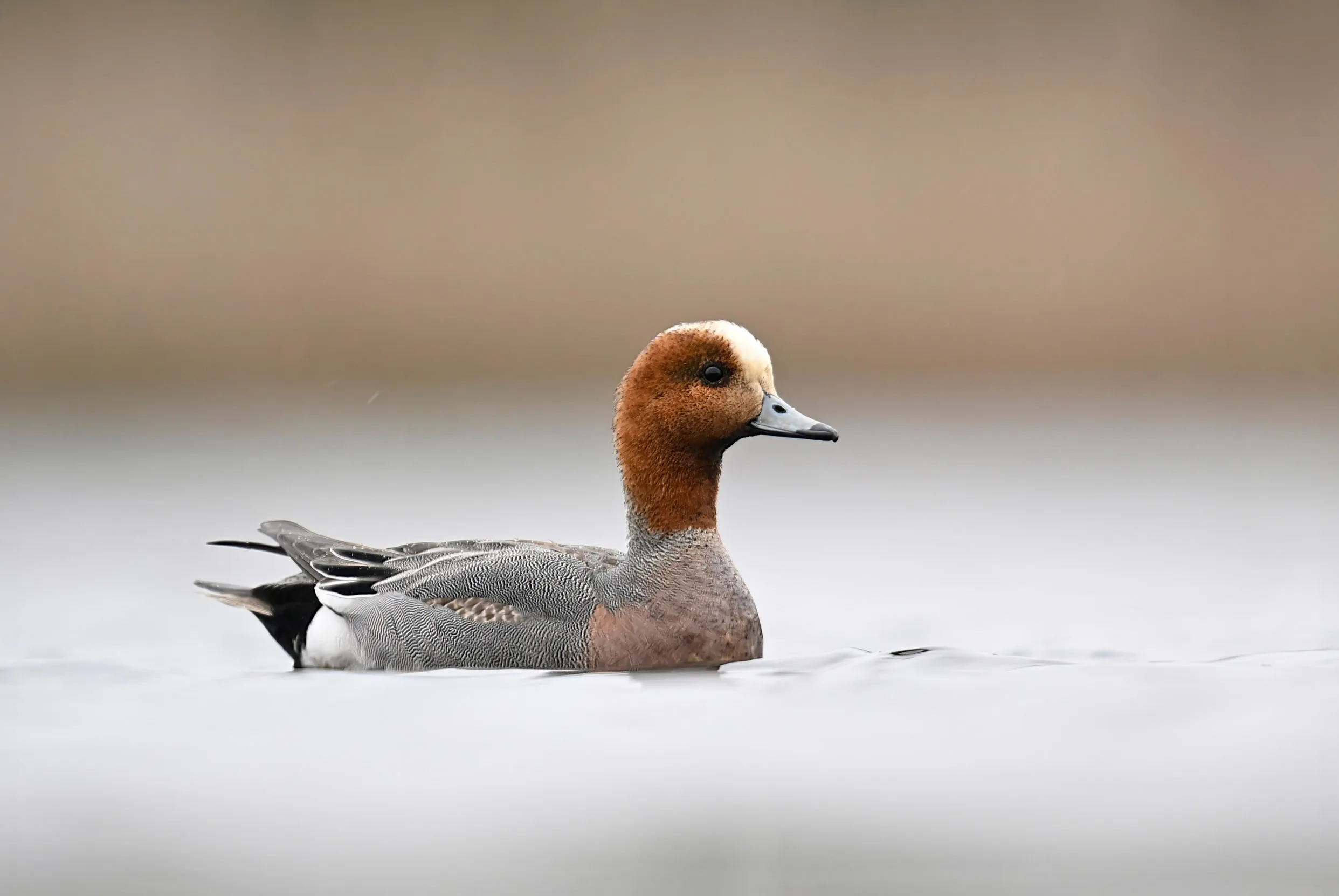
While some birds may be reasonably tolerant of human presence, Richard put forward that other species, such as Wigeons, were likely to be displaced. Richard was also aware of a link between Hurworth Burn’s wintering Curlews with protected breeding sites on the coast. The individual who recognised the link was invited to provide their evidence, which added legitimacy to Durham Bird Club’s campaign and proved the site’s importance for a globally declining species.
"Ultimately, the application was refused, largely I think because of the evidence from the Club, the Council's ecologist and the establishment of the functional link [to the protected site]. I think we would have been devastated if this application had been successful.”
Following this success, Richard has continued to campaign for nature to be protected in his local area and stresses the importance of collecting robust evidence when developing a case.
A future for wildlife
Richard is currently encouraging the local planning authority to monitor the cumulative effects of energy developments that are coming forward a short distance away from the reservoir. Increasing understanding of the effects of different development types on local wildlife will help to build the case for future developments to be done in the right places, in the right way.