Feature

Marine planning: managing development in our seas and coastlines

Marine planning has its very own system. Here we explain the process and how you can get involved.

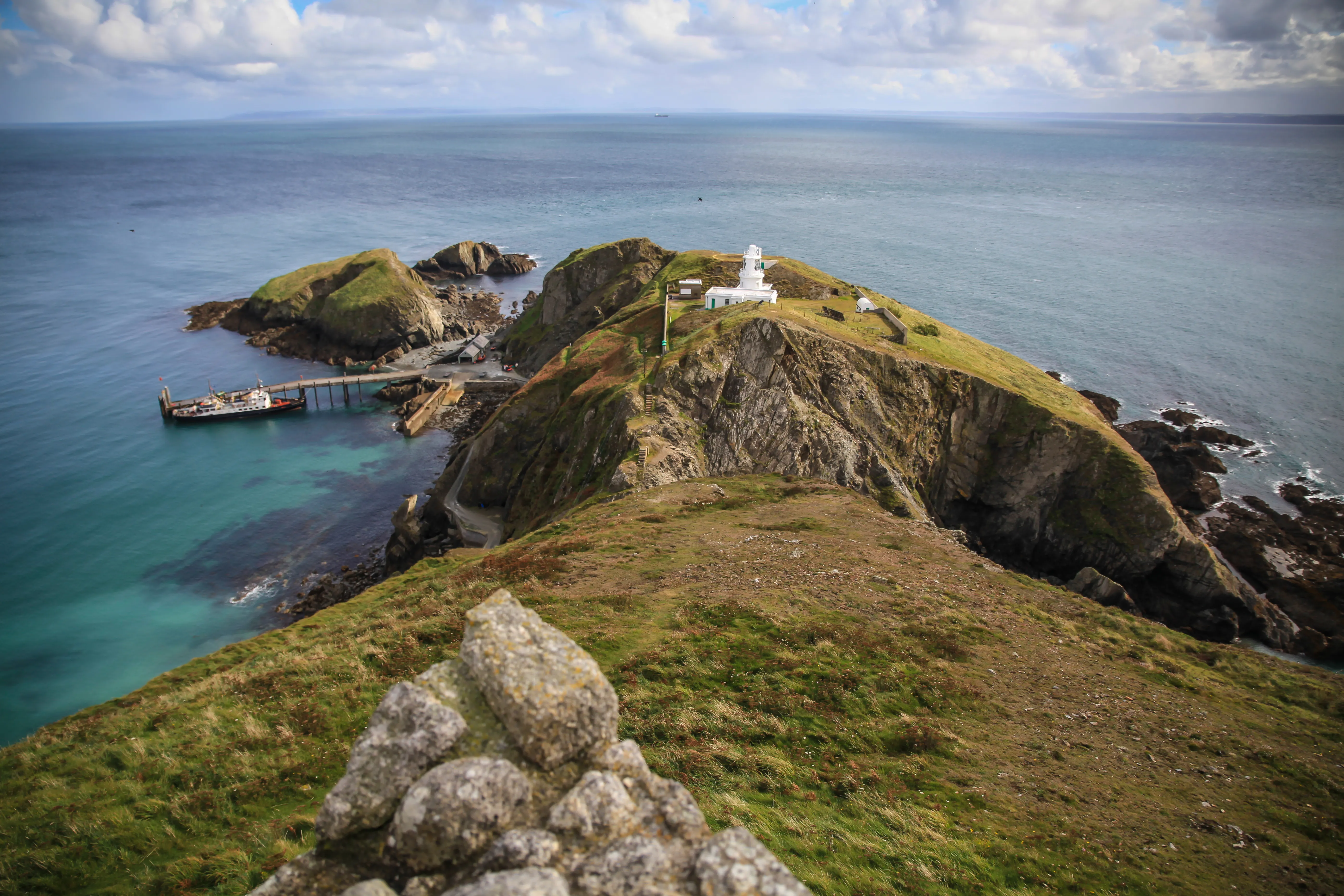
Lundy Island, looking out over the Bristol Channel.
On this page

Last updated: 2 July 2025

What is marine planning?

Marine planning is the management of activities within seas and around coastlines. In England and Wales, it was introduced by the Marine and Coastal Access Act 2009. The need for marine planning came about as our seas became increasingly crowded, with competing demands on space for marine activities and protection measures. Marine planning was established to manage the use of our seas in the most sustainable way. 

Most of the activities that take place in English waters are managed by the Marine Management Organisation (MMO), a public body sponsored by the Department for Environment, Food and Rural Affairs (Defra). In Scotland, Wales and Northern Ireland the devolved administrations are the planning authorities. 

Take a look at this short animation produced by the MMO for a simple overview of what marine planning is. 

What are marine plans?

The UK is divided into marine planning regions. In England, there are sub-areas, within these marine planning regions, known as marine plan areas. England’s inshore and offshore waters have been split into 11 marine plan areas

There is a plan making authority in each marine planning region. They prepare a plan for each marine area. In England, the MMO is the planning authority and is responsible for preparing marine plans. Six marine plans have been adopted which cover all 11 marine plan areas in England.  

Marine plans have a long-term (20 year) view of activities and are reviewed every three years.  

Take a look at this guidance produced by the MMO to find out how a marine plan is made and the different stages involved. 

The UK Marine Policy Statement (MPS) is the framework for preparing marine plans and making decisions affecting the marine environment. The MPS was jointly adopted by the Secretary of State, Scottish Ministers, Welsh Ministers and the Department of the Environment in Northern Ireland in 2011. The MPS and marine plans form a plan-led system for marine activities, in a similar way that the National Planning Policy Framework (NPPF) and local plans do for land-based development. 

Marine plans have to take many factors into account, including marine conservation zones (MCZ). MCZ are a type of marine protected area, specifically designated to conserve nationally important wildlife and habitats outside of the EU’s Natura2000 site network. The Government also has a duty to achieve ‘good environmental status’, as set out in the UK Marine Strategy.   
A pair of Northern Gannets preening each other on a cliffside with blurred foliage and flowers in the foreground.

What does a marine plan do?

Marine plans have several important uses. They aim to: 

  • Set out the priorities and directions for future development in the plan area 

  • Ensure that marine resources are used sustainably 

  • Help conserve and protect marine species and habitats 

  • Help people that use the marine environment to understand the best locations for their activities, including the most appropriate sites for new developments 


Marine plans can encourage local communities to get involved in planning, ensure that the environment is considered from the start and encourage nature friendly developments. They can also bring about economic benefits by making the most of growth and job opportunities. 

How often are marine plans reviewed?

As marine plans are 20-year plans, it is important that they are regularly assessed. The MMO must monitor and review plans every three years; they check that policies are still effective and progress is being made to meet the objectives of the plan and the Marine Policy Statement.  

The MMO are required to produce and publish three-year progress reports and if a review shows that changes are needed, further public consultation will be carried out. For example, the first marine plan to be completed was the East Marine Plan and, at its first three-year review, it was recommended to be re-written. This was raised in two subsequent review stages and now a consultation has opened for this plan to be changed and updated. 

How can I get involved in marine planning?

An effective time to get involved in marine planning is during the preparation and review of marine plans. The marine plans in England have now been prepared and adopted but there may be opportunities to influence them when plans are reviewed. 

The MMO is required to produce a Statement of Public Participation (SPP) for each marine plan area. The statement sets out how and when they will engage with the public and other interested parties during the marine planning process. 

All draft SPPs have to go through a public consultation before being submitted to the Secretary of State for approval. This is when the MMO makes the documents available on their website and invites interested parties, such as local people and organisations, to comment on them. Once approved, the SPPs are published which formally starts the marine planning process in the relevant marine plan area.  

At each stage of the plan making process, the MMO carries out a public consultation on the draft plan documents. All responses to public consultations are analysed and a summary report is produced detailing the comments made, which is published on the MMO’s website. The report also sets out any changes made to the plans, any changes that weren’t made and the reasons why. The people who submitted responses are notified of when the report is published.  

A lone Black Guillemot stood on the top of a group of rocks next to the sea.
Black Guillemot
Top tip

To find out more about how marine planning is developing in your local areas and opportunities for getting involved, email the marine planning team.

They can also put you in touch with their Coastal Liaison Officers that work in the different plan areas. 

Or you can contact your local MMO office directly by using this helpful tool.

To keep up to date with the latest information you can also subscribe to the MMO’s marine planning newsletter by emailing  or view them online here.  

Share this article