
Five actions for nature
What happens in the next Scottish Parliament matters for nature and all of us.
Stopping wildlife being accidentally killed in fishing gear is one of five key ways the next Scottish Government can help save nature.
5 min read
Scotland’s marine environment is one of our greatest treasures. From the seabird cities alive with the calls of Puffins, Gannets and Kittiwakes, to the dolphins, whales and basking sharks gliding through its waters. It’s a precious habitat that we should cherish just as much as Scotland's mountains, glens and lochs.
But sadly, what happens out at sea is too often out of sight, out of mind. With our third Scottish election manifesto ask, we hope to bring one of the biggest threats to marine wildlife to the surface so it can be stopped.
What happens in the next Scottish Parliament matters for nature and all of us.
Every year, thousands of seabirds and other wildlife die as a result of being caught in fishing gear in Scottish waters. Known as bycatch, this suffering and loss is completely unnecessary. And, when Scotland’s globally important seabirds are facing so many other threats, it is a significant pressure that can and should be removed.
Species like Fulmars, the majestic relatives of albatrosses, are particularly vulnerable to bycatch, with an estimated 9,100 a year killed in fisheries off the north and northwest coast of Scotland. The cumulative impact of this loss over the decades could be truly devastating.
Scotland’s seabirds are currently in serious trouble, with 70% of species in decline. That includes Puffins, Gannets and Fulmars, which were reported as suffering a 37% decline in the latest seabird census. They are facing multiple challenges, from climate change impacting food availability and the frequency and strength of fatal winter storms, to unsustainable fishing causing bycatch and reducing food supplies and poorly sited offshore developments that kill and displace them.
Because seabirds are such long-lived species and slow to breed, the death of adult birds through impacts such as bycatch is particularly worrying. The good thing is, there is a solution. We can help end bycatch in Scottish seas if we take urgent action now.
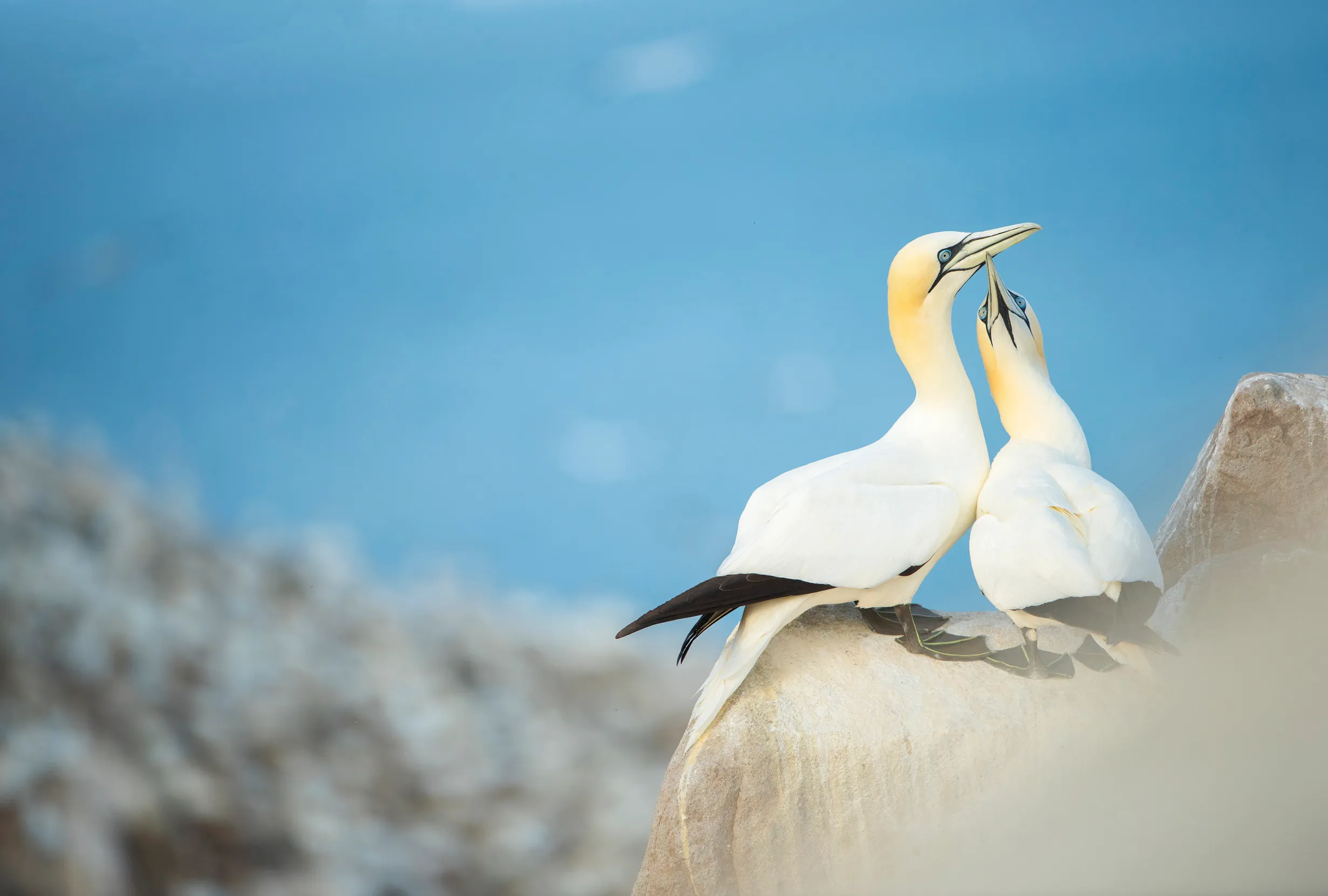


We’re calling on the next Scottish Government to take urgent measures to end bycatch for good. This means putting in place measures that will avoid seabirds getting caught in the gear alongside better monitoring.
While we know thousands of seabirds die each year because of bycatch, the true extent of the problem is poorly understood and could be much worse than current estimates suggest. Installing cameras and gear sensors on fishing vessels will help us to monitor the measures being taken to reduce bycatch as well as understand their impact in preventing bycatch of seabirds and other marine wildlife. Known as remote electronic monitoring (REM), this is a proven and effective tool which fisheries can use to show sustainable fishing practices are being used.
REM technology is already used in Scottish waters on scallop fishing boats and will soon be used on pelagic (open water) vessels. We’re calling for the next Scottish Government to expand this and prioritise the vessels which pose the biggest threat to seabirds – the offshore longline fleet.
This needs to go hand in hand with effective bycatch mitigation to keep wildlife deaths to a minimum. Measures such as fishing at night and adding weights to longlines (to increase the speed of them sinking and therefore avoiding seabirds predating on the bait and becoming caught) have reduced bycatch of albatrosses by as much as 99% in some fisheries. Similar measures can be used in Scottish waters and REM will be able to evidence that measures are being used properly and having the desired effect of massively reducing bycatch numbers.
By acting now, we can protect Scotland’s seas and keep them thriving for many generations to come.
Find out more about our 5 manifesto asks for the 2026 Scottish election.
Sign up to receive the latest RSPB Scotland campaign updates via email.


