
COP30 Briefing: Forgotten Forests
Demonstrating UK leadership on forest protection and restoration at home. A briefing from the RSPB and the Woodland Trust.
Why the RSPB is attending the UN’s annual conference on climate change and why it’s so important.
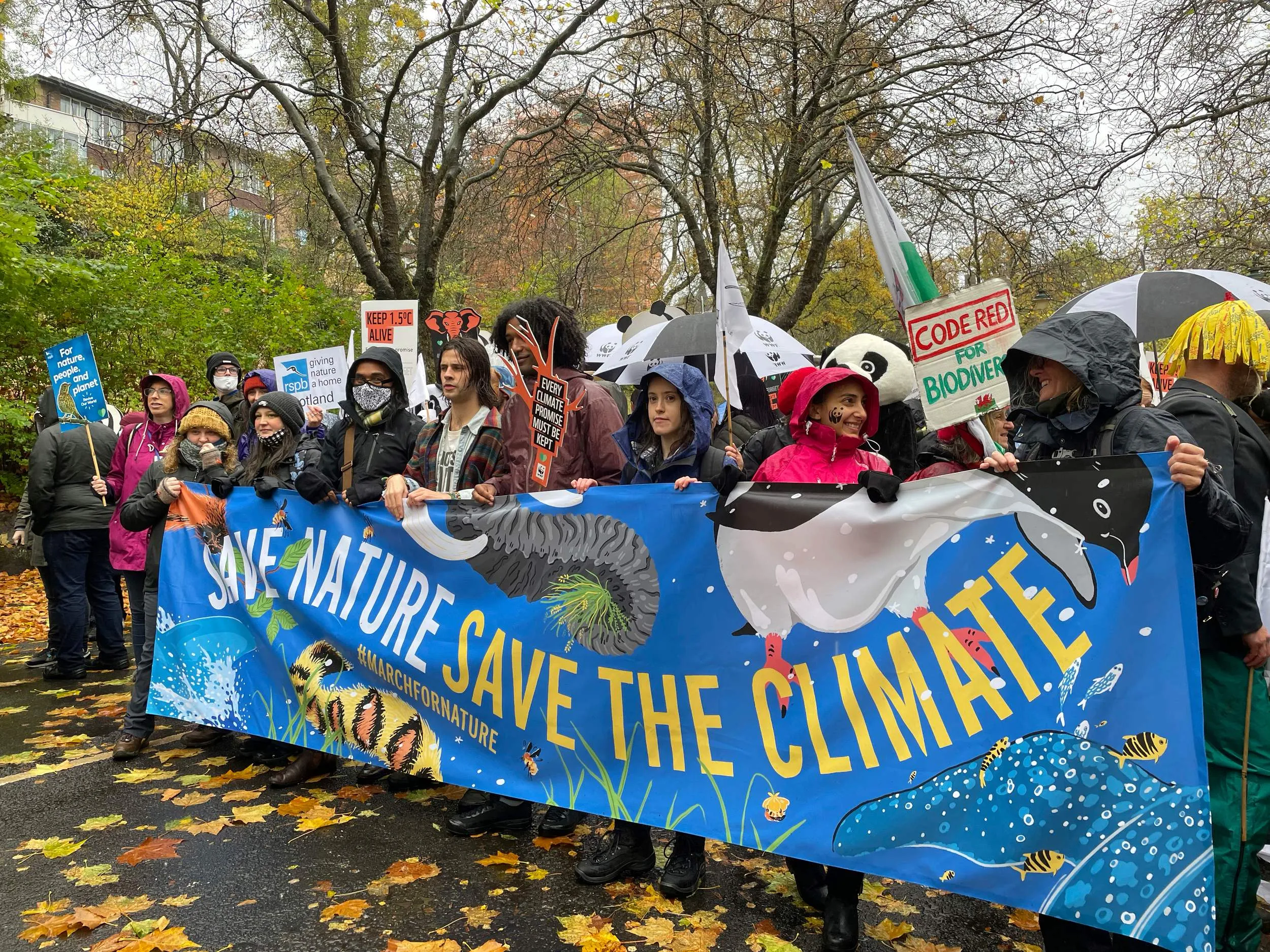
COP30, or the 30th Conference of the Parties, is a gathering of hundreds of countries to discuss and agree on action to combat climate change.
This year, the spotlight will, again, be on the need to limit global temperature increase to 1.5C and to implement the global Paris Agreement on climate change. Countries will also reveal what progress they have made on fulfilling their international pledges for climate action known as Nationally Determined Contributions or NDCs.

COP30 is taking place from 10 to 21 November in Belém, Brazil, a city in the heart of the Amazon rainforest. Due to its location and the desire of Brazilian COP President, Ambassador Corrêa do Lago, forests and nature will be one of six key topics at COP30.
The science is clear. Climate change is one of the greatest threats facing our planet. In October 2024, climate experts warned that the very future of humanity hangs in the balance. From warming seas to increasingly frequent and ferocious wildfires, floods and droughts, thousands of species are under threat.
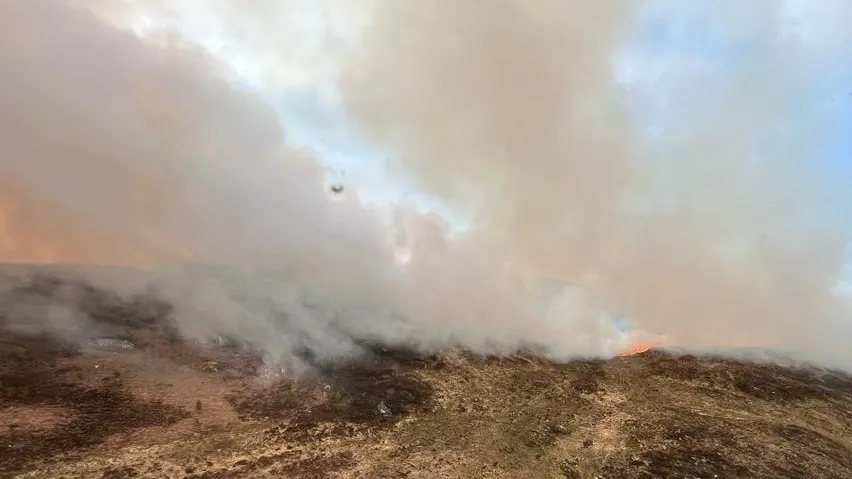
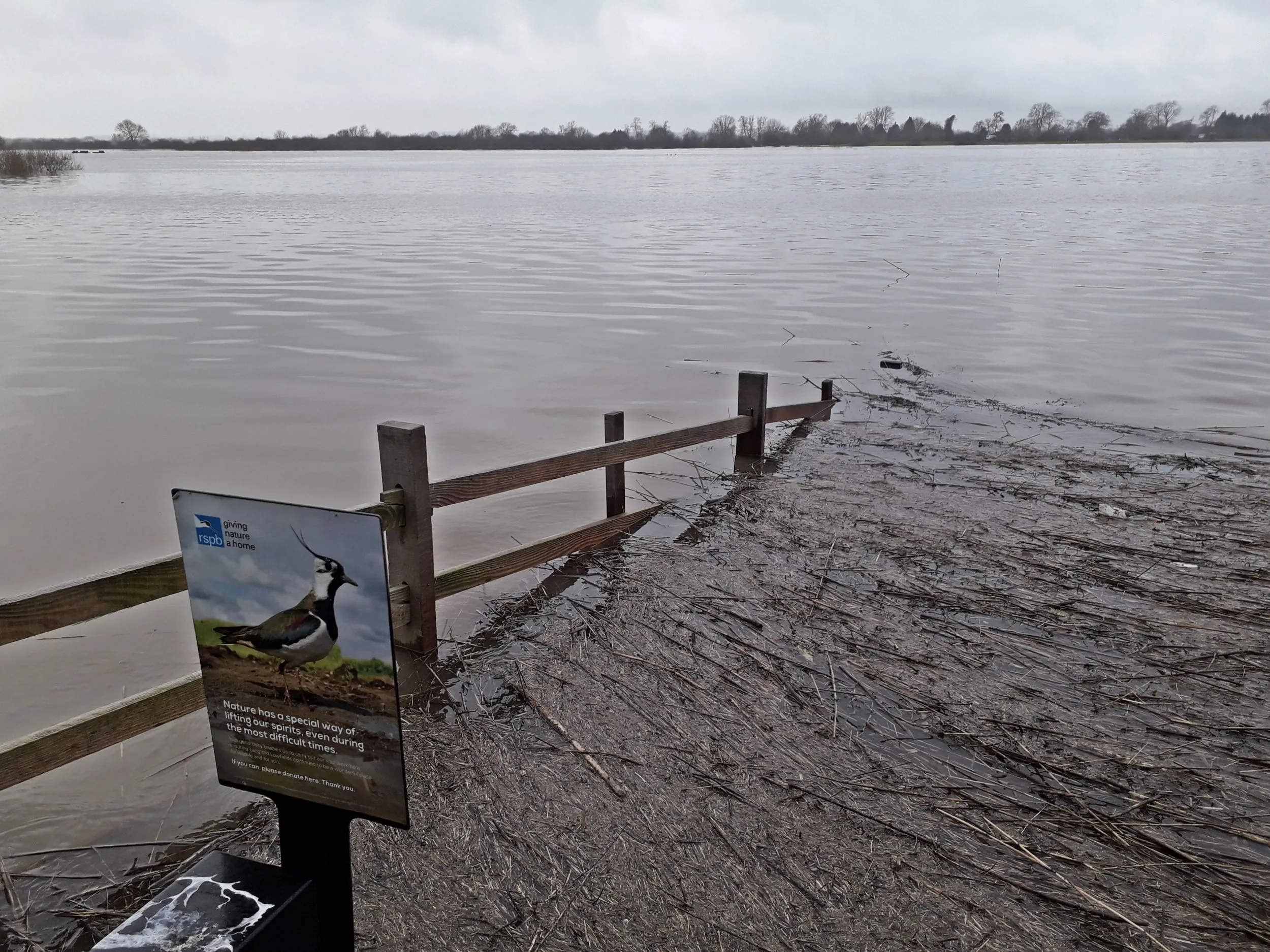
If we fail to tackle the nature and climate emergencies, it will be disastrous for both people and wildlife, and we stand to lose much of what we love.
To combat these issues successfully, it’s clear that we need to work together and that nature-based solutions must be central to our approach. COP30 is an opportunity to push for that positive action, and to hold world leaders to account, for the benefit of all.
COP30 is taking place in the heart of the Amazon rainforest. Globally, deforestation is one of the leading causes of biodiversity loss and sources of greenhouse gas emissions.
At home and abroad, healthy woodlands and forests, and other habitats such as peatlands, act as ‘carbon sinks’. This means they can store enormous amounts of carbon. In turn, such habitats prevent vast amounts of carbon dioxide from entering the atmosphere – a key greenhouse gas and driver of climate change.

COP30 provides an opportunity to highlight the importance of protecting and restoring forests at home and overseas, as we are doing through our Gola Forest project – a major tropical forest conservation programme in Sierra Leone and Liberia. However, the loss of our forests is just one of many issues that require urgent action if we are to overcome the nature and climate emergencies.

That’s why, alongside representatives from the Climate Action Network (CAN) Ecosystems coalition, we’ve sent Melanie Coath, Ruairi Brogan and Alade Adeleke to attend this year’s COP.
Melanie is our Principal Policy Officer for Climate and Co-Chair of CAN’s Ecosystems Working Group, while Ruairi is our Senior Policy Officer for Bioenergy with Carbon Capture and Storage. Alade is the Programme Lead of our groundbreaking Gola forest conservation partnership programme.
Together, this small RSPB delegation will be a voice for nature and will represent our members and supporters on a global stage.
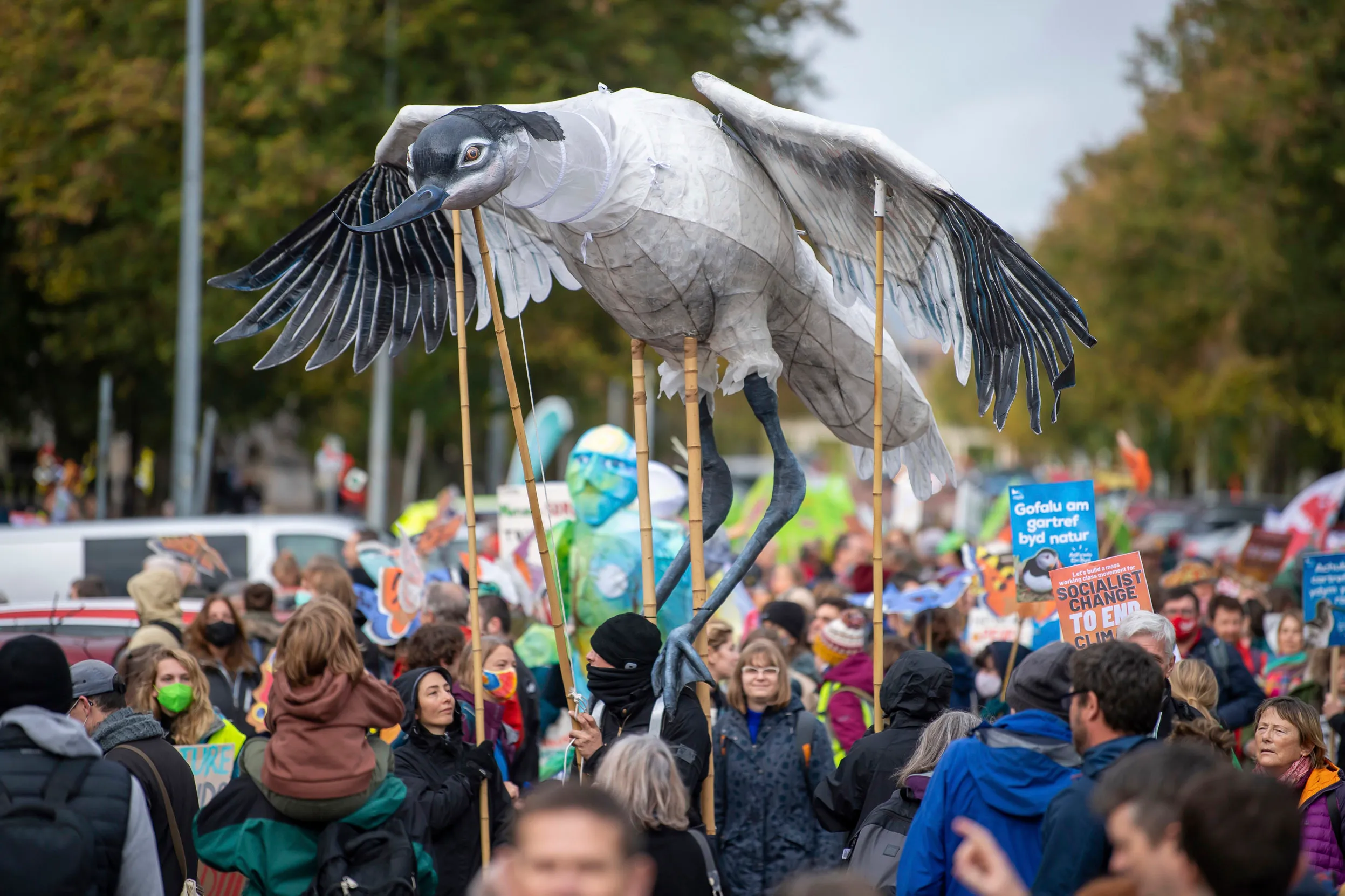
We need action now to tackle the nature and climate crisis. That’s why we’re calling on our leaders to:
Make decisions that reflect nature’s critical role in delivering climate action, and deliver on the urgent need to halt deforestation and forest degradation.
Recognise, act and provide strong political support for solutions that combat nature and climate change crises together. This will bring together the work of the UN climate convention and the biodiversity convention, which aims to bring a worldwide, ten-year plan to reverse the loss of biodiversity, together.
Recognise that countries should move away from dangerous distractions such as large-scale forest-based bioenergy (you can find more information on the environmental dangers of Bioenergy here).
Deliver on the pledges they make at COP30.
Demonstrating UK leadership on forest protection and restoration at home. A briefing from the RSPB and the Woodland Trust.