Six ways you can help nature at home
Nature-lover Kester Grieve shares his top ideas to help nature in your garden and outdoor space.
On this page
A force for change
Nature is a mighty global force, moving and shifting with its rolling weather fronts and millions of birds migrating each year in the skies above us. But nature is also precious and more fragile than its power suggests.
Sadly, the UK is currently one of the world’s most nature-depleted regions with a greatly diminished biodiversity and one in six species at risk of extinction in Great Britain. Humans rely on nature in ways we may not even realise, and our actions directly affect it. Crucially, we can have a big impact on positive change by doing small things to help nature right on our doorstep.
Here are just a few simple but effective ways you can support nature yourself all year round:
1. Snuggle up. Put up a nestbox
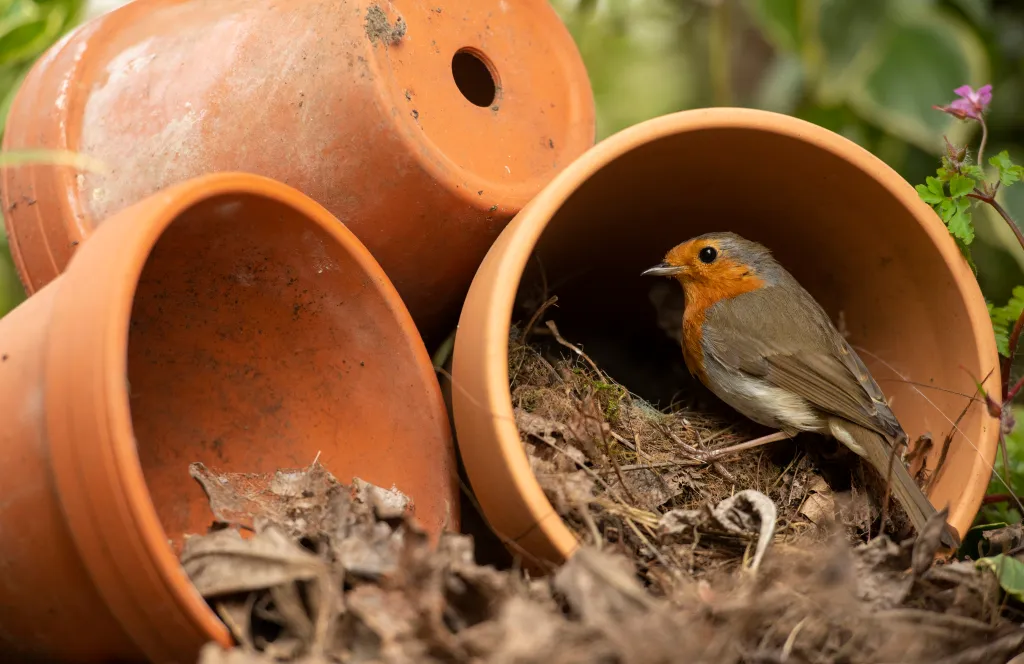
If you have a suitable tree or wall in your garden, why not provide a nestbox as a safe haven for your resident birds? With the depletion of the UK’s habitats, nesting sites are in shorter supply than ever. Together with the nourishment provided by bird feeders or even compost heap invertebrates, a nestbox will provide a rich and bountiful environment for birds. They may even choose to raise their chicks there.
Different species can require specialised boxes. Take a look at the guide below for all you need to know. You can also find nestboxes at the RSPB shop. Every purchase contributes to the support of wildlife and nature!

2. A foundation for wildlife. Create a compost heap
Spare a thought for your smallest garden visitors. One way to help the minibeasts which underpin biodiversity is a compost heap.
You can buy or even build one yourself, best made out of untreated wood, even upcycled slats if you have them to spare. Combine food and garden waste such as soil and vegetable trimmings with finely shredded cardboard and sticks for forming mulch.
The blend of both nitrogen- and carbon-rich materials provides the most efficient food and warmth for a plethora of decomposers like earthworms and woodlice. These contribute to soil nutrients and aid larger creatures as food sources for amphibians, birds, and mammals.
If you feel like some DIY, the RSPB provides a helpful guide on construction of your own.

3. Taking a dip. Provide a bird bath
Even in the winter months, birds benefit greatly from a bird bath, providing them with the means to cleanse and fluff up their downy feathers to keep warm. You don’t have to buy purpose-built options, either. Birds will be more than happy bathing in upcycled large plates, bowls, or basins.
To make sure the water doesn’t freeze in the lower temperatures, melt ice by adding some warm water, or even float a ping pong ball in it to keep the water moving and prevent freezing. Never use salt, soaps, or chemicals like antifreeze, as these could be toxic or damage birds’ feathers. It’s also vital to keep your bird bath clean by refilling with fresh water daily and thoroughly disinfecting weekly.

4. Checking in? Add a bug hotel
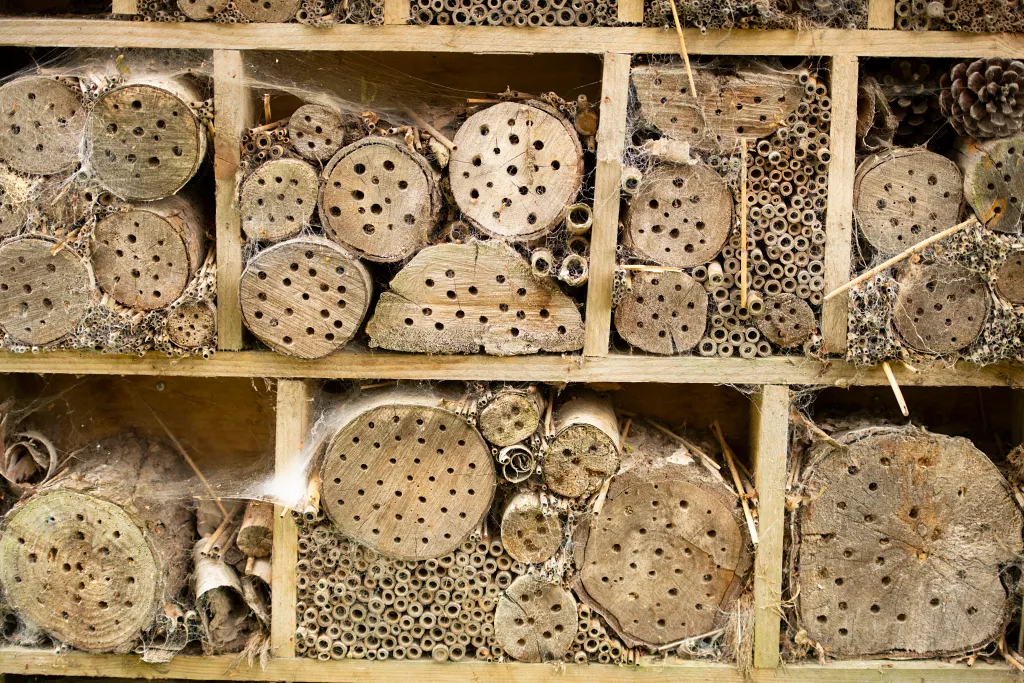
Our pollinators are a backbone of biodiversity, and you can provide a safe habitat for them by setting up a bug hotel. Carefully drill holes of a variety of sizes approximately 10-15cm deep into a block of untreated wood (as chemicals like varnish can harm insect inhabitants). Then, sand down hole entrances so visitors don’t damage their delicate wings, and you can shelter dozens of species from bumblebees to beetles.
Remember, positioning is important: south-facing in a sheltered but sunny area will prevent both mould and rot, keeping resident insects warm and dry. Bees are solar-powered pollinators; warmth is crucial for overwintering and brood development. Bringing your bug hotel inside a shed or covered porch in autumn and winter is advised to protect against damp, which can kill larvae. By following these steps, you’ll ensure these cosy dwellings keep bees boosting the ecosystem of your garden in return.
5. Keep an eye out. Do a nature survey
Taking part in wildlife surveys can be a great way of getting out and enjoying nature. It can also help us improve our understanding of how nature is faring.
The RSPB’s Big Garden Birdwatch takes place every January and is now the world's largest wildlife garden survey. And there’s plenty more opportunities to share your wildlife sightings throughout the year, from the British Trust for Ornithology’s (BTO) Garden BirdWatch to Butterfly Conservation’s Big Butterfly Count.
How to record wildlife: an action you can take to protect nature.

6. All together. Volunteer with us
Further afield, there are a great deal of opportunities for volunteering to help nature, even starting with your closest RSPB nature reserve. But there are even some opportunities for volunteer work at home!
From butterfly counting to litter picking, leading walks to serving coffee and cakes, there are countless ways you can directly and indirectly help the natural world around you through volunteering. The RSPB has all sorts of opportunities, with roles for a wide range of skills and backgrounds. You can gain experience and bolster your CV while bolstering natural habitats and important field work.

Meet Kester
Kester Grieve is a freelance writer, poet, and nature enthusiast from London. With a passion for wildlife and folklore, he is at his happiest using the wonder of words to weave flora and fauna with the fantastical. Most recently published in Crow & Cross Keys, his work has also appeared in Confluence Magazine and the chapbook Wayward Words.
