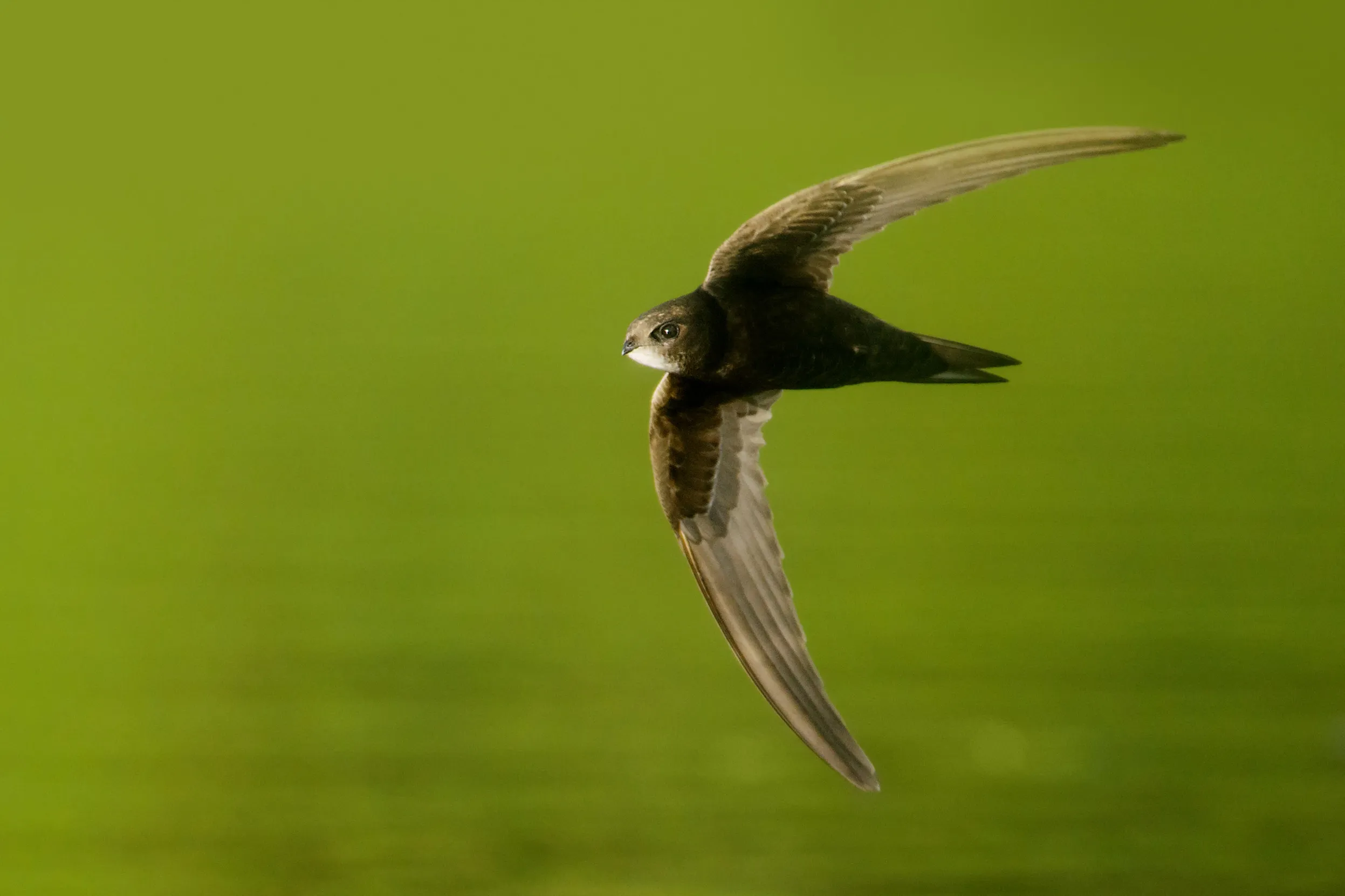
Share your Swift sightings
Help us understand more about Swifts by recording your sightings using Swift Mapper.
We look at how RSPB Local Groups are bringing communities together to help some of our most vulnerable species.

Across the UK, RSPB Local Groups are bringing people together to take action for nature. This network of over 120 groups is led by some of the organisation's most dedicated and long-serving volunteers, who give their time, skills and passion to support wildlife in their local communities.
From installing nest boxes and carrying out wildlife surveys to campaigning for change, fundraising and outreach, Local Groups are a powerful force for nature. Since 1969, they have raised more than £25 million for conservation and have helped countless species recover and thrive in local landscapes. Their impact continues to grow every year!
Every Local Group is unique, from long-established groups with decades of experience to those pioneering new and creative ways of engaging people with nature. What unites them is the commitment of their volunteers and members, whose enthusiasm makes each group special.
Local Groups play an important social role, offering guided birdwatching walks, expert talks, visits to nature reserves and even coach and boat trips further afield. Joining a Local Group is not only a chance to learn more about wildlife, but also to make new friends and become part of a welcoming community.
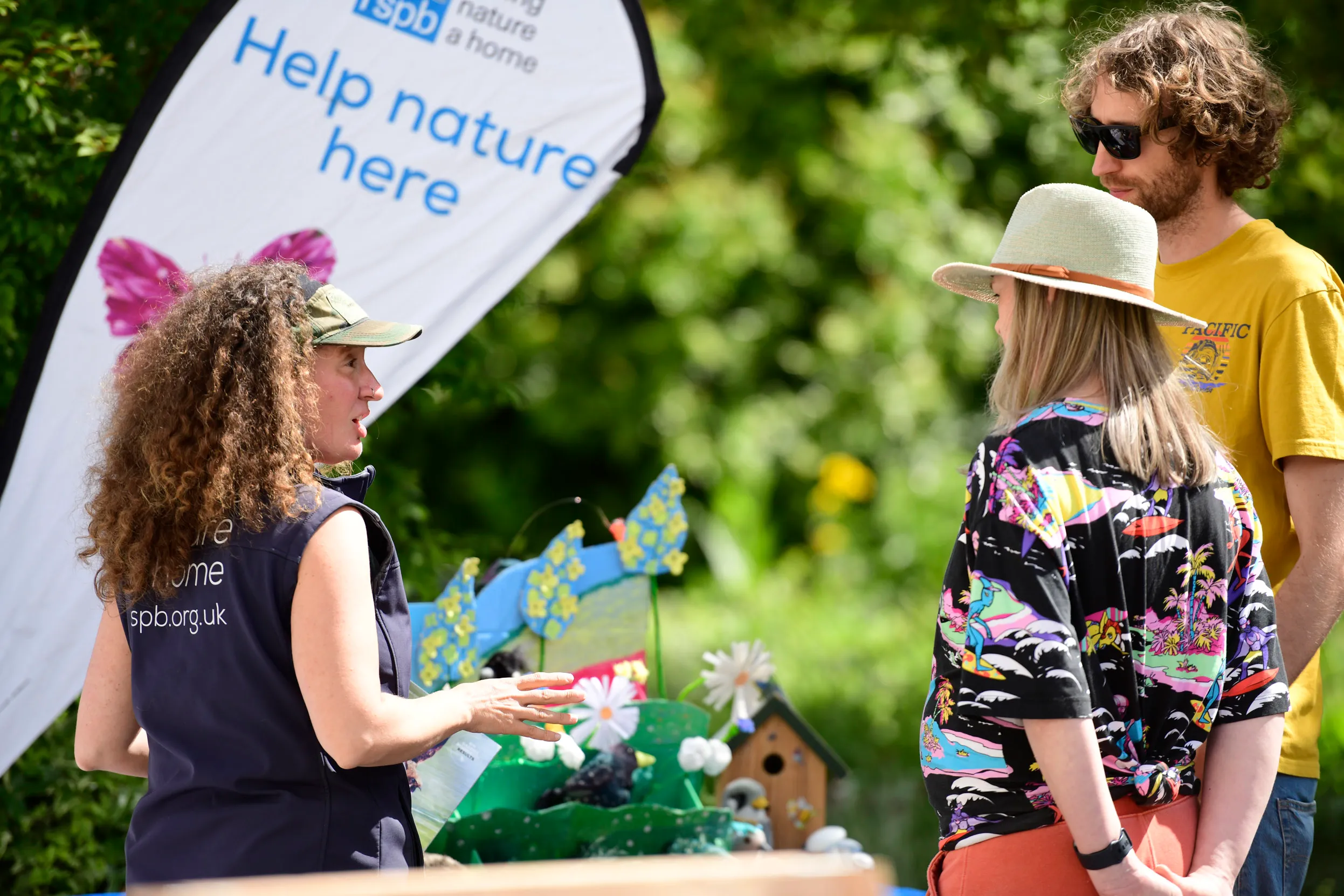
Local Groups also play a part in our species recovery work and are stepping up for some of our most vulnerable species including Swifts and Turtle Doves, and we hope to get even more groups involved in this work through our Species Volunteer Network (SVN).
In this article we share just a few of these inspiring stories from the incredible efforts of our Local Groups.
Until recently, the Turtle Dove was the UK’s fastest-declining bird, with a 99% decline in abundance since the 1960s, but there are now some small, positive signs of recovery.
The RSPB leads Operation Turtle Dove, a partnership project with Natural England and Pensthorpe Conservation Trust which is working to reverse the decline of the Turtle Dove. Local Groups have been making a real difference for the project, turning a wide range of fundraising activities into meaningful conservation action. Since 2024, Local Groups have raised and donated an outstanding £51,040!
Operation Turtle Dove is working with farmers and other land managers to help provide the breeding season habitats this summer visitor desperately needs – namely seed-rich feeding habitat, dense scrub and hedges for nesting and access to water sources.
In the last year, Hemel Hempstead Local Group raised an impressive £2,500 through door collections, monthly raffles, sales and a well-attended quiz night. Potters Bar and Barnet Local Group donated £1,000, thanks to the ongoing success of the 100 Club, sales events and recycling initiatives. Central London Local Group gave a £3,000 donation to the project and members enjoyed an inspiring online talk from an RSPB adviser, who shared first-hand insights into Operation Turtle Dove.

Numbers of Swifts in the UK plummeted by 70% between 1995 and 2024. Reasons for their decline are complex but a lack of suitable nesting sites is likely to be an issue. Local Groups are helping out these summer visitors in a number of ways.
Lancaster Local Group helped to create Lancaster Swift City when the local MP, city councillors, nature charities and community organisations signed a Swift City charter. In the last three years they have overseen the installation of 170 Swift boxes, many made in community workshop sessions with Lancaster Men’s Hub. In November 2025 they raised funding for Blink and You Miss It, a light and music installation about Swifts in Lancaster Priory, where RSPB founder Emily Williamson was baptised in 1855. This was seen by over 11,000 people and had a huge impact on awareness of these remarkable birds.
.jpg)
Solihull Local Group raised more than £2,100 through the Aviva Wild Isles programme, helping to fund its growing Swift conservation project. Since launching the initiative last year, volunteers have used sightings submitted by local residents to identify and map Swift colonies, with records added via Swift Mapper. Working with local partners and the RSPB's West Midlands Swift Champions scheme, volunteers continue to survey and monitor colonies and engage with householders to secure the future of the Swifts in Solihull.
Chester Local Group has been championing Swift conservation for many years, helping to install more than 500 Swift nest boxes across the region. The group has recently launched an exciting partnership with the University of Chester to support Swift conservation and raise awareness of the species, with the collaboration set to begin in August with the support of the University's Head of Sustainability.

In Northern Ireland, RSPB Local Groups have also been involved with Swifts, especially the Antrim Local group, with 18 Swift boxes being successfully installed in Parkgate and another 63 boxes in Ballyclare with the support of BT Openreach to put them up.
Mid Nene Local Group, recent winner of the President’s Award (Best Urban Action for Nature), have also been supporting Swifts! Over the past 12 months, volunteers at Mid Nene Local Group have put their joinery skills to the test, building Swift boxes and venturing up church belfries to install the boxes. In total the Local Group have installed 20 nest boxes across five churches. This is phenomenal work and part of a longer-term conservation project to increase public awareness around Swifts and support the birds.
Worcester and Malvern Local Group runs a thriving Swift recovery project, with volunteers identifying Swift hotspots, working with residents and partnering with Openreach to install, monitor and maintain nest boxes across the region. The group's efforts have received heartwarming feedback from local residents, with one saying:
“The Swifts are already showing an interest in the boxes you installed for us... I've been playing the Swift calls every morning and evening, and a small group of Swifts have been whizzing around the house so low that I can hear their wings. It's been an absolute delight, and I'm keeping my fingers crossed that next year they'll take up residence.”

Help us understand more about Swifts by recording your sightings using Swift Mapper.
Red Kites nearly disappeared from the UK but thanks to conservation efforts were brought back from the brink. Whilst now common in some parts, the species is still recovering in Northern Ireland, with Lisburn Local Group getting involved with the Red Kite Project and the Northern Ireland Raptor Study Group since earlier this year. In March, group members took part in survey methodology training and started surveying sites throughout the spring and summer.
Siobhan McGrath Chair of RSPB Lisburn Local Group, explains:
"The RSPB Lisburn Local Group members have supported RSPB Red Kite Conservation this spring and summer by monitoring Red Kite activity in Northern Ireland, identifying nests, and helping tag chicks. The Group will be hosting a Red Kite observation event in the Mourne Area this autumn and fundraising for species conservation in Northern Ireland.”

Inspired by these stories? RSPB Local Groups offer a fantastic way to support nature, connect with like-minded people and make a difference in your local community. Find out more by finding your nearest Local Group around the UK here.
You can also learn more about the Species Volunteer Network (SVN) and discover how volunteers are helping to recover priority species across the UK. Find out more about SVN projects and opportunities across Scotland, Wales, Northern Ireland and England here.