
Create a high home for Swifts
Set up a nestbox to give summer-visiting Swifts a place to nest and breed year after year.
Discover how we’re stepping up for spectacular Swifts.
.jpg)
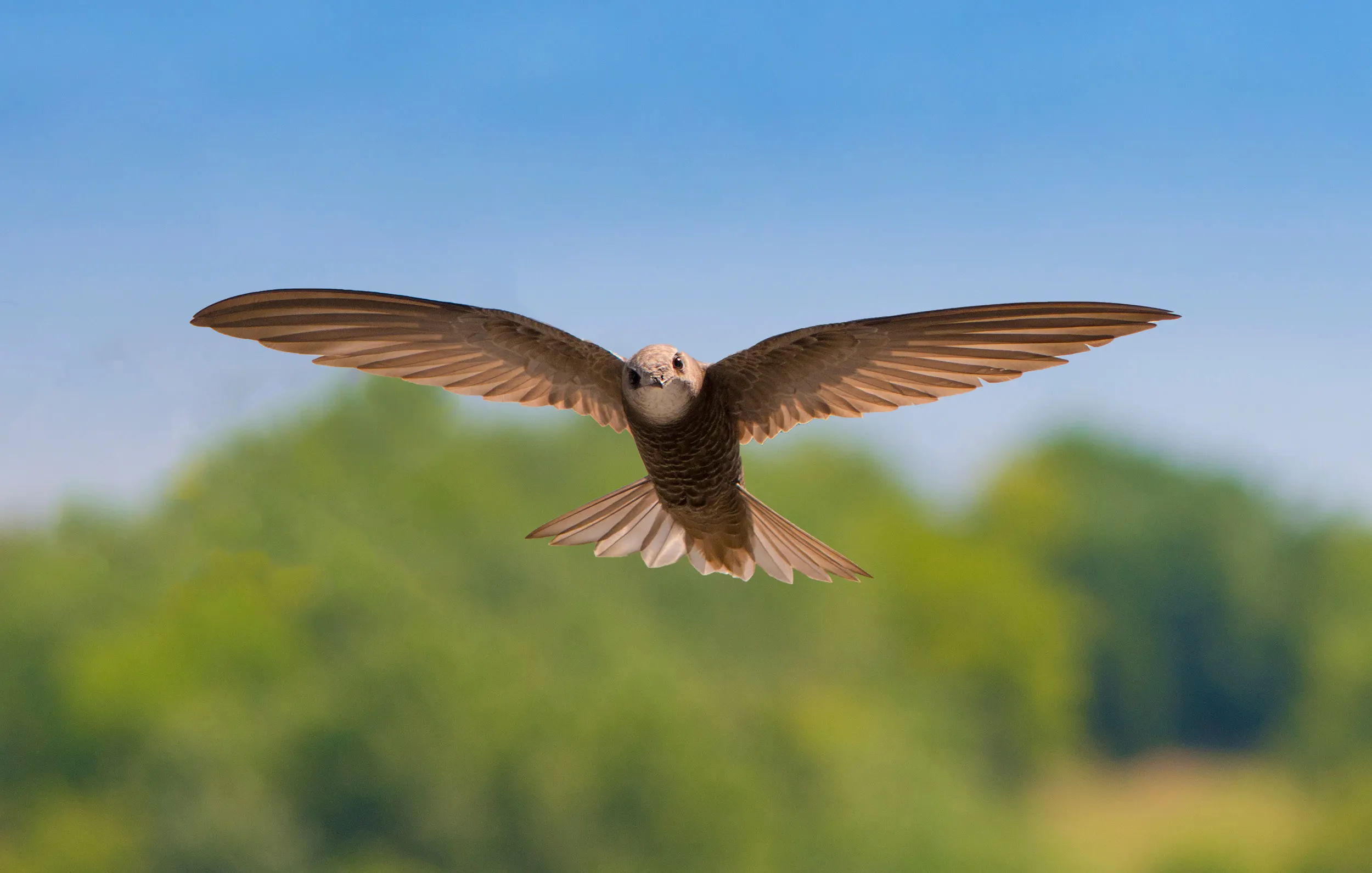
Weighing just 36-50g, Swifts are small birds with incredible aeronautical abilities. These amazing little birds are so adept in the air that they spend almost their entire lives on the wing (in-flight), and usually only land at nest sites; they even sleep in the air!
With a bullet-shaped head, boomerang-shaped wings and a slick forked tail, these compact birds are built for speed and can reach up to 69mph. That makes Swifts the world’s fastest bird in level flight (flying horizontally).
Swifts' aerial behaviour means they can be confused with Swallows, House Martins or Sand Martins. However, their excitable screaming call is a clear giveaway as they whizz by overhead. Yet, sadly, this once common spectacle is becoming increasingly rare.
According to the Breeding Bird Survey, numbers of Swifts in the UK plummeted by 70% between 1995 and 2024. The species was added to the Red list of Birds of Conservation Concern in the UK in 2021. Unfortunately, all of the reasons for the Swift’s decline aren’t yet clear, but here are some of the factors that might be having an impact on their population:
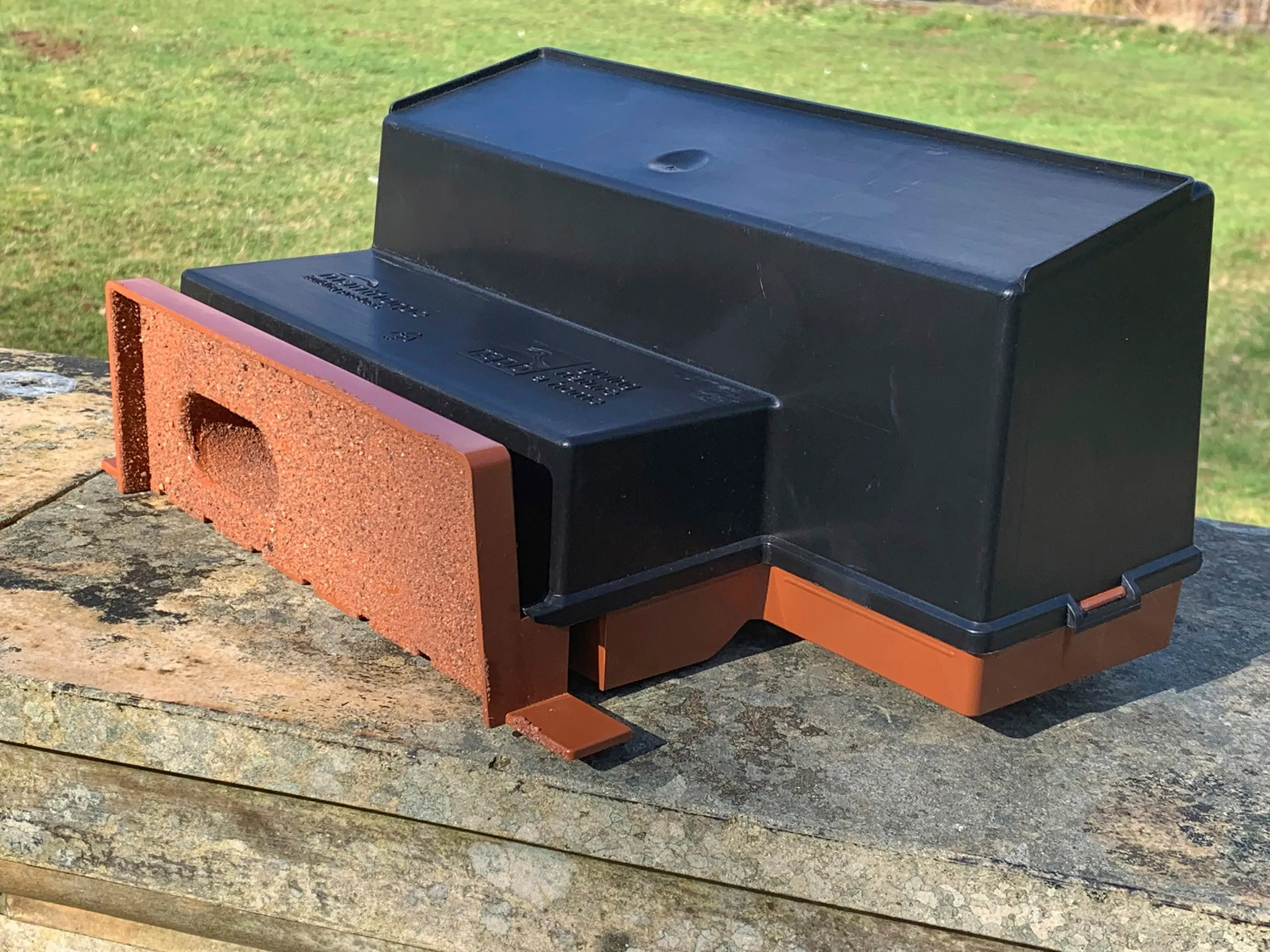
A lack of suitable nesting sites is likely to be an issue. This is because the demolition and modification of older buildings, and the design of new buildings, has greatly reduced the availability of the nooks and crannies that Swifts nest in.
Once established at a nesting site, adult Swifts usually return to the same one every year too. So, if it’s removed or blocked, they can lose an entire breeding season searching for a replacement.
Swifts feed on the wing, which means they rely on airborne insects and ballooning spiders (those that use kite-like strands of web silk to travel on the breeze) to survive.
However, some insect groups are in decline due to the intensification of farming, increasing pesticide use and habitat loss. Therefore, it’s possible that changes to insect populations may have affected Swifts, but currently the level of good evidence on this is low.
RSPB science has shown that the survival of Swift chicks can be reduced due to poor weather. As climate change makes weather patterns more unreliable and extreme weather events more likely, it’s thought that the breeding success of Swifts could be being impacted.

The RSPB collaborated with Barratt-Redrow, formally Barratt Developments, and Manthorpe Building Products on the development of a ‘Swift Brick’ design. These are specially designed bricks that contain an in-built cavity perfect for nesting Swifts.
We also supported campaigns at UK-level in Scotland and Wales to have the inclusion of Swift bricks in new builds made mandatory. In January 2026, this was written into Scottish law. We hope to build on this major success and ensure the bricks become mandatory right across the UK.
The RSPB is also in ongoing partnership with Openreach whose staff have been volunteering to install Swift nest boxes throughout the UK. As of April 2026, Openreach engineers have used their employee volunteer days to install a total of 101 Swift nest boxes, with more installations planned in future.
Knowing where Swifts are nesting helps local Swift conservation groups and others to protect existing nest sites and create new ones where they’re needed. To that end, we developed the Swift Mapper app in partnership with Action for Swifts, Natural Apptitude, Swift Conservation and the Swift Local Network.
Swift Mapper is free and allows anyone to help build a picture of where our breeding Swifts are. So, if you see Swifts entering or leaving nest sites or racing around at roof height, let us know via the Swift Mapper app or webpage. Find out how to use Swift Mapper here How to use Swift Mapper – FAQs

We work with volunteer-based Swift conservation projects in communities across the UK. Volunteers protect nest sites, install nest boxes and work with developers and councils during the development of new housing and the renovation of existing builds to retain nest sites.
As part of the Manchester Swift City Project, which was made possible thanks to the support of fantastic Postcode Lottery players and the RSPB’s Species Volunteer Network, a team of volunteer ‘Swift Champions’ was recruited in the area.
Together, they've recorded sightings of nesting Swifts and created 11 new ‘Swift Streets’. This involved the installation of over 230 new nest boxes which were built by brilliant local college students.
In Northern Ireland, the RSPB Antrim Local Group have run a very successful Swift project involving their local council, residents, volunteers and Openreach. Meanwhile, awareness of Swifts was raised in Lancaster with ‘Blink and You Miss it’, a light and music installation seen by 12,000 people!
Watch this video to find out about the community behind Greater Manchester’s Swinton Swift Street.
The RSPB is a leading advocate for nature-friendly farming. We work with farmers and landowners to help them adopt regenerative techniques and nature-friendly measures that help to restore precious UK wildlife and habitats.
In turn, these practices could help to boost flying invertebrate numbers, increasing the amount of food available for Swifts; a ‘no-regrets' action that certainly won’t do Swifts any harm. Find out more about nature-friendly farming by visiting Nature-friendly farming: our vision for a brighter future.
By putting up a Swift box or fitting a Swift brick, you could provide a vital, safe nesting site for many generations of Swifts to come.
Set up a nestbox to give summer-visiting Swifts a place to nest and breed year after year.
Getting involved with your RSPB Local Group is a fantastic way to help nature in your community. You can also show your support by joining your nearest Swifts Local Network group and attending a local Swift Awareness Week event.

Connect with wildlife, make new friends, and help us in the fight to save nature at one of our local groups.
Have you seen nesting Swifts? Every record adds valuable data that helps us to focus our conservation work where it will have the biggest impact.
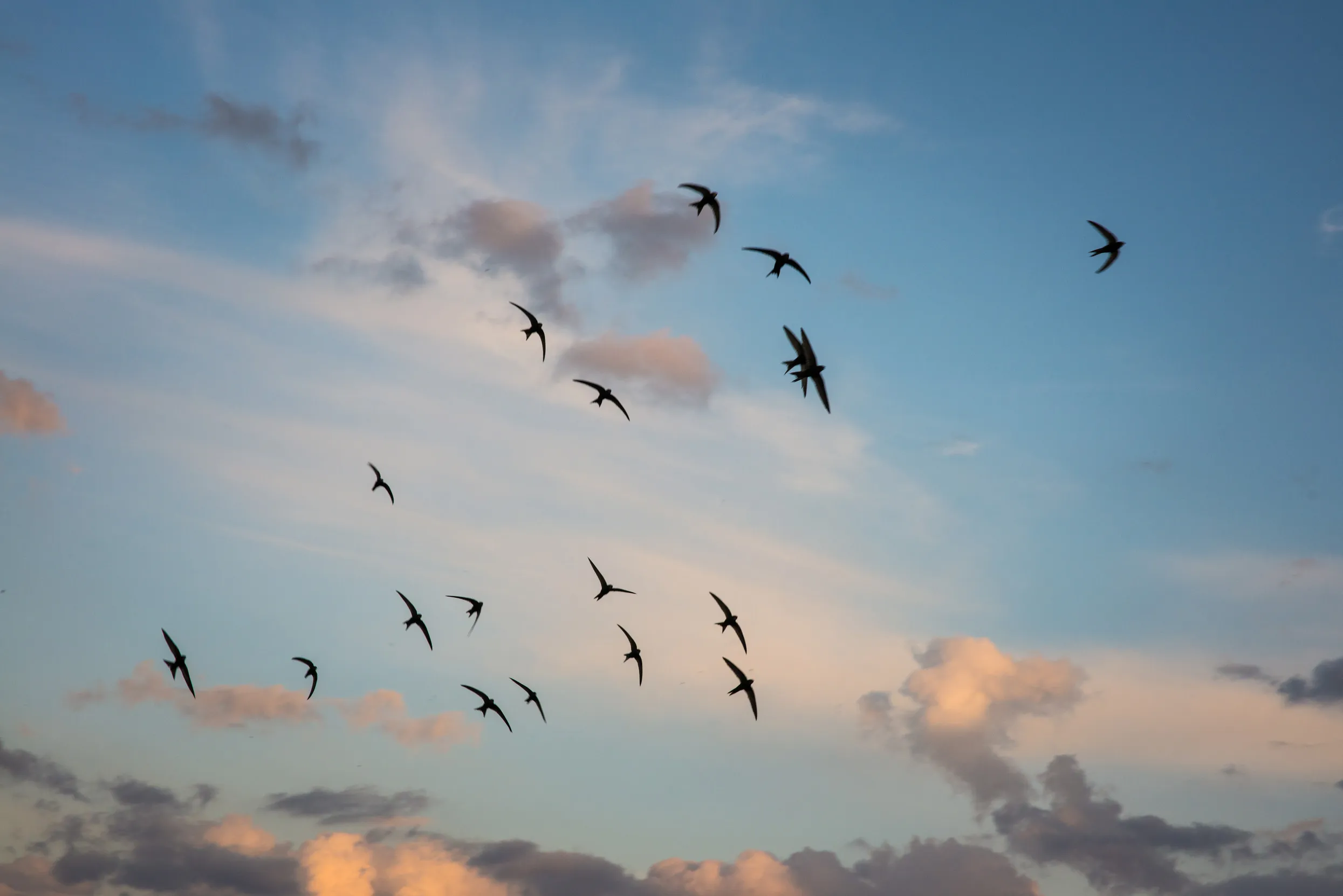
We need your help to look out for nesting or screaming Swifts near you so we can identify nest sites that need protection.
By becoming an RSPB member or making a one-off donation, you could empower us to research, conserve and restore Swifts in the long term.
To ensure we can support Swifts as effectively as possible, we’ve designated them one of our 100 RSPB Priority Species. This means we’re focussing our efforts on researching and helping their populations recover.
Our work to help Swifts is currently at the ‘Testing Solutions’ stage of the recovery curve, which we use to track our progress. During this stage, we identify which conservation actions will help a species to recover. Find out more about our work with threatened species by visiting Protecting species under threat.


When you become an RSPB member, you’re joining a flock of nearly 1.2 million nature lovers who are helping to protect our wonderful wildlife and wild places.
Keen to learn more about wildlife but don’t know where to start? Join over 1 million nature lovers and sign up to our Notes on Nature newsletter today!
Across the UK, RSPB volunteers are helping to save some of our most vulnerable species, including Swifts. Volunteer today and play your part in securing a brighter future for nature.
We’d like to take this opportunity to thank the brilliant players of the Postcode Lottery, who supported the Manchester Swift City Project, as well as all the volunteers, communities and experts who dedicate their time to helping save Swifts.
We’d also like to thank our amazing RSPB members and supporters. Without your backing, our work to help conserve, restore and campaign for sensational species like the Swift simply wouldn't be possible.
Together we fly.

