Want more advice on what to do each month?
Head to our birds and wildlife hub, where you’ll find plenty more friendly advice about how to help and what to see each month.
Is your spot Big Garden Birdwatch ready? Read on for how to welcome birds to your garden or green space.

As we head into winter, many of us often see more birds in our gardens, parks and other green spaces. Partly this is because, with fewer leaves on trees, birds can be easier to spot. But it is also because birds are on the hunt for food, looking for opportunities wherever they can find them. And that’s where you come in! How could your garden or local green space help our feathered friends?
Helping the birds in your spot, could also help you with your Big Garden Birdwatch. Every year in January, hundreds of thousands of people take part in the RSPB’s Big Garden Birdwatch by counting the birds they see in their garden or local greenspace. It’s a great way to get involved and help us understand how garden birds are faring. By starting to think about how you can help the birds around you, you’ll have a head start on getting ready for Big Garden Birdwatch.
Simply follow these tips to help get your spot more bird-friendly.

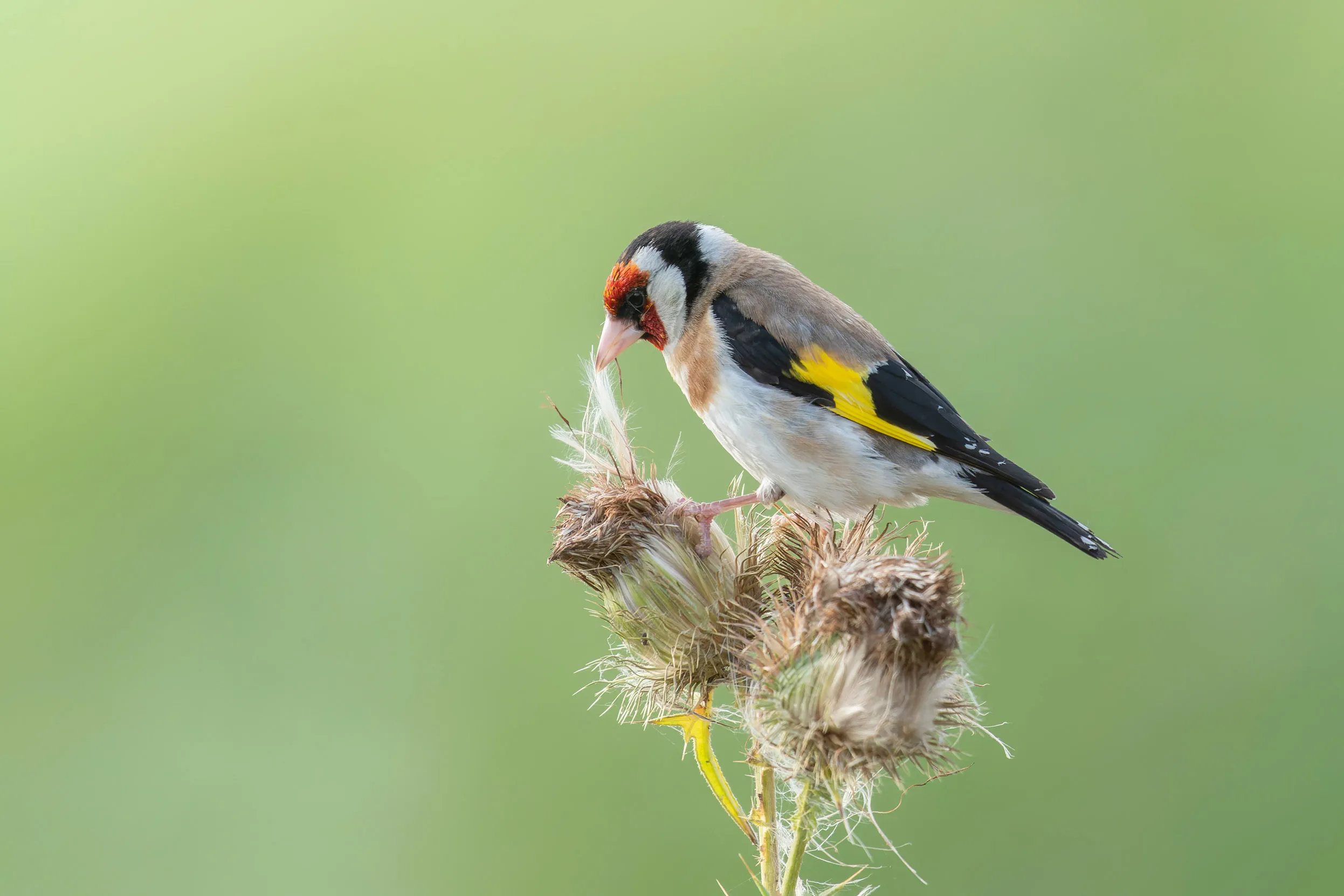
A great way to help birds and other wildlife is by growing plants that provide them with natural food sources. This can be a wonderful way of welcoming wildlife into your spot and plants and flowers that you too can enjoy.
At this time of year, simply leaving a few piles of leaves here and there, and not cutting back, can help. Leaf litter can be a home for all sorts of invertebrates and provide good foraging ground for birds.
In our guide, Top garden plants to grow for birds, you’ll find advice on what flowers, plants, shrubs and trees are good for wildlife and what visitors you might see in your garden if you grow them.

One way to help is by putting out food for birds. Our advice is to feed seasonally, and feed safely. This is to help protect garden birds from the spread of the disease, trichomonosis.
During the colder months, when natural food is more scarce and the risk from trichomonosis is lower, it’s okay to offer a full range of foods, including seeds and peanuts. Suet and mealworms are fine to feed all year round, but in colder months you can add seeds and peanuts too.
You can read our full advice on what to feed garden birds here.

You will probably want to put your feeder somewhere where you can see it easily – so you can see the birds that visit. But it’s also important to think like a bird when you choose where to place it. When feeding, birds need to have their wits about them, so will want good visibility from all directions.
Think about placing your feeder a safe distance from trees, fences or bushes to prevent predators ambushing the birds while they feed. We also recommend not placing feeders under places where birds perch and nest to avoid any contamination from droppings.
It's also best to regularly move feeders around to avoid a build-up of dropped food. Try to pick multiple spots you can rotate between.
Finally, be patient, birds can take a little time to get used to a new feeder.

Different birds have preferences for different foods, and different feeders are suited for different food stuffs.
Seed mixes, for example, are popular with a wide range of birds, including tits, finches and sparrows, and you are best to use a feeder that works best with the size of seed you are feeding. Many birds also like suet and again there are feeders that are best suited to suet.
Take a look at our Bird Feeder Buying Guide for a comprehensive guide and a link to the RSPB shop.

It can also help to provide birds with fresh water, particularly if the weather turns very cold and natural water sources freeze over. If you do provide water, be sure to change it every day to prevent any build-up of dirt and help stop disease from spreading.
By following these tips and making your spot more welcoming to birds, we hope you'll enjoy the sights and sounds of nature right on your doorstep. And with just two months to go until Big Garden Birdwatch 2027, now is the perfect time to help birds feel at home and get ready to take part.
To find out more about Big Garden Birdwatch and for the latest news, including when you can register to take part, sign up to our fortnightly newsletter Notes on Nature.
Head to our birds and wildlife hub, where you’ll find plenty more friendly advice about how to help and what to see each month.