
Help save seabirds from Berwick Bank
Find out how you could stand with us and other wildlife charities in calling for Berwick Bank to be scrapped.
Recent reports of seabirds washing up dead around the coast are a great cause for concern.
5 min read
Large numbers of Puffins, Guillemots and Razorbills are washing up on British beaches, as well as along the European coastline. We look at what’s known as a ‘seabird wreck’ and why more needs to be done to safeguard our seabirds.
A seabird wreck is a recognised natural phenomenon where large numbers of seabirds wash up dead or dying on beaches. Typically, this occurs after severe winter storms exhaust and starve birds that spend their winter far out to sea.

Since late January, thousands of dead Puffins, Guillemots and Razorbills are washing up along coastlines from Cornwall to northern Scotland. This is part of a much larger event along the northeast Atlantic coast with tens of thousands of birds wrecked along the coastlines of France, Spain and Portugal.
The last comparable event was the 2013-14 wreck when over 54,000 seabirds were recorded dead across European Atlantic coastlines, with Puffins again the most affected species. That event was shown to double adult Guillemot mortality rates at monitored colonies. The true death toll this winter is likely far higher than reported figures suggest, since most birds die at sea and never wash ashore.

Warming seas are increasing the intensity of storms and may be altering their patterns and persistence, creating prolonged periods of severe conditions that seabirds struggle to survive.
While wrecks are a natural phenomenon, climate change means the storms driving them are becoming more powerful. It is also driving shifts in the prey seabirds depend on and increasing extreme weather during the breeding season. As well as the consequences of climate change, seabirds also face threats from unsustainable fishing practices, invasive predators and poor siting of offshore windfarms. This mans that seabirds are facing multiple pressures simultaneously, which is reducing their capacity to recover.
Our seabird populations are already in crisis. Across the UK 62% of seabird species are in decline. In Scotland, our seabird stronghold, the decline is as high as 70%. In recent years avian flu has devastated seabird colonies, leaving populations, which are already under significant pressures, with little resilience to absorb further shocks.
Over the past decade unsustainable fishing practices have reduced available prey species, and high-risk fishing gear leaves some species vulnerable to accidental entanglement (bycatch), alongside increased pressure from poorly sited offshore wind farms and invasive predators.
Today, 10 of the UK’s 25 breeding seabird species, including Puffins and Kittiwakes, are Red listed as being of the highest conservation concern.
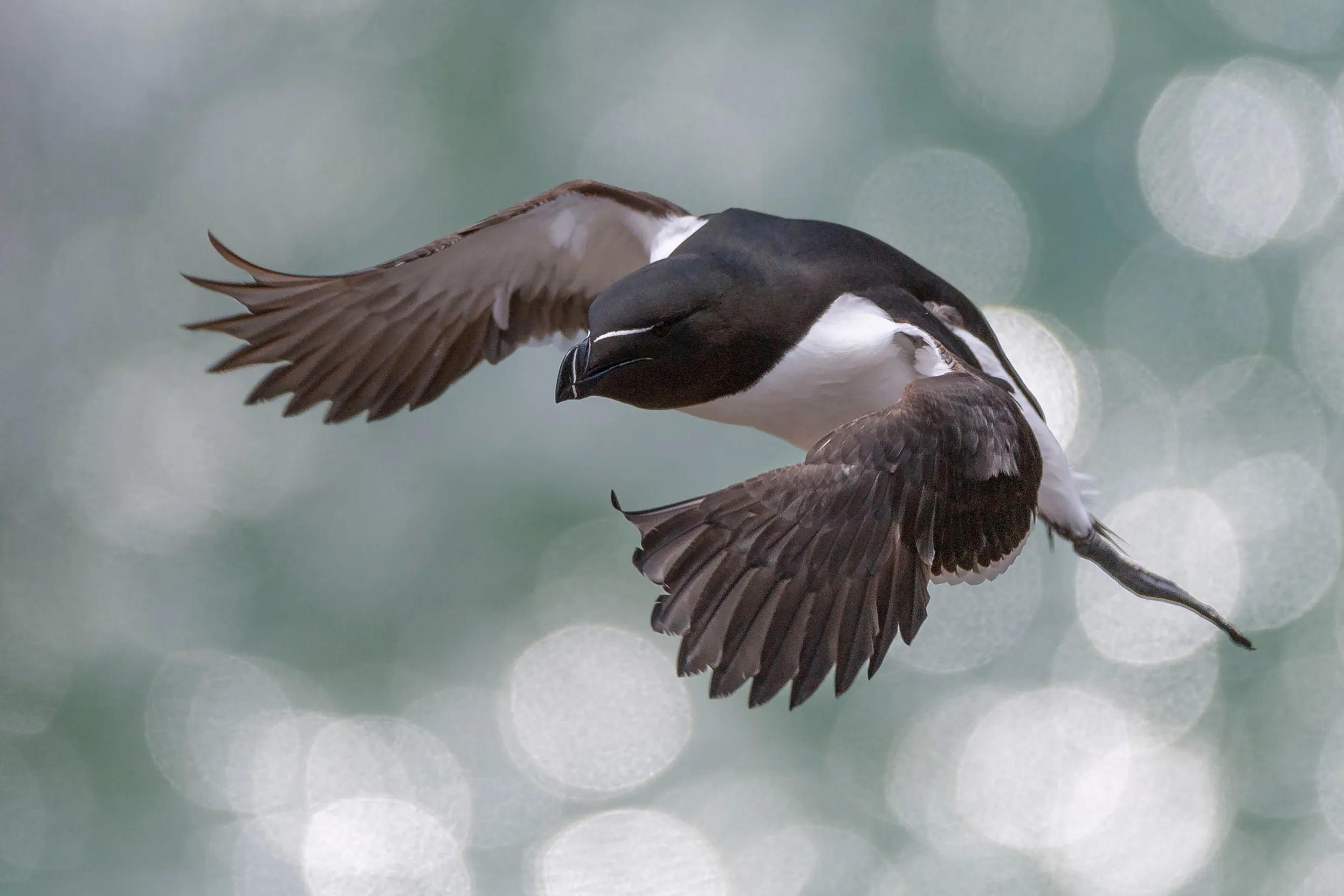
This wreck doesn't exist in isolation. Seabirds face a range of pressures including unsustainable fishing depleting the prey they depend on, deaths in fishing gear, and invasive mammals predating breeding colonies.
The recently consented Berwick Bank offshore windfarm is sited within globally important seabird feeding grounds close to colonies like the Bass Rock and Isle of May. The developer's own predictions estimate it will kill tens of thousands of seabirds over its lifetime. For populations already under pressure from storms, disease and climate change, this is a significant additional concern.
Find out how you could stand with us and other wildlife charities in calling for Berwick Bank to be scrapped.
The UK’s shores and seas are home to around 8 million globally important seabirds. But they are in trouble. Find out how you could help Save our Seabirds.


